Running Shoes
New Balance SC Trainer version 3 Review: A Long Run Shoe With a New Identity
The third SC Trainer finally puts foam between the carbon plate and the road, delivering a capable, stable long run shoe at $180. Here is what changed and who it suits.
Introduction
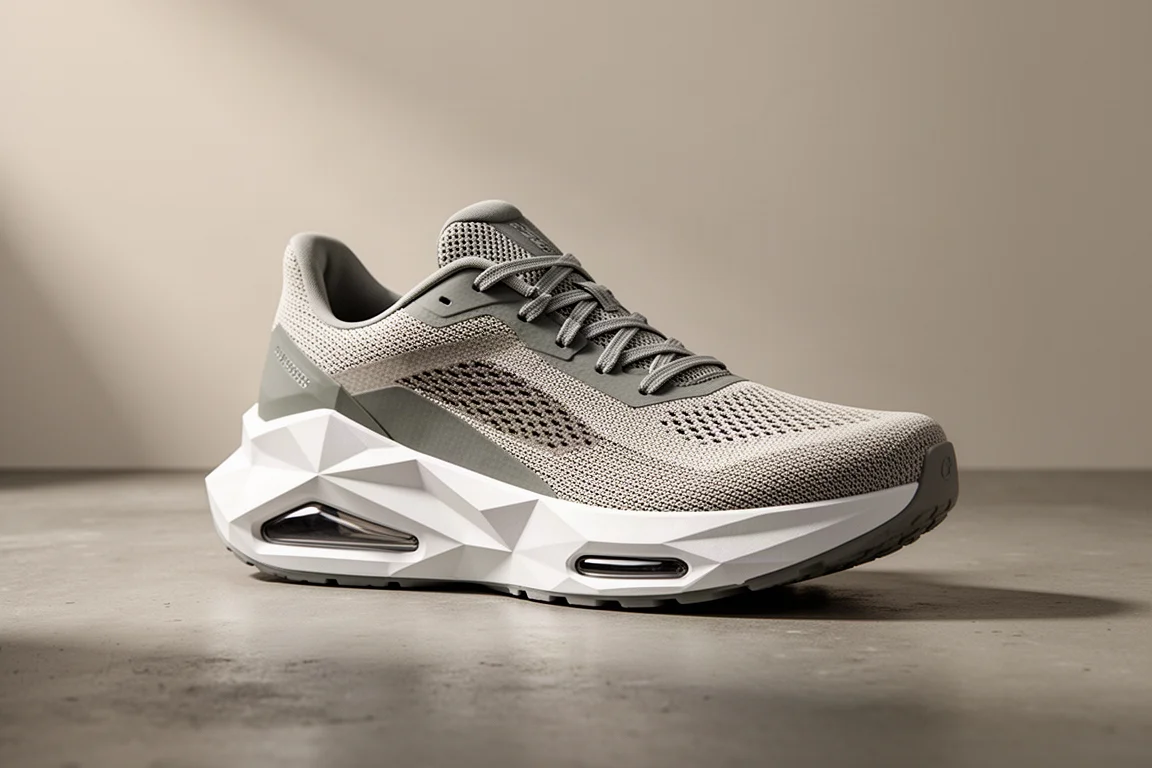
The New Balance SC Trainer has never quite settled on what it wants to be. The first version was a tall, squishy, quirky long run shoe with a knit upper that was genuinely endearing, but it left the forefoot undercushioned with a rubber nub sitting directly on the carbon plate. The second version dialed everything back: more stable, safer, less fun, and it kept that awkward rubber nub on the underside of the plate.
The SC Trainer version 3 is the most resolved of the three. It moves extra foam from the heel into the forefoot, removes the rubber nub entirely, and finally puts real foam between the carbon plate and the ground. It is a genuinely good long run shoe, even if it trades away a little of the personality that made the original so charming.
Specs and Design
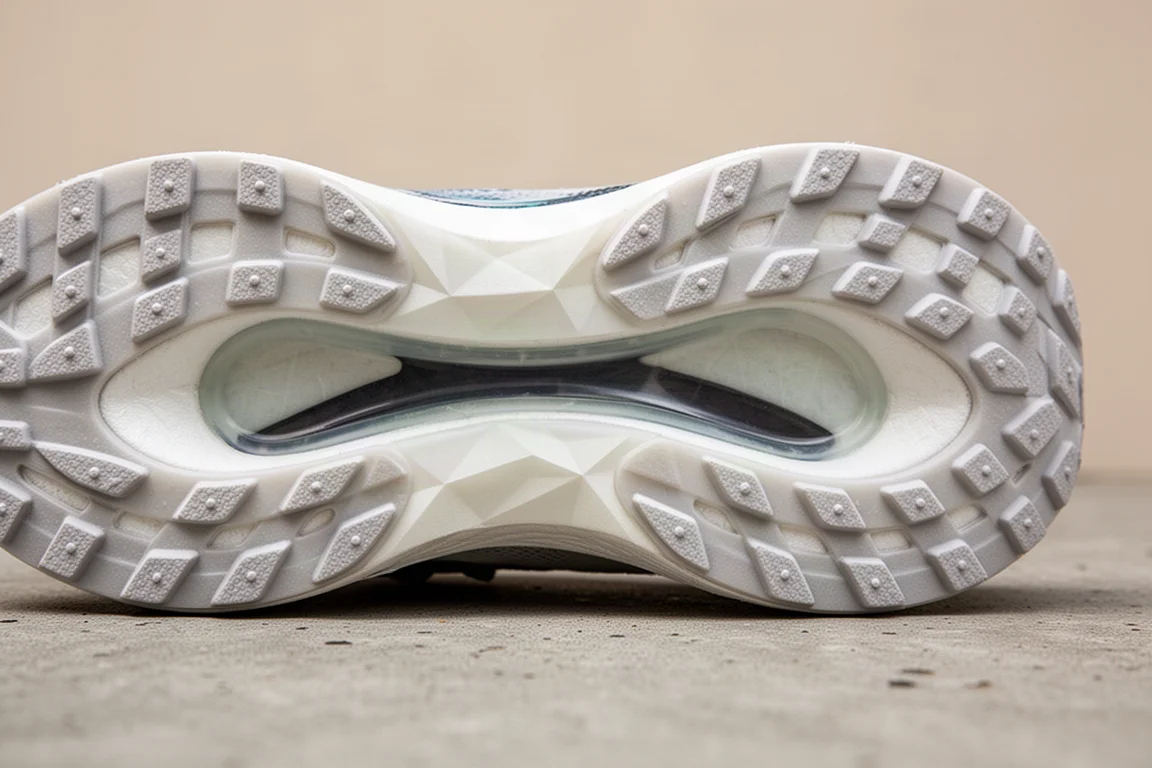
The SC Trainer version 3 uses a 40 mm stack height at the heel with a 6 mm drop, giving 34 mm in the forefoot. The midsole is a FuelCell PEBA EVA blend, paired with New Balance’s Energy Arc, a curved carbon fiber plate visible through a window in the outsole.
Up top, you get the Phantom Fit mesh upper with minimal padding in the tongue and heel cup. It is comfortable for long periods, though anyone who loved the knit upper of the first version will notice its absence. New Balance has moved its lineup away from knit uppers, so this is now the house style.
New Balance claims 9.5 oz for a US men’s size 9, but a pair on a home scale came in at 9.9 oz, or about 289 g. That is not light, and it matters when you start pushing the pace.
How It Runs
This is a really great long run shoe. The PEBA EVA blend rides a touch firmer than expected, largely because of how the foam interacts with the carbon plate, and it shines at the higher end of easy pace and into moderate efforts. There is a good balance of cushion and bounce: the foam squishes, but the shoe stays relatively stable.
Where it is less convincing is very fast work. At close to 10 oz in a men’s size 9, that weight starts to become an issue in true speed sessions. Strides are fine, and so are progression long runs or long runs with marathon effort miles in them, but this is not the shoe for mile repeats or Yasso 800s.
The big structural win is the redesign of the midsole and outsole. The old rubber nub glued directly onto the carbon plate is gone, replaced with foam underneath the plate. That simple change makes the forefoot feel far better underfoot, and it was one of the most requested fixes for this shoe.
How It Compares in the New Balance Lineup
New Balance runs two parallel foam families. Fresh Foam X, found in shoes like the 880, 1080, More, and Balos, leans toward cushioned, bouncy daily training. FuelCell, found in the Rebel, SC Pacer, SC Elite, and SC Trainer, is the performance-oriented family: faster compression and decompression, a slightly mechanical, shock-absorber feel, and formulations that vary by shoe, sometimes all-PEBA, sometimes a PEBA EVA blend.
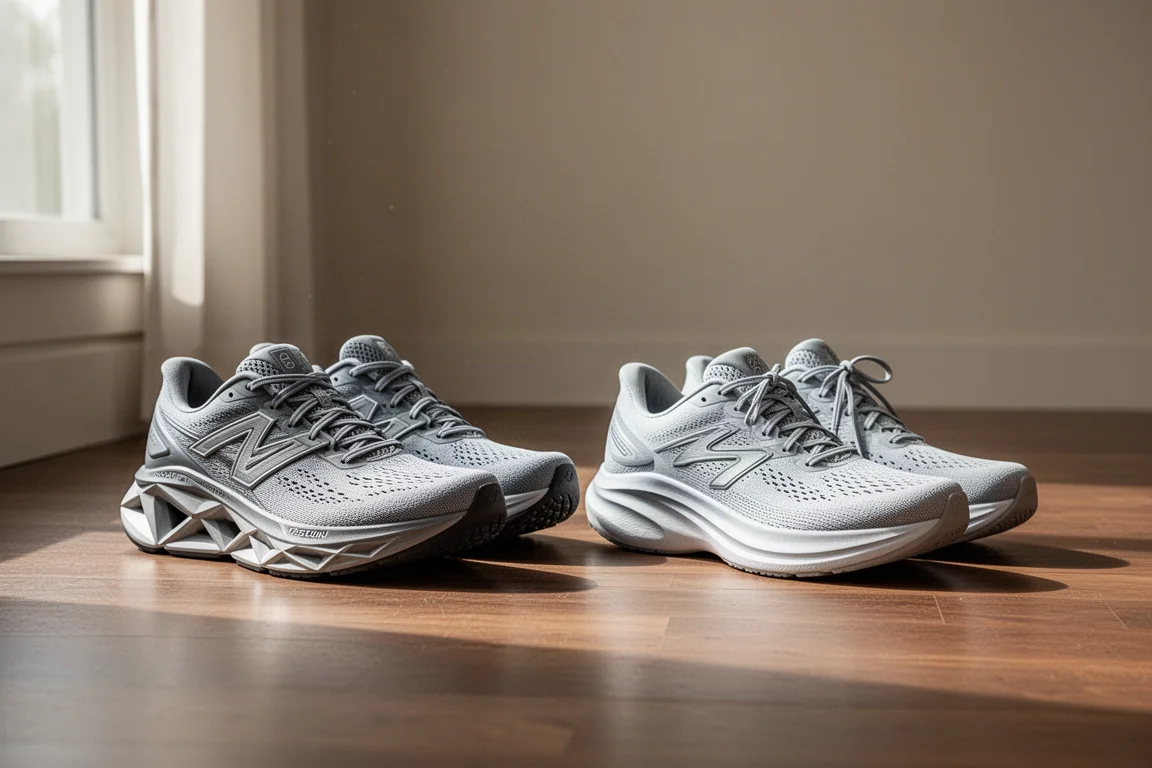
Within the FuelCell line, the Rebel version 4 is the daily trainer, the SC Elite version 4 is the racer, the SC Pacer version 2 sits between them as a 5K and 10K race or workout shoe, and the SC Trainer version 3 is the long run option.
The most direct comparison inside the lineup is the Fresh Foam Balos, which lines up against the SC Trainer version 3 as New Balance’s other long run shoe. Interestingly, the Balos is actually lighter and has a bit more fun and pop in its ride. The SC Trainer version 3 is the pick if you want more stability and a more predictable long run experience; the Balos is the pick if you want more liveliness.
Should You Buy It
At $180, the SC Trainer version 3 comes in at a reasonable price for what it does, and it is a clear upgrade over the SC Trainer version 2. It is a fantastic option for easy running, long easy runs, and long run workouts with progression or marathon effort miles. It also continues to serve as the marathon training shoe for runners who find the SC Elite a bit too aggressive or unstable.
If you want to look elsewhere, two alternatives are worth a glance. The Saucony Kinvara Pro takes a similar approach with racing foam over a daily training foam and a partial carbon plate, at the same $180 price, and it is noticeably more stable and firmer, though less interesting to run in for long stretches. The Mizuno Neo Vista, also $180, is effectively the spiritual successor to the SC Trainer version 1: a knit-style upper, a glass fiber reinforced nylon plate, and a midsole so squishy that faster running becomes difficult. If you miss what the SC Trainer used to be, the Neo Vista is what you want now.

The one honest criticism of the version 3 is that it is slightly bland. It is excellent at what it intends to do, but the quirks and character of the original have been smoothed out in pursuit of stability. That is a fair trade for most runners, even if longtime fans may miss the chaos.
Conclusion
The SC Trainer version 3 is the most complete version of this shoe so far. Foam under the plate, better forefoot cushioning, a comfortable Phantom Fit upper, and a stable, balanced ride make it a strong long run shoe at $180. It will not replace your tempo-day weapon, and it has lost some of the oddball charm of the first version, but as a dependable long run and marathon training companion, it earns its place in the rotation.
Product link
View more details for New Balance SC Trainer v3
This product is mentioned in the review. Check the specifications, options, and compatibility before buying.
View more details for New Balance SC Trainer v3Further reading
Related Reviews

Running Shoes
Best Road-to-Trail Running Shoes: Three Versatile Options for Mixed Terrain
A practical guide to three road-to-trail running shoes that handle both pavement and mild trails, with clear strengths and trade-offs for different runner types.

Running Shoes
Best Running Shoes for Achilles Tendonitis: Three Options Explained
Three running shoes with different heel drops and support features designed to help reduce Achilles tendon pain during walking and running.

Running Shoes
Best Running Shoes for Women: Five Top Choices Ranked
A ranked guide to five women's running shoes, from versatile daily trainers to high-performance racing options, with real strengths and trade-offs for each.