Running Shoes
New Balance SC Trainer V2 vs Saucony Endorphin Speed 3: Which Plated Trainer Fits Your Running?
Two of the most popular plated trainers go head to head on midsole feel, fit, durability, and which runner each one genuinely suits.
Introduction
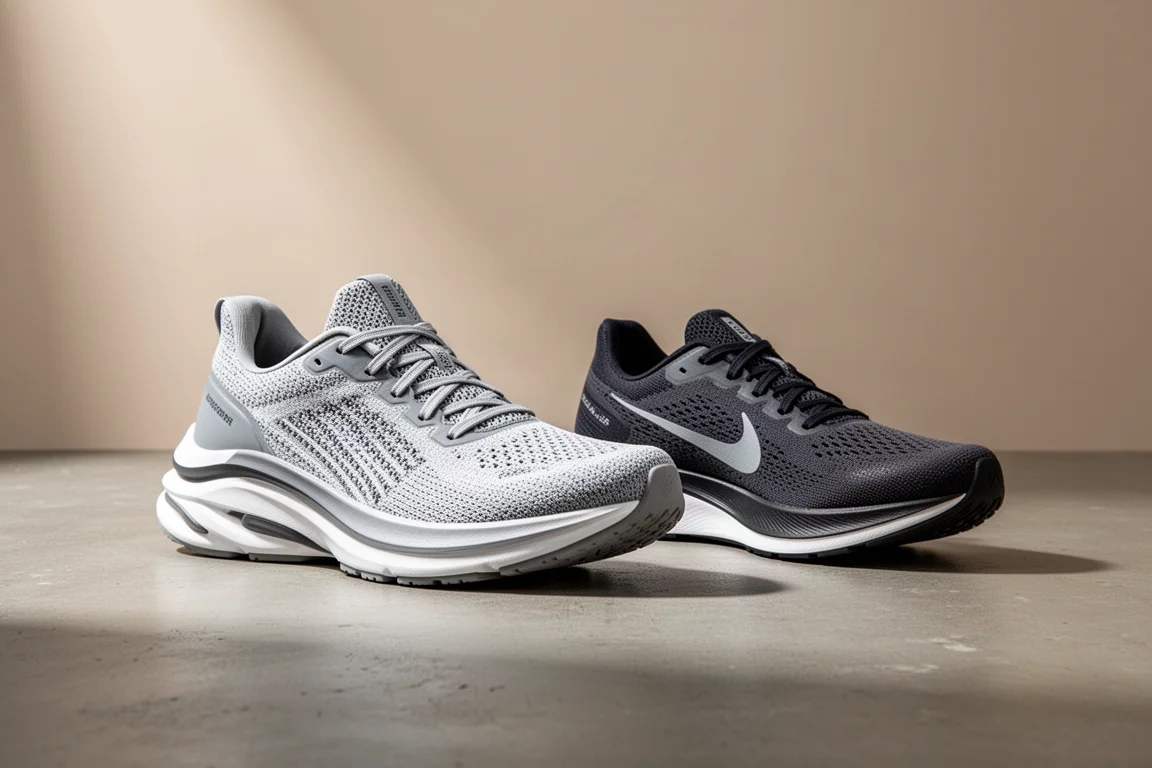
Plated trainers have become the go-to choice for runners who want more excitement than a standard daily trainer without committing to a full racing shoe. Two models dominate that conversation: the New Balance SC Trainer V2 and the Saucony Endorphin Speed 3. One carries a carbon plate and a taller stack of cushioning; the other pairs a flexible nylon plate with a bouncy peba-based foam and one of the best uppers in the category.
After hundreds of miles in the Endorphin Speed 3 across multiple pairs and a fast-growing log of miles in the SC Trainer V2, the differences come down to ride character, fit, and how each shoe holds up over time.
New Balance SC Trainer V2
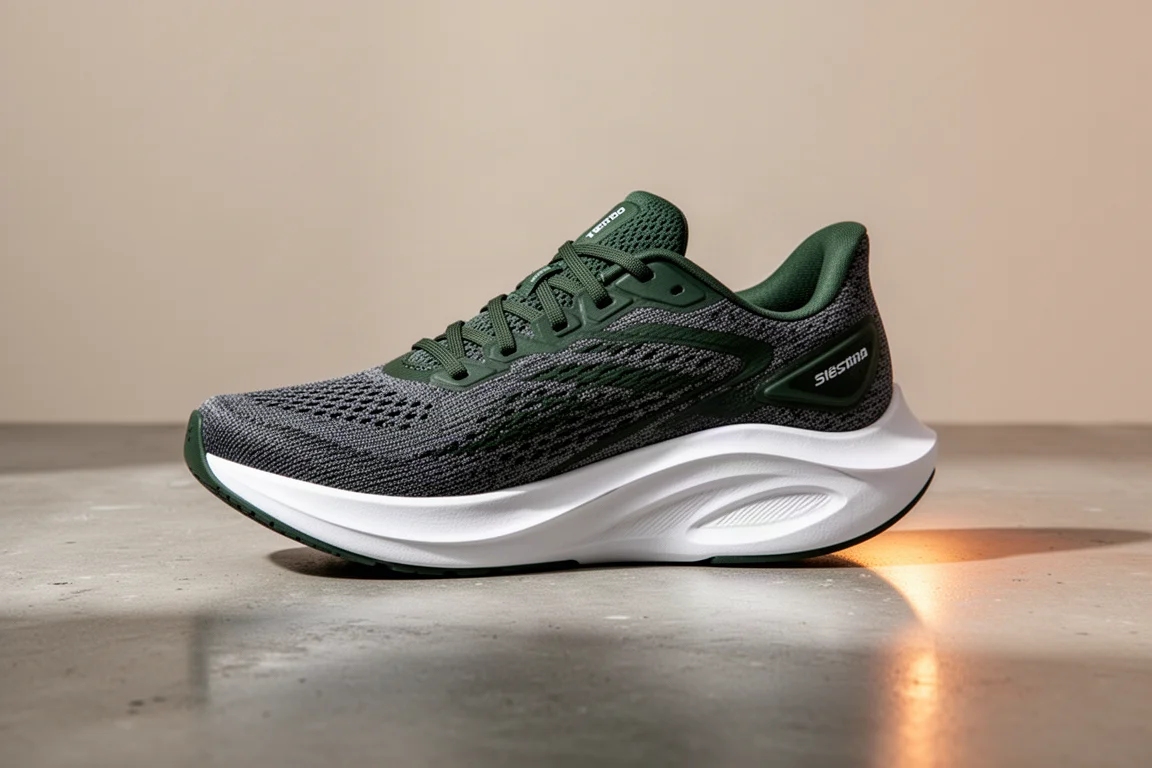
The SC Trainer V2 is a smooth-rolling plated trainer built around New Balance’s FuelCell foam, a blend of supercritical TPU and EVA, and a carbon fiber plate. With a 40mm heel stack and a weight in the 9-ounce range, it sits taller and slightly heavier than most shoes in this segment. Where the first version leaned toward recovery-run duty, the V2 has far more pop while keeping the comfort of a max-cushion shoe.
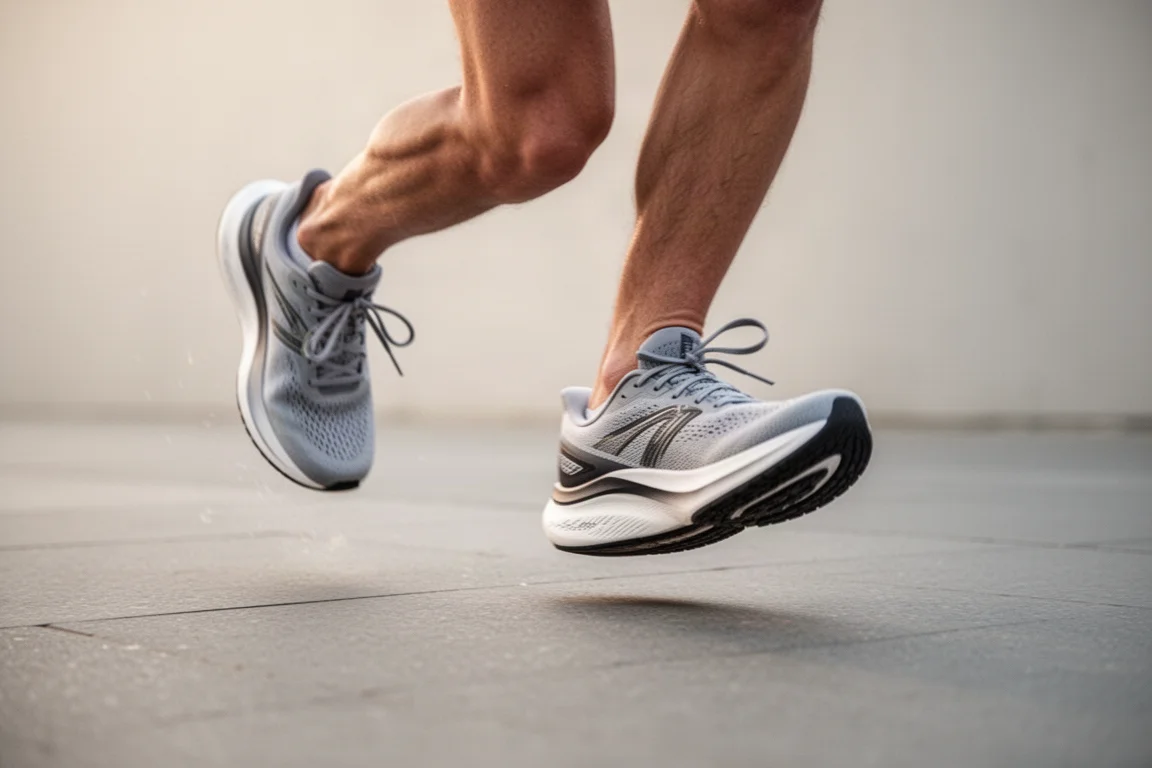
The ride feels more relaxed than its bouncy credentials suggest. The bigger stack of FuelCell gives genuine impact protection, and the carbon plate adds snap without making the shoe harsh. It handles marathon-pace work comfortably, and long runs up to nearly three hours have shown no bottoming out at all. It is also a far more generous fit up front, making it the clear pick for wider feet.
Saucony Endorphin Speed 3
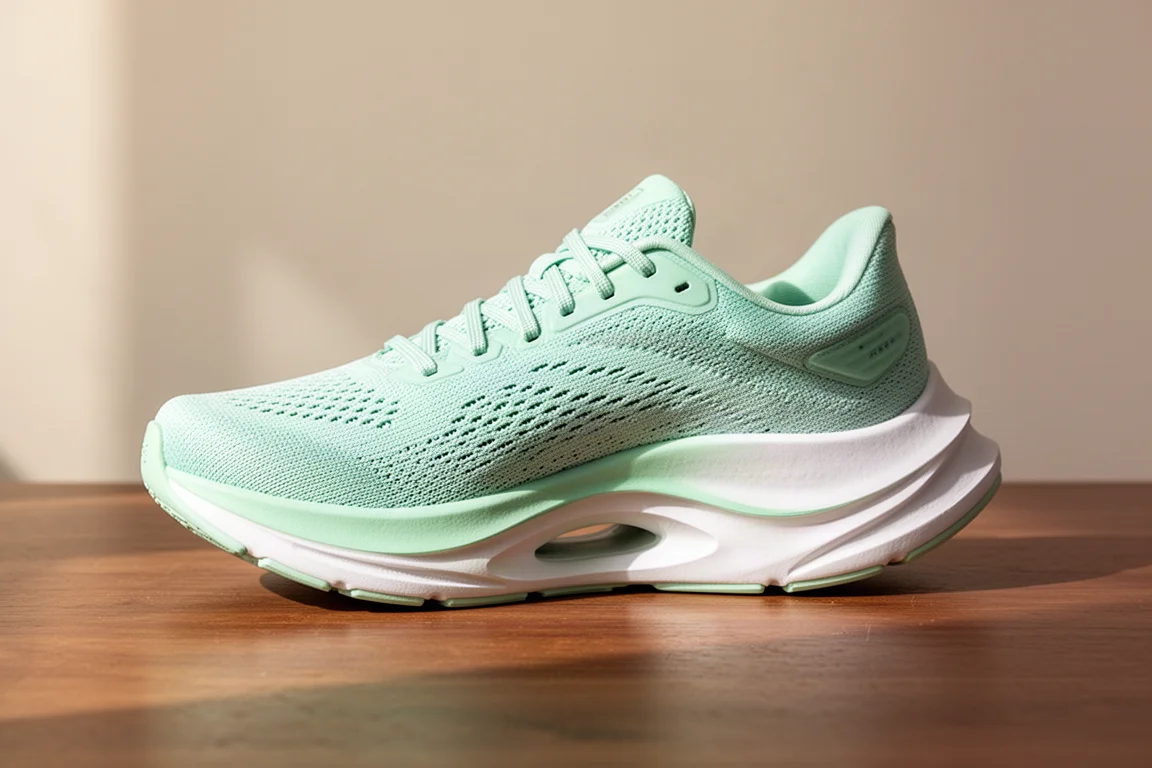
The Endorphin Speed 3 is the shoe that helped define the plated trainer category. Its PWRRUN PB midsole is a beaded peba foam that feels soft, bouncy, and quick even at slower paces, paired with a flexible winged nylon plate that adds a touch of stability through corners. The third version widened the platform slightly, trading a little of the original dart-like character for broader mainstream appeal.
The ride is lively to the point of being almost pushy: whatever pace you run, the shoe feels like it wants you to turn over faster. That makes it a genuinely fun daily trainer and a capable workout partner, especially for lighter, more efficient runners. The trade-off is resilience: the foam can feel dead by the end of two-hour long runs and does not rebound quickly between sessions.
Midsole and Ride
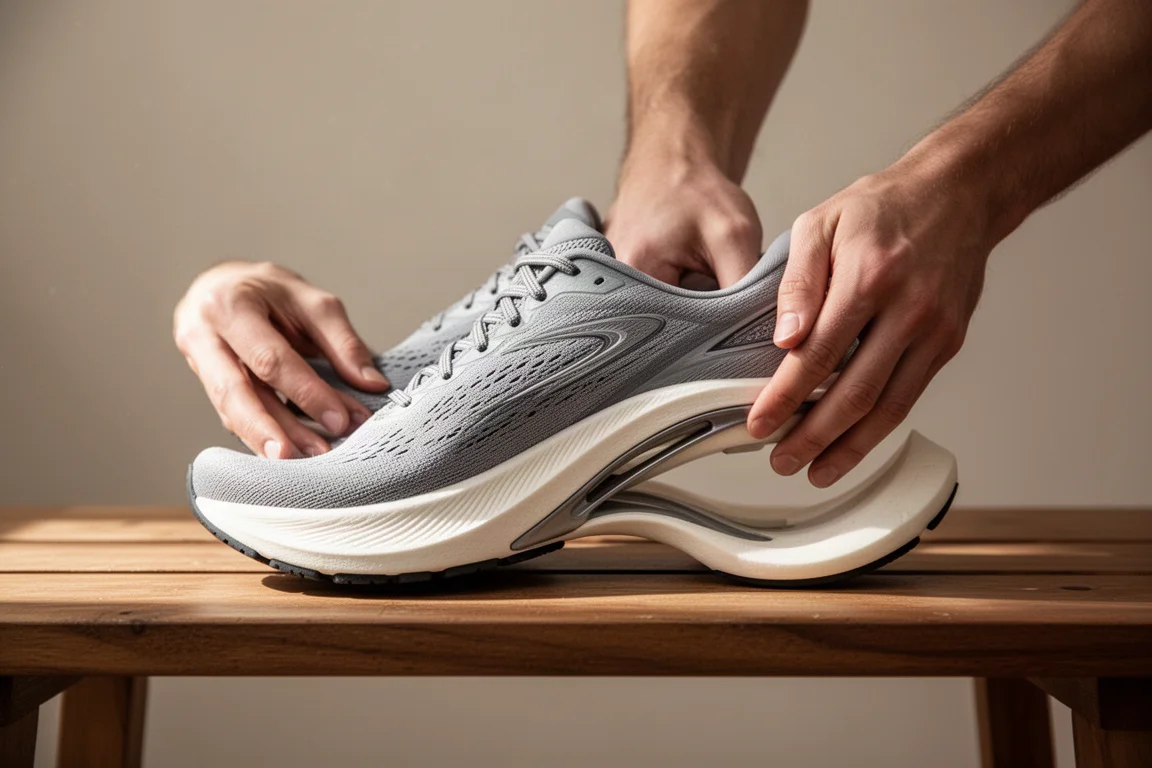
Both shoes use their brand’s racing foam, but the characters diverge quickly. The Endorphin Speed 3’s peba-based foam offers the highest energy return in the category and stays fun even on easy days, while the plastic plate keeps things flexible. In a simple bend test, the Speed 3 can nearly fold in on itself; the SC Trainer V2, with its carbon plate, resists that flex noticeably and delivers a firmer, snappier platform.
The SC Trainer V2’s taller FuelCell stack cushions the firmer plate well, so it never feels harsh, and it has been taken down to 6:20 pace in alternating-mile workouts without complaint. The Speed 3 can handle faster work too, but it lacks the bite some runners want for true speed sessions. Neither shoe is the first pick for 5K or threshold work; a firmer option like the Adidas Boston 12 fills that role better.
Upper, Fit, and Lockdown
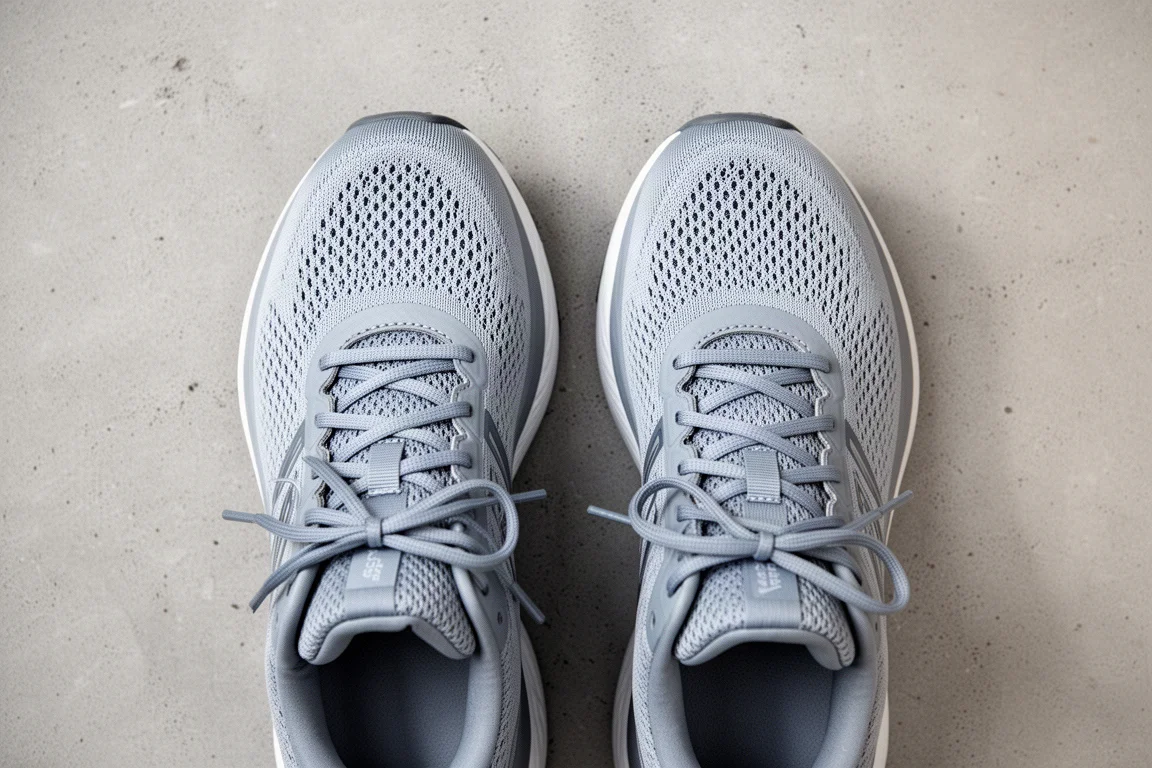
This is where the shoes split sharply. The Endorphin Speed 3 has one of the best lockdowns in any training shoe: stretchy, lightweight, breathable material with laces that offer just enough give to avoid lace bite at any tightness. The downside is a narrow fit that caused real pinching at the pinky toe for one tester over 300 miles.
The SC Trainer V2’s upper is its weakest area. It feels less premium than the price suggests, is not especially breathable, and the laces lack stretch. Functionally it causes no problems on the run, and the roomier forefoot and midfoot make it a far better choice for wide-footed runners. Lockdown goes to the Speed 3; comfort and fit go to the SC Trainer V2.
Outsole and Durability
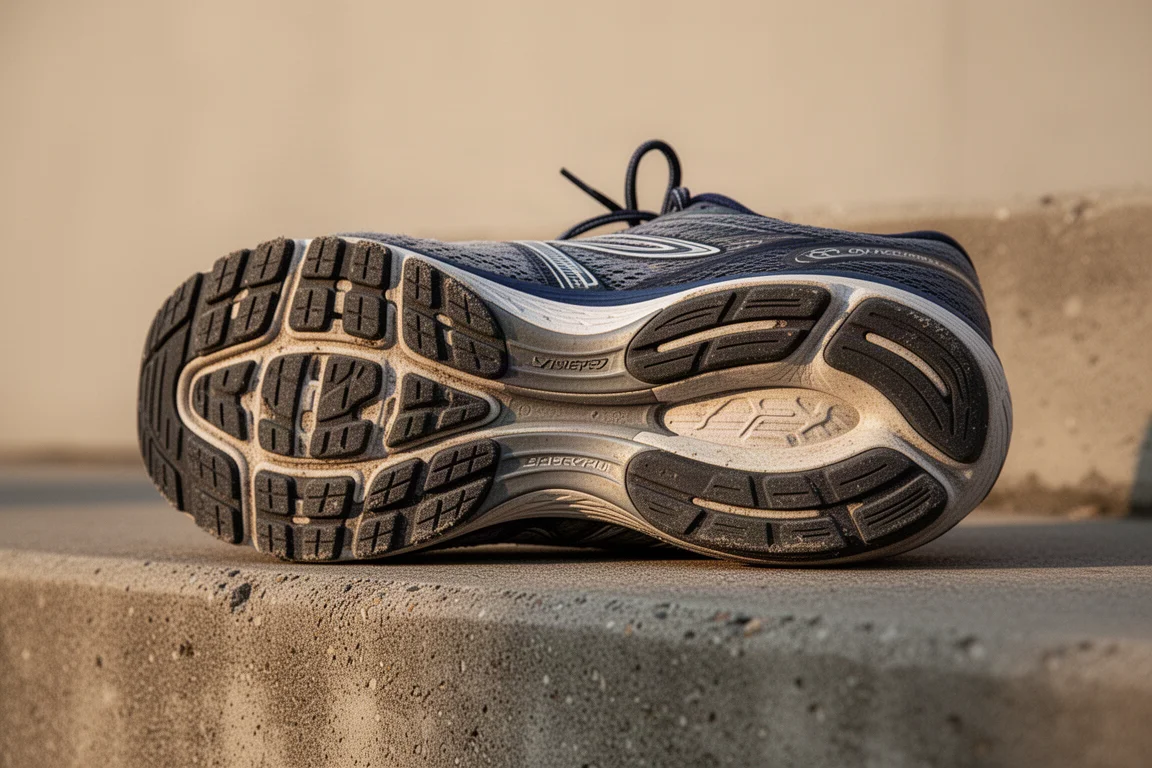
Neither shoe is a durability champion. The Endorphin Speed 3 shows rubber wear in the 250 to 350 mile range for most runners, and the foam itself lost its bounce around 270 miles across two test pairs, with visible degradation appearing by 300 miles. Lighter, more efficient runners may stretch that further.
The SC Trainer V2 shows early rubber texture wear in its first 50 to 70 miles, then that wear tends to plateau. Expect it to comfortably reach around 250 miles, with some uncertainty beyond 300. The carbon plate structure should help it hold its ride quality longer than the Speed 3, where the foam losing life takes the balance of the shoe with it. If maximum durability is the priority, neither is the answer.
Which Should You Buy?
The decision comes down to your build and your typical runs. Bigger or more powerful runners, wide-footed runners, and anyone prioritizing long runs and steady paces will be far happier in the SC Trainer V2. Lighter, efficient runners who want a fun everyday shoe that can double as a speed workout partner will love the Endorphin Speed 3, especially for shorter and faster efforts.
On price, the two sit close at MSRP: $180 for the SC Trainer V2 versus $170 for the Endorphin Speed 3, though the SC Trainer V2 has been available at significant discounts directly from New Balance, which changes the math considerably if you catch a sale.
Conclusion
The SC Trainer V2 is the more comfortable, more protective plated trainer that shines on long runs and steady days, while the Endorphin Speed 3 remains the livelier, better-fitting option for lighter runners who want speed in their daily miles. Matching the shoe to your body and your runs is what turns a good purchase into a great one.
Further reading
Related Reviews

Running Shoes
Best Road-to-Trail Running Shoes: Three Versatile Options for Mixed Terrain
A practical guide to three road-to-trail running shoes that handle both pavement and mild trails, with clear strengths and trade-offs for different runner types.

Running Shoes
Best Running Shoes for Achilles Tendonitis: Three Options Explained
Three running shoes with different heel drops and support features designed to help reduce Achilles tendon pain during walking and running.

Running Shoes
Best Running Shoes for Women: Five Top Choices Ranked
A ranked guide to five women's running shoes, from versatile daily trainers to high-performance racing options, with real strengths and trade-offs for each.