Running Shoes
New Balance SC Trainer V2 vs Adidas Boston 12: Which Plated Trainer Fits Your Running?
Two plated training shoes with very different characters: soft and relaxed versus fast and firm. Here is how they compare on midsole, ride, fit, and durability.
Introduction
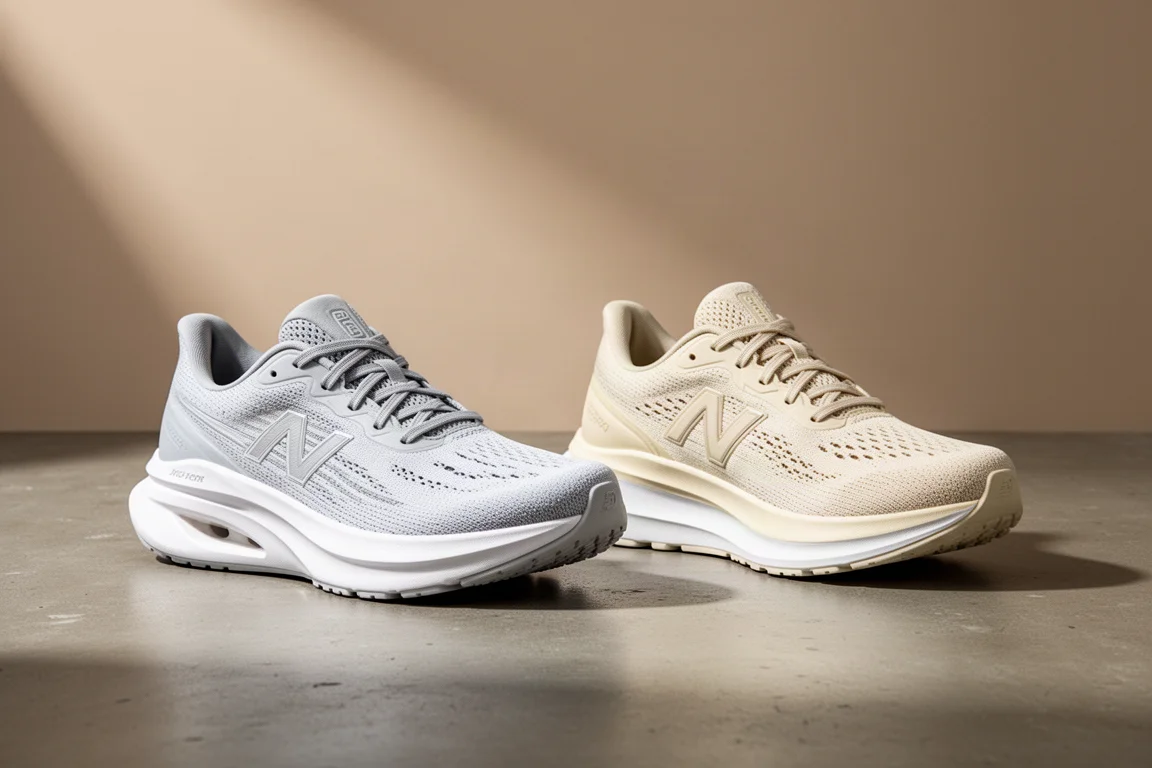
Plated training shoes occupy an interesting middle ground: more cushioning and structure than a daily trainer, more forgiving than a full race shoe. Two options stand out for very different reasons. The New Balance SC Trainer V2 has a relaxed, soft, easygoing character, while the Adidas Boston 12 slots in as a fast, snappy workout shoe. This comparison covers the midsole, upper, ride experience, durability, and long-run performance, so you can match the right shoe to your training, goals, and preferences.
Quick Overview
The SC Trainer V2 is New Balance’s plated training shoe. It uses a full stack of FuelCell foam, a supercritical TPU and EVA blend, plus a full-length carbon fiber plate in the midsole. It comes in around the 9 oz range and retails for $180 US, though sale pricing around $140 has been available.
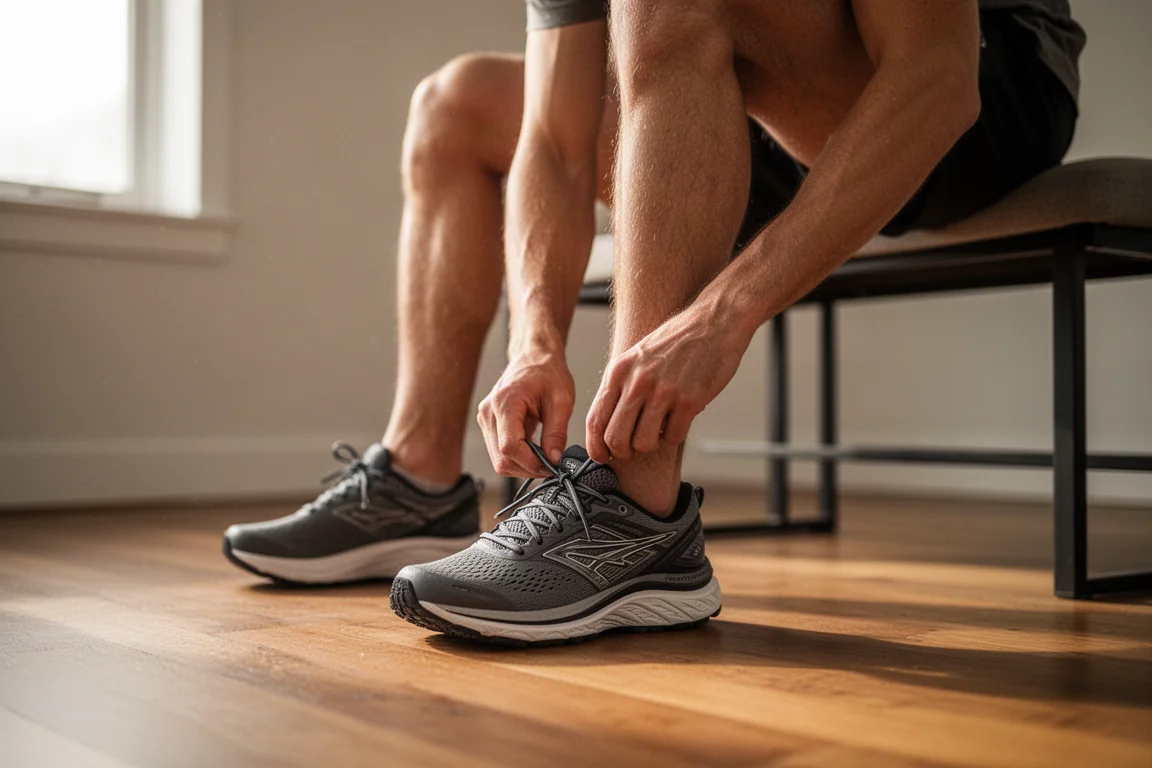
The Boston 12 also sits in the 9 oz range, so the two are closely matched on weight. The key difference is the midsole construction: a dual foam setup with firmer standard EVA (Lightstrike 2.0) on the bottom and softer supercritical TPU (Lightstrike Pro) on top. Instead of a full-length carbon plate, the Boston 12 uses glass fiber energy rods that add rigidity and structure while keeping a slightly more natural, flexible feel. It retails for $160, though sale pricing near $110 has appeared, and Adidas cycles through colorways quickly, so deals in that range tend to return.
Midsole: The Biggest Point of Difference
Because the SC Trainer V2 uses a 100% bed of FuelCell foam, it has a much softer character underfoot than the Boston 12. Step-in comfort is excellent, so much so that some runners use it as a commuter shoe.
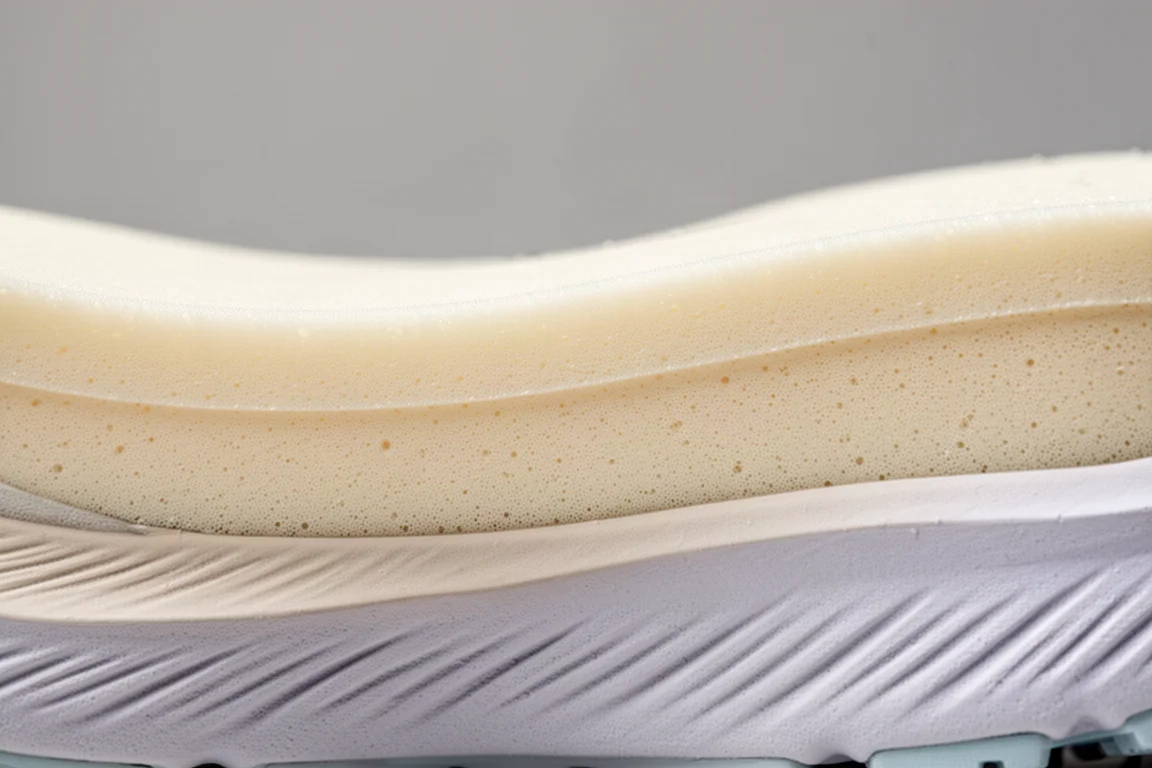
The Boston 12, with its Lightstrike 2.0 base and Lightstrike Pro top layer, is noticeably firmer and actually requires break-in. Expect around 50 to 70 miles before it starts singing. That is a real trade-off: less out-of-the-box comfort in exchange for more long-term durability from the firmer foam.
Both shoes carry a plate or plate-like structure, but they behave differently. The Boston 12’s energy rods allow a bit more twist and lateral movement, which helps with cornering, especially for forefoot strikers. The SC Trainer V2’s carbon plate makes the platform far stiffer and harder to flex. The Boston 12’s stack also runs a little lower, though both forefoot stacks feel good; you mainly notice a more cushioned heel from the SC Trainer V2’s 40 mm stack.
Ride Experience
The SC Trainer V2 is much softer and more forgiving, while the Boston 12 delivers a faster, snappier ride. The SC Trainer V2’s plate is not there to push you to run fast; it just adds a bit of energy return for slower days, and heel strikers get a nice roll forward from the rocker and a trampoline-like pop off at toe-off.
The Boston 12 rewards effort. You need to put force into it to get the most out of it, ideally at marathon pace or faster on the forefoot. At those paces, the Lightstrike Pro really sings. Pushed at speed, the SC Trainer V2 does the job but has a slight swimming-in-foam feeling. In real-world testing, a 20-mile long run with marathon pace miles handled remarkably well in the SC Trainer V2, but a 13-mile tempo at around marathon pace showed the Boston 12 taking the cake for faster running.
Neither shoe offers much ground feel, which is typical of the plated trainer category. Both protect your joints well and leave your legs feeling relatively fresh after a run.
Fit and Upper
The SC Trainer V2’s upper is underwhelming: relatively breathable but nothing stands out, and it can feel a bit cheap for an $180 shoe. The fit is forgiving, comfortable, and true to size, with no heel slipping issues and good padding around the heel collar. Wide-footed runners can likely get away with the standard width.
The Boston 12 uses a starchier, stiffer material that feels well-built and durable, and it is one of the easiest uppers to clean: rinsed with plain water after mud and downpours, it still looks nearly new at 250 miles. The heel collar has minimal padding, which caused some heel lockdown issues in early runs, so a cushioned sock and careful lacing help. The laces can come untied on rainy days, and swapping in a softer aftermarket pair is a reasonable fix. The toe box runs a bit long, so half sizing down may work, and the midfoot is slightly narrow but not extreme.
Outsole and Durability
This one is a no contest. The Boston 12’s outsole is superior in every way: more rubber coverage front and back, Continental rubber rather than standard rubber, insane durability, and excellent traction that has held up through plenty of rain storms. At 250 miles, the Boston 12 looks similar to the SC Trainer V2 at 70 miles, with only minor texture wear.
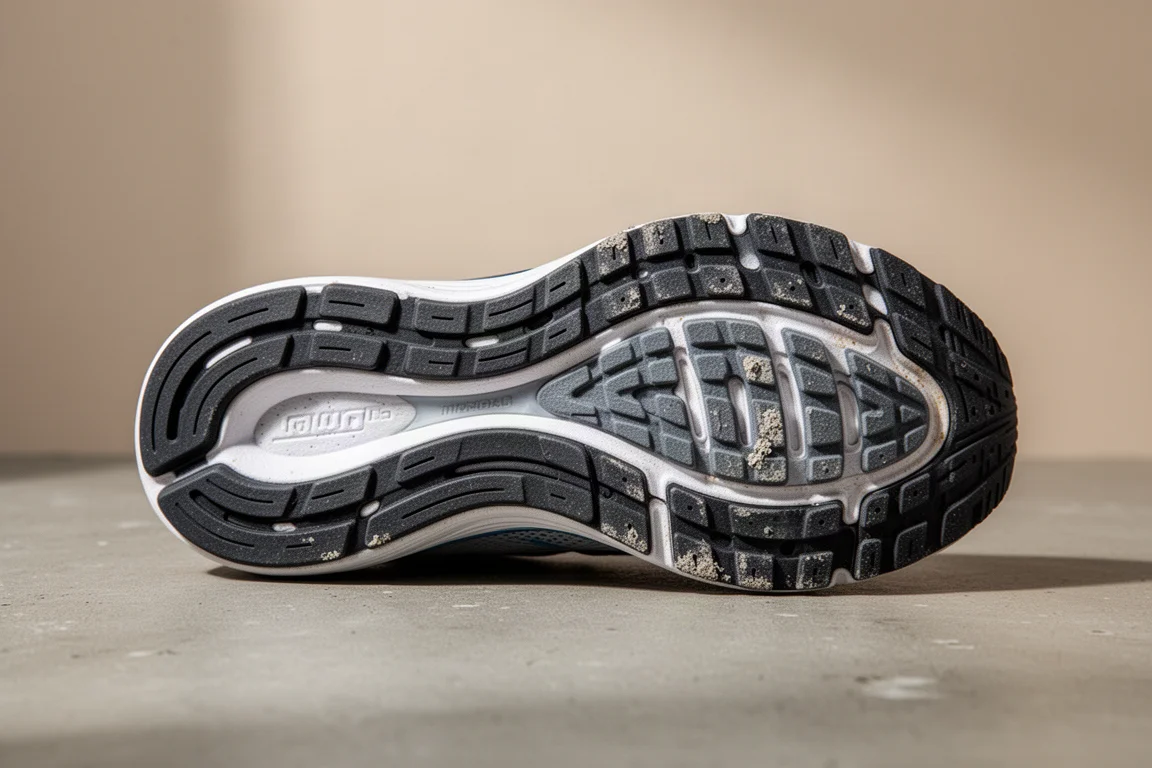
At around 70 miles, the SC Trainer V2 has already worn flat in places with some foam degradation on the inside edge. That said, the FuelCell foam has not felt like it is breaking down in performance, and experience with the same foam in other New Balance models suggests it holds up well, so a longer-term update is needed before drawing conclusions.
The Boston 12 just keeps getting better with mileage, softening and breaking in over time, and it is a strong candidate to reach the 400-mile mark. It earns the crown as the most durable marathon training shoe around.
Who Each Shoe Is Best For
If you want to push the pace, you are training for a marathon, and you want something fast but protective, the Boston 12 is the pick. It is a true marathon training shoe designed for pushing pace over distance, ideal for half-marathon, marathon, and 10K pace workouts, mile repeats and longer, and long runs with fast finishes. Shorter efforts like 400s and 800s work too, though there are better options for those. Hard-charging runners with lower cadence who put a lot of power into the foam will get the most out of it, as will forefoot strikers. Heel strikers running slow may find it blocky.
The SC Trainer V2 suits relaxed, longer efforts: marathon training base runs and long runs where comfort matters but you still want a little pep. It handles some pace pick-ups, and lighter, more efficient runners may even use it as a workout shoe. Heel strikers get a much softer landing and a gentle rolling ride, more cushioned than something like the Saucony Endorphin Speed 3.
Priced $20 apart, the Boston 12 represents strong value in the marathon training segment if you appreciate a firmer ride and are willing to break it in. If you want comfort out of the box and a softer ride, the SC Trainer V2 justifies its premium. Honestly, the two work particularly well as a pairing: fast and aggressive for the Boston 12, relaxed and comfortable for the SC Trainer V2.
Conclusion
These are two of the more interesting plated trainers on the market, and the right choice comes down entirely to how you run. Choose the Adidas Boston 12 if you train for marathons, run fast workouts, and value durability and a snappy, responsive ride you can grow into. Choose the New Balance SC Trainer V2 if you want a softer, more relaxed plated trainer that feels great from the first mile and excels on long, comfortable efforts.
Product link
View more details for New Balance SC Trainer V2
This product is mentioned in the review. Check the specifications, options, and compatibility before buying.
View more details for New Balance SC Trainer V2Further reading
Related Reviews

Running Shoes
Best Road-to-Trail Running Shoes: Three Versatile Options for Mixed Terrain
A practical guide to three road-to-trail running shoes that handle both pavement and mild trails, with clear strengths and trade-offs for different runner types.

Running Shoes
Best Running Shoes for Achilles Tendonitis: Three Options Explained
Three running shoes with different heel drops and support features designed to help reduce Achilles tendon pain during walking and running.

Running Shoes
Best Running Shoes for Women: Five Top Choices Ranked
A ranked guide to five women's running shoes, from versatile daily trainers to high-performance racing options, with real strengths and trade-offs for each.