Running Shoes
New Balance SC Trainer V2 Review: A Soft, Forgiving Plated Trainer for High-Mileage Weeks
After multiple 20-mile runs and a treadmill session, here is how the SC Trainer V2 fits into a marathon training rotation, and who it suits best.
Introduction
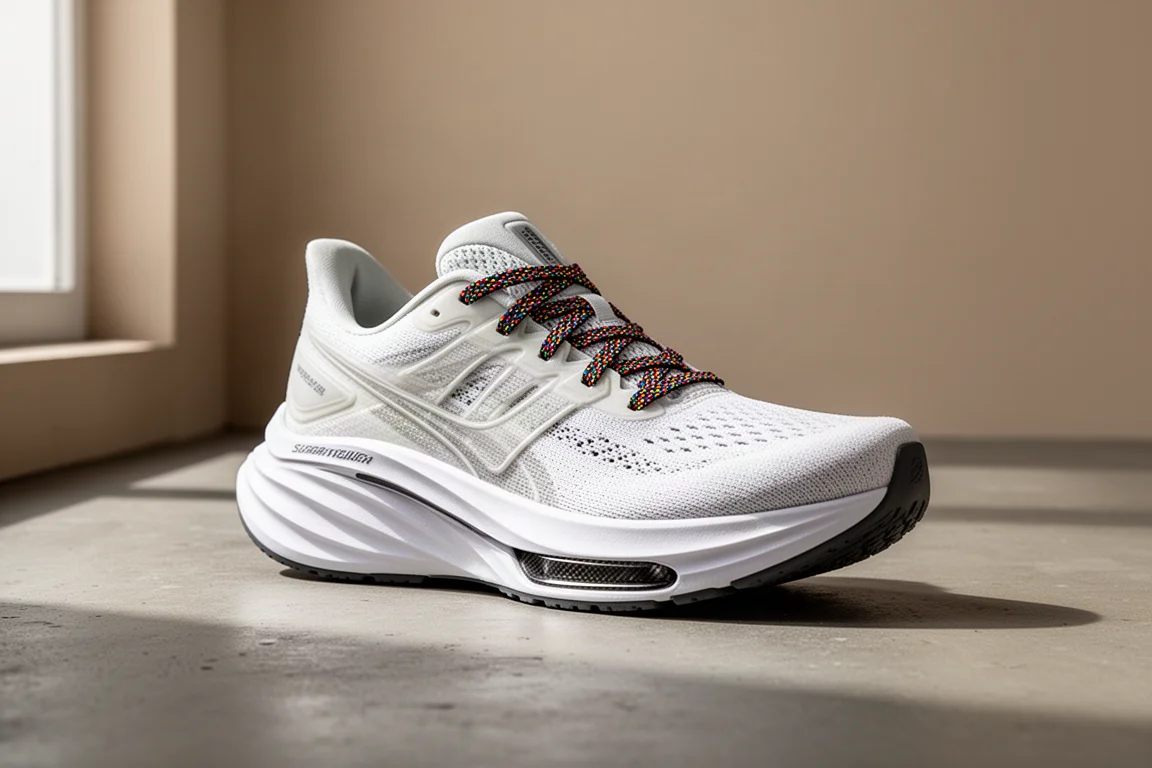
Some shoes demand attention with race-day bravado. The New Balance SC Trainer V2 takes a quieter route: it is built to absorb the grind of a marathon build, and after a stretch of high-volume training that included multiple 20-mile runs, it has become one of the more comfortable plated trainers for exactly that purpose.
This is the second version of the SC Trainer, and the changes are meaningful. The original was an overly chunky shoe with a stack over 40mm at the heel, and it never really came together as a package. The V2 drops to a 40mm stack, slims the whole experience down, and lands at around nine ounces, roughly in line with plated trainers like the Adidas Boston 12.
One thing to know up front: the price sits at $180, above the Boston 12 and the Saucony Endorphin Speed 3. It has also been seen on sale for around $140, which is a much easier place to start if you are curious about it.
Who This Shoe Is For
The SC Trainer V2 is best for runners who want a soft, cushioned plated trainer to carry them through longer miles. If you are building toward a half marathon or a marathon and want something that makes executing big mileage weeks a little easier, this shoe fits that brief well.
It is an especially strong recommendation for runners newer to half marathon or marathon training. Compared with something like the Saucony Endorphin Speed 3, it is slower but noticeably more cushioned, and it is far more forgiving and easier to run in than most plated trainers. If your priority is a plated shoe for fast marathon-pace work, the Boston 12 is the better tool. If you want a do-it-all shoe that leans toward faster, shorter efforts, the Endorphin Speed 3 is. But if you want maximum comfort across a range of distances, leaning toward the slower side, this is the one.
Midsole and Plate
The midsole uses New Balance’s FuelCell compound, in this generation a supercritical TPU and EVA blend rather than a PEBA. That means a bit less energy return than a PEBA-based shoe, but in practice the foam feels soft and bouncy, great at soaking up impact while still offering a little extra pop when you want to pick things up.
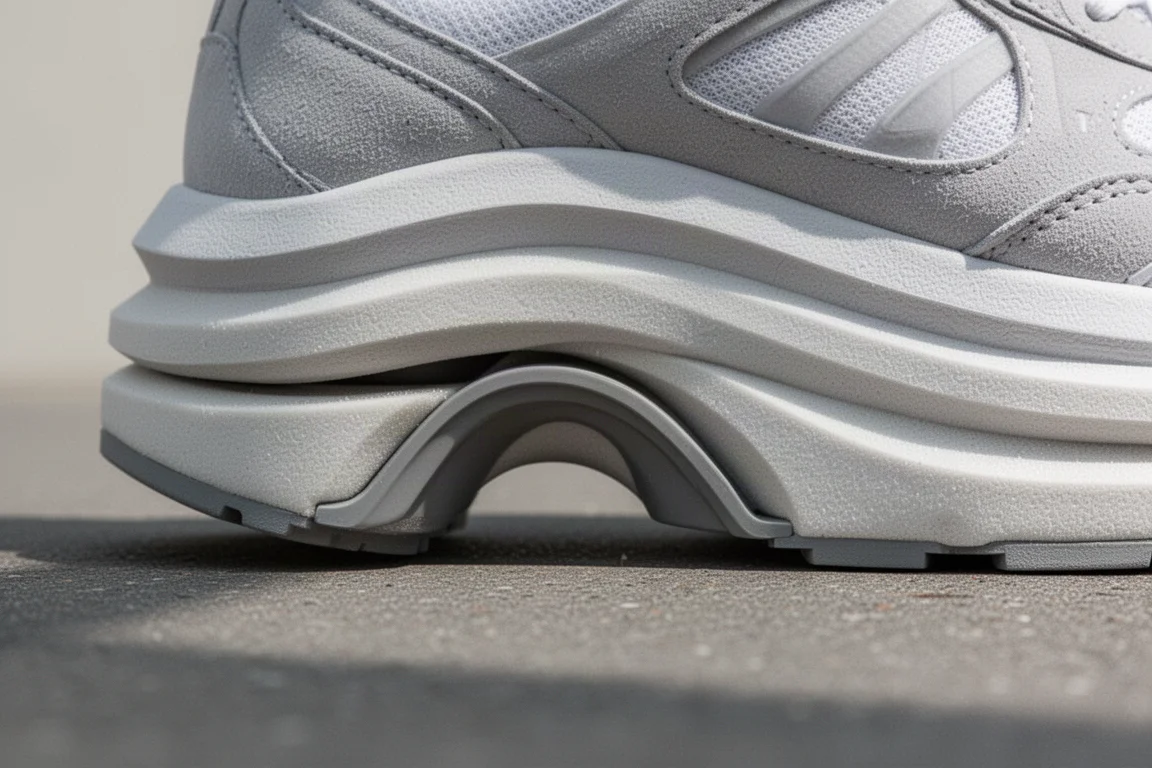
Beneath the foam sits New Balance’s Energy Arc system with a carbon fiber plate. The plate stabilizes the very soft, very tall stack of FuelCell foam; a 40mm stack of foam this squishy would be unmanageable without it. The Energy Arc cutout near the heel spreads your weight at landing and saves some weight.
One quirk worth noting: pressing along the side of the shoe, you can actually feel the plate through the midsole, and as a heel striker there were moments on the run where the plate was noticeable under the heel.
Ride and Performance
The ride was the biggest surprise here. On the very first run, after a week of easy miles on dead legs, the shoe felt bouncy and almost trampoline-like underfoot. That first impression stuck: this is the shoe for the days when you are not feeling it and need a little extra pop, whether the run is short or long.
Across multiple 20-mile runs, the experience stayed comfortable. Compared with the Boston 12, it is much softer and more cushioned for long runs, and on long runs without pace work it does not push you to run faster than you should. When pace pickups are on the menu, it handles them okay, but it is not the first choice for genuine speed days. Rotations that already include a Boston 12 or a true racing shoe will find better options there.
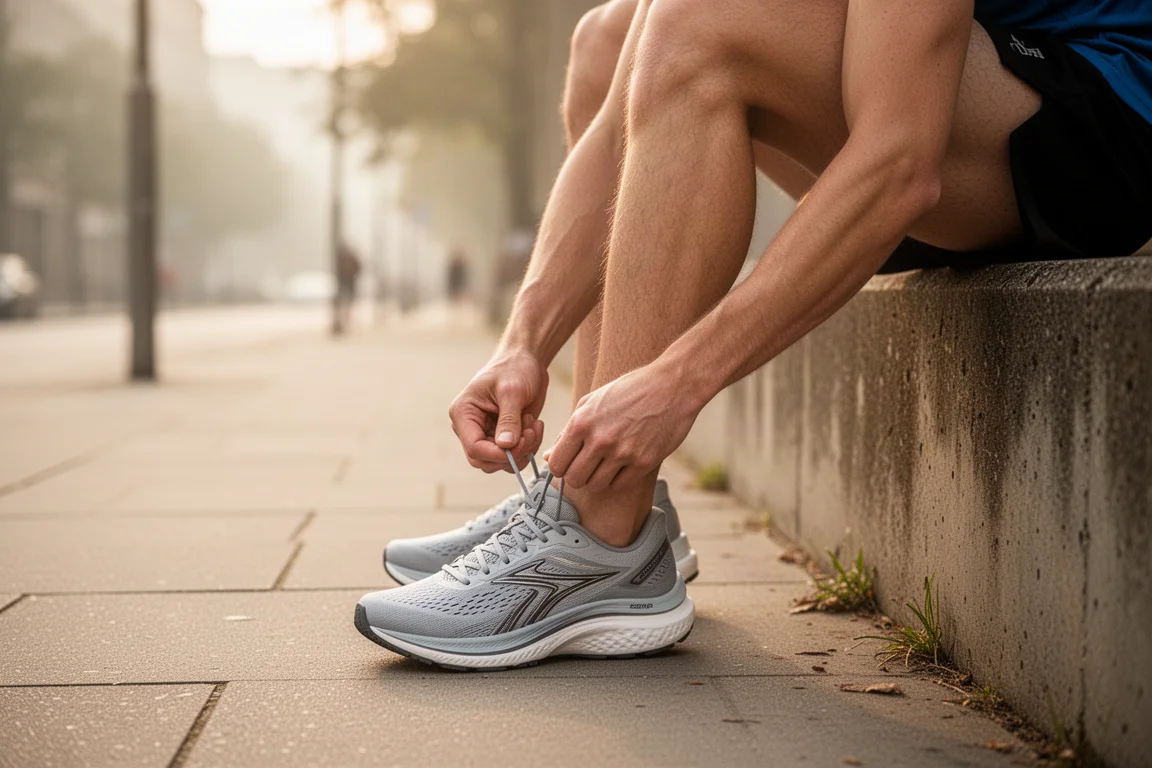
Where this shoe really earns its place is how easy it is to run in. Thanks to the big stack of FuelCell, the plate, and a pronounced rocker, it glides along comfortably at nearly any pace, from easy jogging up to marathon-style efforts. That is a contrast to shoes like the Boston 12 or the AlphaFly 3, which only feel their best when you are pushing.
Stability and Fit Feel
Stability is decent but not overpronator territory. There is a slight overhang of foam at the heel and a reasonably wide base, so heel strikers used to this kind of platform will find it inherently stable at landing.
The upper is the weak point. It is neither a light race-day fit nor a plush, sock-like trainer upper like the New Balance 1080 v13. Lockdown is adequate but unremarkable, the material feels a touch scratchy, and the whole thing feels slightly cheap for an $180 shoe. On the left shoe, there was occasional foot slide early in runs that settled once warmed up. Fit runs true to size, and the gusseted tongue helps hold the foot in place.

On the treadmill, this one did not shine. The high stack felt too soft underfoot, and a firmer, lower-to-the-ground daily trainer is a better treadmill companion. On pavement and asphalt, though, all that cushioning between foot and ground is exactly what the shoe was designed for.
Durability and Outsole
Durability is the main trade-off. After roughly 50 miles, the outsole rubber on the lateral area is already worn flat and the foam is showing some degradation. Softer foams also tend to lose their cushioned, protective character sooner. Reaching a 400-mile target with this shoe looks unlikely; getting to 300 miles will be a good outcome.
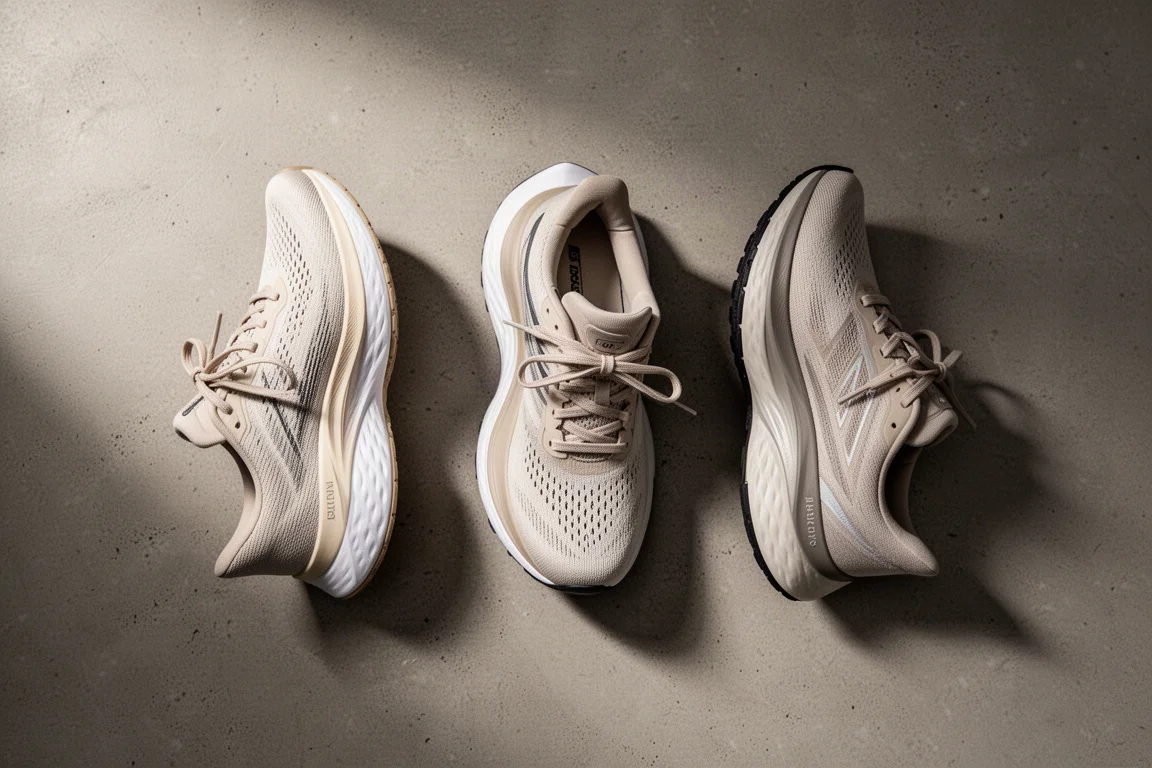
That said, the rubber itself performs fine on mixed surfaces, including muddy and slick patches. It is believed to use the same compound as the New Balance Rebel, which is okay in the rain, though not in the same grip class as Adidas Continental rubber or Puma’s grip compound. The comfort-for-durability trade is worth remembering here: the Boston 12, with its firmer, more structured build and a 50 to 70 mile break-in period, should hold up considerably better.
Buying Advice
At $180 the SC Trainer V2 is a hard sell against the $160 Boston 12 and $170 Endorphin Speed 3, especially with the upper quality and outsole wear in question. Around $140 on sale, the math changes considerably: at that price it competes with solid daily trainers and brings plated, max-cushion comfort into the bargain.
Buy it if you want a comfortable, easy-going plated shoe for long runs and high-volume easy days. Skip it if you want a fast workout tool, a treadmill shoe, or maximum durability.
Conclusion
The SC Trainer V2 fixes most of what sank the original and settles into a clear identity: the softest, most forgiving shoe in the plated trainer class. It will not out-pace a Boston 12 or an Endorphin Speed 3, and the outsole will not win any longevity awards, but for runners stacking up long miles during a marathon build, it is one of the most comfortable ways to get the work done.
Product link
View more details for New Balance SC Trainer V2
This product is mentioned in the review. Check the specifications, options, and compatibility before buying.
View more details for New Balance SC Trainer V2Further reading
Related Reviews

Running Shoes
Best Road-to-Trail Running Shoes: Three Versatile Options for Mixed Terrain
A practical guide to three road-to-trail running shoes that handle both pavement and mild trails, with clear strengths and trade-offs for different runner types.

Running Shoes
Best Running Shoes for Achilles Tendonitis: Three Options Explained
Three running shoes with different heel drops and support features designed to help reduce Achilles tendon pain during walking and running.

Running Shoes
Best Running Shoes for Women: Five Top Choices Ranked
A ranked guide to five women's running shoes, from versatile daily trainers to high-performance racing options, with real strengths and trade-offs for each.