Running Shoes
New Balance SC Trainer V2 Review: A Soft, Plated Trainer Worth Revisiting for Recovery Miles
After 100 miles and a 10-mile recovery run in the rain, the New Balance SC Trainer V2 still holds up as a comfortable, plated daily trainer with a few trade-offs to weigh.
Introduction
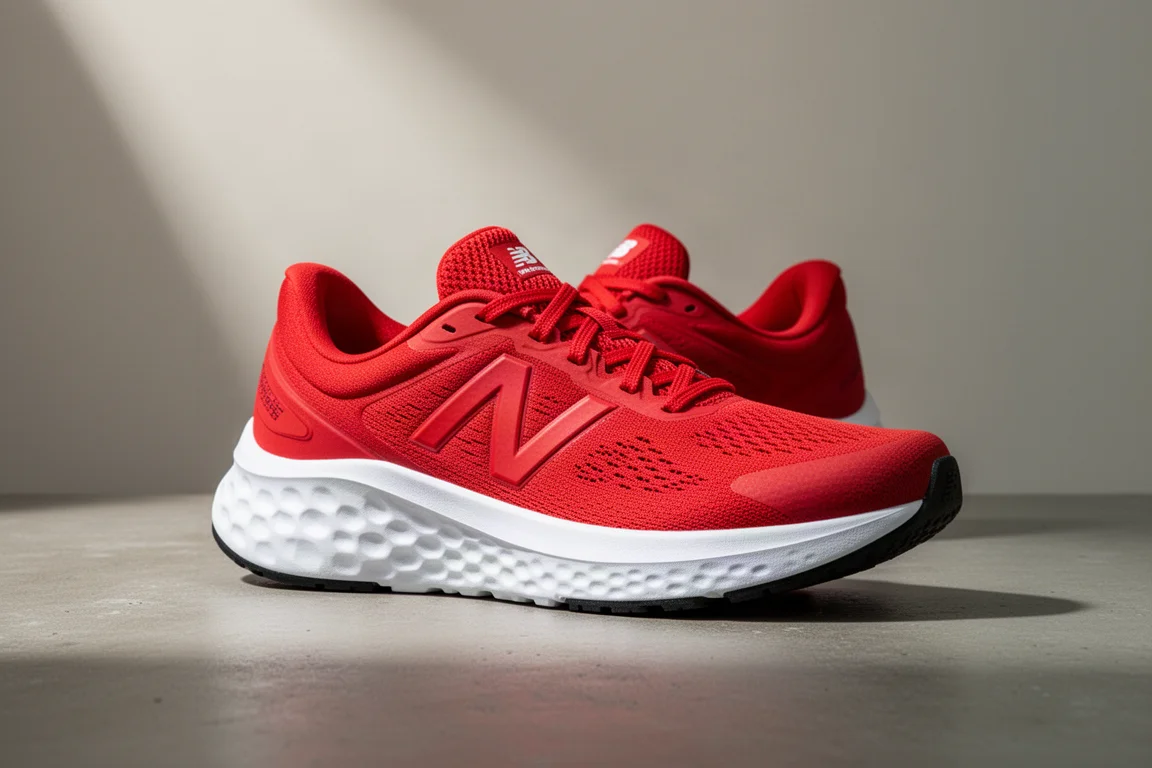
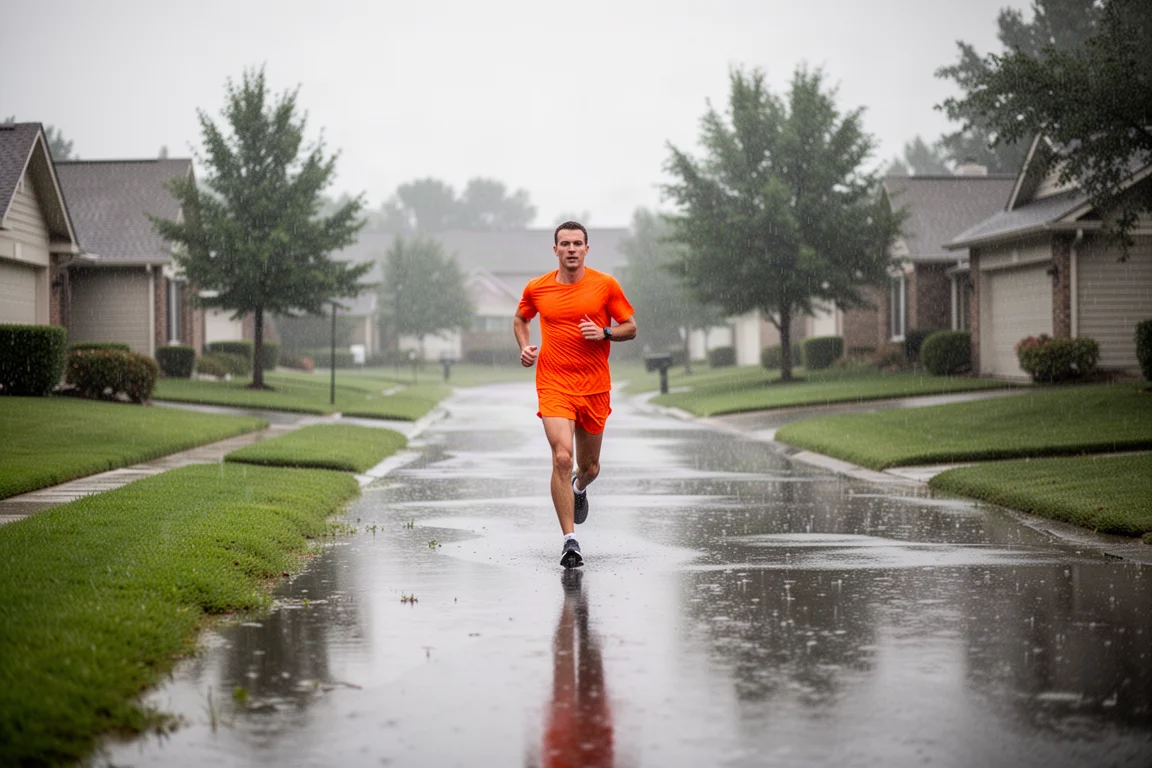
Some shoes earn a permanent spot in the rotation, then quietly drift out of it when newer options arrive. That is exactly what happened with the New Balance SC Trainer V2. After a stretch of testing newer soft plated trainers, it felt like the right moment to revisit this one with fresh miles and a fresh perspective, and a 10-mile recovery run in the rain was the perfect setting to find out whether it still competes.
The short answer: it does, with some caveats. This was a favorite for months, used for recovery days and long runs up to 20 miles, and even now at around 100 miles on the pair it delivers the same soft, bouncy underfoot feel that made it stand out in the first place. The fuller picture, though, is a shoe that has been edged slightly in this category by more recent releases, and understanding why matters if you are deciding whether to buy it today.
Who This Shoe Is For
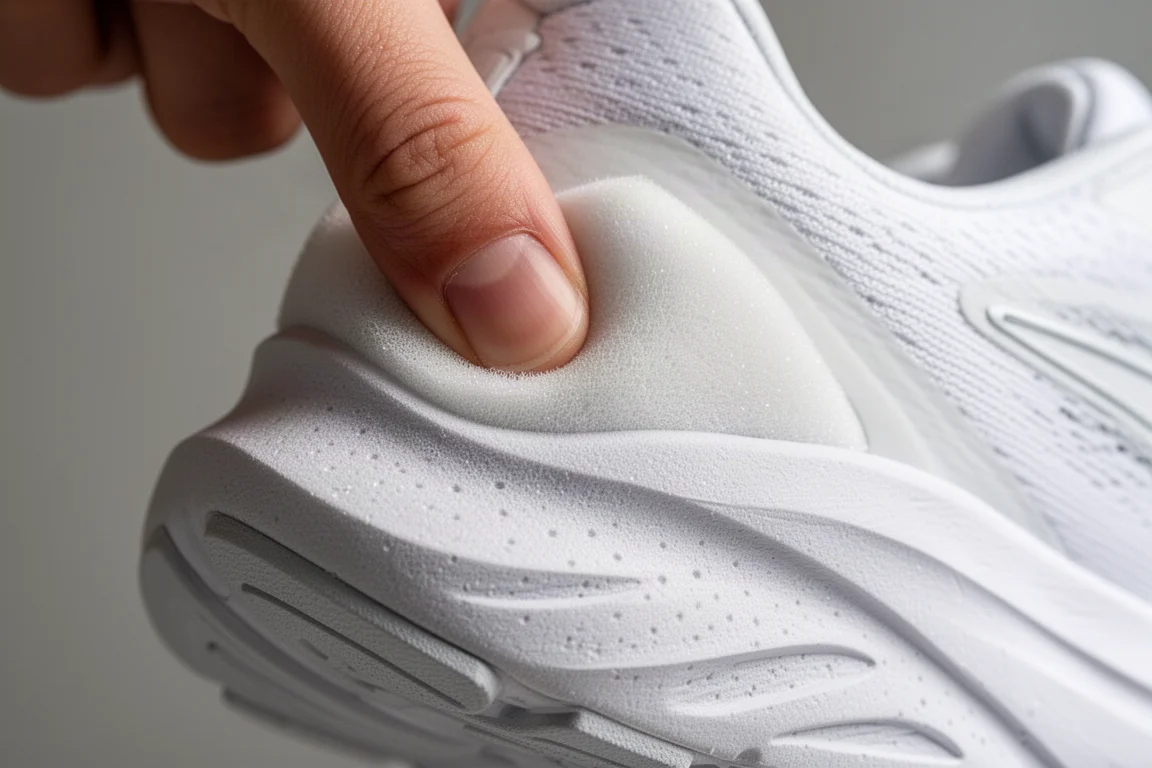
The SC Trainer V2 is a plated training shoe, but its personality leans toward comfort rather than speed. It sits alongside shoes like the Saucony Boston-style trainers in having a full-length carbon fiber plate, but the experience on foot is noticeably softer and more relaxed. The Fuel Cell foam is the key ingredient here: it is extremely soft, arguably one of the softest midsole foams around, and the plate exists largely to stabilize that much squish underfoot. Without it, the shoe would be far too unstable.
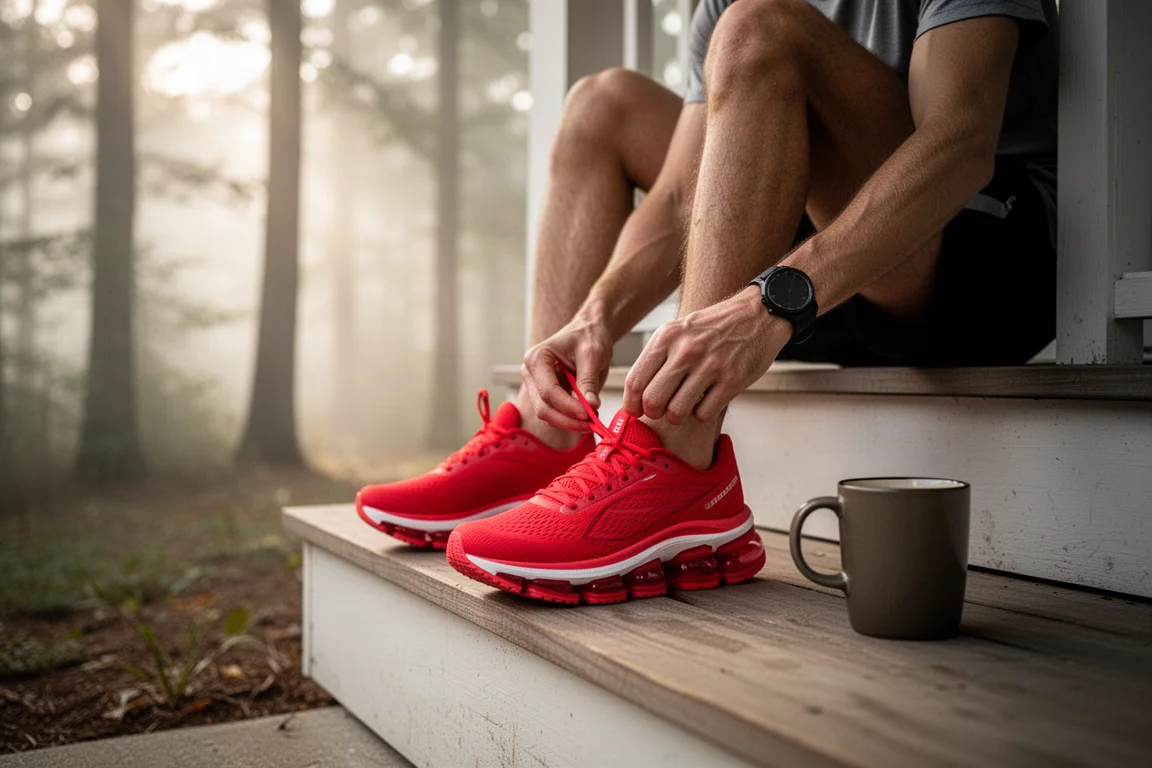
That makes this shoe best suited to runners who want maximum comfort for easy miles, recovery runs, and long efforts where time on feet matters more than pace. It also doubles as a genuinely comfortable shoe for walking around town or travel, which is rare in the plated trainer category.
Main Strengths
The underfoot comfort is the headline. The Fuel Cell foam provides a soft, bouncy ride with a pleasant rolling sensation, and the shoe remains comfortable enough that finishing a run feels like you could keep going for another hour or two. For recovery days and long runs, that is exactly what you want: a shoe that protects the legs while keeping the aerobic engine ticking over.
Stability is a consequence of the soft foam, and the carbon plate does real work here. Some plated shoes with firmer foams probably do not need their stabilizing elements, but this one genuinely relies on its plate. That trade-off is worth knowing going in: you get plushness at the expense of some firm-ground confidence.
The outsole grip is also solid. During a rainy 10-mile run it never produced any real concerns, which matters for a shoe likely to see plenty of easy mileage in mixed weather. The upper is decently comfortable as well, with a comfortable heel area and a reasonably wide toe box.
Things to Consider Before Buying
The softness is a double-edged sword. Some runners find the ride a touch too soft, and that is a fair criticism. If you prefer a firmer, snappier plated trainer, this will not be your shoe. It also occupies an awkward middle ground: it is lighter than its predecessor and looks speed-oriented on paper, but it does not deliver a genuinely fast ride. Runners expecting speed from the plate may find it slow and soft for their liking.
The upper is not perfect either. There is some bunching in the upper material around the lacing area, though in practice it caused no rubbing or lace bite. It is a minor flaw rather than a dealbreaker, but worth noting at this price.
How It Held Up at 100 Miles
This is where the picture gets interesting. After roughly 100 miles, the foam compresses noticeably and the initial pop and bounce fade somewhat, easing into a softer, more muted ride. One runner found the shoe more likeable after 20 miles precisely because the bounce settled down, so some of this softening may work in your favor depending on preference.
The shoe also finds itself in a more crowded market than when it launched. Newer soft plated trainers offer more balance, more comfort, and a more exciting ride, and they have taken over some of this shoe’s duties for long runs and recovery days. The SC Trainer V2 is no longer the automatic pick in its category, but it remains a good shoe: not as dynamic as the top soft plated options, not as light as dedicated speed trainers, but more fun than ordinary daily trainers and versatile enough for a wide range of easy running.
Buying Advice
At its $180 launch price, this is a harder sell in a market full of strong alternatives. As the price comes down toward the $140 to $145 range, it becomes a much better buy, and that is the sweet spot to watch for. If you want something comfortable, supportive, and soft for recovery days, easy miles, long runs, and even everyday wear, it still delivers.
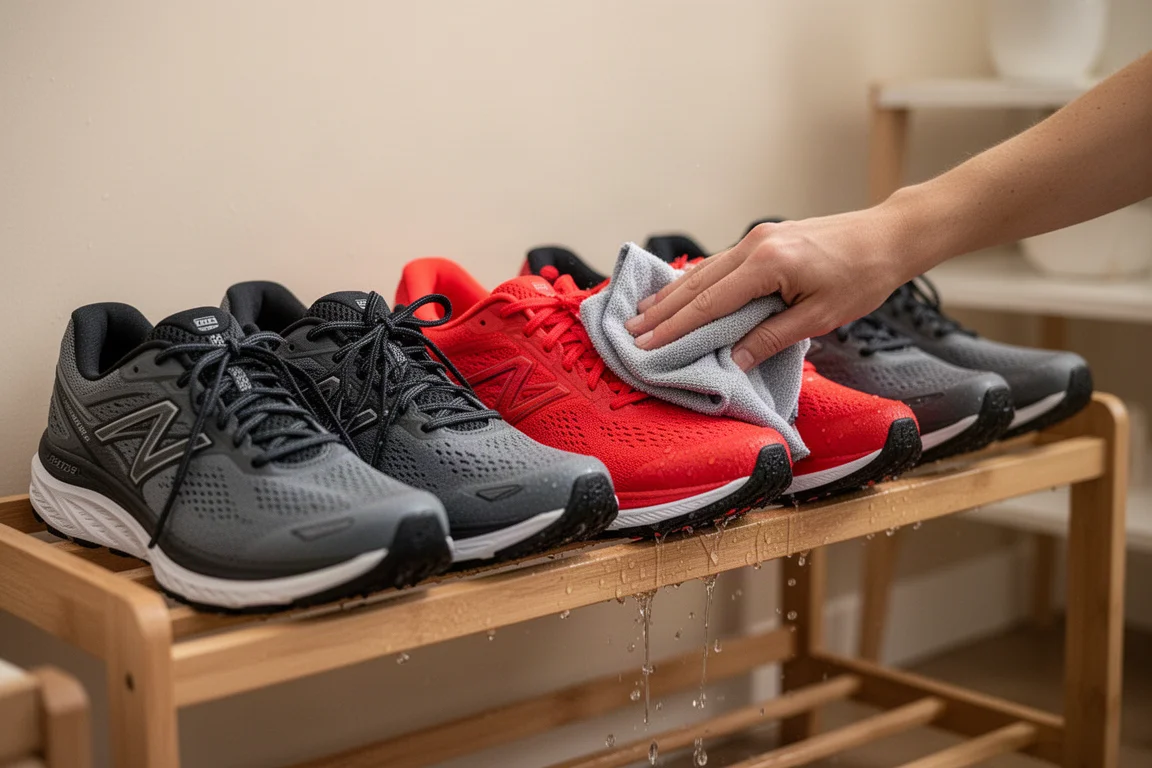
One practical note: ease into the shoe each run. It took about 30 minutes to feel fully settled on foot, which is not unusual, but expect a short warm-up period before the ride feels right. And if you do buy a pair, treat them well. A quick wipe-down after wet runs keeps the uppers looking and performing better for longer.
Conclusion
The New Balance SC Trainer V2 remains a competitive, comfortable plated trainer that excels at exactly the kind of running most of us do most often: easy, relaxed miles with an emphasis on comfort. It has been surpassed in pure excitement by newer soft plated shoes, and its softness will not suit everyone, but at a discount it is an easy recommendation for recovery days, long runs, and time on feet. If comfort is your priority and speed is not, this shoe still earns its place in the rotation.
Product link
View more details for New Balance SC Trainer V2
This product is mentioned in the review. Check the specifications, options, and compatibility before buying.
View more details for New Balance SC Trainer V2Further reading
Related Reviews

Running Shoes
Best Road-to-Trail Running Shoes: Three Versatile Options for Mixed Terrain
A practical guide to three road-to-trail running shoes that handle both pavement and mild trails, with clear strengths and trade-offs for different runner types.

Running Shoes
Best Running Shoes for Achilles Tendonitis: Three Options Explained
Three running shoes with different heel drops and support features designed to help reduce Achilles tendon pain during walking and running.

Running Shoes
Best Running Shoes for Women: Five Top Choices Ranked
A ranked guide to five women's running shoes, from versatile daily trainers to high-performance racing options, with real strengths and trade-offs for each.