Running Shoes
New Balance SC Rebel v1 vs SC Elite v6: Two Carbon-Plated Options, Two Very Different Missions
Both shoes share the InfiniCoil midsole and EnergyArc plate, but one is a lightweight snappy trainer-companion and the other a forgiving marathon racer.
Introduction
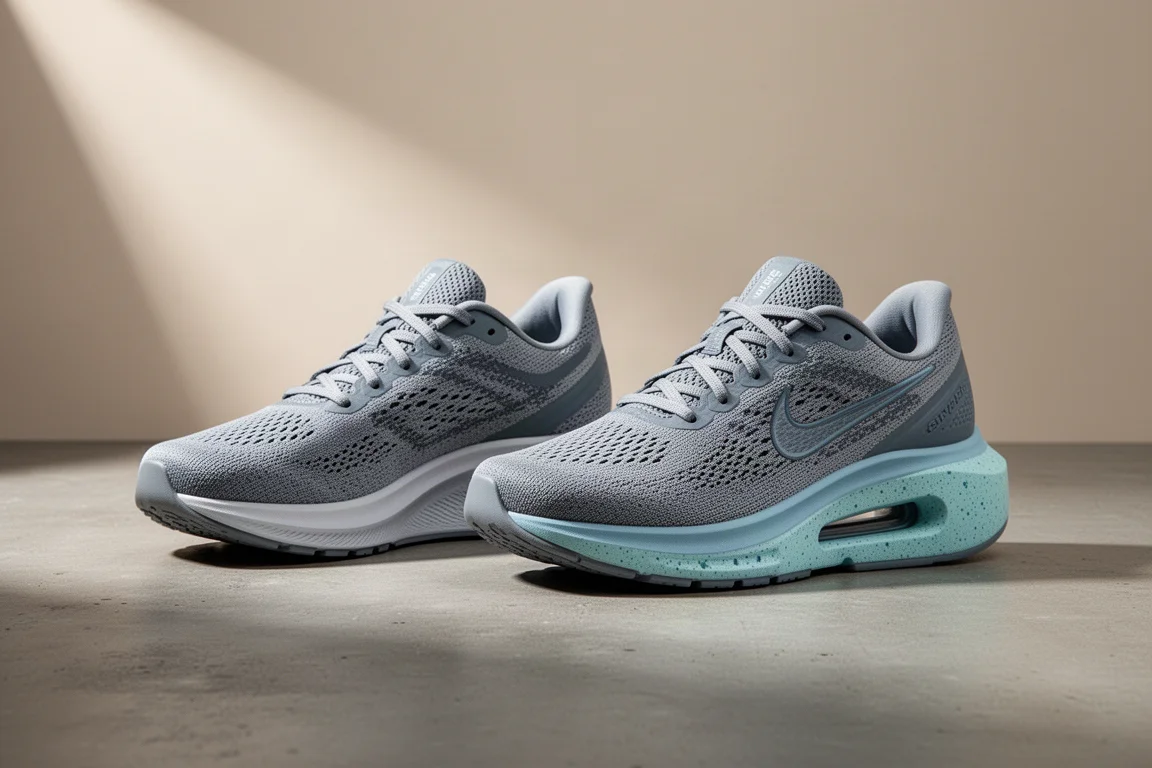
New Balance’s SC line now includes two very different shoes built on similar DNA. The SC Rebel v1 and the SC Elite v6 both use the InfiniCoil midsole and an EnergyArc plate, yet they serve distinct purposes: one is a lightweight, snappy trainer-companion, the other a forgiving half marathon and marathon racer. Worth noting up front: neither should be confused with the FuelCell Rebel, which has no plate, a different midsole, a heavier build, and a different price point entirely.
This comparison breaks down how each shoe runs, how they fit, and which type of runner each one makes the most sense for.
Specs at a Glance
In men’s size 9, the SC Rebel v1 comes in at 7.7 oz (218 g) with a 40 mm heel and 36 mm forefoot stack. It uses the InfiniCoil midsole and an EnergyArc plate; the plate is unconfirmed as carbon, but the forefoot is undeniably stiff. It retails at $190.
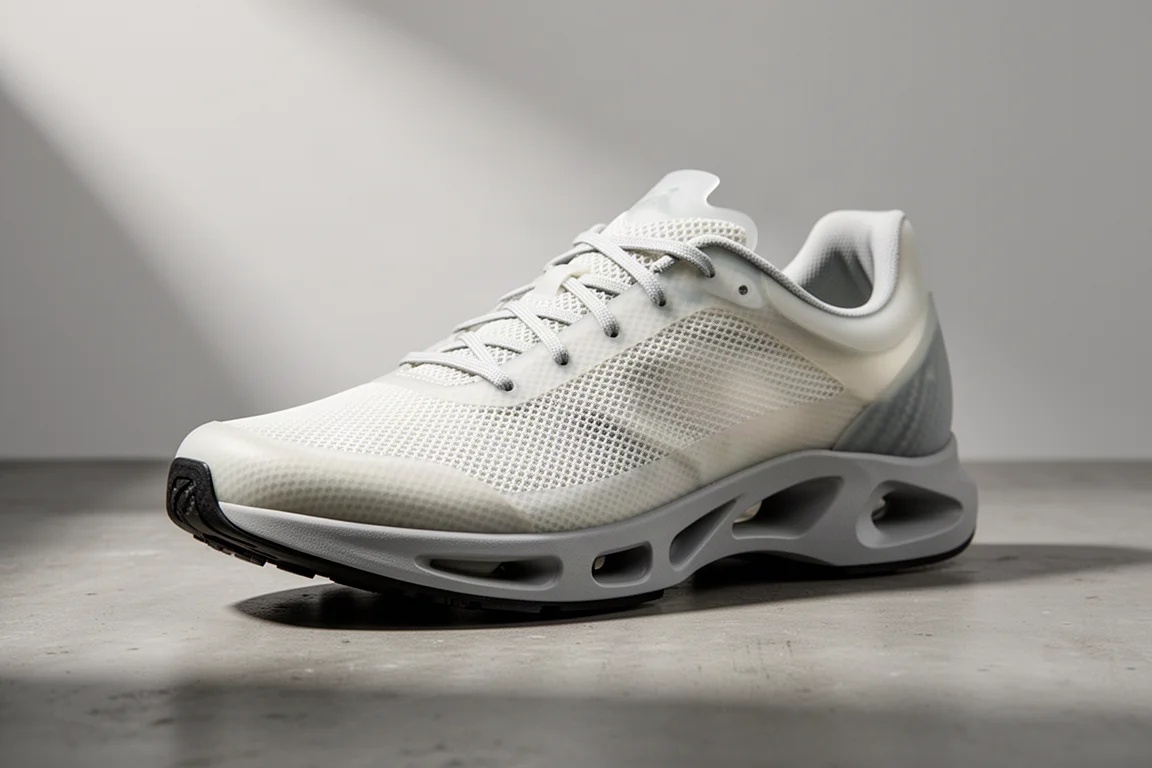
The SC Elite v6 is lighter at 6.7 oz (180 g), also in men’s size 9, with 40 mm in the heel and 32 mm in the forefoot for an 8 mm drop platform. It pairs the same InfiniCoil midsole with a confirmed EnergyArc carbon plate, plus a midsole cutout and translucent mesh upper that help trim weight. It retails at $275.
Running Experience: New Balance SC Rebel v1
The SC Rebel v1 delivers a genuinely interesting ride. There is a real split between heel and forefoot here: the heel feels soft and plush, with InfiniCoil landing on the softer end of the foam spectrum while carrying more spring than FuelCell ever did. A deep midline groove runs from heel through midfoot into the forefoot, and the platform collapses subtly in the middle to add a touch of guidance. It still feels neutral, but not unstable despite that soft heel.

Up front, the story changes completely. The forefoot is stiff, firm, and snappy, with an early-stage rocker that starts rolling you forward quickly. Each step feels rhythmic: padded heel, quick transition, lively toe-off. At 7.7 oz, this is light enough to race in, and it is under the weight of the first Alphafly.
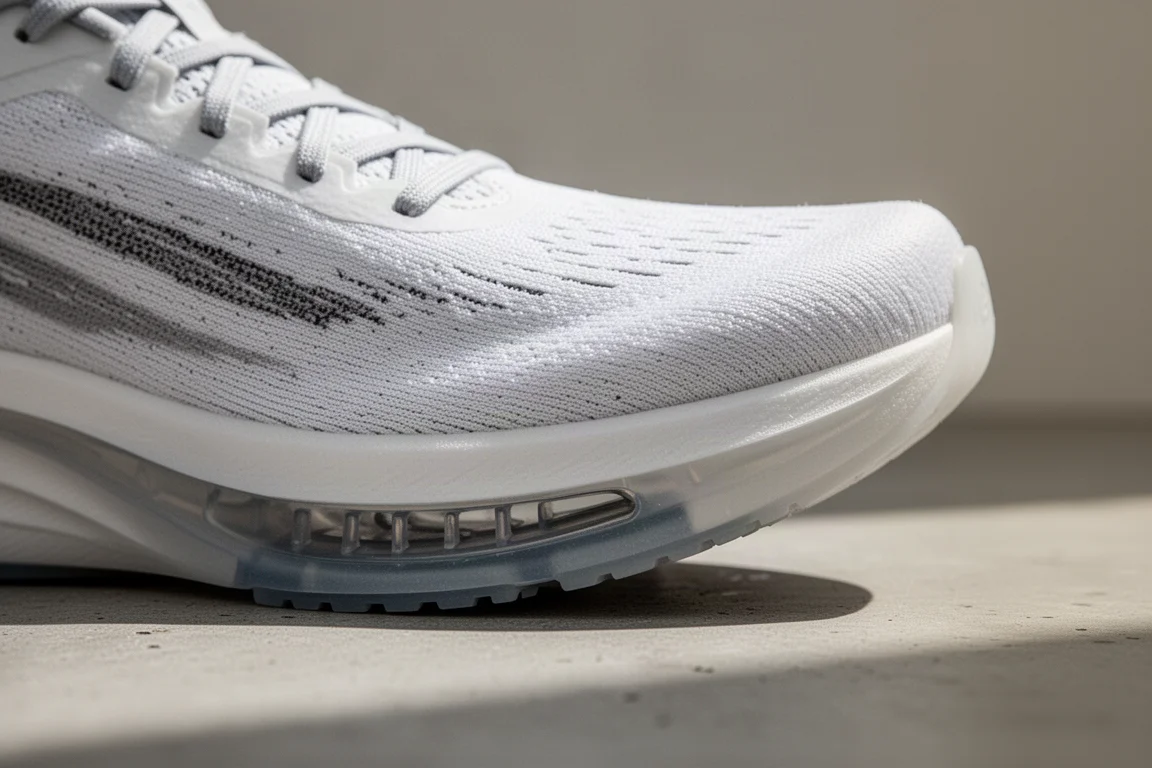
InfiniCoil holds its shape and integrity very well at long outings and smooth up-tempo efforts. It does bottom out somewhat at top-end speed, though, so it is better suited to 10K and longer efforts than to 5K racing.
Fit and Feel of the SC Rebel v1
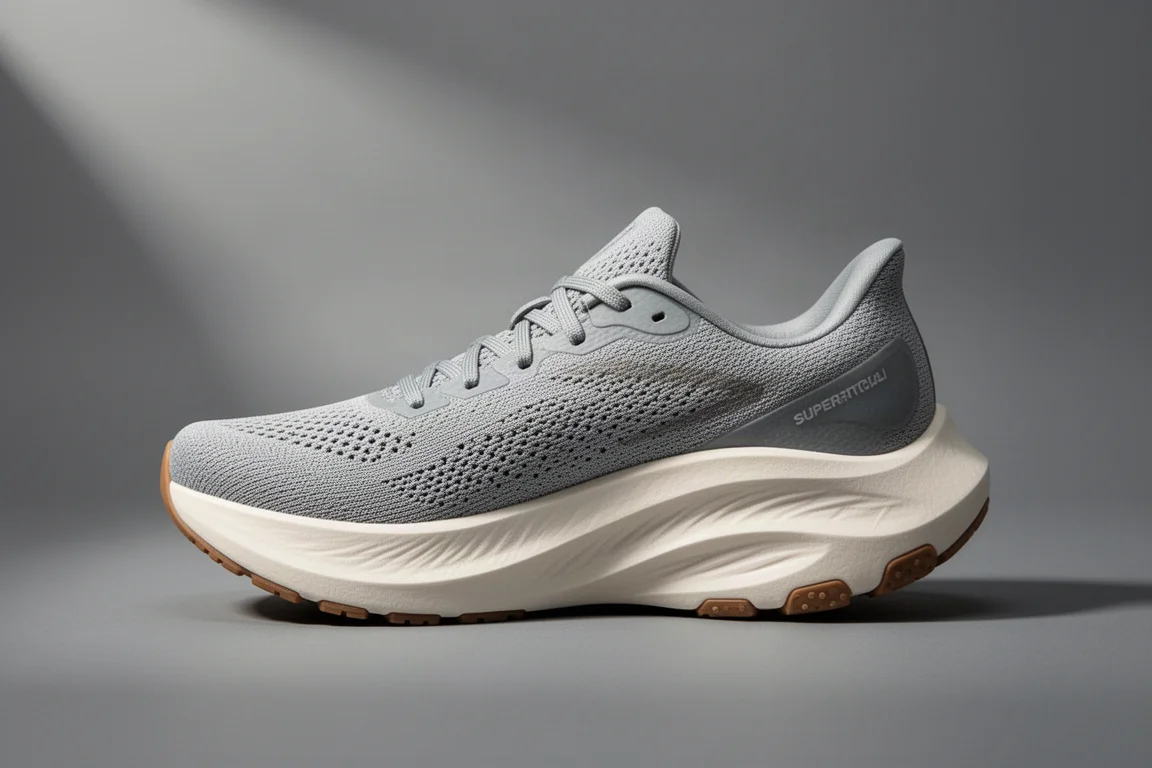
The fit runs a little snug, with a tapered forefoot and lower forefoot volume. The heel and midfoot feel normal, the tongue is moderately padded without biting, and there is a slight heel counter that is padded well enough to cause no issues. If forefoot width is a concern, going up a half size is a reasonable workaround.
At $190, the SC Rebel v1 competes strongly with the super trainers and training companions on the market. It is snappy, light, and responsive, just not quite as aggressive as a true super shoe, and the main wish for future versions is a touch more forefoot width and volume.
Running Experience: New Balance SC Elite v6
The SC Elite v6 is one of the more forgiving experiences in the super shoe market. It carries forward much of what made the SC Elite v5 a great long-run shoe: steady, smooth, and comfortable at up-tempo efforts. InfiniCoil here feels like it can take a beating, likely one of the more durable-feeling super foams, with some genuine bounce, though not the outright snap of the most aggressive supershoes.

It is definitively a half marathon and marathon shoe. The ride stays pleasant at daily paces and marathon pace alike, and the wide forefoot platform offsets the slightly narrow heel, which again collapses inward along the midline to provide a sense of guidance rather than instability. The large midsole cutout exposes the plate directly, and you feel that foam compress underneath down the midline with each stride.
Fit and Feel of the SC Elite v6
The upper is crafted well, with a translucent mesh that keeps weight low. The heel has some width, the midfoot is normal, and the forefoot carries more volume than the SC Rebel v1 without tapering as aggressively, so fit issues should be minimal. Because of the foam thickness underfoot, you feel the foam in the forefoot rather than the plate’s proximity to the ground, which is likely the preferable setup over a full marathon distance.
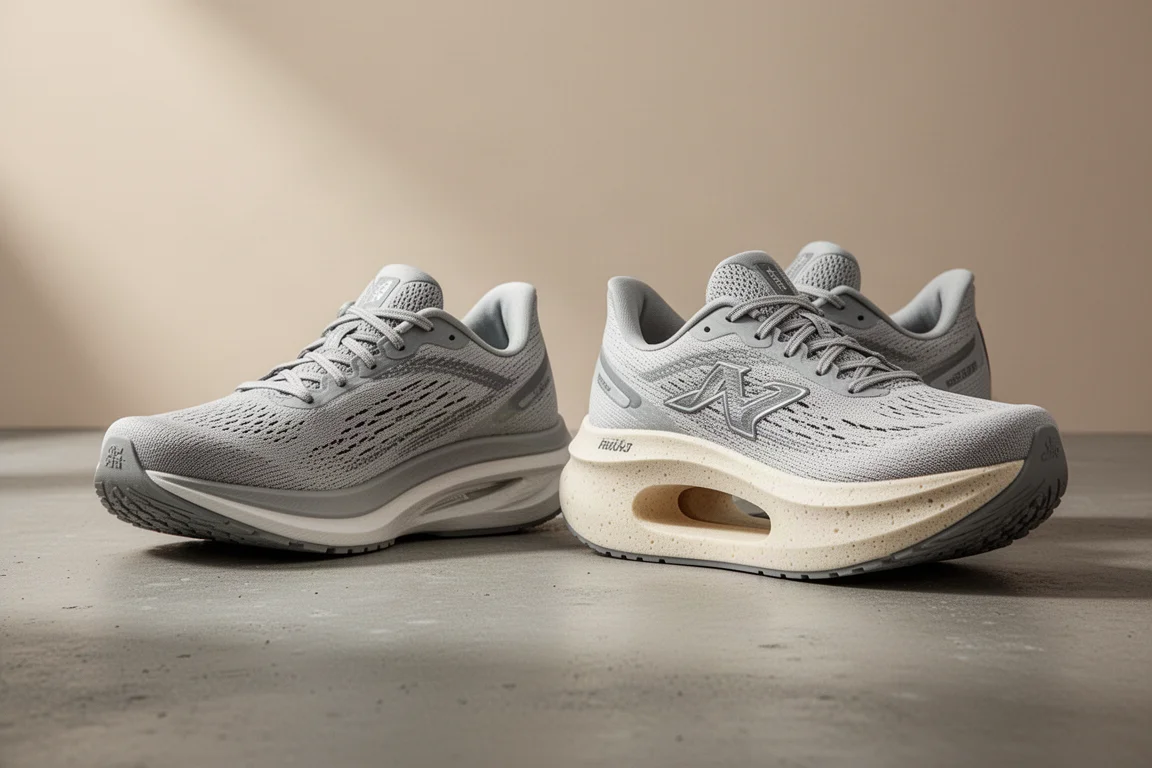
For 10K and up, the SC Elite v6 is an excellent option. At 5K pace it wants something livelier, but for anyone racing a marathon, this is absolutely in the conversation as a smooth, rhythmic, comfortable choice for 26 miles.
Which One Should You Buy?
The decision comes down to what you want the shoe to do. The SC Rebel v1 is the super trainer and training companion of the pair, and at $190 it offers remarkable value: light, snappy, responsive, and versatile enough that you could race in it if you wanted. The SC Elite v6 is the more forgiving super shoe, built for long, smooth up-tempo efforts at half marathon and marathon distance, with the trade-off of a steeper $275 price and less aggressive top-end snap.
Neither is the most explosive option available, and neither shines at 5K pace, but both do exactly what they are designed for very well.
Conclusion
The SC Rebel v1 and SC Elite v6 share InfiniCoil and EnergyArc DNA but split cleanly by mission. Choose the Rebel v1 if you want a lightweight, stiff-forefoot trainer-companion that can double as a race shoe. Choose the Elite v6 if your target is the half marathon or marathon and you want a forgiving, comfortable racer you can stay in for the full distance.
Further reading
Related Reviews

Running Shoes
Best Road-to-Trail Running Shoes: Three Versatile Options for Mixed Terrain
A practical guide to three road-to-trail running shoes that handle both pavement and mild trails, with clear strengths and trade-offs for different runner types.

Running Shoes
Best Running Shoes for Achilles Tendonitis: Three Options Explained
Three running shoes with different heel drops and support features designed to help reduce Achilles tendon pain during walking and running.

Running Shoes
Best Running Shoes for Women: Five Top Choices Ranked
A ranked guide to five women's running shoes, from versatile daily trainers to high-performance racing options, with real strengths and trade-offs for each.