Running Shoes
New Balance SC Rebel V1 Review: A Soft, Light Super Trainer With Real Speed
The SC Rebel V1 replaces the SC Trainer with a lighter, bouncier Infinion midsole and a cleverly placed plate, making it one of the most exciting plated super trainers of the year.
Introduction
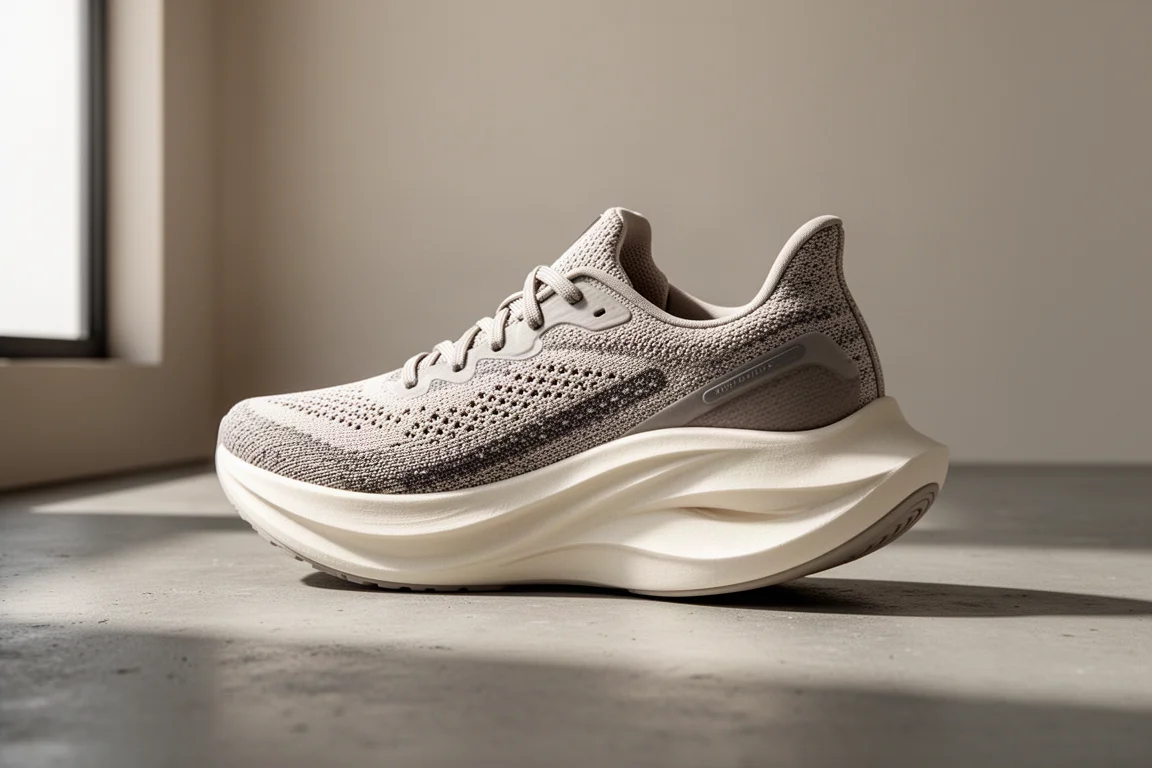
The New Balance SC Rebel V1 is not an entirely new model. It replaces the outgoing SC Trainer, one of the original long-run super trainers and one of the first plated shoes designed for training rather than racing. The SC Trainer V3 had drifted toward a heavier, comfort-first direction, and the market moved on: the Topo Spectre 3 went non-plated with lots of bounce, the Adidas Hyperboost Edge delivers bounce without a plate, and shoes like the Puma Rad UFO and Super Blast 3 filled the max-cushion space. New Balance went back to the drawing board and borrowed the Rebel name, its most popular training franchise, for a shoe that finally points in a fresh direction.
Who This Product Is For
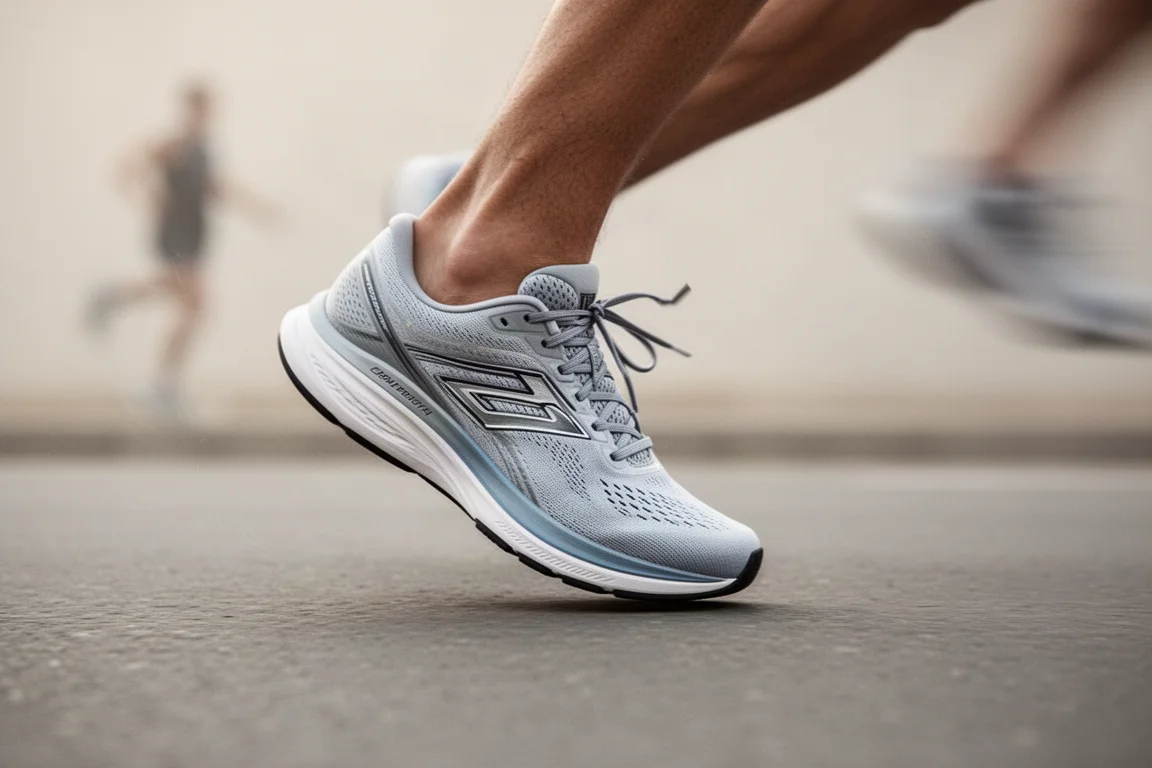
The SC Rebel V1 suits runners who want a speedy, fun daily trainer rather than a pure max-cushion long-run cruiser. In a 10-mile aerobic test run averaging around 7:18 per mile, with surges down to 6:30 pace and strides near 5-minute pace, the shoe kept up comfortably. It sits in the same camp as the Spectre and Hyperboost Edge: soft enough for daily miles but quick enough for tempo work. Compared to the more max-cushion super trainers, it is faster, and compared to the speedier options like the Puma DV8 Nitro, it is more comfortable.
It also fits true to size in the standard width, and the retro-inspired upper is lightweight and airy, echoing the SC Elite V6 and older New Balance 990 aesthetics. The tongue padding sits between a race tongue and a training tongue, landing somewhere practical in the middle.
Main Strengths
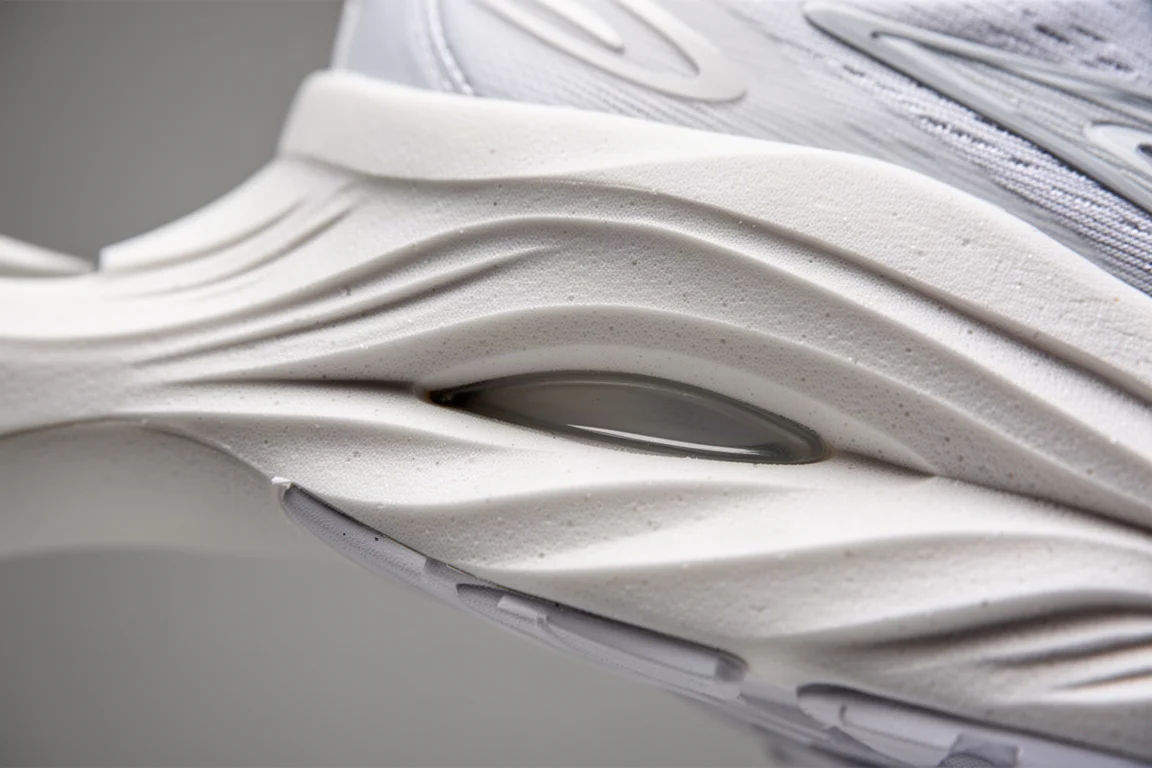
The midsole is the story here. The Infinion foam (a blend distinct from the Infinion in the 1080 and the SC Elite V6) feels remarkably like ZoomX: soft, squishy under thumb pressure, but with a snappy return that fires the foot back out of each step. Combined with the plate and a well-tuned rocker, the ride gets through the stride quickly without compressing too much.
The weigh-in tells the rest. At 232 g in a men’s size 10.5 US, it came out lighter than every comparison shoe tested that day, including the Topo Spectre 3 (245 g), Hyperboost Edge (263.5 g), DV8 Nitro 4 (269 g in a similar size), and the outgoing SC Trainer V3 (303.5 g in a half size up, roughly 290 g at 10.5). The stack measures 39 mm at the heel, taller than the Adidas Evo SL’s 37 mm, yet the Rebel is lighter. That combination of more foam and less weight is what makes this feel like a genuinely competitive plated super trainer.
The plate placement is unusual. Through the rear and midfoot it sits in the middle of the foam, but toward the forefoot it drops very low, almost directly beneath the rubber outsole, functioning like a three-quarter-length plate. On the run it was barely noticeable: no bite at toe-off or heel strike, just a quick roll through the midfoot and a rocker reinforced by the plate’s stiffness. Stability is decent despite the soft foam, thanks to a substantial heel.
Things to Consider Before Buying
Two fit and feel caveats stand out. First, the shoe is soft, softer than the Spectre, the Hyperboost Edge, and the UFO. If you dislike soft, sinky foam, this is not the shoe for you. Second, the fit runs narrow: wide-foot and high-volume-foot testers found it a poor match, with one tester returning a pair unrun. If you need width, check whether a wide version exists before buying the standard fit.

The outsole design is also worth watching. The plate sits so low in the forefoot that only a thin layer of rubber protects it, and visible fraying and scraping on the plate appeared after a single 10-mile run. The rubber compound may well be a more abrasion-resistant CPU-type material, but long-term durability of that exposed area is an open question.
Buying Advice
At $200, the SC Rebel V1 sits in the premium trainer bracket alongside the Super Blast 3, Rad UFO, and Hyperboost Edge, while speed-oriented plated trainers often land between $150 and $180. The price is defensible on merit, but it is fair to wish New Balance had positioned it closer to $150 to undercut rivals like the Evo SL, Endorphin Speed, and DV8.
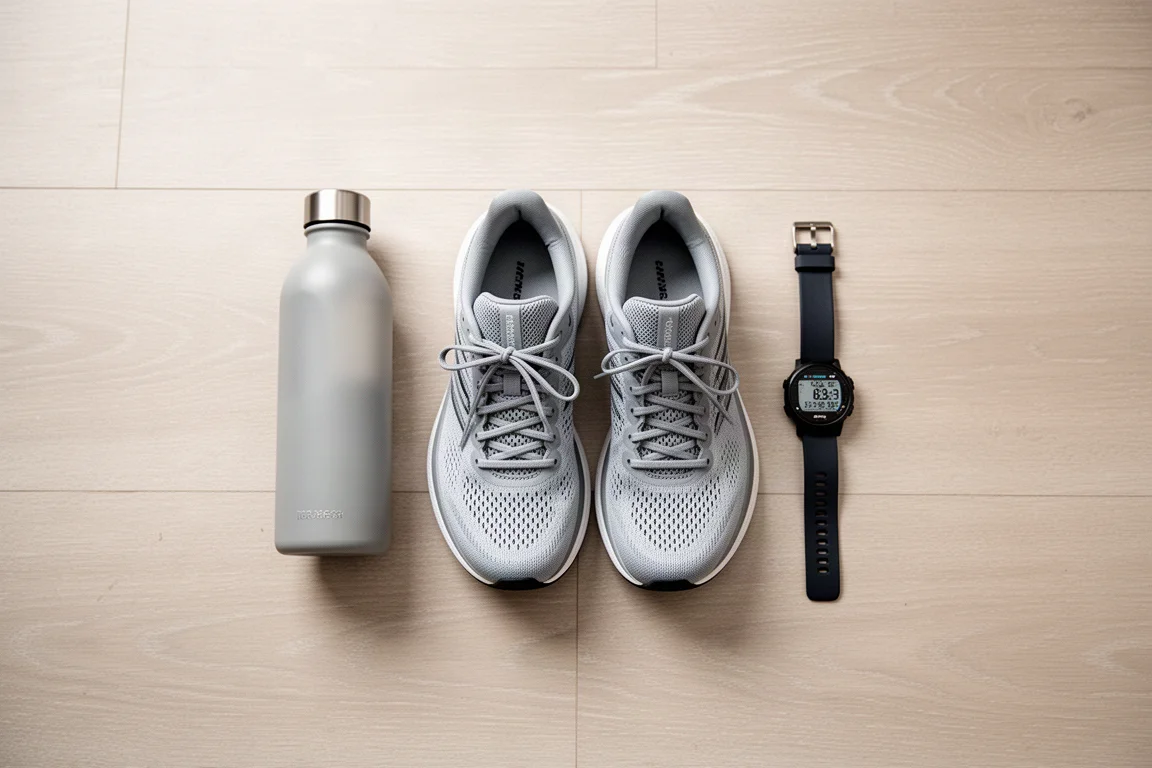
The practical test is simple: would you reach for it again and again? After the first run, the answer is an easy yes. If you like the Super Blast 3 as your max-cushion trainer, this makes an excellent speedier companion in the same rotation, and it can even serve as a tempo shoe if you want to save true carbon racers for race day.
Conclusion
The SC Rebel V1 is a soft, light, bouncy, and genuinely fast super trainer that finally gives New Balance a plated daily trainer worth getting excited about. Between the ZoomX-like foam feel, the standout weight and stack numbers, and a ride that encourages picking up the pace, it earns top marks as a first impression and has real potential to rank alongside New Balance’s best recent trainers. Skip it only if you need a wide fit or truly firm foam; everyone else should take a serious look.
Product link
View more details for New Balance SC Rebel V1
This product is mentioned in the review. Check the specifications, options, and compatibility before buying.
View more details for New Balance SC Rebel V1Further reading
Related Reviews
Running Shoes
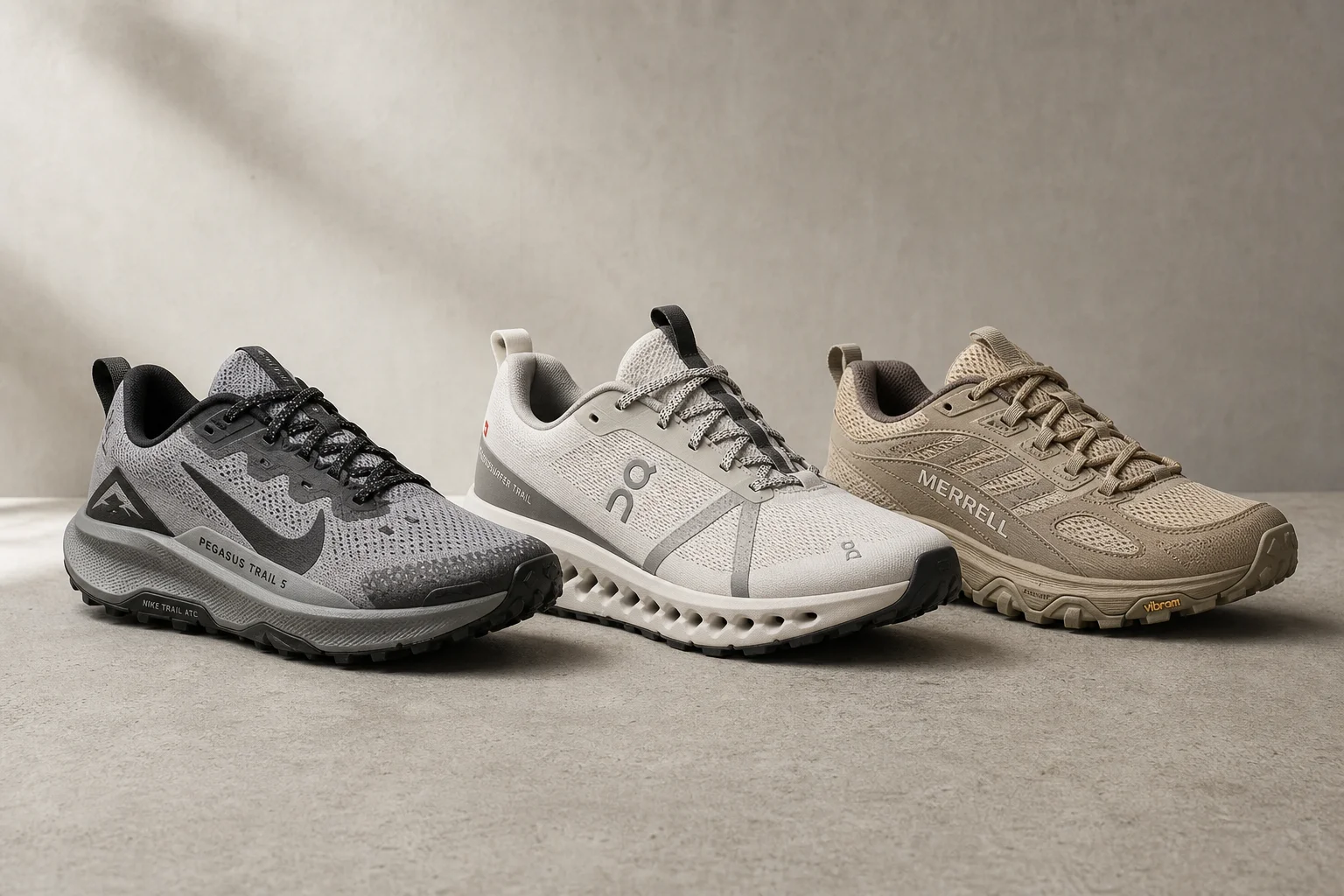
Best Road-to-Trail Running Shoes: Three Versatile Options for Mixed Terrain
A practical guide to three road-to-trail running shoes that handle both pavement and mild trails, with clear strengths and trade-offs for different runner types.
Running Shoes
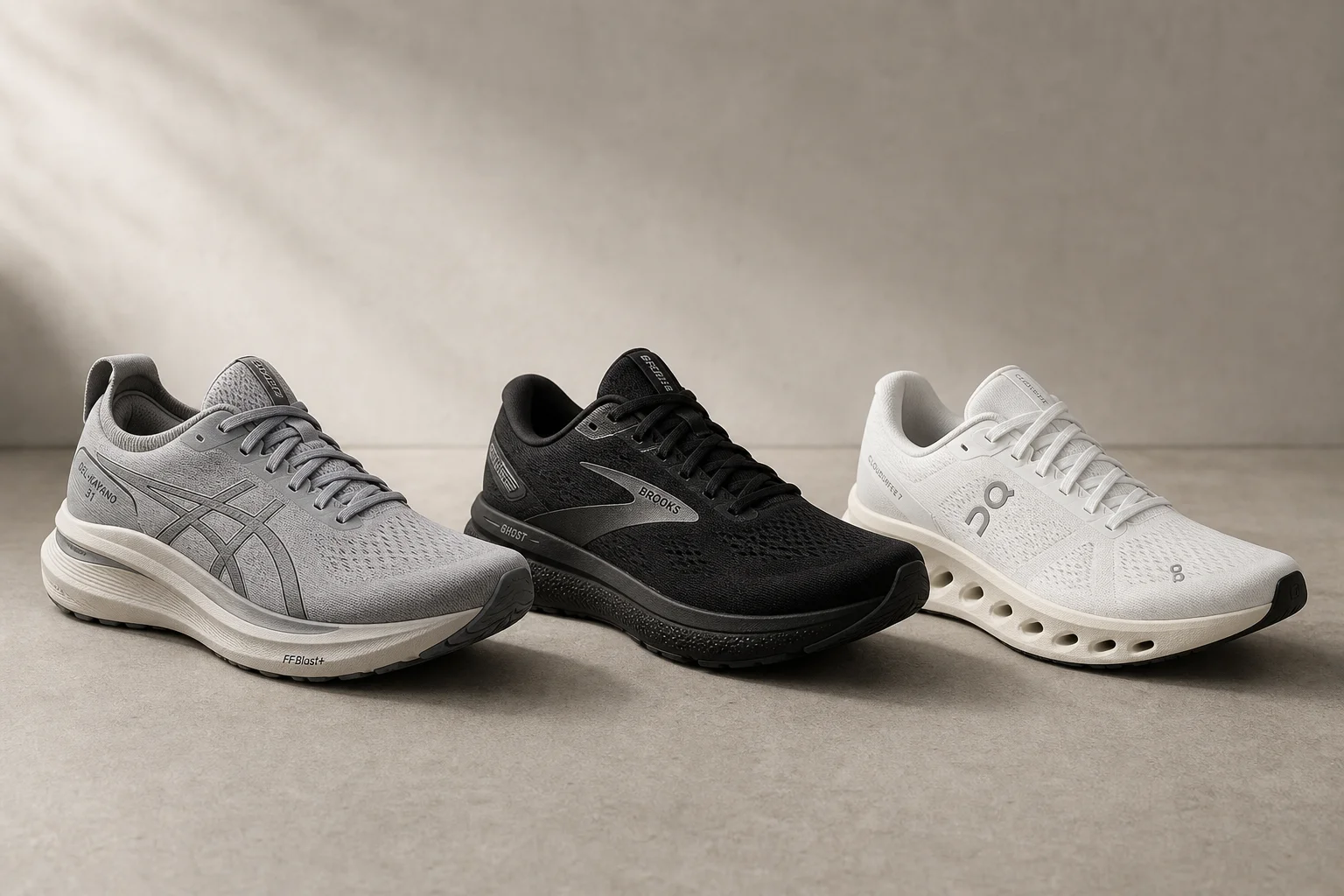
Best Running Shoes for Achilles Tendonitis: Three Options Explained
Three running shoes with different heel drops and support features designed to help reduce Achilles tendon pain during walking and running.
Running Shoes
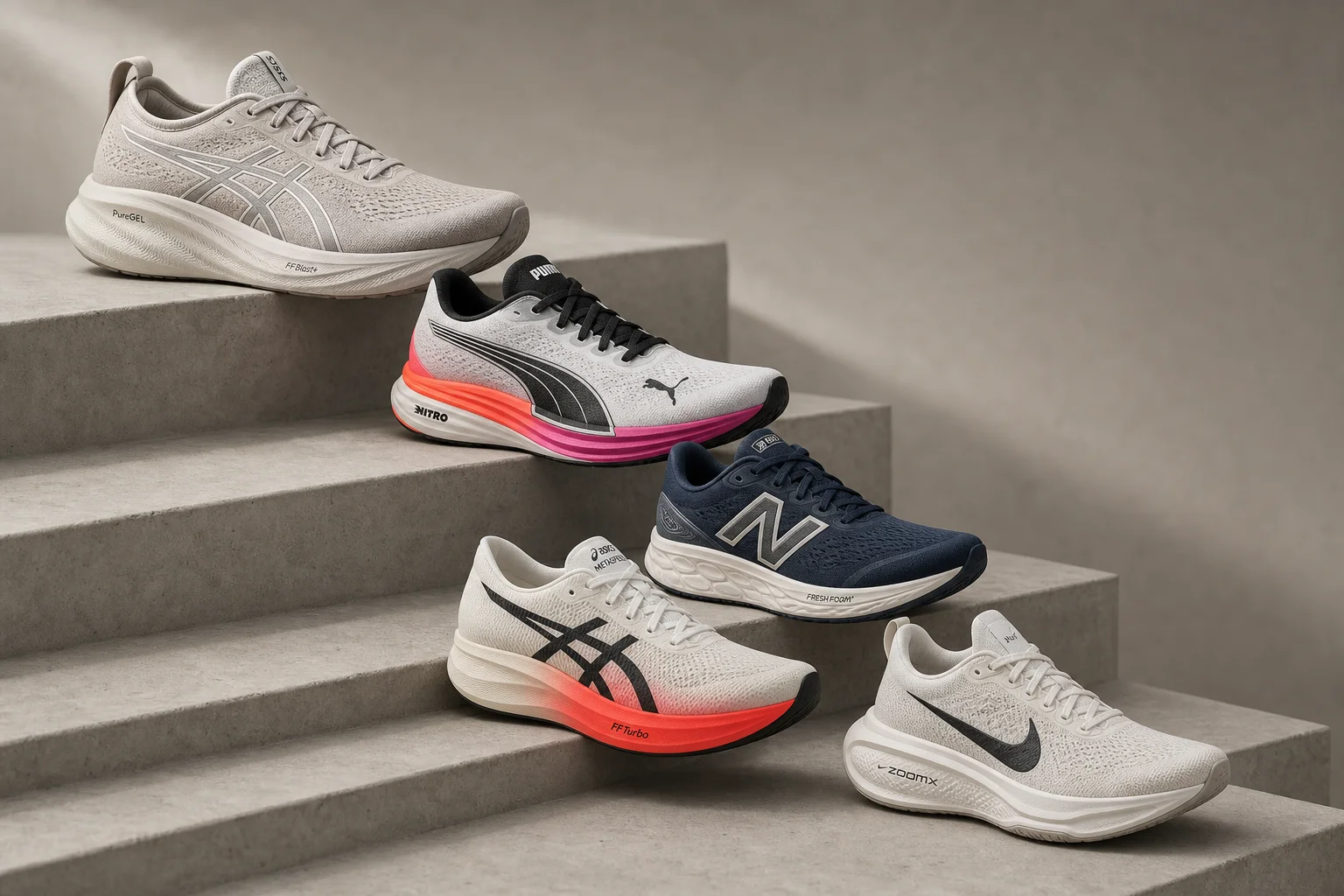
Best Running Shoes for Women: Five Top Choices Ranked
A ranked guide to five women's running shoes, from versatile daily trainers to high-performance racing options, with real strengths and trade-offs for each.