Running Shoes
New Balance SC Pacer v2 Review: A Record-Breaking Race Flat That Asks a Lot
The SC Pacer v2 grows taller, adds PEBA to its FuelCell foam, and stays aggressively fast. We compare it with the Adidas Takumi Sen 10 and Hoka Cielo Road for 5K and 10K racing.
Introduction
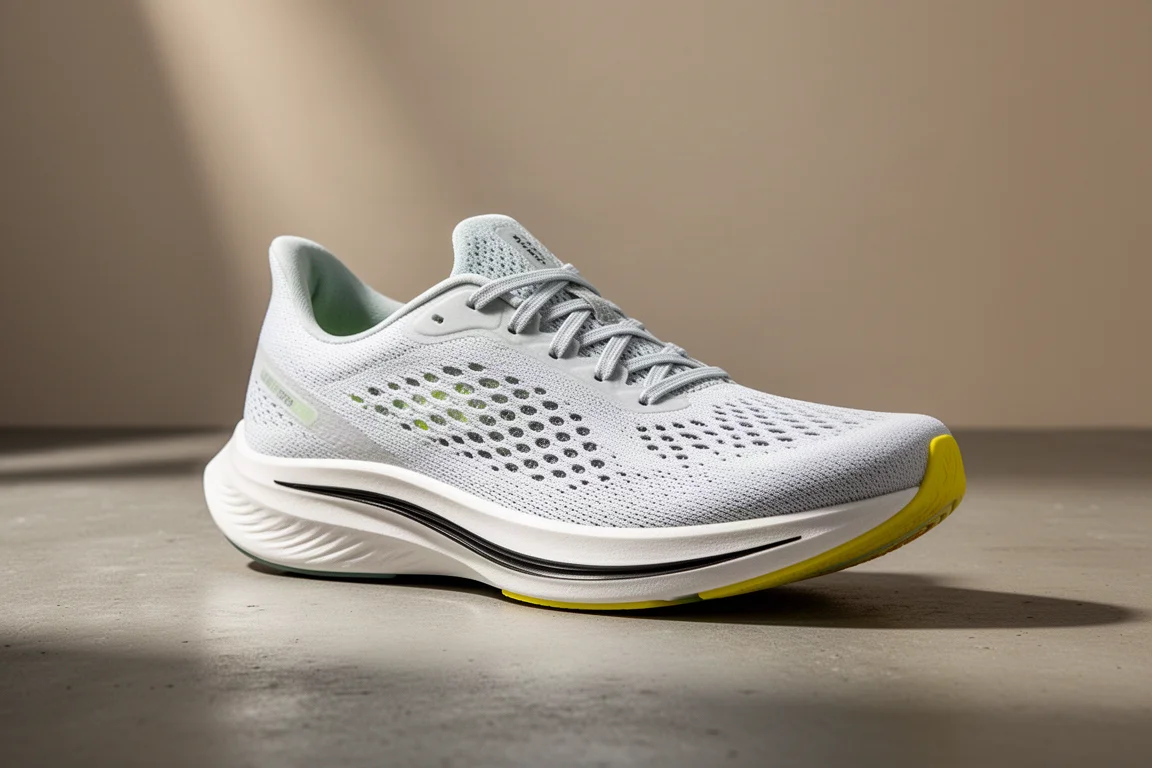
The original SC Pacer looked like a stripped-down race flat built for the mile or the 5K. Then Emily Sisson took that road flat and broke an American record in it, and suddenly the conversation changed. The sequel, the New Balance SC Pacer v2, was developed with that record-setting context in mind, and it arrives bigger, softer, and more capable over distance than its predecessor.
The question most of us should ask is simple: can non-elite runners actually race long in this thing? After running it hard, the short answer is that it is a superb fast-day shoe, but probably not a marathon shoe for the majority of buyers. Here is how it stacks up, alongside two strong alternatives.
What Changed in the SC Pacer v2
The biggest change is size. The v2 comes in at 32.8 mm of heel stack and 24.8 mm in the forefoot, an 8 mm drop, noticeably taller than the original. New Balance has also updated the FuelCell formulation, adding PEBA to the blend, which softens what was previously a fairly harsh ride while keeping the foam lively.
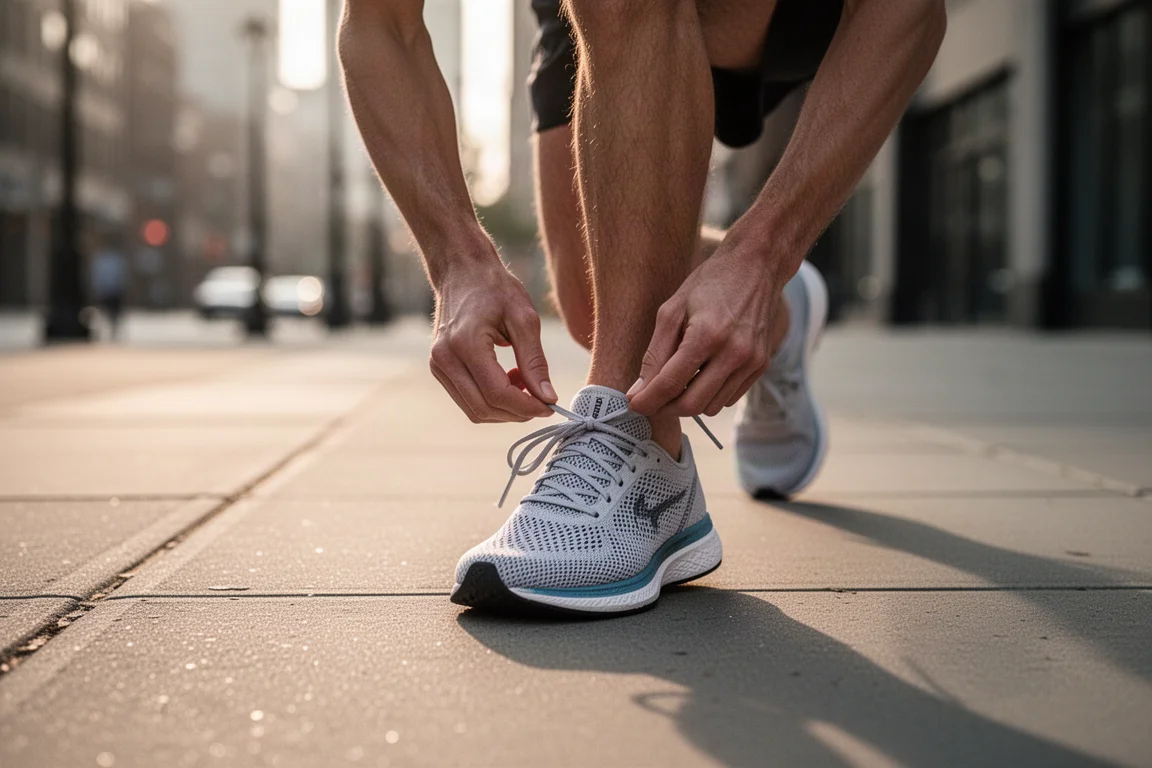
The carbon fiber plate is still in place, with the energy arc visible as a groove along the middle of the shoe. Weight is listed at 6.9 oz, and a size 9 pair weighed in at 7.2 oz (206 g). The upper is the bare minimum needed to hold your foot: a single layer of mesh with large perforations, a minimal track-spike-style tongue, and a floppy heel cup with essentially no overlays or plastic elements. Even the logo is spray painted on. The fit runs true to size but snug, which suits a race-day shoe, and the thin mesh is so comfortable it never pinched or crunched toes despite the close fit.
How It Runs
At easy and recovery paces, the SC Pacer v2 almost feels like it has a negative heel drop. That is fine, because this is not a shoe meant to be jogged in. Pick up the pace and it responds beautifully. The PEBA addition takes a lot of the harshness out of the original version, delivering a genuinely pleasant mix of softness and responsiveness, and the plate’s profile, high at the back and dropping low in front, rewards quick turnover with a powerful, aggressive feel.
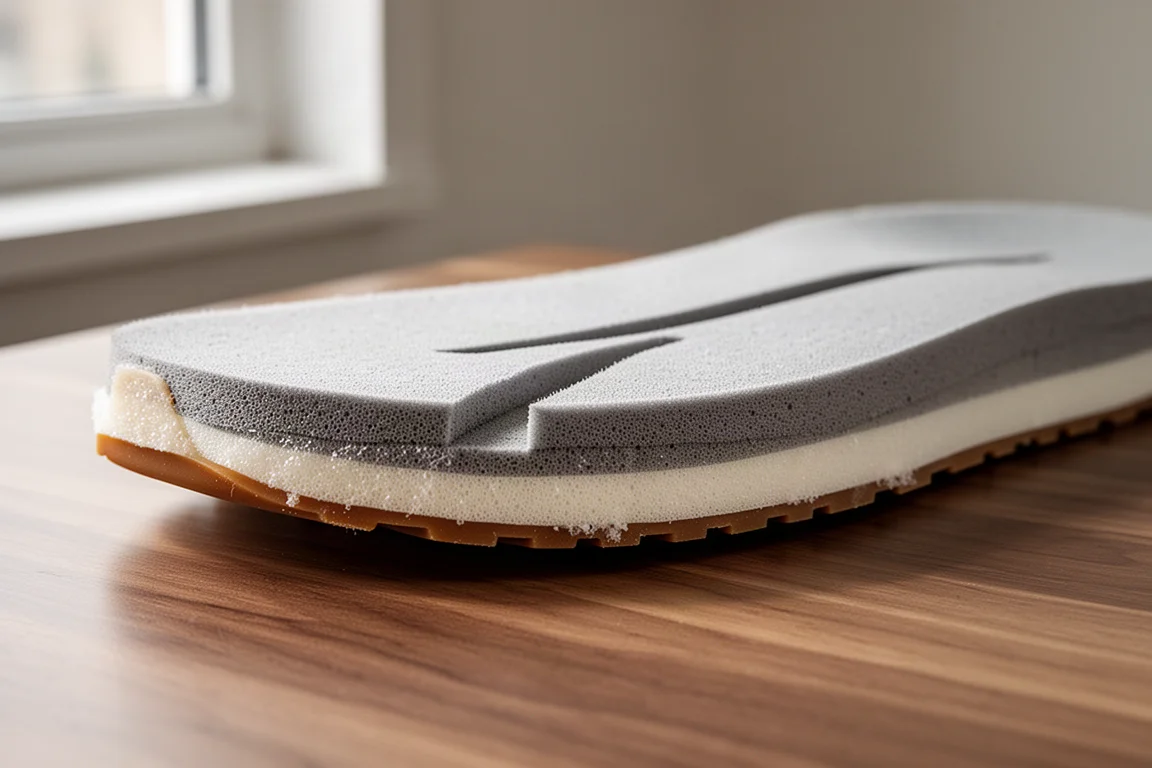
The trade-off shows up over distance. On a 12-mile workout including warm-up, cool-down, and all the fast work, feet were asking for more protection and comfort by the end. The plate position is the likely culprit: it makes the foam feel like there is less of it than the stack numbers suggest, so the shoe still feels slammed low to the ground. That is presumably intentional for the runners it was designed for, but it is very different from what most people want in a marathon racer.
New Balance SC Pacer v2
For our money, the SC Pacer v2 is best understood as a 5K and 10K racer, possibly stretching to the half marathon, and as a superb companion for fast speed work. If 400 m or 800 m repeats are your favorite kind of workout, or you want a non-spike option for track sessions, this shoe is a lot of fun at speed.
Within the FuelCell side of the New Balance lineup, it slots between the Rebel v4 daily trainer and the SC v4 marathon racer, which carries 40 mm of stack and is comfortable enough to take you the full 26.2. The SC Pacer v2 costs $200, which is a strong price if you genuinely use it as a marathon racer, but harder to justify purely as a 5K or 10K shoe.
Adidas Takumi Sen 10
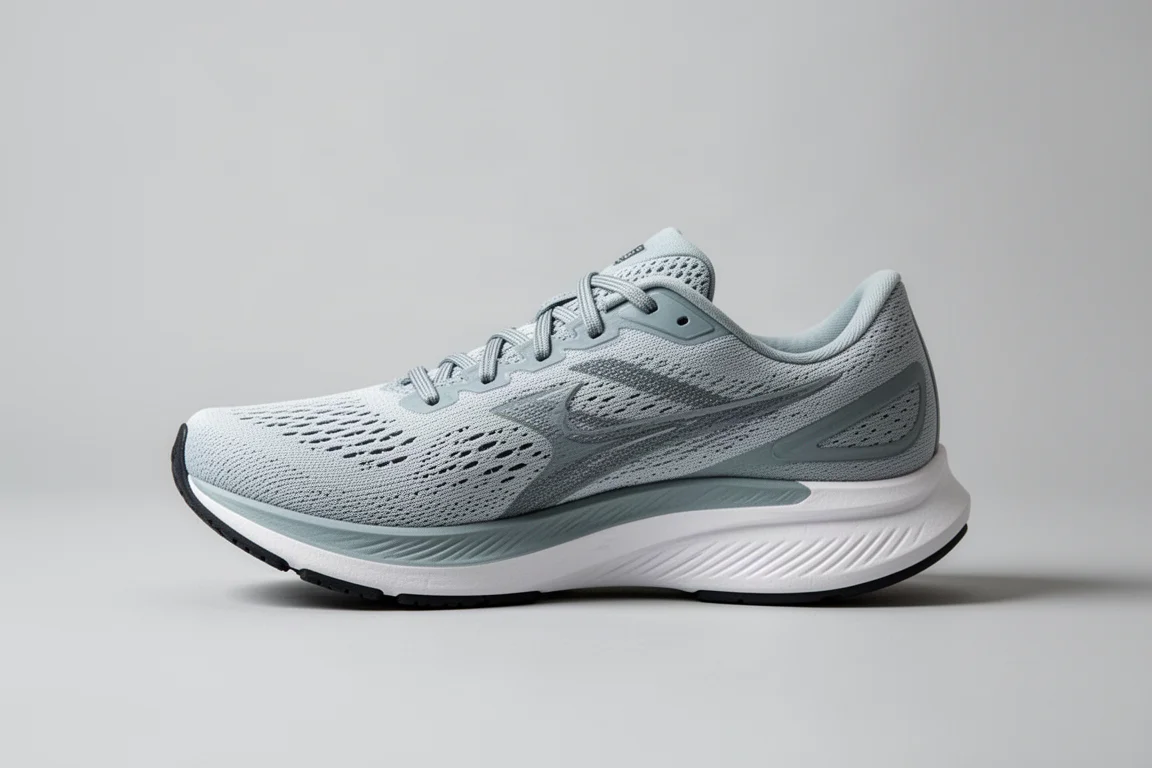
The Takumi Sen 10 has long been a favorite in this narrow 5K and 10K racer niche. It is a firmer shoe than the SC Pacer v2, yet it delivers a touch more speed with less harshness, and it retails for $180. Like the Pacer, it works beautifully as a complement in a training arsenal for marathon and half marathon blocks, handling the fast workouts that easier daily trainers cannot.

If you want the sharpest, snappiest feel of the three and can tolerate less cushioning, the Takumi Sen remains the benchmark in this category.
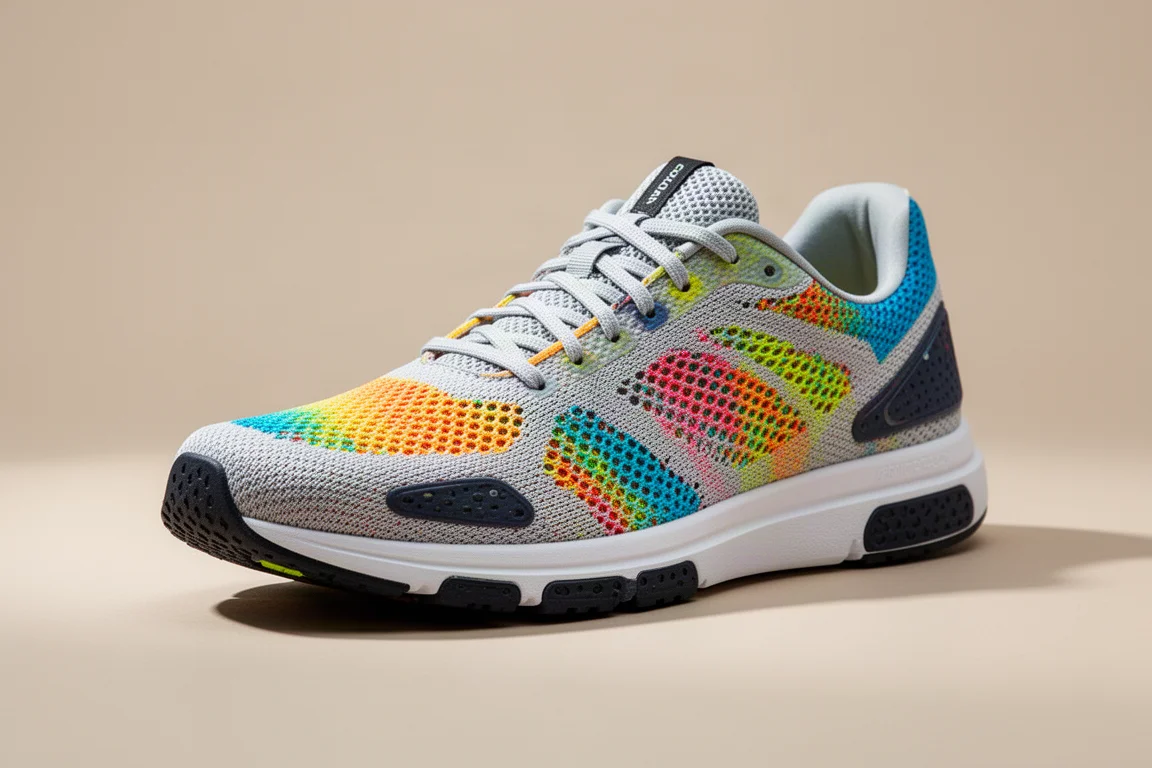
Hoka Cielo Road
The Hoka Cielo Road is set up similarly in principle: PEBA in the midsole, super lightweight, stripped down, and intended as a true road flat. The key difference is the absence of any carbon plate, making it more flexible and delivering an even more classic flat feel.
That lack of carbon costs it some pace. It is a little more chill and a little slower than the SC Pacer v2, but it comes in at $160, a $40 discount that makes it an appealing option for runners who want the road-flat experience without the top-tier price.
Buying Advice
Choose the SC Pacer v2 if your racing is concentrated at 5K and 10K and your training revolves around short, fast intervals. It is aggressive, lightweight, and far more forgiving than the original, and its breathability and fit are among the best in the category. Just go in knowing that its low, slammed feel will test your feet over long distances.
If you want a slightly firmer, faster ride with a bit less harshness, the Takumi Sen 10 is the stronger pick at $180. If you want the road-flat feel in a more relaxed, flexible package and saving $40 matters, the Hoka Cielo Road deserves a serious look.

Reserve the SC Pacer v2 marathon experiment for runners with efficient form and experience in aggressive shoes. Everyone else racing 26.2 should look at a dedicated marathon racer with more stack and protection.
Conclusion
The SC Pacer v2 is exactly what a record-setting athlete needs: fast, aggressive, feather-light, and now kinder than before thanks to PEBA in the FuelCell blend. For the rest of us, it shines brightest as a 5K and 10K racer and a speed-work weapon, and the Takumi Sen 10 and Cielo Road give you credible alternatives depending on how firm, fast, or budget-conscious you want to be.
Further reading
Related Reviews

Running Shoes
Best Road-to-Trail Running Shoes: Three Versatile Options for Mixed Terrain
A practical guide to three road-to-trail running shoes that handle both pavement and mild trails, with clear strengths and trade-offs for different runner types.

Running Shoes
Best Running Shoes for Achilles Tendonitis: Three Options Explained
Three running shoes with different heel drops and support features designed to help reduce Achilles tendon pain during walking and running.

Running Shoes
Best Running Shoes for Women: Five Top Choices Ranked
A ranked guide to five women's running shoes, from versatile daily trainers to high-performance racing options, with real strengths and trade-offs for each.