Running Shoes
New Balance SC Pacer: A Road Racer Built for 5K and Mile Speed
The New Balance SC Pacer strips everything back for short-distance road racing, with the Adidas Takumi Sen 9 and Puma Liberate as strong alternatives.
Introduction
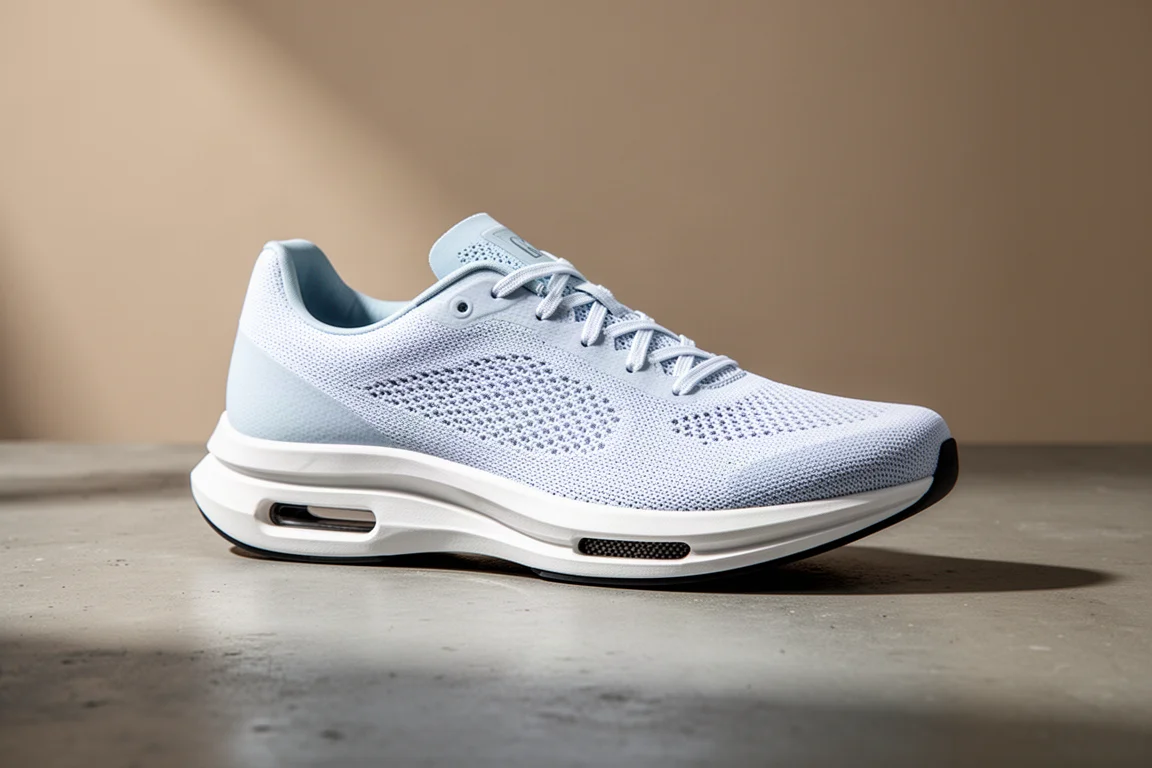
While much of the running shoe industry has focused on the marathon market, New Balance has been developing racing options for the shortest, fastest road races. The New Balance SC Pacer (short for SuperComp Pacer) is aimed squarely at runners chasing a 5K personal best or lining up for a road mile. After spending real miles in it, this is one of the most focused racing shoes we have come across: it strips away almost everything except speed.

Who This Product Is For
The SC Pacer is built for road milers and 5K racers, and possibly 10K racing on the road. New Balance says the shoe is intended for distances from the 5K up to the half marathon, but with this little foam underfoot, anything longer than a 5K feels like a stretch unless you have exceptionally strong feet. It only likes to run fast. If your training revolves around marathon mileage and easy miles, this is not your shoe, but as a race-day weapon or a no-spike track option for fast workouts, it makes a compelling case.
Specs and Construction
The SC Pacer sits very low to the ground: 25 millimeters of stack in the heel with an 8 millimeter drop, leaving just 17 millimeters in the forefoot. That is about as low as most runners would want to go in the modern super foam era, even for events as short as the mile.
Underfoot is New Balance’s FuelCell supercritical foam, which is squishy, resilient, and lightweight. The Energy Arc carbon fiber plate sits sandwiched between two layers of that foam, visible through a window in the outsole. There is remarkably little material between your foot, the plate, and the road: a thin top layer of FuelCell, the plate, and a very thin layer of foam beneath, with an inlaid rubber section in the forefoot reducing it further.
Traction is well handled. There is a decent amount of rubber coverage in the forefoot and on each side of the Energy Arc channel in the heel, so a wet road race should not be a problem.
Upper, Fit, and Feel
The upper is stripped down to a single layer of mesh, which feels almost old school in the best way: very soft, very flexible, and highly ventilated, reminiscent of a favorite racing singlet. The tongue is a super thin strip of material, just enough to keep lace pressure off the foot, and the heel collar is nicely floppy, exactly what you want in a racing flat.
Despite the minimal build, the fit is surprisingly comfortable. Feet lock in securely without bunching or toe crunch, and there is more room up front than the racing brief would suggest. The whole shoe weighs just 6.7 ounces (189 grams).
Easy and recovery paces are where this shoe falls apart, quite literally bottoming out the FuelCell. But that is not its job. At 5K pace it is genuinely fun to run in: it feels like a track flat taken onto the road, with the foam offering just enough protection that your legs are not completely wrecked after a hard workout. The shoe asks you to do the running and gives a small bump of carbon assistance in return.
Alternatives: Adidas Takumi Sen 9 and Puma Liberate
If the SC Pacer does not feel right, there are a couple of shoes that occupy similar use cases, even if they feel different underfoot.

The Adidas Takumi Sen 9 is Adidas’s 5K and 10K racer, essentially the same as the Takumi Sen 8 with updates. Unlike the SC Pacer, where you feel almost nothing but the carbon plate, the Takumi Sen 9 makes you feel much more of the technology underfoot. You would use both shoes in similar ways, though: racing 5Ks and workouts at 5K pace or faster, perhaps up to the half marathon.
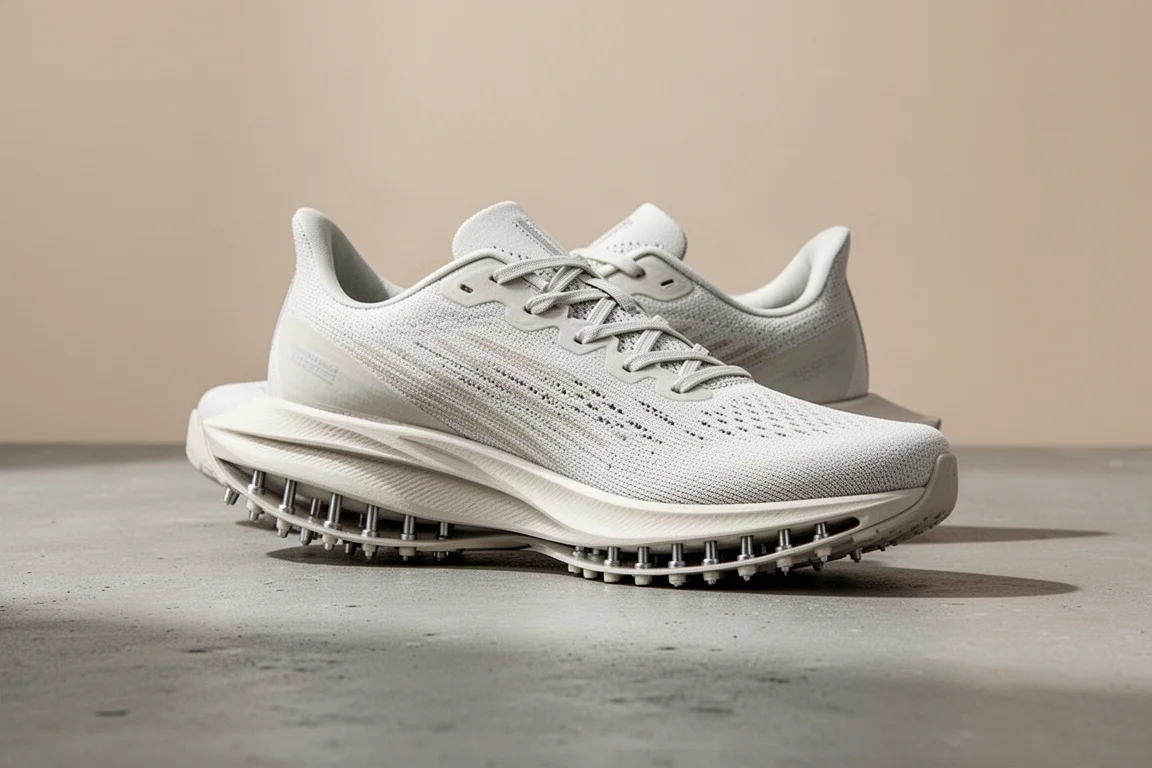
The Puma Liberate is a more left-field option. It is very low to the ground with Nitro injected supercritical foam, but no carbon plate. It still delivers a lot of pop, and it works well as both a road mile and 5K racer and a track flat for fast sessions. The upcoming Liberate 2 is expected to firm up the ride for even more pop on short track reps, bringing it closer still to the SC Pacer formula.
Buying Advice
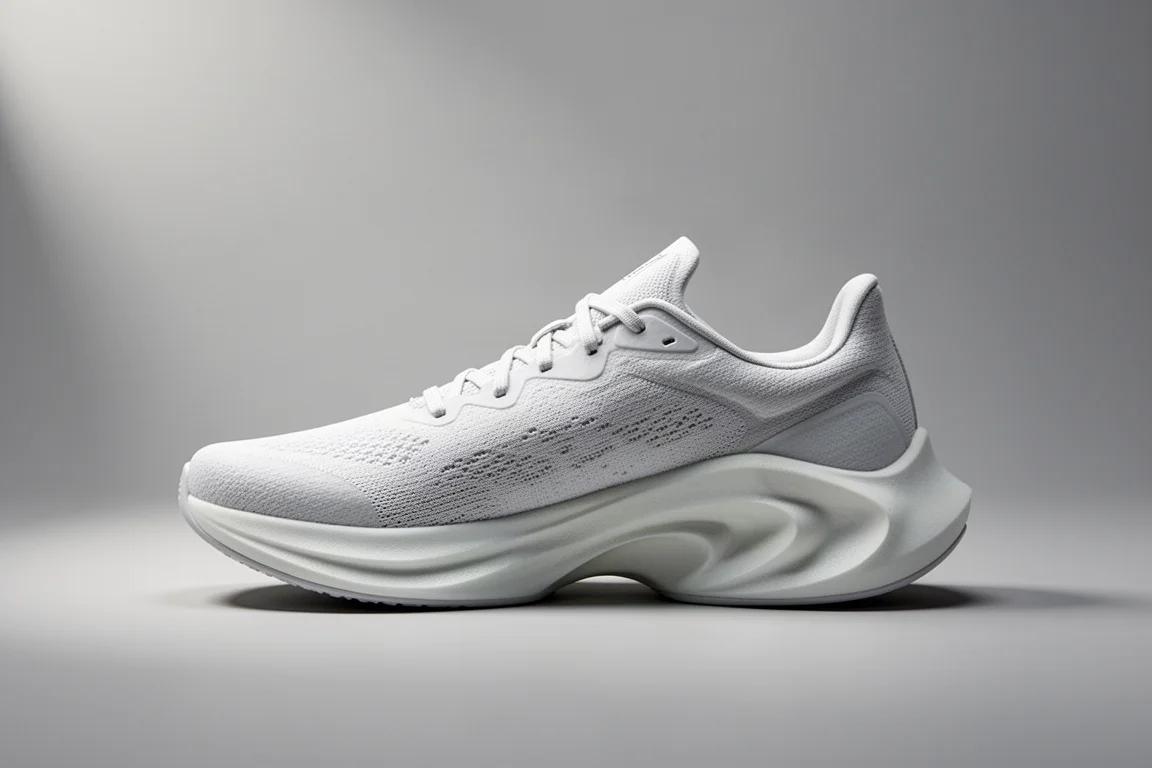
At full retail of $150 for newer colorways, the SC Pacer is a considered purchase. The upside for shoppers: because this shoe has been out for a while, older colorways can often be found discounted to around $100 at online retailers, even if New Balance itself no longer stocks them. At that price it becomes an easy add for even marathon-focused runners who need something for 800-meter reps, and a fun, affordable option for anyone preparing for 5Ks, 3Ks, or mile races.
For daily training, the SC Pacer simply will not work, so plan a rotation. Staying within New Balance, the Rebel v3 pairs naturally: it shares the same FuelCell foam with more of it, stays low-slung and lightweight, and has handled runs up to 20 miles. For max cushion recovery days, the SC Trainer also pairs well, sharing the FuelCell foam and the Energy Arc plate in a much more cushioned package.
Conclusion
The New Balance SC Pacer does one thing and does it well: it removes everything unnecessary to deliver a light, fast, exciting ride for the mile and the 5K. It is terrible at easy paces and pointless for long runs, but as a race-day shoe or a no-spike track alternative it is one of the most focused options available. If you race short and fast, and can find it discounted, it deserves a spot in your rotation.
Further reading
Related Reviews

Running Shoes
Best Road-to-Trail Running Shoes: Three Versatile Options for Mixed Terrain
A practical guide to three road-to-trail running shoes that handle both pavement and mild trails, with clear strengths and trade-offs for different runner types.

Running Shoes
Best Running Shoes for Achilles Tendonitis: Three Options Explained
Three running shoes with different heel drops and support features designed to help reduce Achilles tendon pain during walking and running.

Running Shoes
Best Running Shoes for Women: Five Top Choices Ranked
A ranked guide to five women's running shoes, from versatile daily trainers to high-performance racing options, with real strengths and trade-offs for each.