Running Shoes
New Balance SC Elite v6 Review: A Low-Slung Race Flat Feel with Modern Tech
The SC Elite v6 brings InfiniCoil foam to New Balance's flagship racer, trading forefoot pop for stability and a familiar race flat ride.
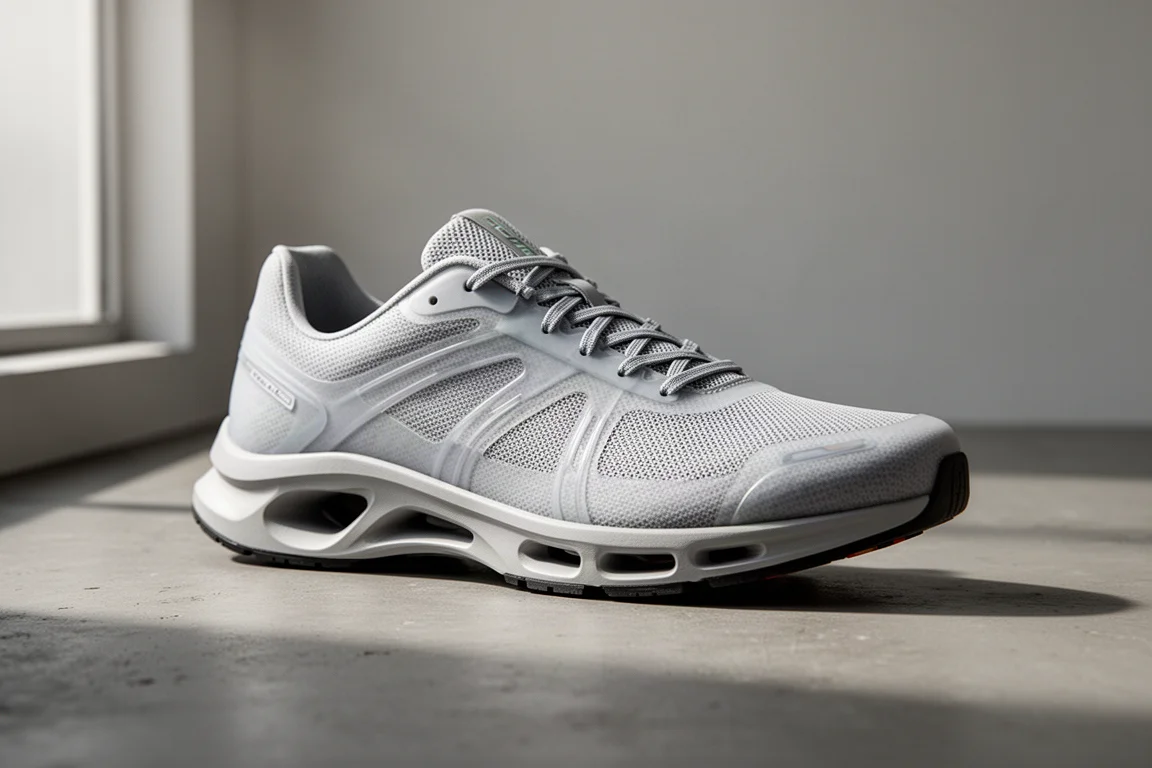
Introduction
New Balance has spent the last year rolling out a new midsole experience called InfiniCoil. It first appeared in the 1080 v15 as a comfortable daily trainer foam, then showed up in the speed-oriented SuperComp Rebel, and now it has landed in the brand’s flagship racer: the SC Elite v6. This is the second version in a row that feels like New Balance is finally stating a clear point of view about what its racing shoe should be, and that point of view is going to appeal strongly to some runners and less to others.
Who This Shoe Is For
The SC Elite v6 is aimed at midfoot strikers who miss the old race flat feel but still want the benefits of modern super shoe technology. Despite a full 40 mm stack height at the heel, it rides like a lower, more minimalist racer, and that low-slung character is exactly what long-time runners may find familiar. For the runners it suits, it should work across nearly all road distances, from the mile to the marathon and possibly beyond.
What Makes the SC Elite v6 Different
On paper, this is a 40 mm stack shoe with an 8 mm drop, which puts 32 mm of foam under the forefoot. The midsole uses InfiniCoil foam, which in the SuperComp Rebel is a TPU-based compound; confirmation that the SC Elite version is also TPU has not been confirmed, though it is widely suspected to be.
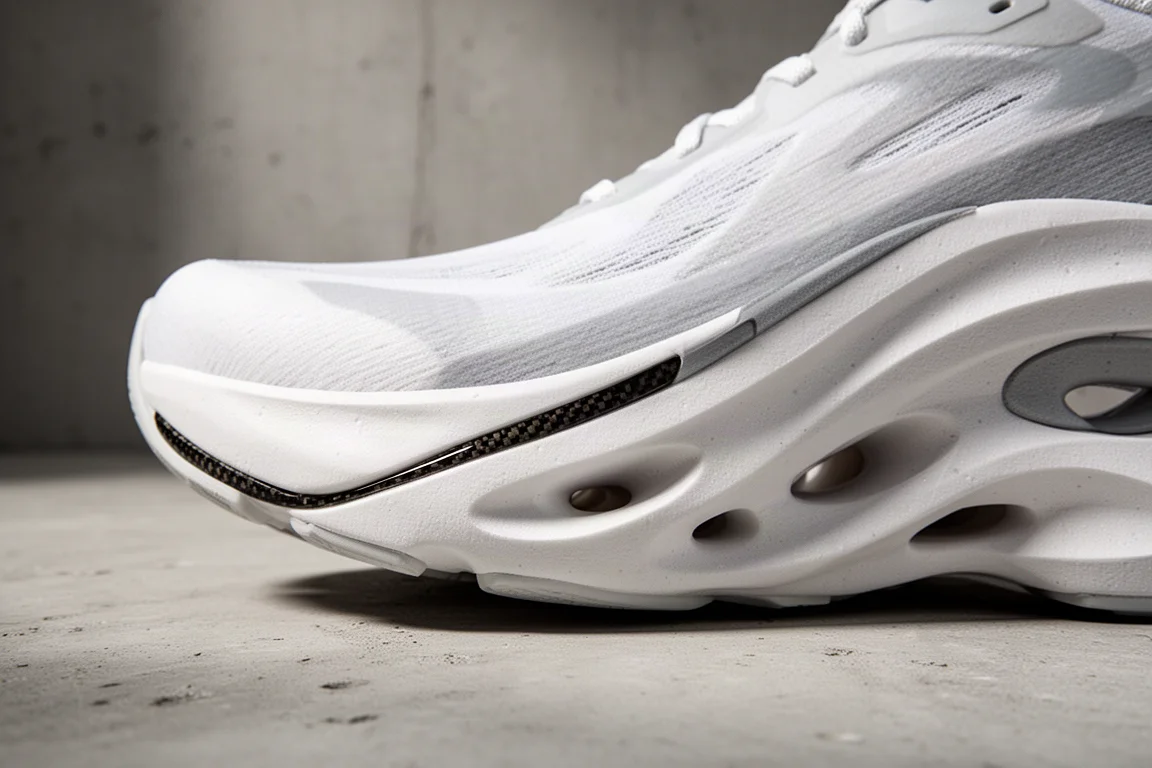
The standout architectural feature is the canyon design carried over from the SC Elite v5. A channel cuts across the midline of the shoe, exposing the Energy Arc carbon fiber plate, flanked by two large sidewalls. Through that window you can see the plate’s angle of attack: it starts high at the back and slopes down to sit low beneath the forefoot pads. That low plate position is not quite as extreme as the SC Rebel’s, but it is still low enough to enhance forefoot stability, which shapes much of how this shoe feels.
Fit, Upper and Weight
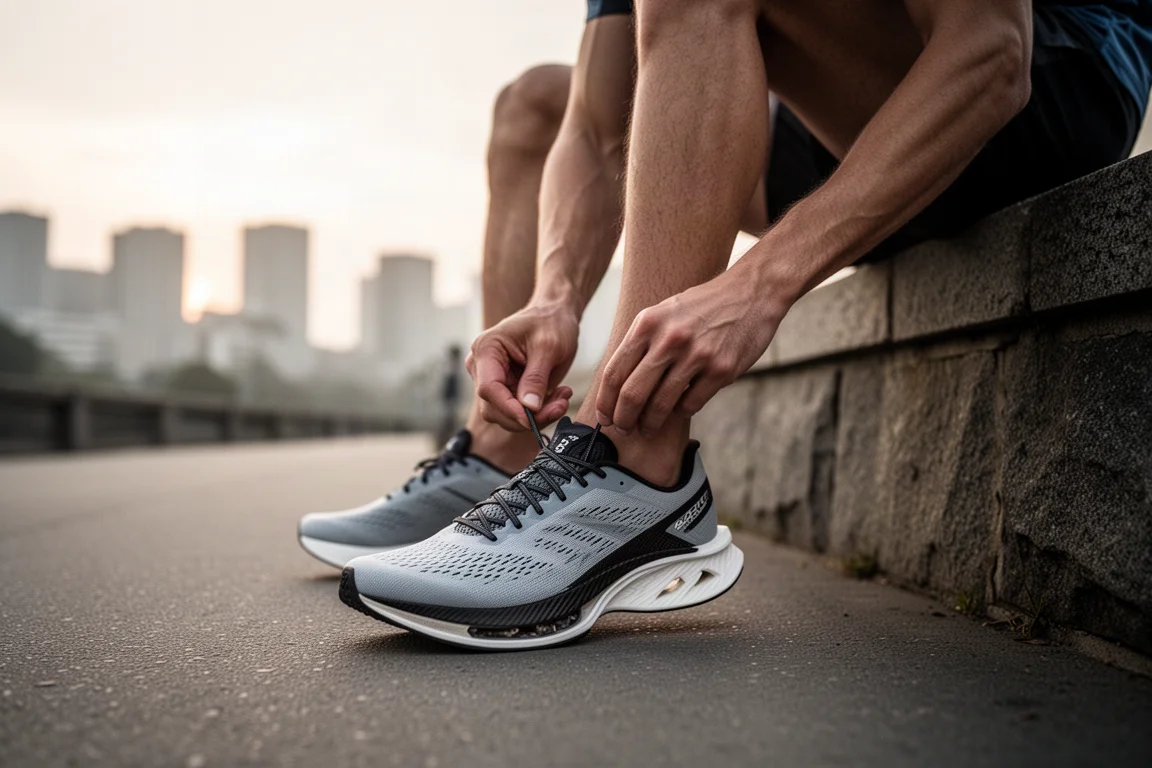
The upper uses Phantom Fit in a very stripped-down race execution. A wire mesh is breathable yet strong, supported with TPU similar to the SC Rebel. The tongue is extremely thin and mostly mesh, with a little padding at the top to relieve lace pressure under the knot. The heel collar and cup have a small amount of padding, and the back of the shoe is pleasantly flexible for a race product.
Fit is very close to last year’s SC Elite v5, and going with your regular running shoe size should work for most people. Weight is a genuine strength: a US men’s size 9 comes in at 6.6 oz (188 g), almost half an ounce lighter than the v5.
How It Runs
Despite the 40 mm heel, this shoe feels like a low stack racer. The foam still cushions road impact well, and the lightness and material choices give it a sense of speed, but that speed is subtle and almost understated rather than flashy. There is little pop from the forefoot on toe-off, and even with the canyon design, there is not the big bounce you might expect from this foam-plus-energy-plate combination when landing midfoot or further back.

That said, it remains a very fast shoe. It handled threshold work with plenty of power in the reps and also held up over long runs, covering distance and time on feet while still absorbing faster miles. The trade-off comes down to that deliberately low plate position: it keeps the forefoot from rocking back and forth on push-off, which is reassuring for midfoot strikers who roll through to toe-off, but it can feel less exciting for runners who prefer a forefoot-striking, pop-forward racer. This is precisely what gives the shoe a strong identity, and unlike earlier SC Elite versions, it has real potential to become some runners’ favorite racing option.
Things to Consider Before Buying
The outsole offers decent forefoot coverage with rubber skids at the heel, but the tread is shallow. On gravel, when pushing off hard from the forefoot, the shoe felt a little slippery. Wet-road performance has not been tested, so that remains an open question.
Price is the other consideration. At $275, it sits at the going rate for racing shoes in 2026, though it is arguably one tariff more expensive than it needs to be.
Buying Advice
If the price gives you pause, there are several strong paths to consider depending on what you want from a racer. Going back to the SC Elite v5 saves meaningful money: it shares the same stack height, drop, and plate position philosophy, but uses PEBA-based FuelCell instead of InfiniCoil and has an outsole with more teeth compared to the v6’s relatively slick outsole. Originally $265, it now sells for around $200 in a wide size run.
The SuperComp Rebel is another New Balance option. It also uses InfiniCoil and starts at 40 mm in the heel, but with a 4 mm drop and an even more aggressive low plate position. It shines at easy and tempo training paces and is less aggressive than the SC Elite v6 at speed, making it a natural training companion. For runners who loved the soft-but-bouncy, less aggressive feel of the SC Elite v4, it could even serve as a marathon racer at $200 instead of $275.
Among the competition, the Hoka Cielo X1 3.0 shares a canyon design and a rigid forefoot intended to roll you into push-off, but it feels far taller on the foot, with more foam compression and a livelier pop. It also costs $275, so the choice between the two comes down to ride preference rather than price. The 361 Mirai Nuance 2 is the stripped-down lightweight option: roughly an ounce and a half lighter than the SC Elite v6, firm, responsive, and almost ricocheting off the ground. It retailed at $220 and now sells for around $180, though the size run is limited at both the small and large ends. If you can find your size, it is a genuine racing bargain.
Conclusion
The SC Elite v6 is a good thing for New Balance racing: a shoe with real personality and a clear identity. It is an aggressive, stable, race-flat-feeling marathon racer for midfoot strikers, and it may finally become a favorite rather than just a solid option. Runners who want more forefoot pop or a taller, bouncier ride should look at the alternatives, but for its intended audience, this is a compelling $275 racer.
Product link
View more details for New Balance SC Elite V6
This product is mentioned in the review. Check the specifications, options, and compatibility before buying.
View more details for New Balance SC Elite V6Further reading
Related Reviews
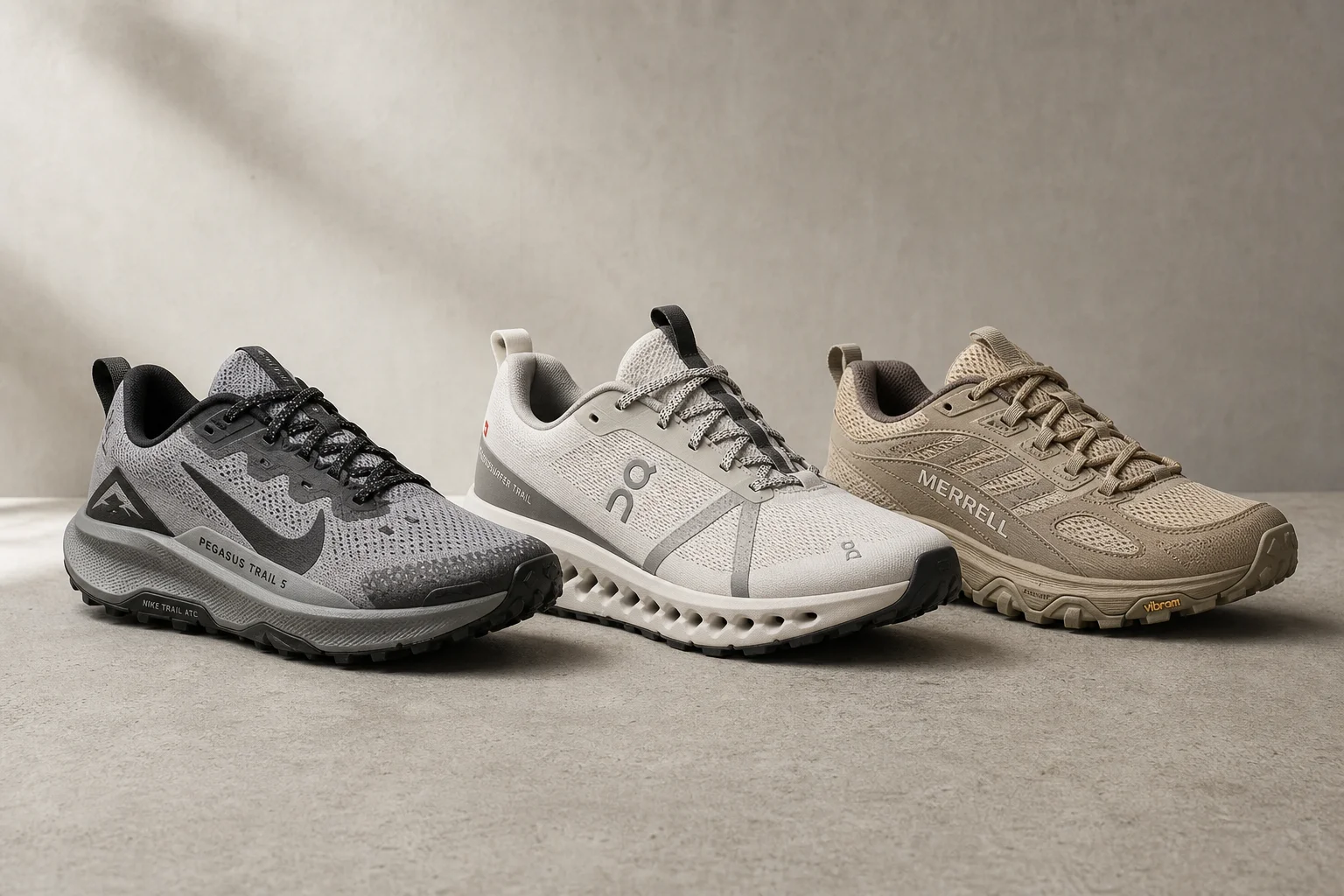
Running Shoes
Best Road-to-Trail Running Shoes: Three Versatile Options for Mixed Terrain
A practical guide to three road-to-trail running shoes that handle both pavement and mild trails, with clear strengths and trade-offs for different runner types.
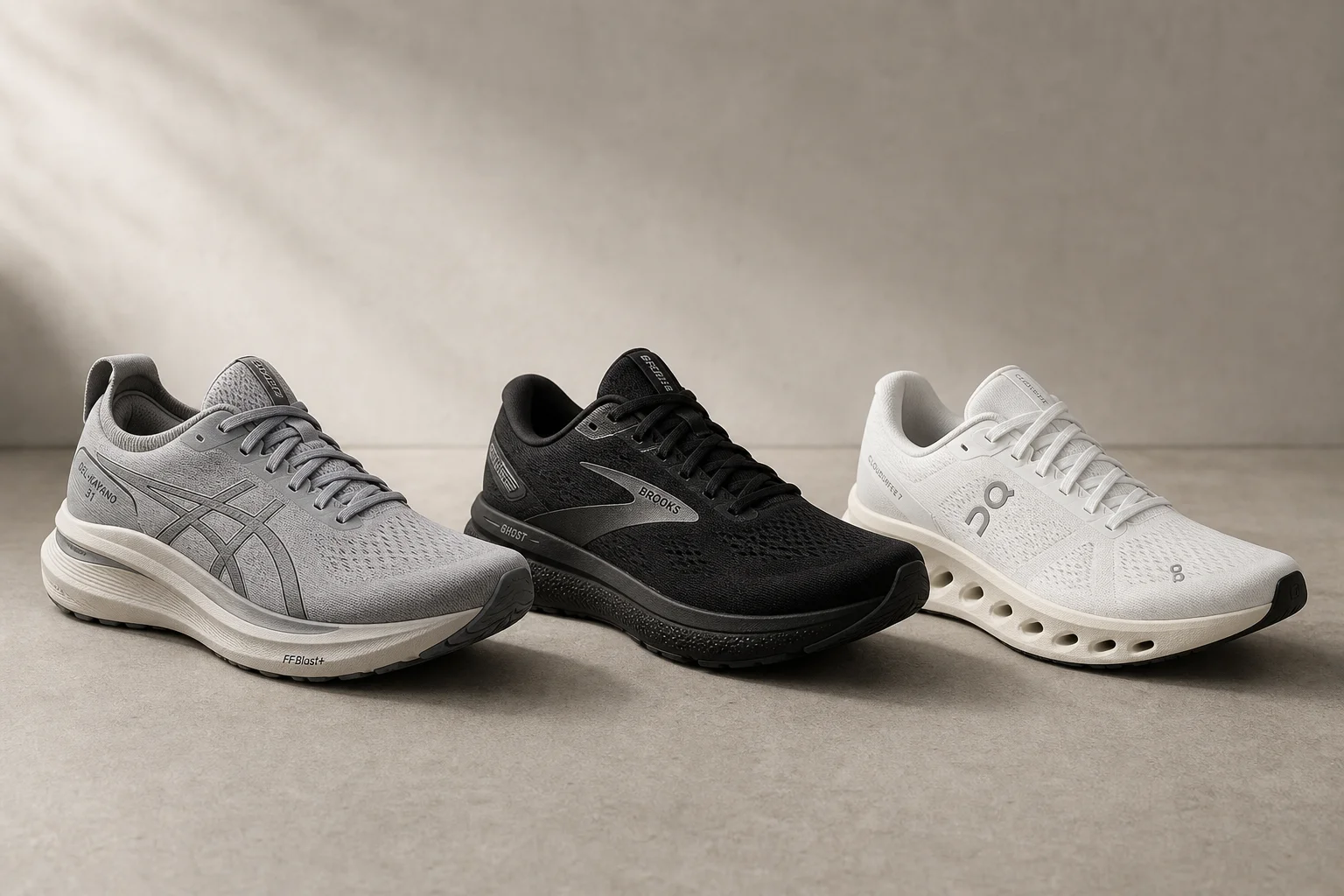
Running Shoes
Best Running Shoes for Achilles Tendonitis: Three Options Explained
Three running shoes with different heel drops and support features designed to help reduce Achilles tendon pain during walking and running.
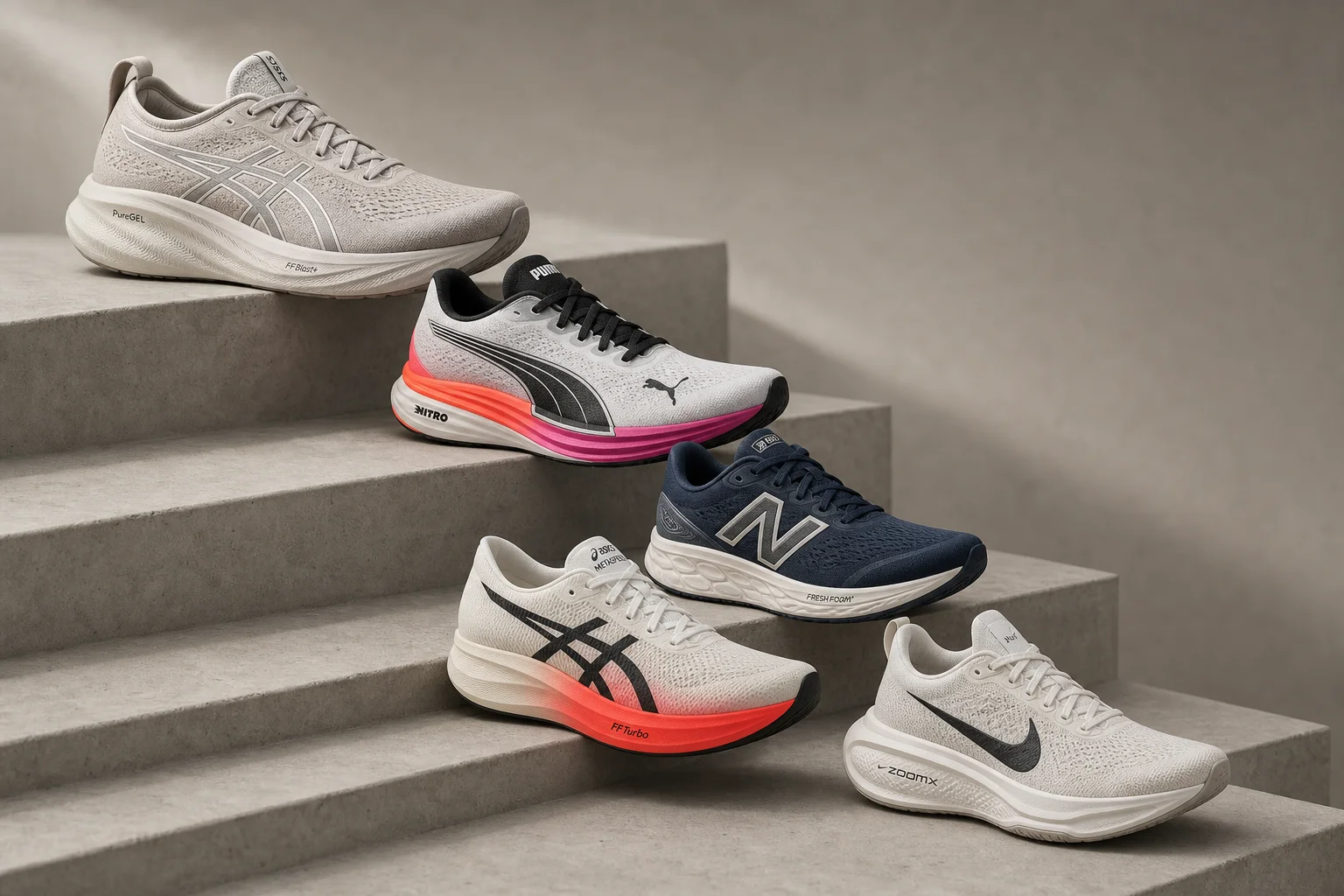
Running Shoes
Best Running Shoes for Women: Five Top Choices Ranked
A ranked guide to five women's running shoes, from versatile daily trainers to high-performance racing options, with real strengths and trade-offs for each.