Running Shoes
New Balance SC Elite v5 vs v6: Which Super Shoe Actually Fits Your Racing?
The SC Elite v6 is lighter, bouncier, and faster, while the v5 remains the more stable and comfortable long-run option. Here's how to choose between them, plus why the SC Rebel v1 may be the truer v5 upgrade.
Introduction
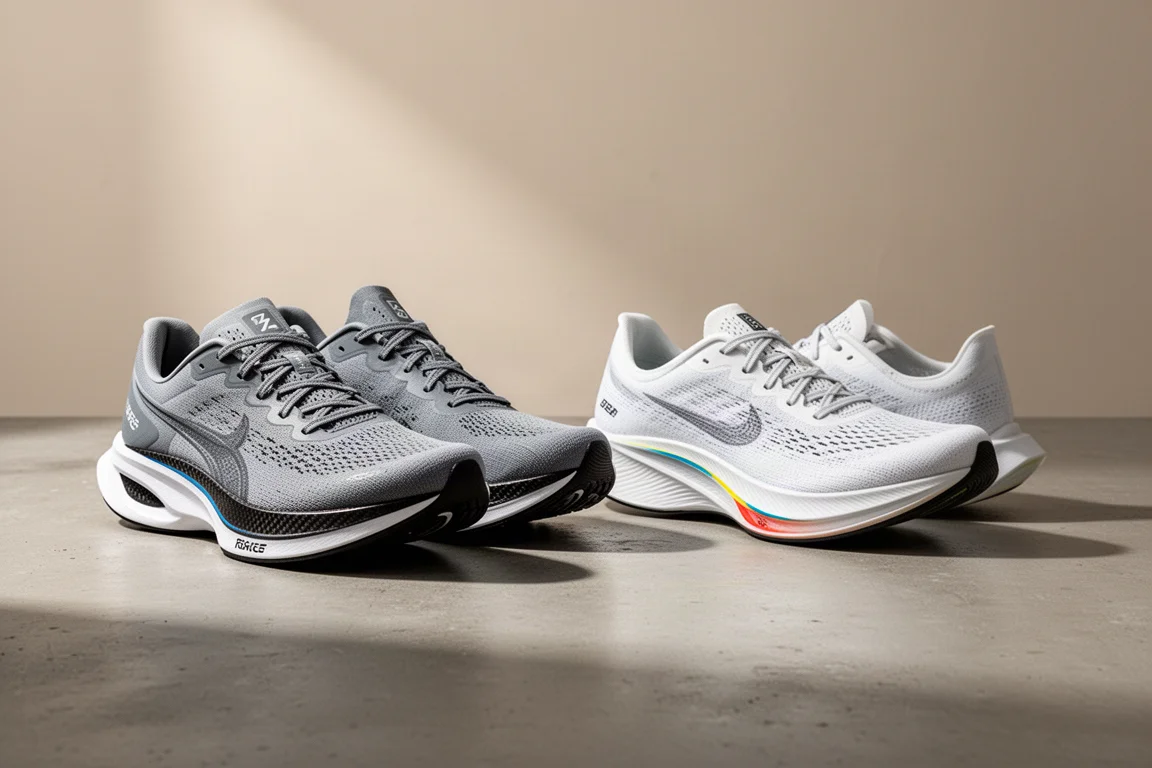
The New Balance SC Elite v5 was one of the standout racing shoes of its generation: not the fastest thing on the market, but weirdly stable, very comfortable, and excellent for long runs. The SC Elite v6 is a completely different shoe. It is a massive progression forward in speed and weight, but it changes the ride, the fit, and the stability profile so much that v5 owners should think carefully before upgrading.
This comparison breaks down how the two differ in weight, ride, stability, fit, and durability, and why the New Balance SC Rebel v1 may actually be the more natural successor for fans of the v5.
Specs: A Massive Weight Drop
In a men’s size 10, the SC Elite v5 comes in at 7.9 ounces, about 223 grams. The v6 drops all the way down to 193 grams, roughly 6.8 ounces. That is a huge reduction between two shoes in the same line.
Stack heights are nominally the same: 40 millimeters in the heel, 32 in the forefoot, for an 8-millimeter drop. But how that stack feels in the v6 depends on where you land, because the new FuelCell midsole is much softer than the firmer PEBA-based setup in the v5.
Ride: Bouncy and Aggressive vs Consistent and Firm
The v5 feels like its numbers suggest: a bit firmer, with a stiff plate that takes time to break in, then settles into a consistent, trainer-racer-like ride over long miles. The v6 is the opposite. It is bouncy, responsive, and much more compliant, with noticeably more compression in the midsole.
That softness matters for heel strikers, who make up roughly 70 to 80 percent of runners. The v6’s softer foam creates a lower dynamic drop, so you load different parts of your foot. It is not good or bad, just different, and it makes the shoe feel more aggressive.
The v6 also rolls faster off the forefoot thanks to more pronounced toe spring from the plate wrapping up closer to the toes. If you are sensitive to that lifted toe feel, be aware, but the payoff is a shoe that moves considerably quicker than the v5, which transitioned more slowly and rewarded long, cruising efforts instead.
Stability and Ride Character
Here is the key trade-off. The v5 was much more stable despite a narrow midfoot, thanks to a lateral bias in the forefoot, a midfoot sidewall, and a laterally angled forefoot rocker. For runners who collapse at the first toe, that structure works beautifully. Runners who like to pivot off the first toe may not enjoy it as much.
The v6 keeps some of that lateral forefoot bias and medial structure, which provides nice guidance for re-supinating at toe-off. The problem is the softer foam combined with a narrow heel: the heel and midfoot are simply not as stable. For runners who need structure back there, that limits the usable distance.
The v6 works best from 5K to 10K, and maybe up to half marathon distance if you are stable enough. The v5 remains the better choice for long runs and cruising miles where consistency matters more than top-end speed.

Fit and Uppers: Two Totally Different Shoes
The v5 upper is one of the most comfortable super shoe uppers available. It has generous volume and width even though it looks narrow, with a wide version available, and it suits higher-volume feet unusually well for a racing shoe. The structured gusseted tongue adds to the comfort. The main complaint is a stiffer heel counter.
The v6 goes the opposite direction. It fits like a true racing shoe: lower volume, close fit, more tapered toe box, and a sleeker forefoot. Runners with a high instep will find it fits low across the top of the foot. The tongue, while wide, tends to fold at the front edge.
Where the v6 clearly wins is the heel: there is no rigid heel counter at all, plus a small tab that keeps pressure off the Achilles. That matters, because the Achilles tendon responds poorly to sustained compression around it. For anyone with sensitive Achilles tendons, this design is a genuine advantage.
Durability: The Biggest Question Mark
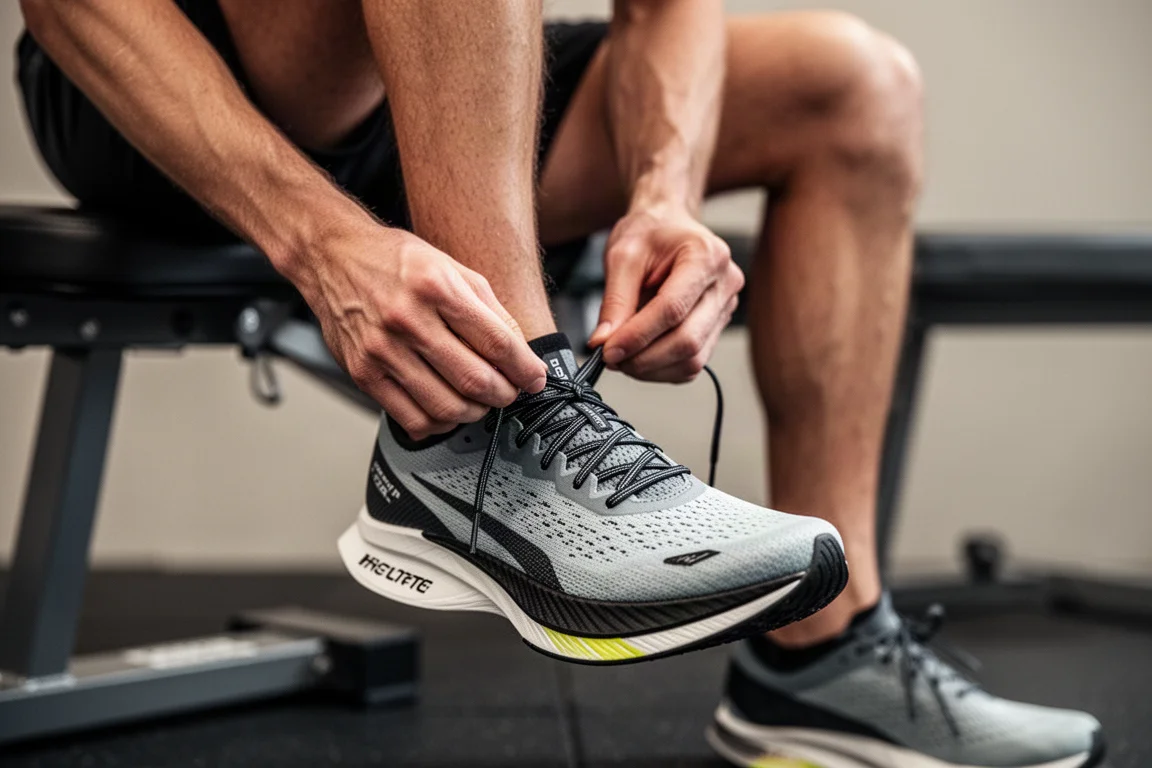
The v6’s durability is the real concern. After about 40 miles, the thin outsole rubber on the exposed sections is already showing significant wear, and there is not much of it to begin with. The softer midsole’s long-term resilience is still an open question, since softer foams do not always hold up as well as firmer ones.
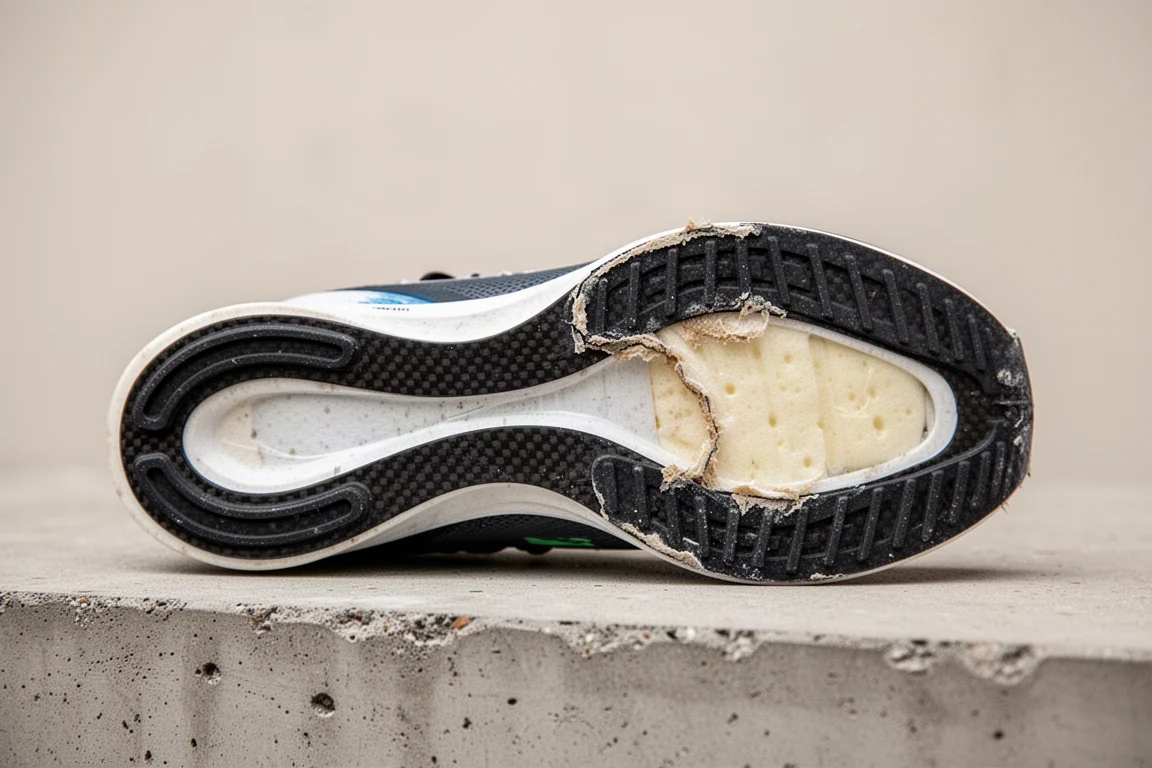
The v5, by contrast, is doing extremely well at 120 miles and should deliver considerably more total mileage. That durability gap is hard to ignore given the pricing: the v6 sits at a premium price point while the v5 can currently be found at steep discounts, sometimes around $130 to $150. If you want the fast ride badly enough, the v6 may still be worth it, but the v5 is exceptional value right now.
The SC Rebel v1: The Truer v5 Successor
For runners who loved the v5, the more honest upgrade path may be the New Balance SC Rebel v1 rather than the v6. The v6 is not worse, just entirely different: faster, lighter, and way more aggressive, but less stable in the rearfoot and less versatile. The SC Rebel v1 preserves more of what made the v5 appealing while modernizing the package.
The v6 is now genuinely competitive with the lighter super shoes on the market, and it is the pick for shorter races. But if comfort, stability, and trainer-racer versatility were what drew you to the v5, look at the SC Rebel v1 first.
Which One Should You Buy?
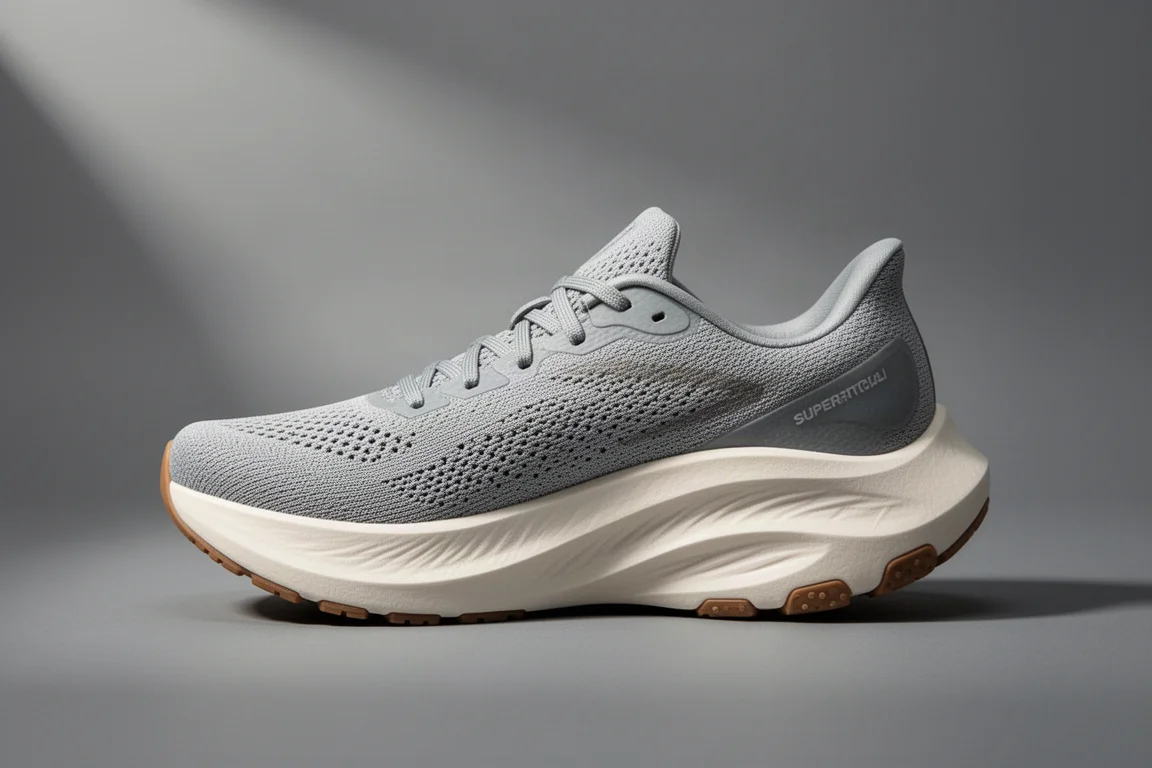
Choose the SC Elite v6 if you want a fast, bouncy, aggressive shoe for 5K and 10K racing, you are a forefoot striker or stable enough through the heel for longer efforts, and you prefer a low-volume racing fit. It is one of the quickest shoes in its weight class.

Choose the SC Elite v5 if you prioritize comfort, stability, and long-run performance. It handles cruising miles beautifully, fits higher-volume feet, and its outsole is proving far more durable, all at a steep discount right now.
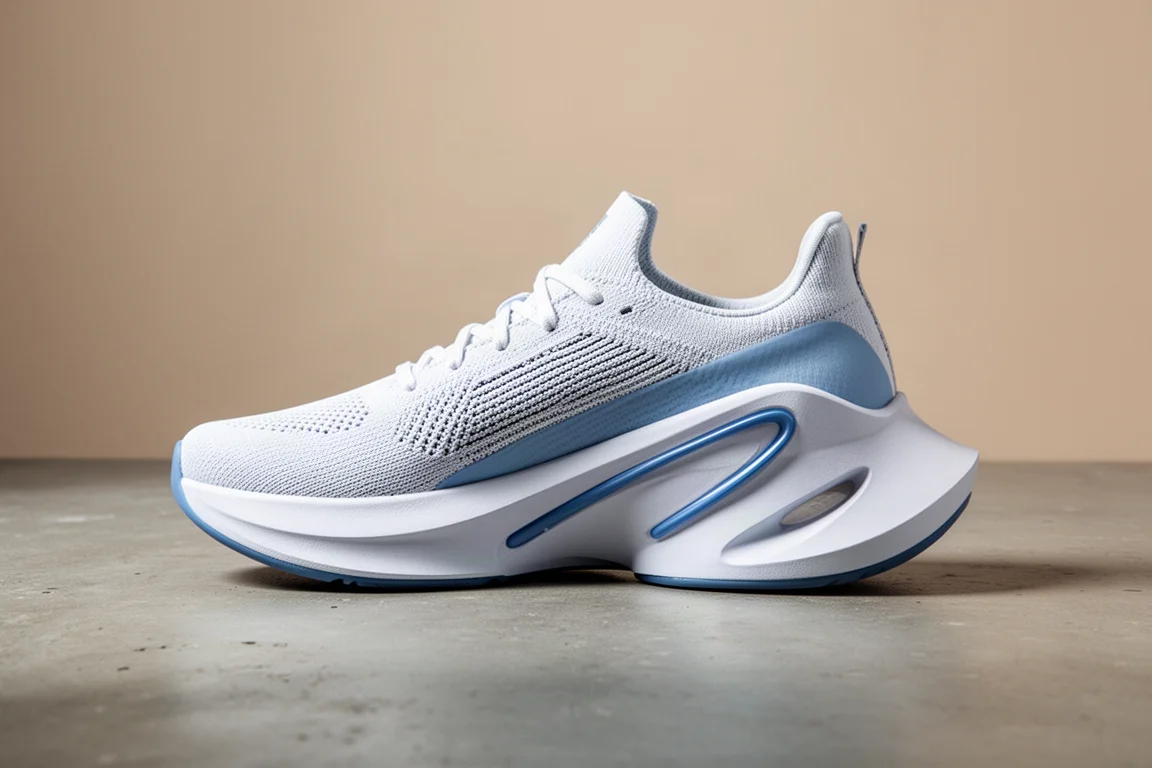
If the v6’s speed appeals but you need the long-run comfort and structure the v5 offered, the SC Rebel v1 is worth a close look as the middle path.
Conclusion
These are different shoes with different rides, fits, and stability profiles. The v6 is lighter, bouncier, and built for speed, while the v5 remains the more stable, comfortable, and durable option for long miles, now at a significant discount. Neither is strictly better. Match the shoe to how you actually run, and you will be happy with either.
Further reading
Related Reviews

Running Shoes
Best Road-to-Trail Running Shoes: Three Versatile Options for Mixed Terrain
A practical guide to three road-to-trail running shoes that handle both pavement and mild trails, with clear strengths and trade-offs for different runner types.

Running Shoes
Best Running Shoes for Achilles Tendonitis: Three Options Explained
Three running shoes with different heel drops and support features designed to help reduce Achilles tendon pain during walking and running.

Running Shoes
Best Running Shoes for Women: Five Top Choices Ranked
A ranked guide to five women's running shoes, from versatile daily trainers to high-performance racing options, with real strengths and trade-offs for each.