Running Shoes
New Balance SC Elite v4 First Run Review: Firm, Stable, and Built for Speed
A first run in the New Balance SC Elite v4 reveals a firmer, flatter carbon racer than the v3, one that rewards faster paces and offers standout stability.
Introduction
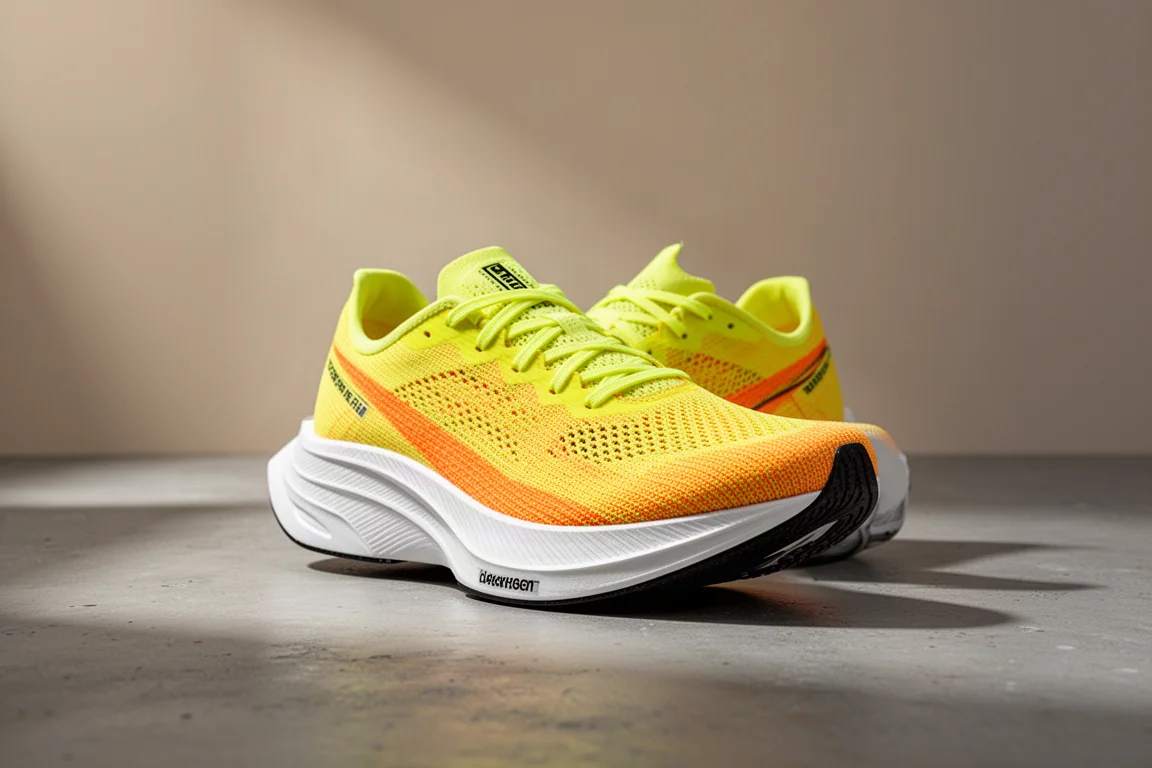
The New Balance SC Elite v4 arrived as one of the more intriguing releases in the super shoe category, largely because New Balance has taken a clear risk with the direction. The SC Elite v3 was widely known as a soft, forgiving, accommodating racer. The v4 goes somewhere completely different: firmer, flatter, and much more focused on outright speed. After a first 10-mile run that mixed relaxed aerobic miles with a progression down to marathon pace and beyond, the picture that emerges is of a shoe that wants to be taken seriously as a top-tier marathon racer, and that rewards runners who are willing to push.
First Impressions: Build, Foam, and Outsole
Right out of the box, the standout detail is the foam. The FuelCell midsole here is 100% PEBA, but it feels noticeably firmer than the softer FuelCell blends used in the SC Trainer v2 and the Rebel line. Pressing a thumb into the midsole reveals very little give. It reads more like a durable training-grade foam than a squishy race-day compound, which suggests it should hold up over the long term.
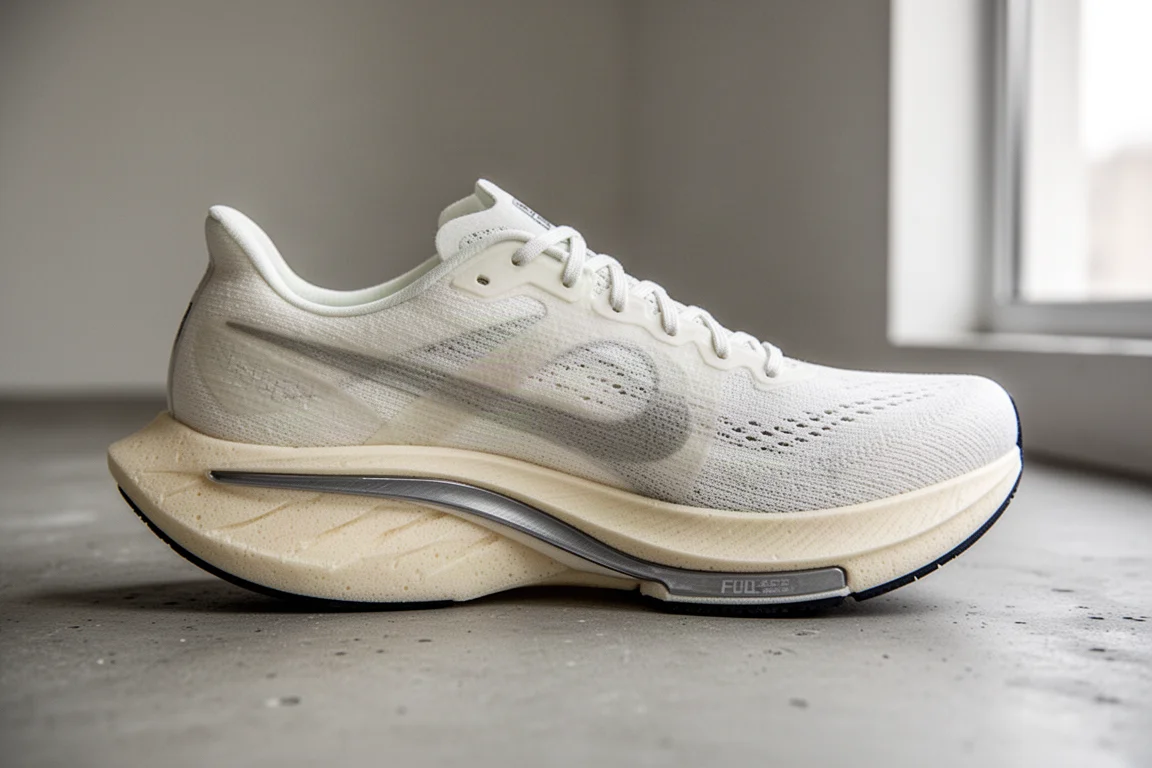
The outsole is another high point. New Balance has extended rubber coverage out over the back of the heel, something some competitors skip entirely, and the rubber quality feels genuinely good underfoot. Combined with a stiff full-length carbon plate and the Energy Arc geometry, the platform looks built to take a beating. The upper uses what New Balance calls Phantom fit, a thin, structured engineered mesh that feels closer to the scratchy, non-stretchy material on some Adidas racers than to the larger-holed mesh of the Vaporfly or Alphafly.
On the spec sheet, the shoe lists a 39mm heel, a 35mm forefoot, and a 4mm drop, with a claimed weight of 8.1 oz. On a scale, a size 10 pair came in at 246g per shoe, which is heavier than the Vaporfly, Alphafly, and Saucony Endorphin Pro 3, but lighter than the Hoka Cielo X1. Much of that weight appears to come from a more substantial, training-shoe-like upper, a wider platform, and generous rubber coverage rather than from the foam itself.
First Run: 10 Miles at Steady and Marathon Pace
The test run was structured as roughly two warm-up miles, four working miles progressing from around 6:30 pace down to 5:45 to 5:50, and a cool-down to round out 10.2 miles at a 7:10 average. The goal was to see how the shoe behaves at marathon effort and how it compares primarily to the Saucony Endorphin Pro 3, a shoe often recommended to newer runners as a first carbon-plated marathon racer.
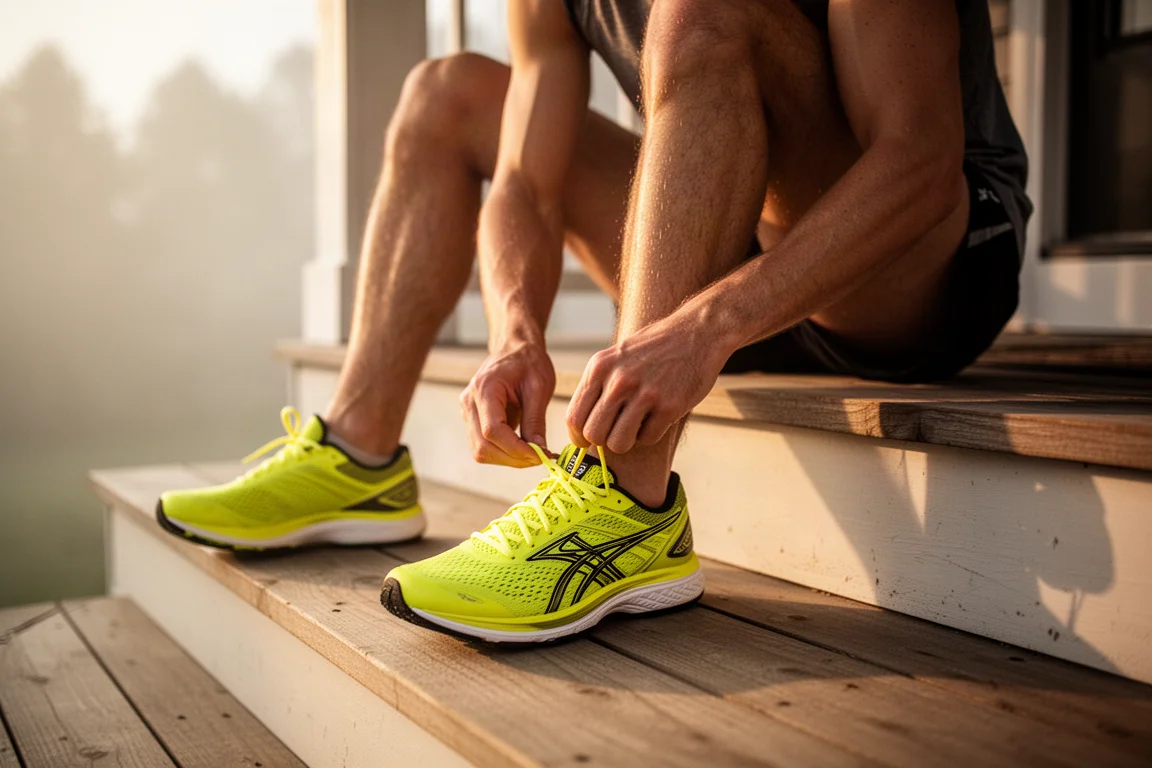
On foot, the SC Elite v4 feels surprisingly normal for a super shoe. It is much less aggressively rockered than the Hoka Cielo X1, with a wider and more stable base than the Vaporfly, whose narrow heel and midfoot can feel precarious just walking around. The closest comparison in feel is a robust version of the New Balance Rebel: flat, planted, and traditional, rather than tilted forward onto the toes.
How It Rides: Firm, Flat, and Faster the Harder You Push
The key finding of the first run is that this is a shoe that pays you back in proportion to what you put in. At easy jogging paces, the first two miles did not feel great. The ride is firm, the geometry is flat, and there is no natural bounce or forward tip doing the work for you. Runners coming from softer, more rockered shoes will need a few miles to adjust their mechanics.

As the pace dropped, though, the shoe kept feeling better. In the mid-six-minute marathon zone it felt solid, and at 6-flat and sub-6-minute effort, roughly 10K to half marathon pace, it genuinely started humming. The carbon plate and firm PEBA foam respond to force rather than providing free speed, which positions the v4 much closer to the Adidas Adizero line of non-plated, lower-stack shoes in character than to the Alphafly or Cielo X1.
That flat platform, paired with the 4mm drop, rewards a flatter foot strike. Many modern marathon racers put you up on your toes; this one does not. The trade-off is real: with more stability often comes less fun. There is none of the soft, squishy bounce that makes shoes like the Saucony Endorphin Speed 2 enjoyable at everyday paces. What you get instead is exceptional lock-down and a planted, secure ride. For runners who have stability concerns, this may be one of the best options in the super shoe category, and that stability does not appear to come at the expense of speed, only at the expense of fun.
Who Should Consider It
New Balance appears to be positioning the SC Elite v4 as their firmest, fastest option, leaving the soft end of the lineup to the SC Trainer v2 and the softer models in the range. The firm PEBA foam also suggests strong durability: the foam should stand up better to repeated high-mileage weeks than softer ZoomX-style compounds, and the extensive rubber outsole adds to that confidence.
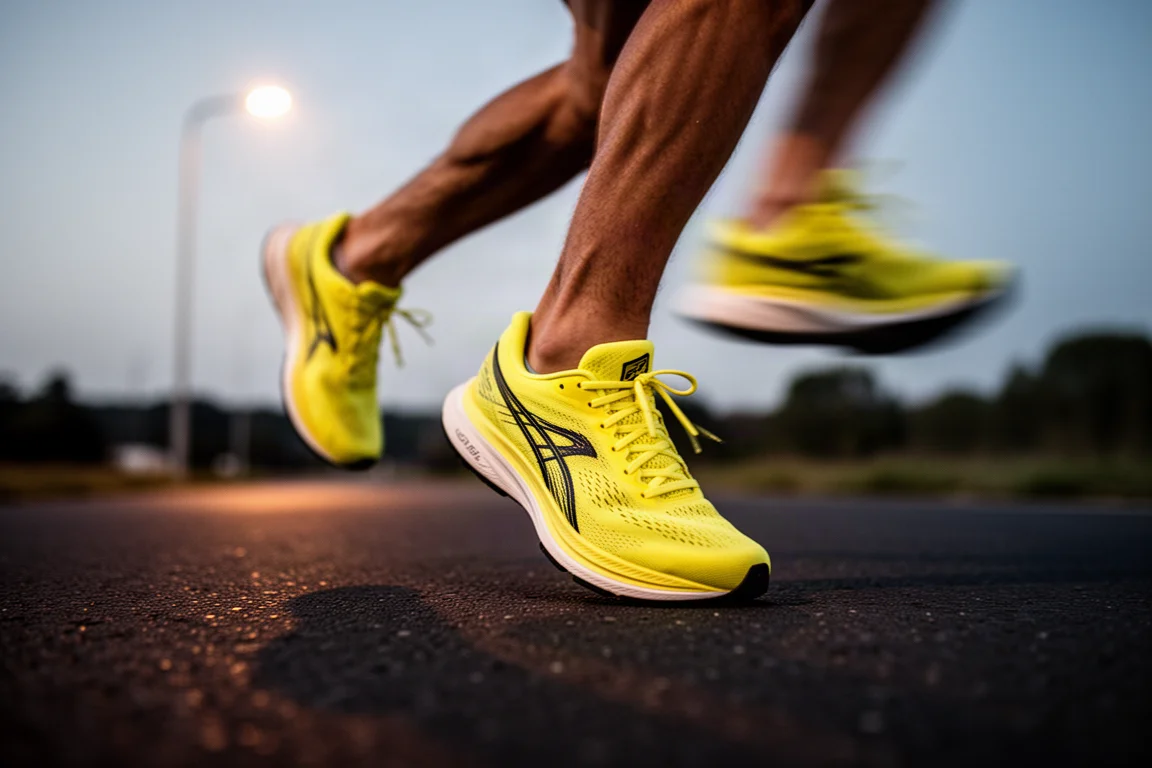
If you like shoes such as the Brooks Hyperion Max or the Puma Velocity Nitro 3, the SC Elite v4 looks like a strong marathon racer fit. If you are coming from softer, more approachable shoes like the New Balance 1080, the SC Trainer v2, the Nike Invincible, or the Saucony Endorphin Speed 3, this is probably not the racer for you. It also seems less suited to runners targeting four-hour marathons; the intent seems to be a shoe for the sub-3-hour crowd, with the SC Trainer line covering the more forgiving middle ground.
Fit, Sizing, and Everyday Usability
The fit is one of the pleasant surprises here. Despite New Balance’s stated reluctance to make accommodating racers, the toe box is decently roomy and considerably wider than what Saucony offers, roughly comparable to Hoka. The heel collar is unusually substantial and rigid for a racing shoe, more like a training-shoe upper, which likely contributes to the extra weight but also to the excellent lock-down.
One clear sizing note: do not size down. A half size small left the toes pressed against the front of the shoe, and true to size is the safer call for racing and fast running. The lacing system is exactly what a race shoe needs: simple, light, and unfussy. Breathability could not be fully judged in mild 65-degree conditions, but the upper held the foot securely with no wiggle room.
Buying Advice
The SC Elite v4 makes the most sense for faster runners who want a firm, stable, durable super shoe and do not need their racer to feel soft or bouncy. It suits runners targeting roughly 3-hour marathon pace and faster, and it should double as a capable long-run and workout shoe thanks to that firmer foam. Runners who loved the soft, forgiving character of the v3 should look elsewhere, including within New Balance’s own lineup. Planned follow-up testing includes top-end 5K and 10K pace work and a steady 20-plus-mile long run to see how the foam behaves over distance.
Conclusion
The New Balance SC Elite v4 is a statement shoe. It abandons the soft, forgiving identity of its predecessor in favor of a firm, flat, highly stable ride that rewards committed effort at faster paces. It is not the most fun shoe at easy paces, and it asks more of your mechanics than the aggressively rockered competition, but the stability, lock-down, and apparent durability make it a compelling pick for serious marathoners who value a planted ride over plushness.
Product link
View more details for New Balance SC Elite v4
This product is mentioned in the review. Check the specifications, options, and compatibility before buying.
View more details for New Balance SC Elite v4Further reading
Related Reviews

Running Shoes
Best Road-to-Trail Running Shoes: Three Versatile Options for Mixed Terrain
A practical guide to three road-to-trail running shoes that handle both pavement and mild trails, with clear strengths and trade-offs for different runner types.

Running Shoes
Best Running Shoes for Achilles Tendonitis: Three Options Explained
Three running shoes with different heel drops and support features designed to help reduce Achilles tendon pain during walking and running.

Running Shoes
Best Running Shoes for Women: Five Top Choices Ranked
A ranked guide to five women's running shoes, from versatile daily trainers to high-performance racing options, with real strengths and trade-offs for each.