Running Shoes
New Balance Running Shoes 2024: Full Lineup Guide and Top Picks
A complete walkthrough of the New Balance FuelCell and Fresh Foam 2024 lineup, from the budget-friendly Propel V5 up to the SC Elite V4, with the picks worth your money and the ones to skip.
Introduction
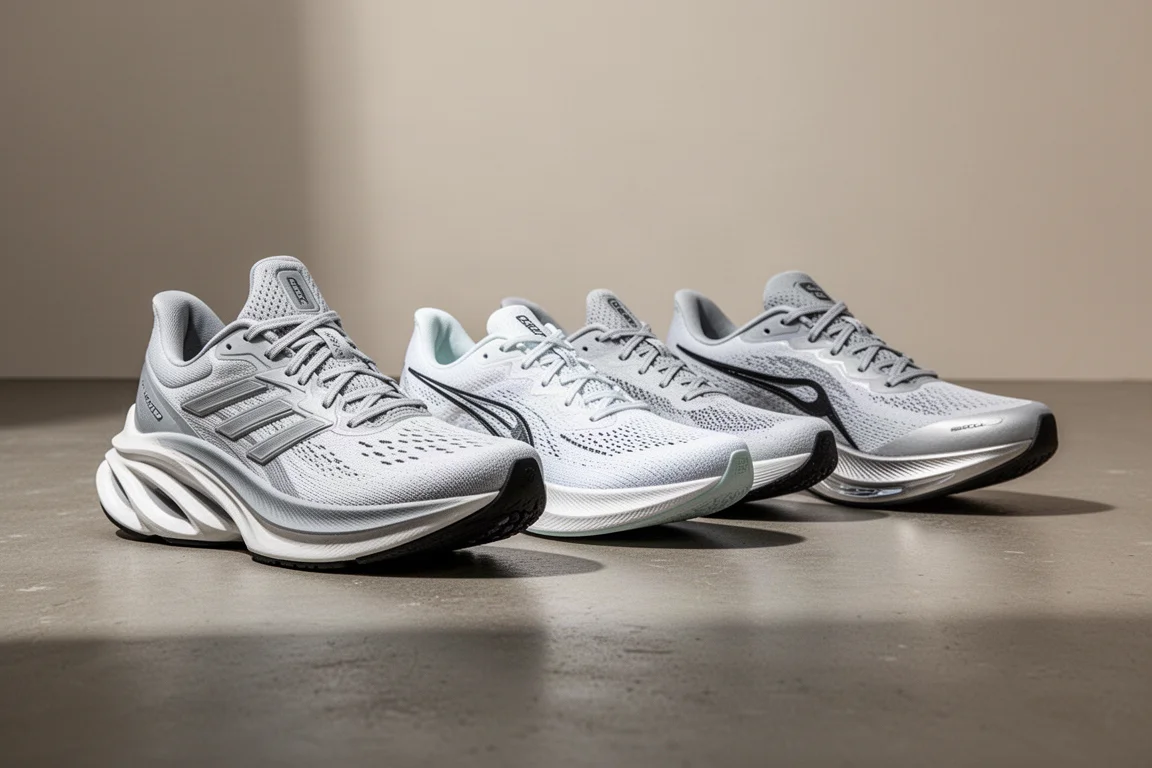
With the Fresh Foam 1080 V14 now out, New Balance’s 2024 core running lineup is complete. This guide walks through the entire FuelCell and Fresh Foam range, starting at the most affordable shoe and climbing to the top-end racer, so you can see exactly where each shoe fits and which ones are worth your money. New Balance’s hit rate this year is high, but a couple of nameplates fall short, so knowing what to skip matters as much as knowing what to buy.
New Balance FuelCell Propel V5
At $120, the FuelCell Propel V5 is the most affordable shoe in the lineup and the entry point to New Balance’s fun-oriented FuelCell family. It pairs soft FuelCell foam with a plastic plate, and the result is a reliable, no-frills daily trainer with a little speed injected into it. Comfort and fit are genuinely good, and it stays pleasant for roughly the first 45 minutes of running at easier paces.
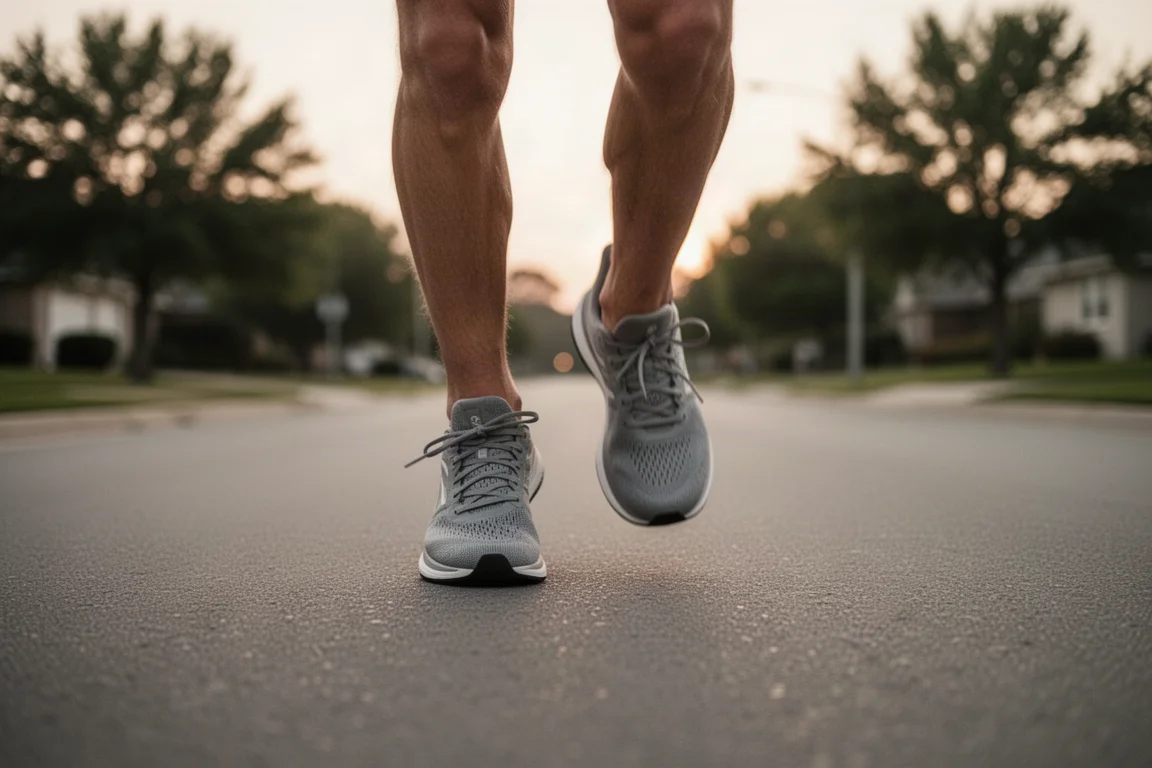
The trade-off is stack height. There is noticeably less cushioning here than in the 1080, and by the end of a ten-mile run we were wishing for a bit more protection. If you are used to super max-stack shoes, that will show; if not, it will feel completely fine. It is roughly equivalent to the Rebel in overall character, and at this price it delivers more value than you might expect. It is not built for high-mileage marathon training, but for high school cross country runners, beginners, or anyone who wants a good-looking shoe for short runs and walking, it is a great pick.
New Balance Rebel V4
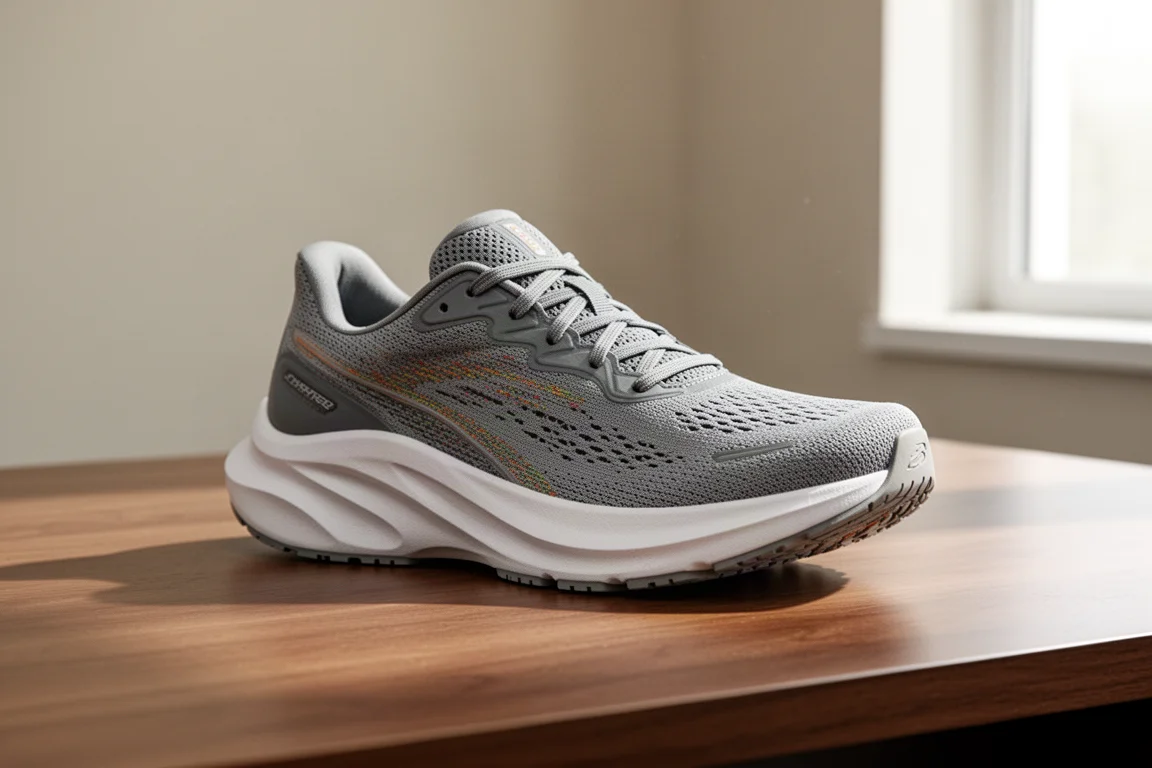
The Rebel V4 is a lightweight speed training and everyday running shoe, and it earns a spot among the best New Balance shoes of the year. Do not let the shared FuelCell branding fool you: FuelCell is a different foam compound across most of the lineup, and here it is blended with race foam to make a shoe that is light, bouncy, and still flexible with real ground feel.
Compared with rivals like the Brooks Hyperion 2, Adidas Adios SL2, and Hoka Mach 6, it is not the absolute favorite of the category, but it sits comfortably in the top handful. Its calling card is softness: it is a touch softer than those competitors and carries a nice rocker. It handled 23-mile runs without complaint, though it is not the ideal long-run shoe for most people. Where it truly shines is faster runs, the gym, and everyday walking, making it the one New Balance shoe to pick if you want a walking and gym shoe that can still turn over quickly.
New Balance Fresh Foam 880
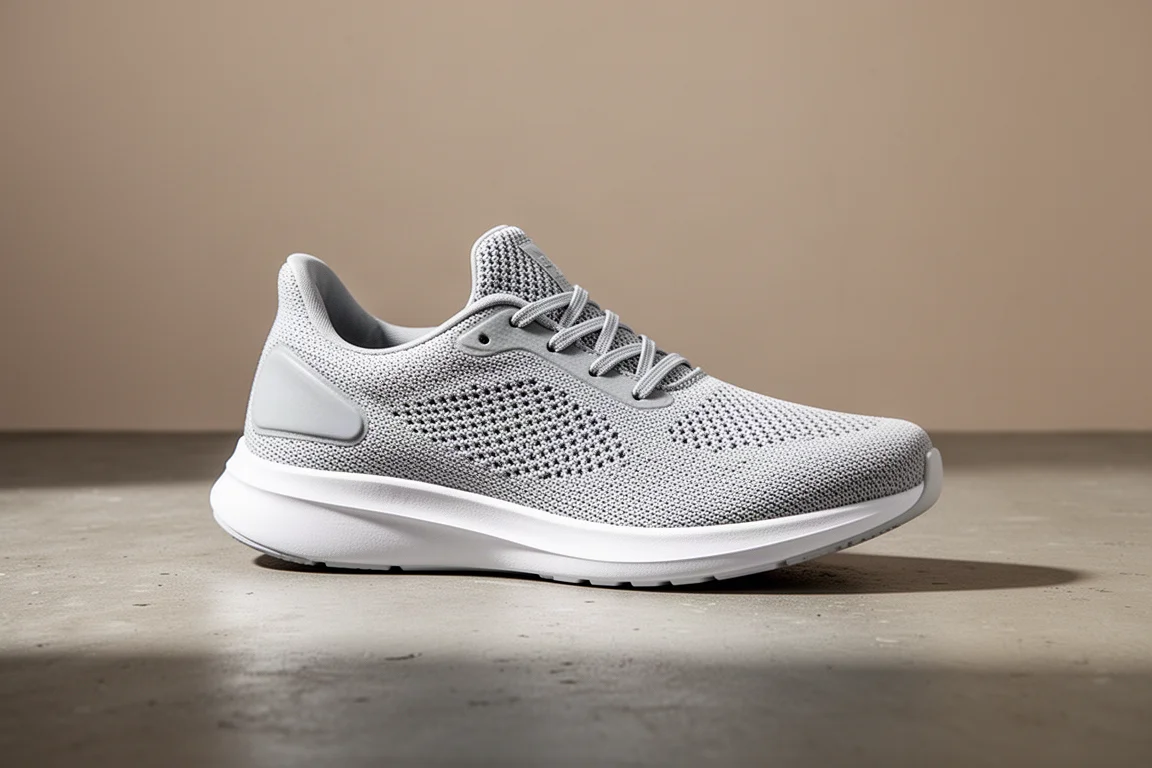
Here is the one to avoid. Despite the Fresh Foam name, the 880 shares none of the character of the other Fresh Foam shoes in this lineup. The foam is stiff, rigid, and firm, and while firmness can work in a speed shoe when it brings responsiveness, the 880 felt flat and dead whenever the pace picked up, then harsh and unforgiving on relaxed miles.
At $140 it is hard to recommend. If you want a faster, more comfortable shoe, the Rebel V4 is the better buy, and if you want a traditional daily trainer, the 860 at the same price does the job far better.
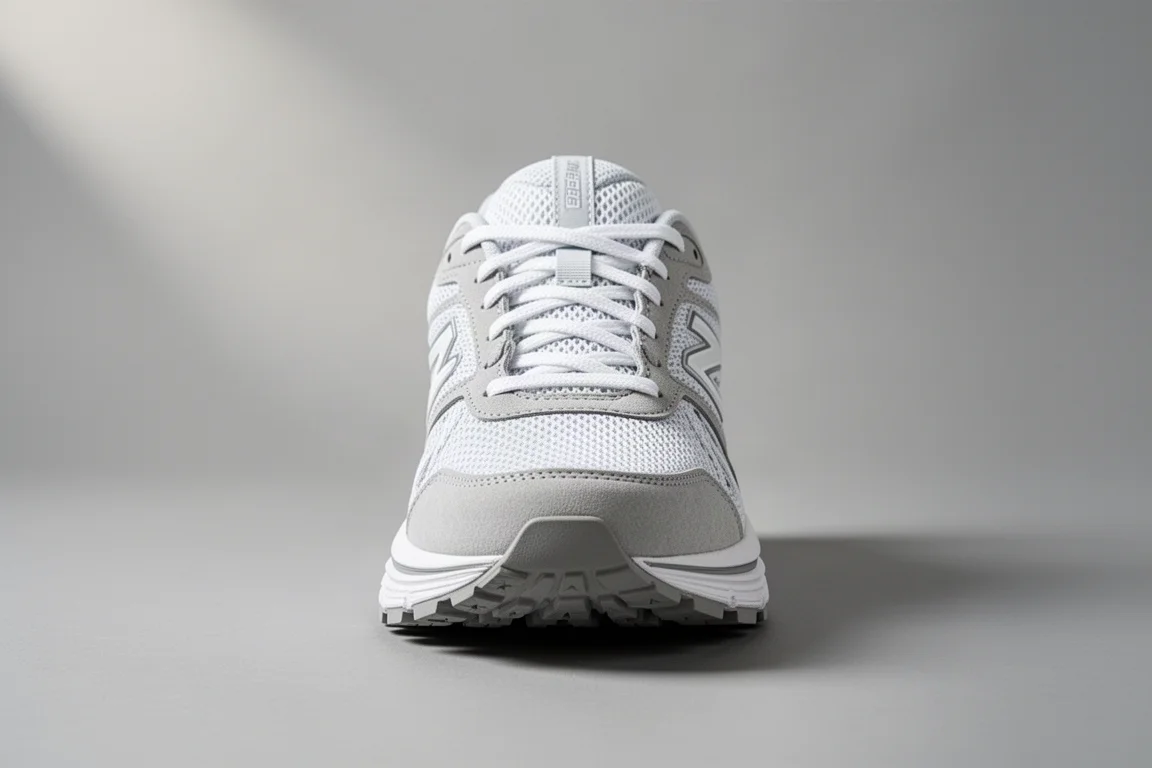
New Balance Fresh Foam 860 V14
The 860 V14 is the stability version of the 880, and the contrast could not be sharper. It features one of the best training midsoles of the year, stability or neutral, with dual-density foam: a firmer layer underneath and a softer layer on top. The stability elements are present but not prescriptive, and they never got in the way of the stride.
Think of it as something like a Saucony Endorphin Speed 3 blended into a more traditional trainer, or the best possible version of a Pegasus. It is much softer than the 880, has genuine bounce, and one of the best training rockers in the business, with a smooth curve at the toe and a well-shaped heel bevel. It ran beautifully up to a 21-mile long run, and if we had to pick a single New Balance shoe for all our miles, this or the 1080 would be it.
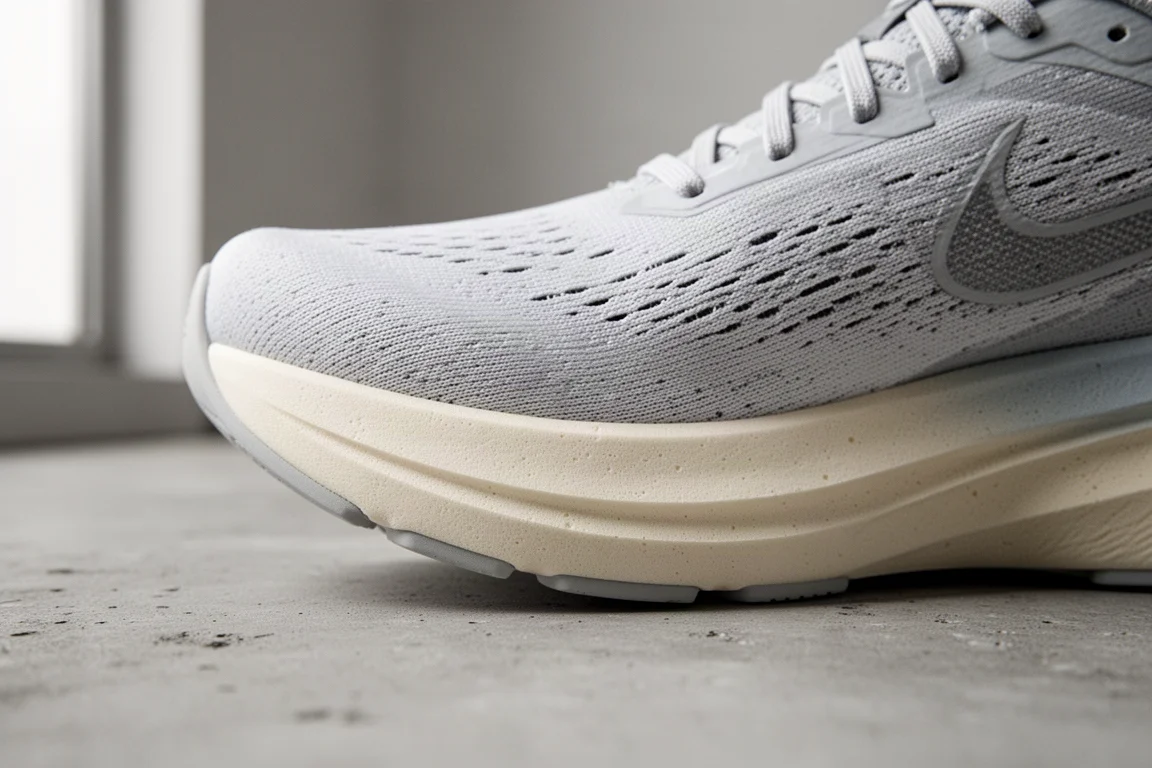
At $140, this is the crowd-pleaser of the lineup: the do-it-all, versatile workhorse. The stack sits in the sweet spot of the mid-to-high 30s, cushioned without losing connection, and nothing in the shoe gets in the way. It suits beginners, bigger runners, and anyone who wants a little support without feeling it, all at a very fair price.
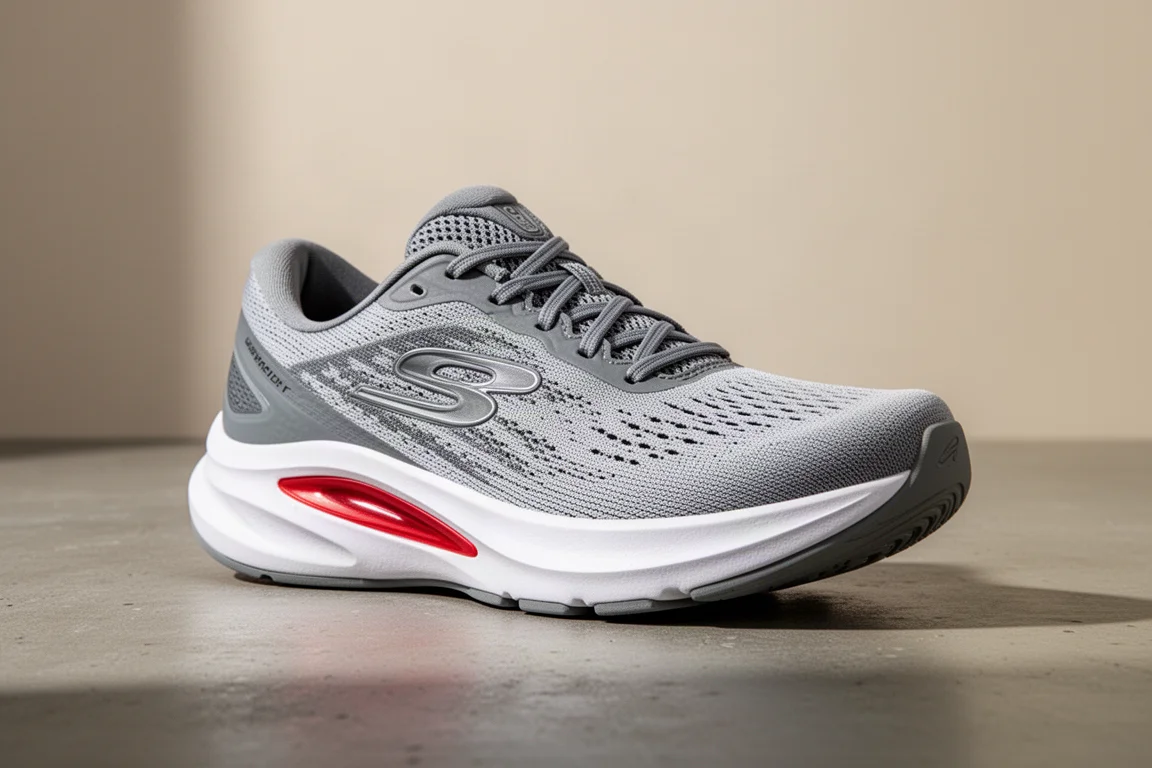
New Balance More V5
The More V5 is New Balance’s max-stack shoe, with more than 40mm of heel foam wrapped around the foot to create a cradle effect. It is not as extreme as the Glycerin Max or MagMax, but it is up there: lots of squish, strong protection, a smooth rocker, and more bounce than you would expect from a shoe this tall. The weight is reasonable, matching the 1080 V14.
The main caveat is the toe box. Many runners found it too narrow, so wider-footed buyers may want to go up half a size or choose the wide version. Bigger runners have also reported bottoming out the soft foam. For everyone else, this is the ultimate comfort shoe in the lineup, ideal for recovery runs, long walks, and everyday wear. It ranks among the most comfortable shoes of the year.
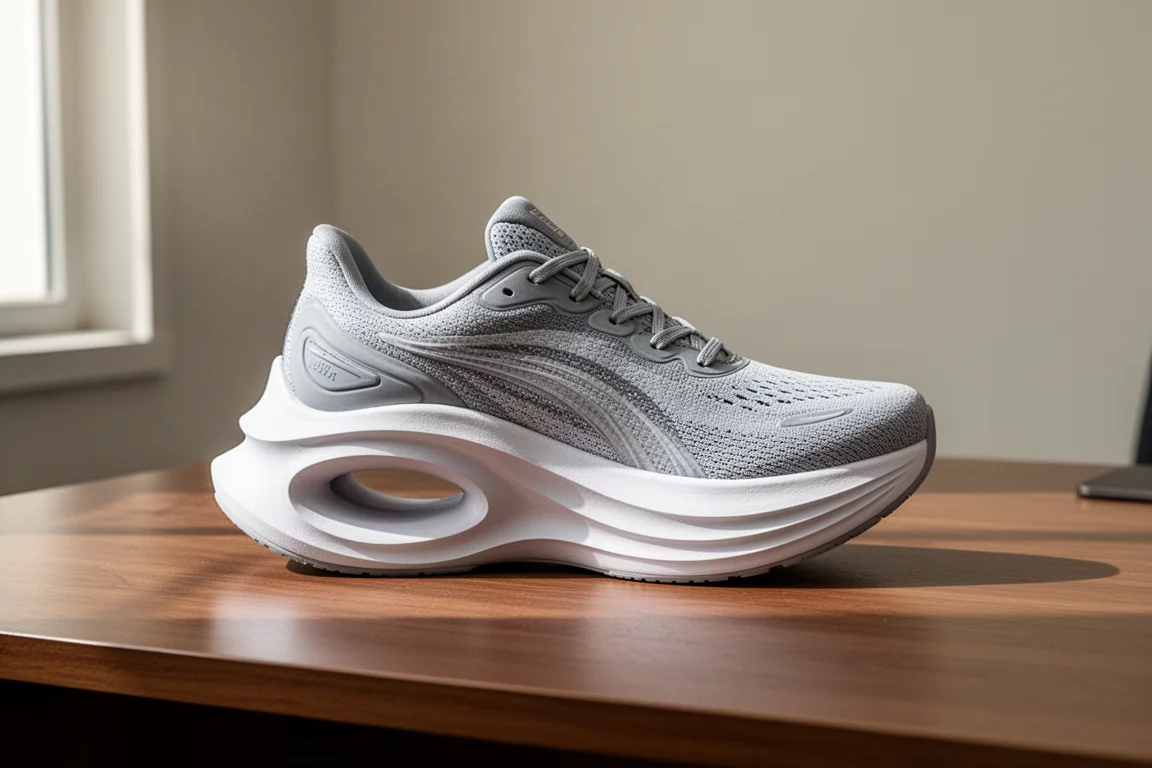
New Balance Fresh Foam 1080 V14
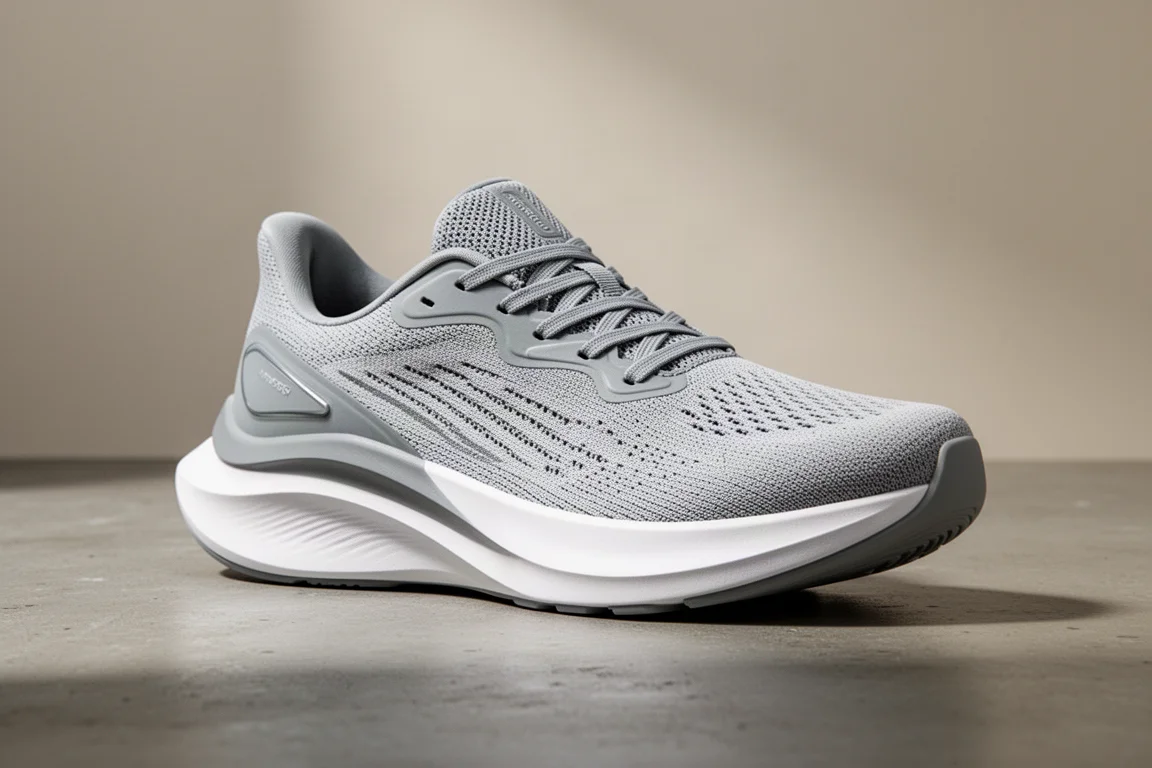
The 1080 V14 is the soft daily trainer of the year in this lineup. It is essentially a softer version of the 860 with a similar design language, firmed up maybe five percent from the V13 without losing the character that made that shoe popular. There is slightly less squish and a touch more bounce, and the improved rocker makes it noticeably smoother.
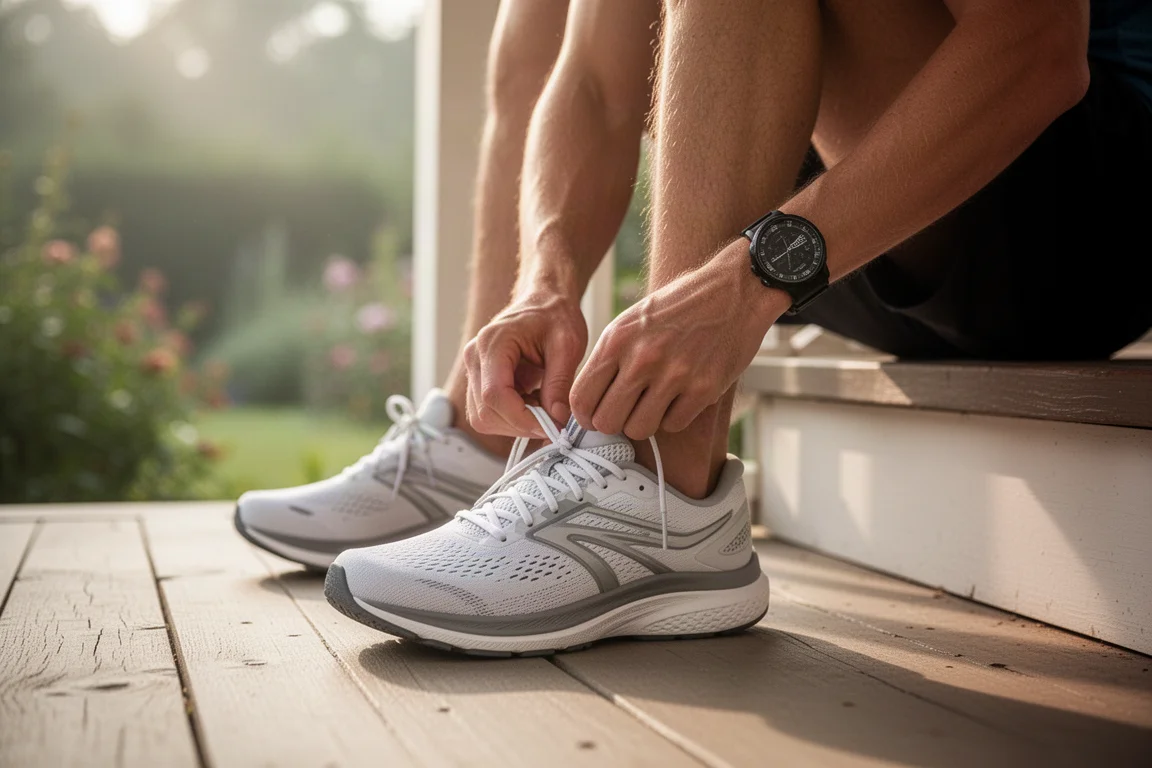
It handled a 20-mile long run with ease. Where it differs from the true max-stack shoes like the Glycerin Max is that it keeps a more traditional feel with a bit more connection to the ground. At $165 it competes with the Nimbus, Glycerin, and Ghost Max, and it is still one of the softest shoes out there. If you want a soft everyday trainer, this is the top pick in 2024.
New Balance SC Trainer V3
The SC Trainer V3 is the plated trainer in the FuelCell line, and it is the first shoe on this list that did not earn a favorite spot. It is stable, comfortable, and protective, with a wide, forgiving platform and a floaty ride. The problem is that it does a bit of everything and excels at nothing. The plate does not deliver the snap you want from a plated shoe, and newer comfort shoes like the Glycerin Max and MagMax do this shoe’s job better.
With about 100 miles on it, the honest verdict is that it was fine but never exciting. Durability and wet-weather grip are genuinely good, as they are across the New Balance range. If you want a first plated shoe for a four-hour marathon and prioritize comfort and reliability over outright performance, it will serve you. If you want the best option in the category, look elsewhere.
New Balance Fresh Foam BOS
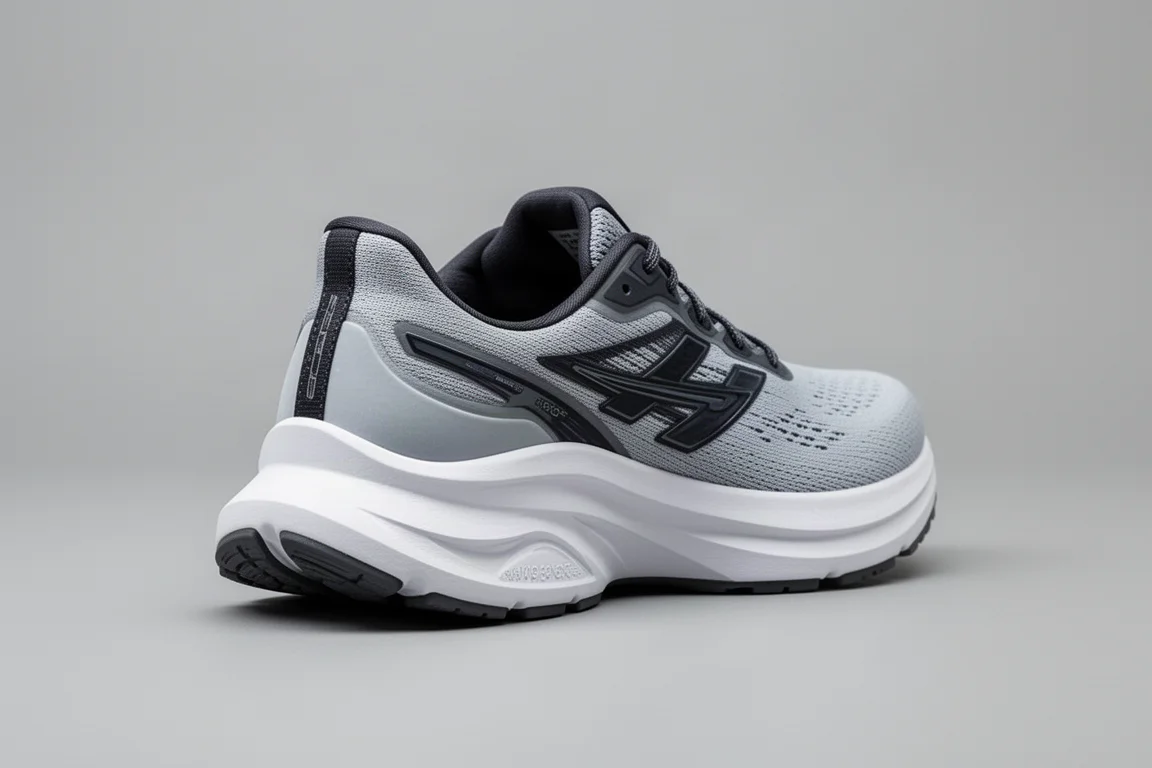
The Fresh Foam BOS is a $200 comfort-oriented hero product that mixes race foam, including PEBAX, into a Fresh Foam shoe for the first time. On paper that sounds like a smash-up of the 1080 and the Rebel, and to an extent it is: soft, light, and fun, especially for recovery miles.
The issue is value. At $200 you want something transcendent, and while the comfort here is genuinely special, the bounce feels underdone. The ride was not better enough than the $165 1080 to justify the gap, and durability on the outsole looked weaker after similar mileage. If New Balance firms up the foam in a second version, this could be a standout. For now, it is a cool innovation shoe for enthusiasts rather than the smart purchase.
New Balance SC Pacer V2
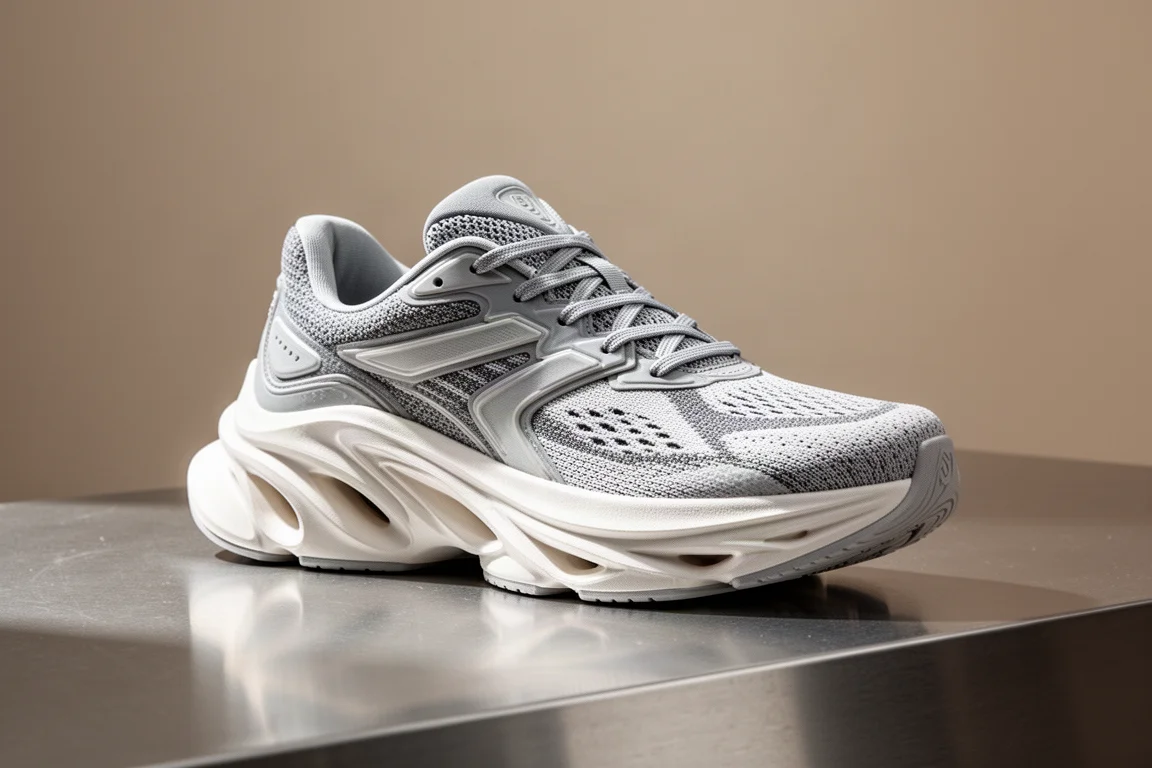
The SC Pacer V2 is the sleeper of the lineup. As a 5K, 10K, and half marathon racing shoe, it gets little hype, but it uses the same race foam as the marathon racer with a carbon fiber plate, in a package that is significantly lighter and lower. It lands in a sweet spot: not too soft, not too firm, not too tall, with more ground feel than a typical marathon shoe.
It is not the most aggressive racer, and some testers wanted more magic from a $200 shoe, but as a speed shoe that still carries classic New Balance comfort, it worked brilliantly over a 22-mile long run and in interval sessions. With decent rubber coverage and higher-density foam, it protects well for its stack. If you want a modernized racing flat feel, or the best interval shoe in the New Balance range without going full marathon racer, this is the pick.
New Balance SC Elite V4
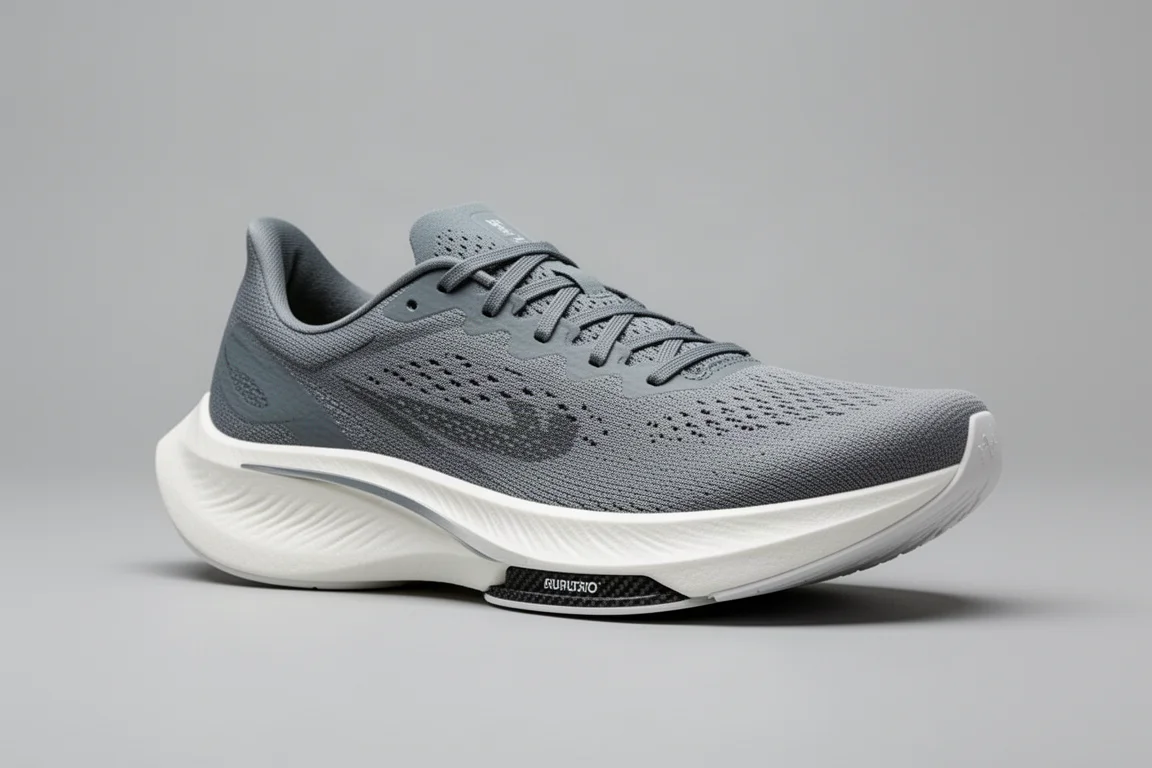
The SC Elite V4 sits at the top of the lineup at $250 as the flagship marathon racer, and it is New Balance’s first use of full PEBAX race foam. It is protective, comfortable, smooth, and stable, with nothing wrong with the ride. It just lacks the special quality of the very best race shoes.
It feels remarkably similar to the SC Trainer V3, so much so that if you want that comfortable, floaty, protected experience, the Trainer at a lower price is the more sensible buy. Against the top-tier racers of the year, it is simply a step behind. A solid shoe with all the right adjectives, but not the one we would line up in for a marathon PR attempt.
New Balance Vongo V6
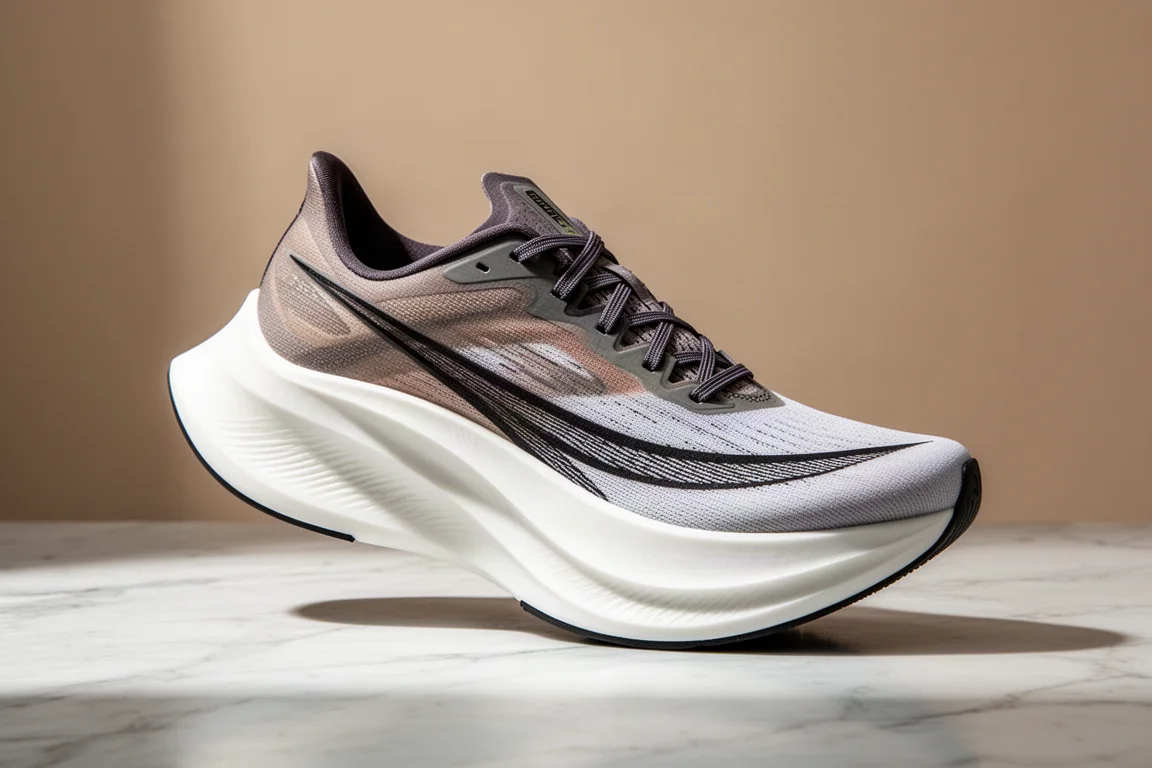
The Vongo V6 is nominally the stability version of the 1080, but the 860 already fills that role so well that the Vongo feels purposeless by comparison. In a short test it ran fine, but it felt firmer than both the 1080 and the 860, and it did not earn a place among the preferred stability options. Unless it fits your foot uniquely well, the 860 is the better stability buy and the 1080 the better neutral one.
Buying Advice: The Short List
If you want the quick version, here is how the lineup shakes out:
- Rebel V4 for lightweight speed, the gym, and walking.
- 860 V14 for most people: the versatile, do-it-all workhorse at $140.
- More V5 for maximum cushion, comfort, and recovery miles.
- 1080 V14 for the best soft daily trainer for everyday mileage.
- SC Pacer V2 for fast running at shorter distances.
Skip the 880, think twice about the SC Trainer V3 and SC Elite V4 unless the specific ride appeals, and treat the BOS as an enthusiast’s curiosity. On durability and wet grip, New Balance held up well across the range.

Match the shoe to the job: soft comfort points to the 1080 or More V5, all-round versatility points to the 860, and speed points to the Rebel V4 or SC Pacer V2. Choose on that basis and it is hard to go wrong.
Conclusion
New Balance’s 2024 lineup is deep and largely excellent, with the 860 V14 and 1080 V14 standing out as the best do-it-all and soft daily trainers of the year, the Rebel V4 and SC Pacer V2 covering speed, and the More V5 owning comfort. The 880 is the clear misstep, and a few higher-priced options are outclassed by cheaper siblings. Pick by purpose rather than price, and this range offers something genuinely good at nearly every budget.
Further reading
Related Reviews

Running Shoes
Best Road-to-Trail Running Shoes: Three Versatile Options for Mixed Terrain
A practical guide to three road-to-trail running shoes that handle both pavement and mild trails, with clear strengths and trade-offs for different runner types.

Running Shoes
Best Running Shoes for Achilles Tendonitis: Three Options Explained
Three running shoes with different heel drops and support features designed to help reduce Achilles tendon pain during walking and running.

Running Shoes
Best Running Shoes for Women: Five Top Choices Ranked
A ranked guide to five women's running shoes, from versatile daily trainers to high-performance racing options, with real strengths and trade-offs for each.