Running Shoes
New Balance Running Shoes Roundup: Four Trainers and Racers That Cover Every Kind of Run
The Fresh Foam More v4, SC Trainer, Rebel v3, and SC Pacer each serve a distinct purpose. Here is how they differ and which one fits your running.
Introduction
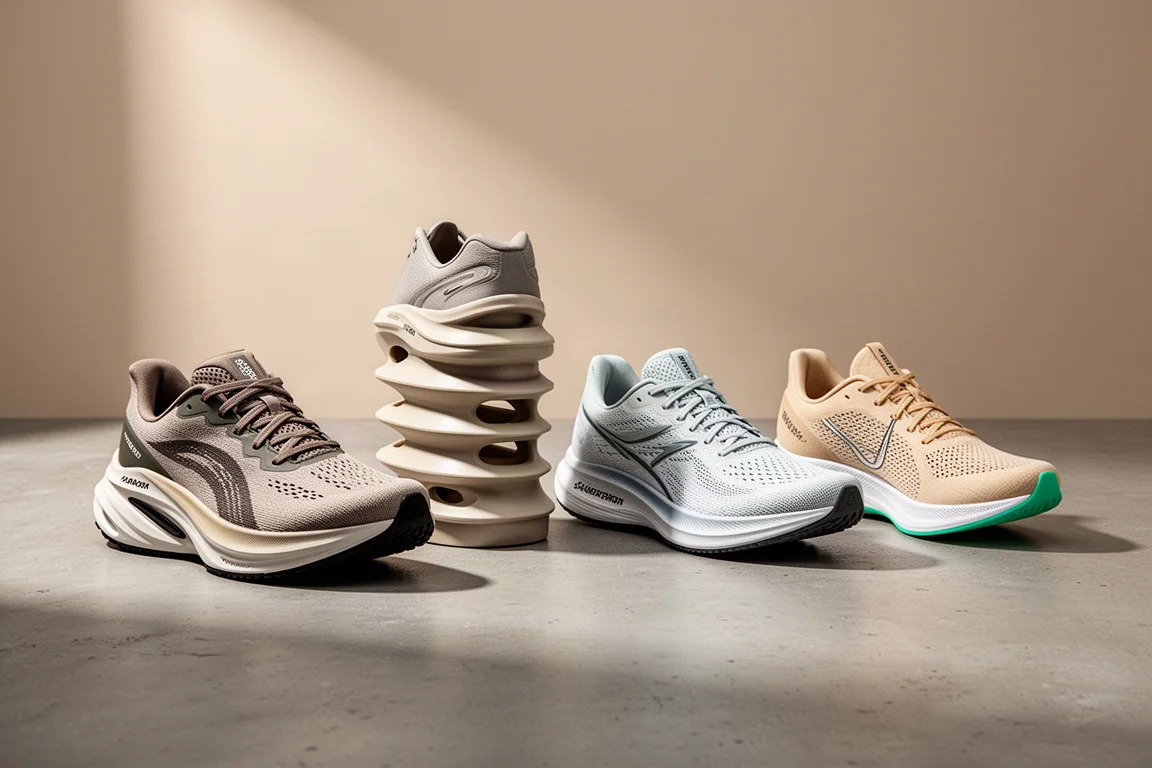
New Balance has quietly built one of the most clearly differentiated running lineups of the year. Four of its standout releases, the Fresh Foam More v4, the SC Trainer, the Rebel v3, and the SC Pacer, each target a very specific type of run, and none of them tries to be everything at once. That makes choosing between them easier than usual, as long as you know what role you need the shoe to fill.
A quick note on foams first. Most of these shoes use FuelCell, which is widely believed to be a blend of EVA and TPU. It delivers a soft, bouncy ride without bottoming out the way some highly cushioned shoes do. The More v4 is the exception, running on Fresh Foam X, an EVA-based midsole with a denser, more compliant feel. EVA is far from dead, and the More v4 is good proof of that.
New Balance Fresh Foam More v4
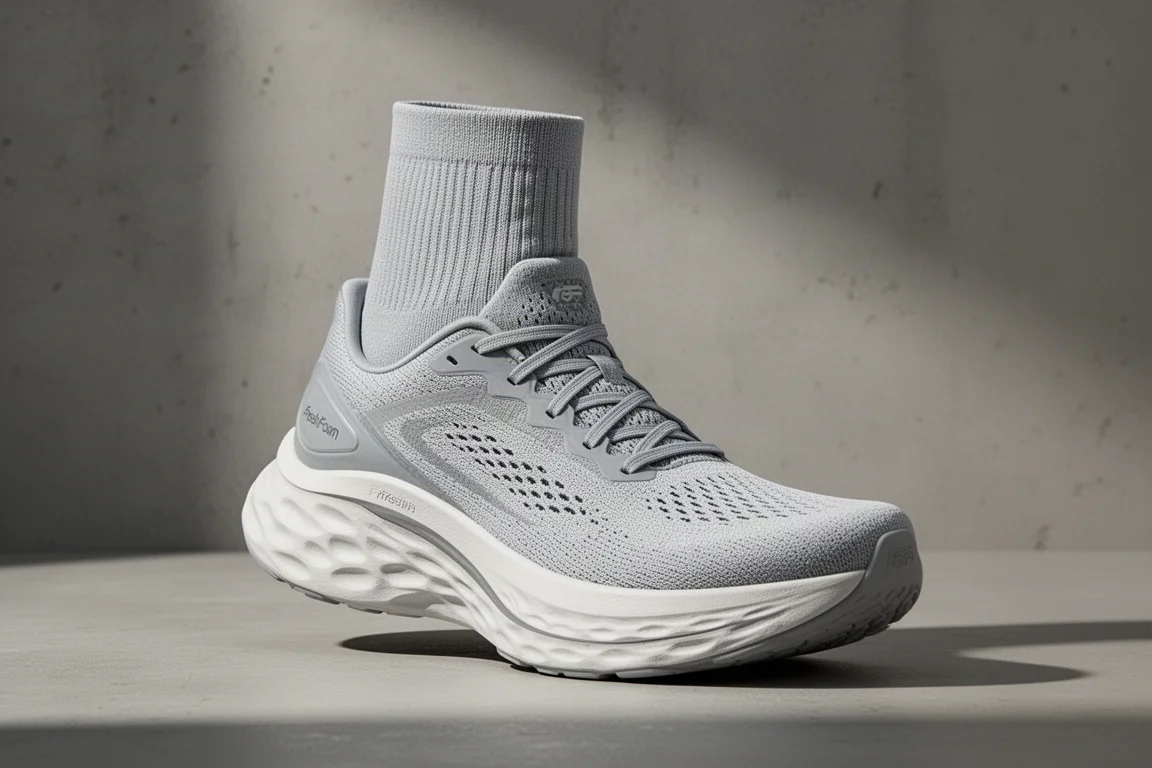
The More v4 is a maximal daily trainer that gets a remarkable amount right. It uses Fresh Foam X with a classic rocker geometry, well-integrated sidewalls, and a wide sole that makes it a genuinely stable neutral shoe. The sole flare in the forefoot and midfoot is biased slightly laterally, which helps runners who land excessively on the lateral edge of their midfoot. The heel bevel is designed to guide landings in naturally rather than pitch the foot inward, and the sidewalls are more pronounced in the midfoot than the forefoot, which keeps them from irritating the medial forefoot the way some maximalist designs can.
At roughly 10.4 oz in men’s and 8.4 oz in women’s sizing, it feels lighter than the numbers suggest, and it offers more forefoot flexibility than you would expect from a maximal shoe. Rubber coverage is extensive across the entire landing zone, so heel, midfoot, and forefoot strikers alike should not wear down exposed midsole. It handles easy runs comfortably and can even pick up the pace a little, though it is clearly not a racing shoe.
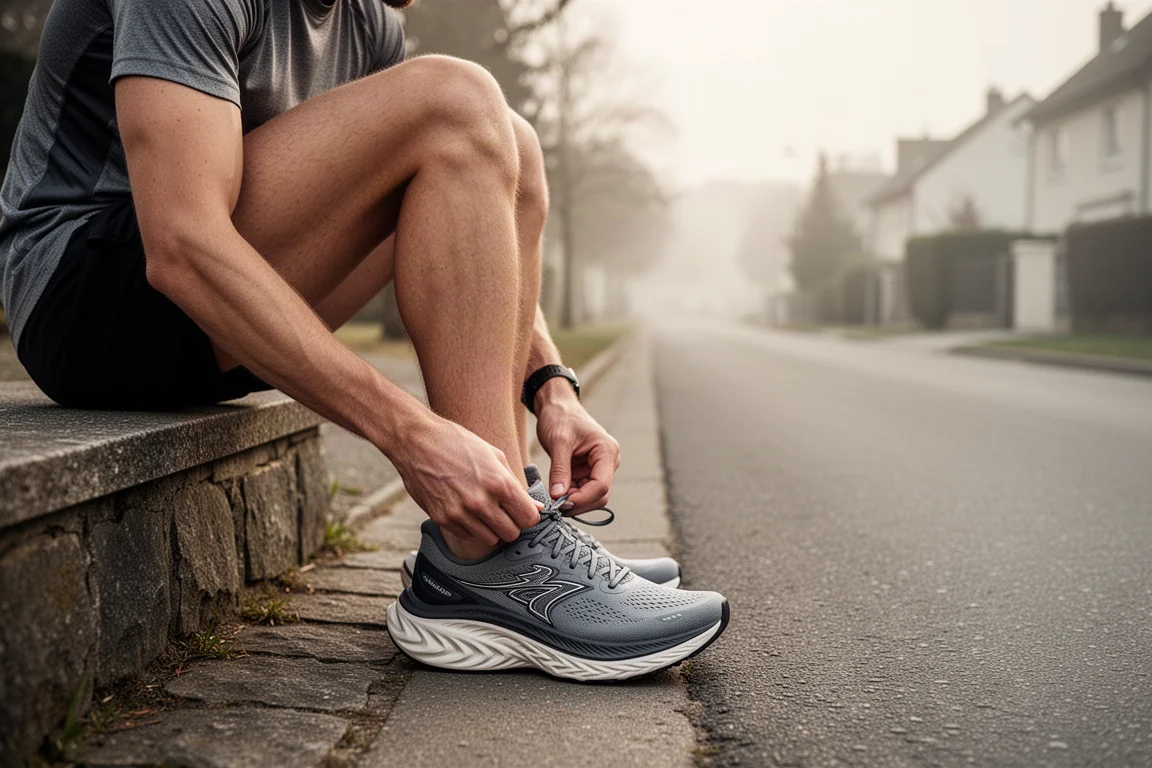
The fit runs wide with a low volume toe box that feels snug at first and softens with break-in. Some testers reported initial rubbing that resolved after a few runs, and the snugness is most noticeable on tired feet after long workouts. It remains an excellent choice for people on their feet all day as well as runners, and it is one of the most complete examples of a stable neutral daily trainer in recent memory.
New Balance SC Trainer
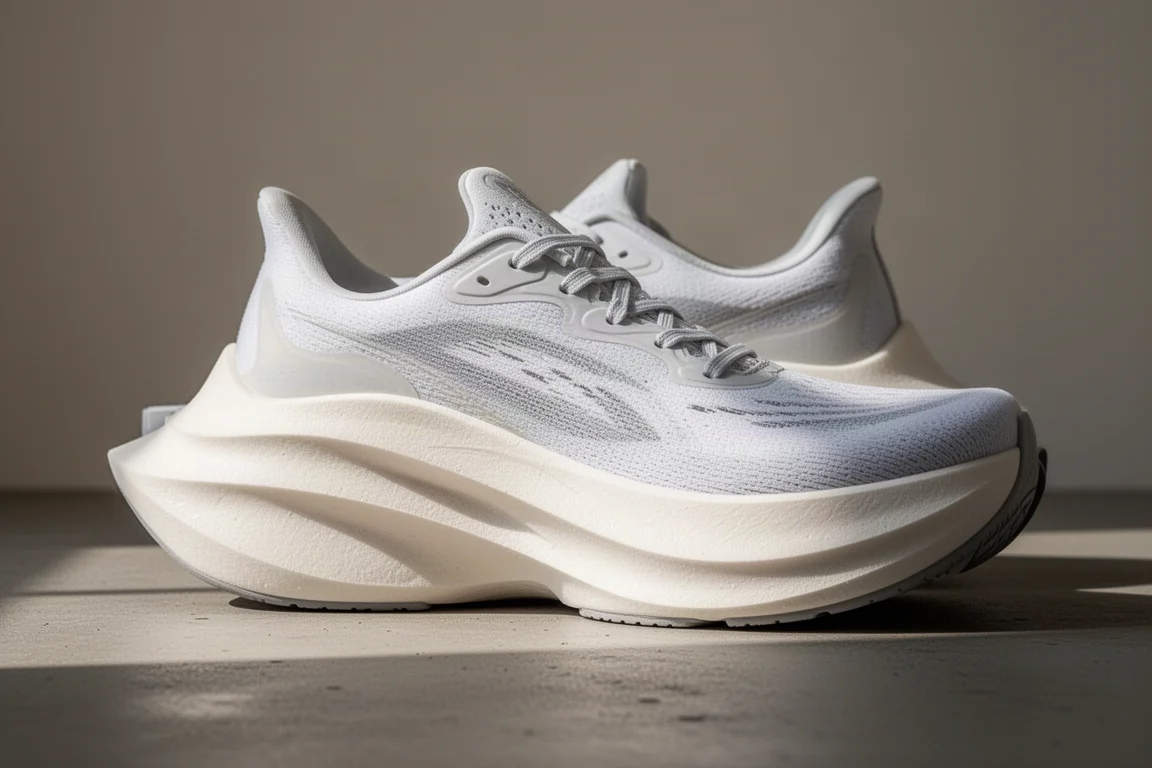
The SC Trainer is a max-stacked super trainer with an intimidating sole that turns out to be far more stable than it looks. Despite its enormous stack height, which exceeds the 40 mm limit World Athletics sets for competition, it is a training shoe through and through. The combination of midsole sidewalls, a broad plate, and a wide sole keeps you centered, and the midsole cutout flanked by foam pillars acts like a giant guidance line.
The main caveat is weight. At around 11 oz, all that foam sits under a fairly lightweight upper, and if the laces are not cinched down firmly the shoe can feel like a weight hanging off the foot. Locked down properly, it feels like part of the shoe. The upper fits on the wider side but somewhat low-volume, with a slightly tapered toe box and minimal structure. The asymmetrical lace pattern is a genuinely nice touch that relieves pressure across the top of the foot, and the heel collar padding is unobtrusive once running.
Underfoot, it is less soft than resilient: firm with enormous bounce, high resilience, and very little compliance. The midsole almost completely muffles ground feel, which is exactly the point. This is the shoe for dead, beat-up legs on recovery days, when you just want to float along without working your calves. Tempo work is possible but fatigue sets in quickly at this weight, so most runners will reserve it for their slowest, easiest miles.
New Balance Rebel v3
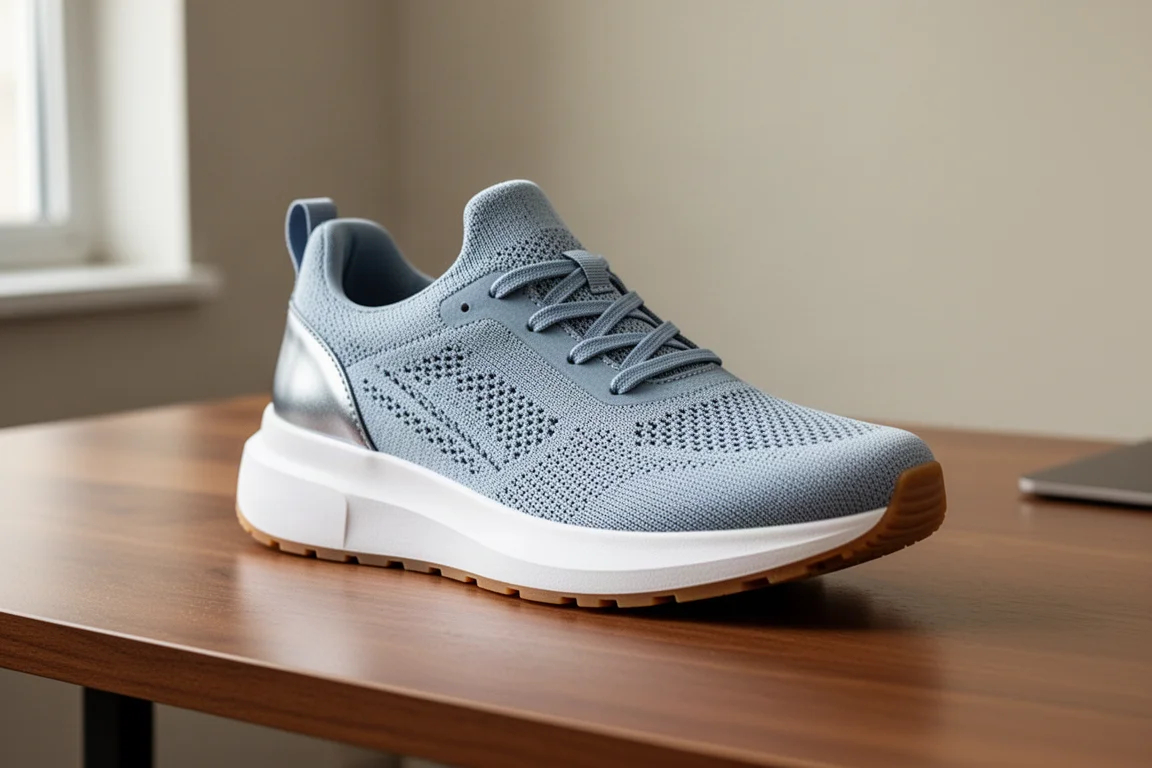
The Rebel v3 sits at the opposite end of the spectrum: a lightweight trainer at 7.4 oz for men’s and 5.8 oz for women’s, built on FuelCell foam with unusually high flexibility and respectable ground feel for a cushioned shoe. For runners who miss the days of flexible, minimal-leaning trainers, this may be the closest modern equivalent, with just enough stack and compliance to be livable.
The big warning is fit. The toe box tapers noticeably and runs snug, and testers found sizing inconsistent enough that trying the shoe on before buying is strongly advised. Some runners needed to go up a half size or more. The upper itself is thin, flexible, and locks down nicely with a well-integrated tongue, and rubber coverage on the outsole is nearly complete.
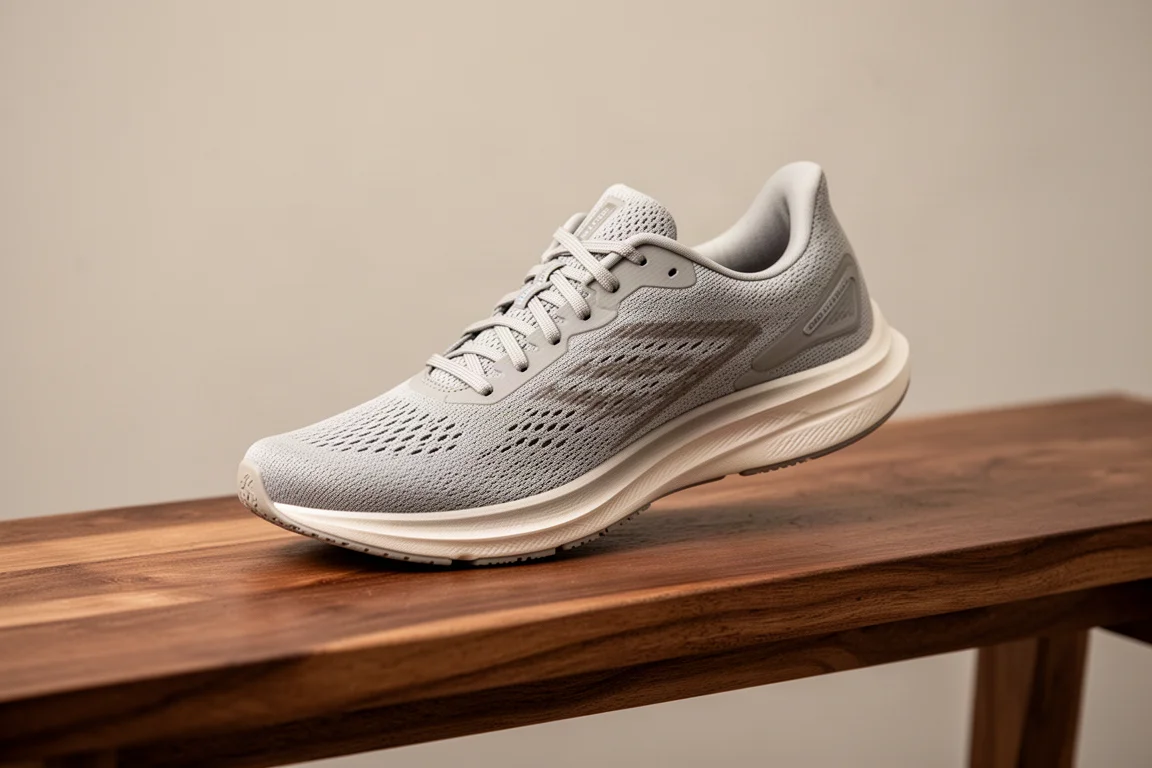
Where the Rebel v3 stumbles is faster running. The very flexible forefoot and the location of the toe spring create a pivot point that starts behind the first metatarsophalangeal joint, which caused real discomfort during longer threshold intervals. Easy runs and short strides feel great, but this is best treated as a lightweight trainer for easy and moderate running rather than a speed workout shoe. Fans of the wider, snappier Rebel v2 may prefer to hunt that version down on sale instead.
New Balance SC Pacer
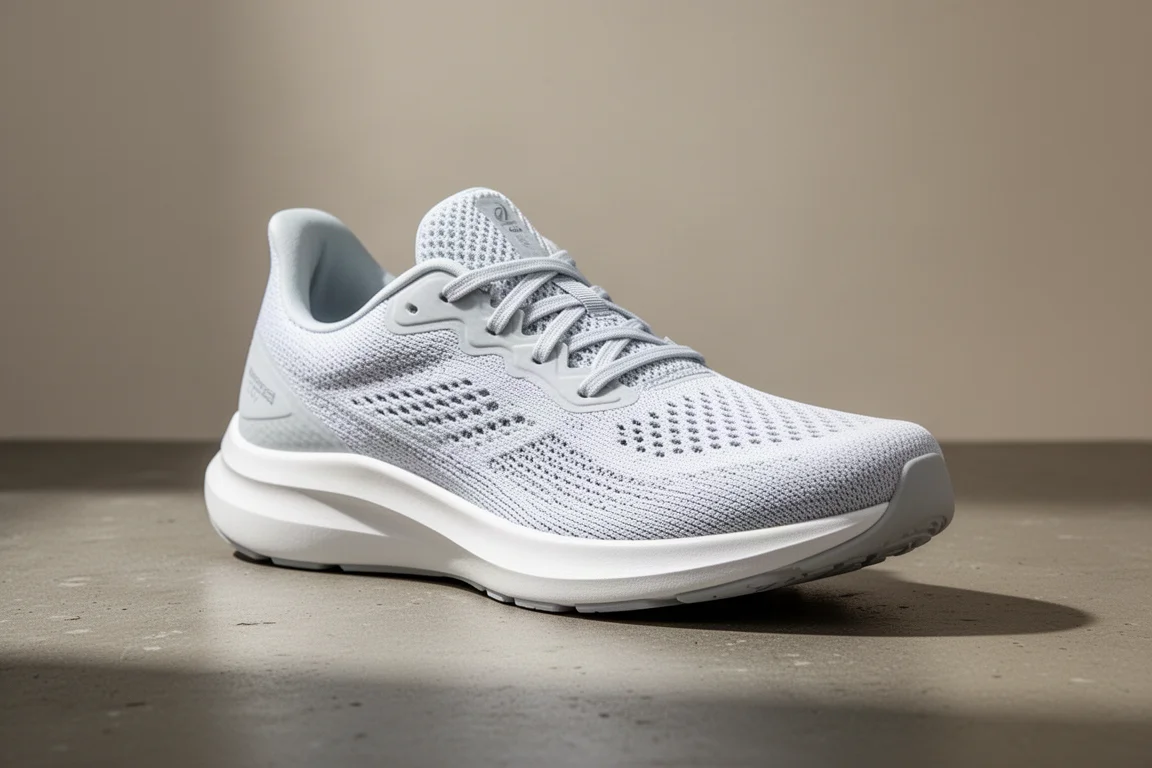
The SC Pacer is the short-distance super shoe of the group, and for some testers it is the favorite of the entire lineup. At 6.9 oz for men’s and 5.5 oz for women’s with an 8 mm drop, an extremely stiff carbon-plated Energy Arc midsole, and a nearly invisible, highly breathable upper, it is essentially a modern racing flat with a plate and super foam. It propels rather than bounces, and it handles everything from threshold work to mile pace and hill sprints with impressive responsiveness.
The trade-offs come with use. Rubber coverage is limited, and rocks embed in the exposed midsole easily, so it is firmly a road-only shoe. The foam also fades: after around 150 miles the ride becomes noticeably firmer, which is respectable for a low-stack super foam shoe but worth planning around. The non-gusseted tongue is thin and can fold over when putting the shoe on, though once in place it is comfortable, and a half size up gave one tester welcome extra room for longer workout days.

Buying Advice: Matching the Shoe to the Run
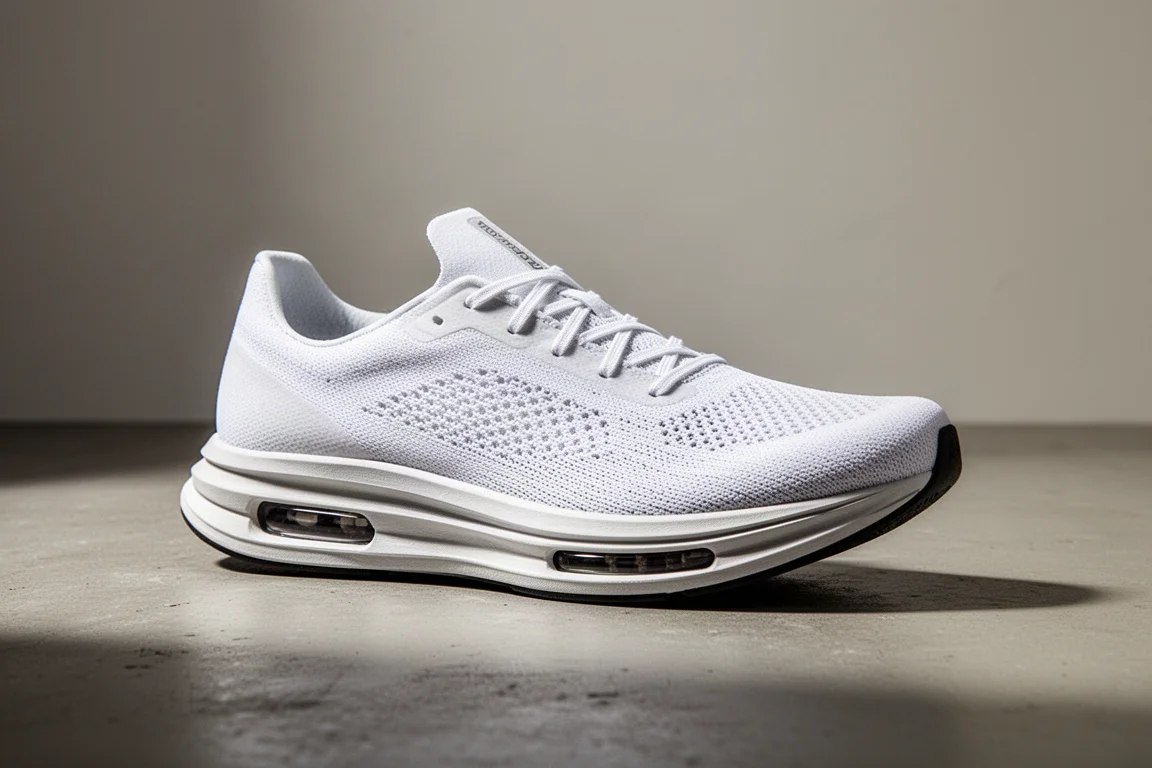
The clearest way to choose among these four is to think about where they fit in a rotation. The More v4 is the daily trainer, the shoe you reach for on ordinary easy runs and all-day wear. The SC Trainer is the recovery-day specialist, at its best when your legs are wrecked and you want the shoe to do the work. The Rebel v3 covers lightweight, flexible easy running if the fit suits your foot. The SC Pacer is the fast-day and race-day option for 5K through 10K distances, with enough pedigree that it has even been worn over the marathon distance by elite runners.
If you can only pick one, the More v4 is the safest all-rounder for most runners, while the SC Pacer is the most exciting addition for anyone who does regular structured speedwork.
Conclusion
What stands out across this lineup is how purposeful each shoe is. Rather than one do-everything trainer, New Balance has delivered a maximal stable daily shoe, an ultra-stacked recovery tool, a featherweight flexible trainer, and a genuine short-distance racer. Know the run you are buying for, try the Rebel v3 and Pacer on before committing to a size, and any of the four should earn its place in the rotation.
Further reading
Related Reviews

Running Shoes
Best Road-to-Trail Running Shoes: Three Versatile Options for Mixed Terrain
A practical guide to three road-to-trail running shoes that handle both pavement and mild trails, with clear strengths and trade-offs for different runner types.

Running Shoes
Best Running Shoes for Achilles Tendonitis: Three Options Explained
Three running shoes with different heel drops and support features designed to help reduce Achilles tendon pain during walking and running.

Running Shoes
Best Running Shoes for Women: Five Top Choices Ranked
A ranked guide to five women's running shoes, from versatile daily trainers to high-performance racing options, with real strengths and trade-offs for each.