Running Shoes
New Balance Running Lineup 2026: Six Shoes, Six Very Different Jobs
From max-cushion daily trainers to a carbon-plated race day rocket, we break down six New Balance running shoes and who each one is really for.
Introduction
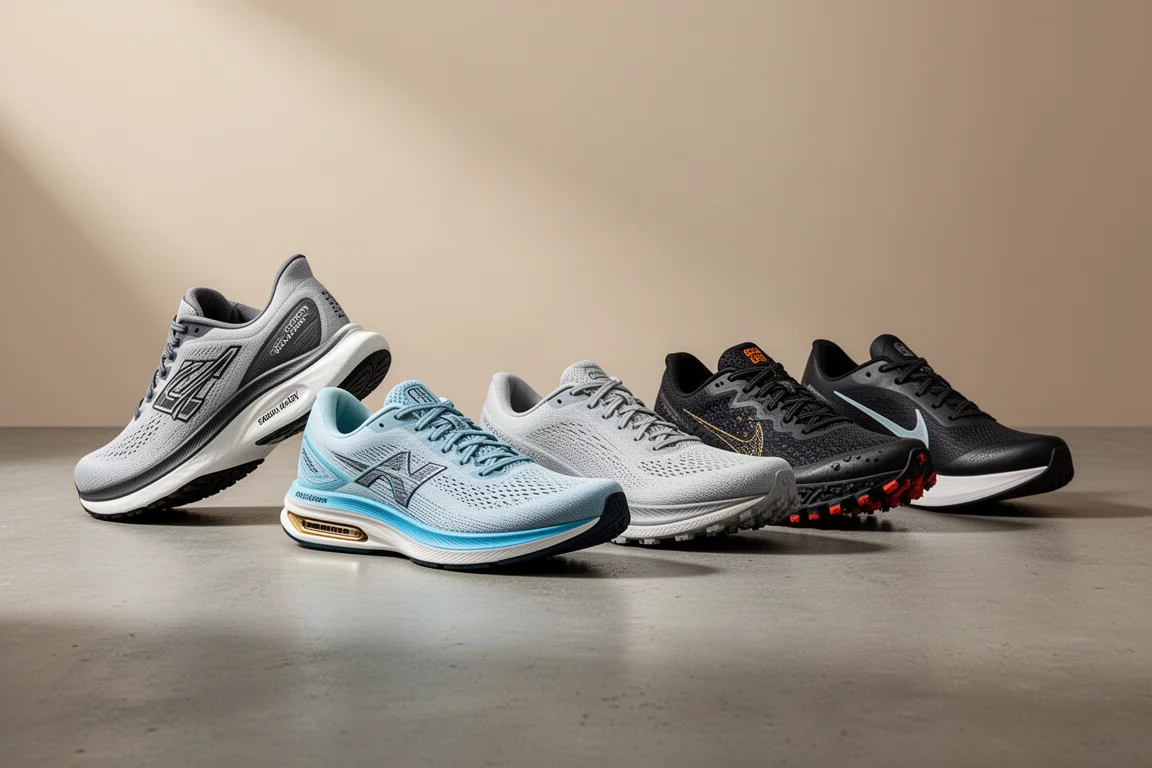
New Balance has quietly built one of the more interesting running shoe ranges in the industry right now. Within a single lineup you can find a max-cushion road tank, a carbon-plated super trainer, a budget-friendly plated daily shoe, a genuinely capable trail machine, and a full race day rocket. That is a lot of choice, and it can be hard to know which one actually fits your running.
What makes this lineup easier to navigate is that many of these shoes are deliberately designed as partners to each other. The SuperComp Trainer, for example, exists so that runners can get a taste of the race day experience on training days while saving their lightest, fastest shoe for the starting line. Understanding those relationships is the key to picking the right pair.
How We Looked at These Shoes
For each shoe, we focused on three things: what job the shoe is designed to do, what it feels like underfoot, and who should actually buy it. A plated trainer and a max-cushion easy-day shoe are not competing with each other, so instead of ranking them against one another, we evaluate each one on whether it delivers on its own promise.
We also paid attention to how the range fits together, because New Balance has clearly thought about it. Road ideas get carried into trail products, platform learnings from the SuperComp family trickle down into more affordable shoes, and each new version is expected to fix specific complaints about its predecessor.

New Balance SuperComp Trainer V2: The Standout
The SuperComp Trainer V2 is the headline update of this lineup, and it addresses the two main knocks against the original: weight and stability. The midsole and outsole stack in the forefoot stays essentially the same, but the heel drops by about three millimeters, and a brand new, lower-density formulation of FuelCell foam shaves serious weight out of the shoe. The upper gets a simplified construction, a traditional gusseted tongue, more collar padding, and a touch more weight saving on top.
The result feels noticeably peppier than V1. The forefoot no longer runs like molasses, toe-off is more aggressive, and the shoe sits closer to the ground in feel without giving up the underfoot protection that makes a long run in a plated trainer so pleasant. Stability also improved tremendously, thanks to more medial meat along the heel and a revised midsole void geometry.
At $180, it is not cheap, but it undercuts typical race day super shoes by a meaningful margin while mimicking their geometry, drop, and carbon plate setup. It is a genuine partner shoe to the SuperComp Elite V3, and it has become one of those shoes we keep pulling back off the wall between other reviews.
New Balance SuperComp Trainer V1: The Original Experiment
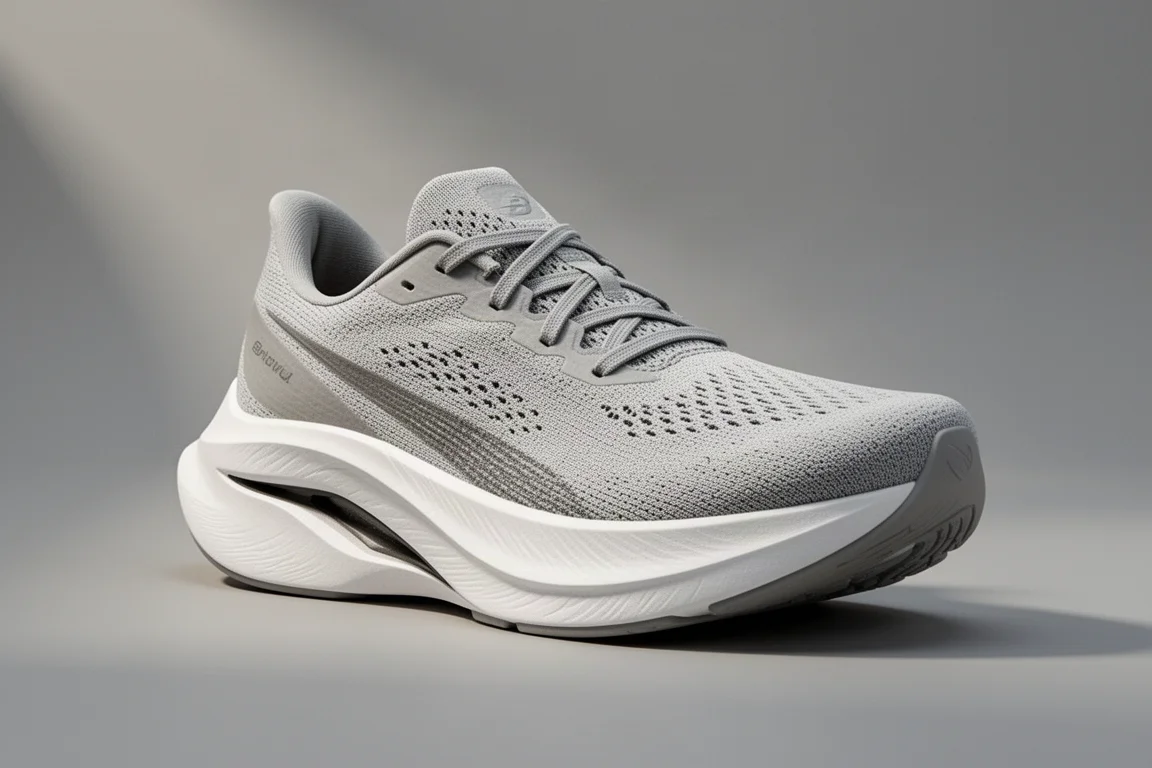
The original SuperComp Trainer was the shoe that punched a hole in the market for plated super trainers. Its charm was the squish: an extremely high stack and a soft, luxurious ride that made easy miles and recovery days feel great. It came in at $180 and quickly resonated with a lot of runners once they understood what it was for.
That same softness came with trade-offs. It felt a little mushy and sluggish for faster running, and some runners with less stable ankles found the tall, plush platform unsettled underfoot. It is heavier than V2 and uses the previous formulation of FuelCell, which is by no means a bad foam, just an older one.
If you find V1 on sale, it still makes a genuinely enjoyable recovery and easy-day shoe, provided you like a very squishy, high-stack ride and are not chasing pace.

New Balance FuelCell Propel V4: The Value Pick
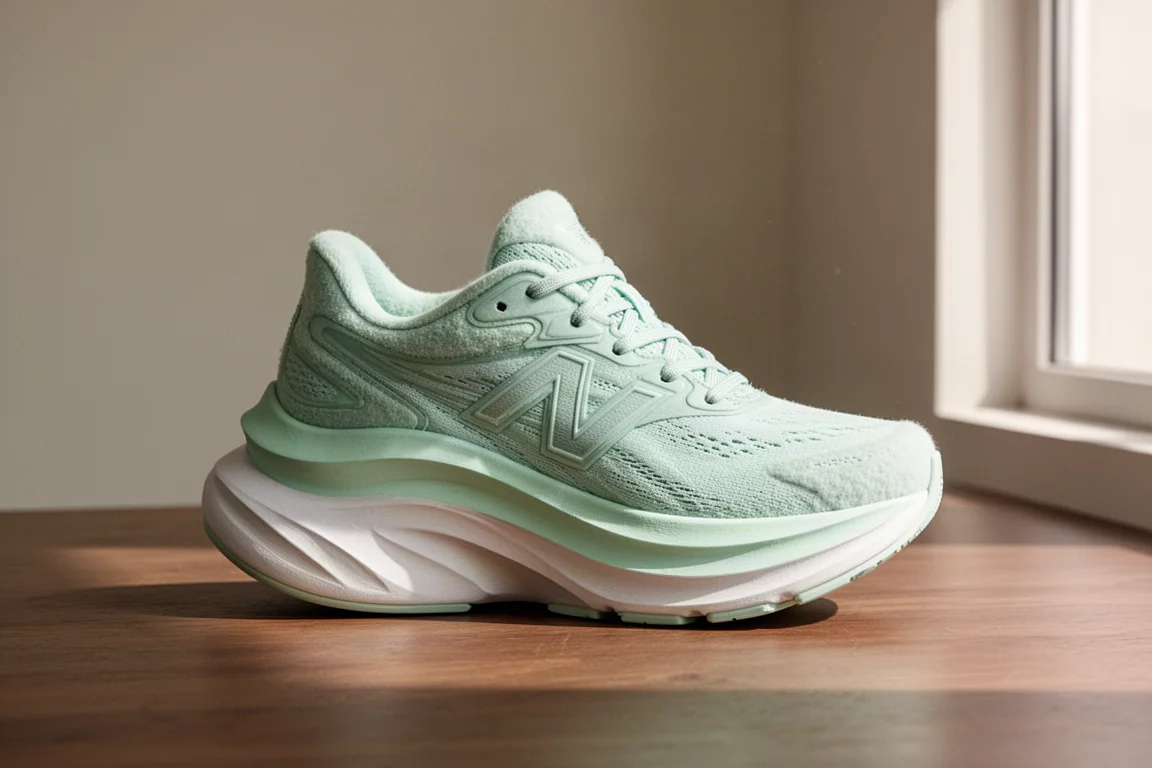
The Propel V4 is not like any previous Propel New Balance has made, and much of that comes straight from the SuperComp family. It pairs a much better version of FuelCell foam with a TPU plastic plate, and it does all of that for $110, which is remarkable value.
Underfoot it feels flatter and closer to the ground than the SuperComp Trainer, with a lower stack, and it is not quite as premium. But it is genuinely versatile: you can pick up the pace in it, cruise through easy runs, and some runners will even line up for a race in it. For beginners who want something comfortable and quick before they know exactly what they want, it might be the easiest recommendation in the entire range.
New Balance Fresh Foam More V4: Maximum Comfort
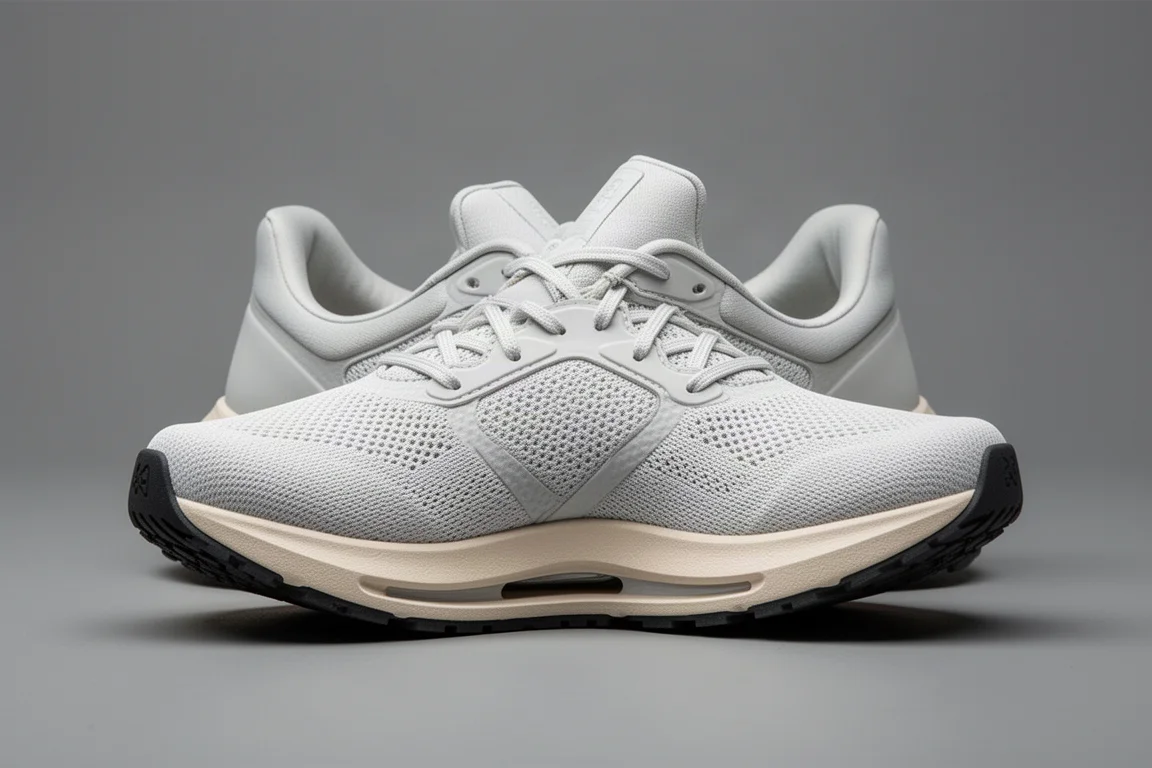
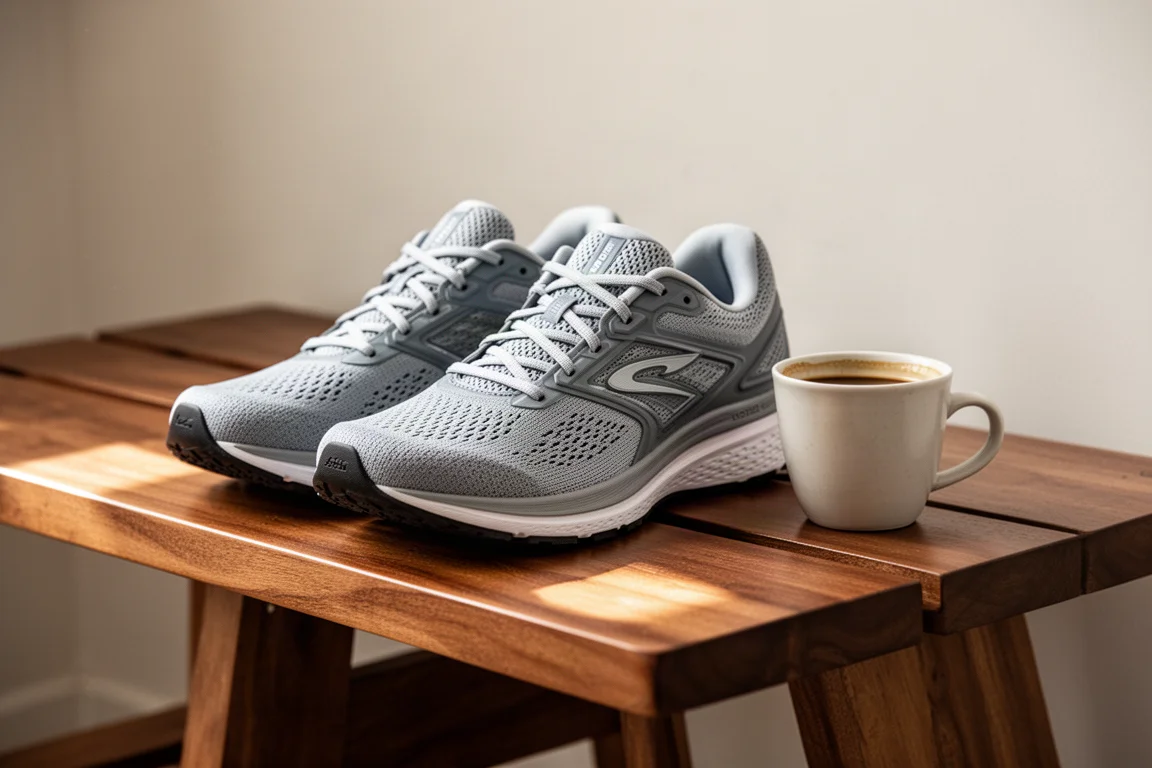
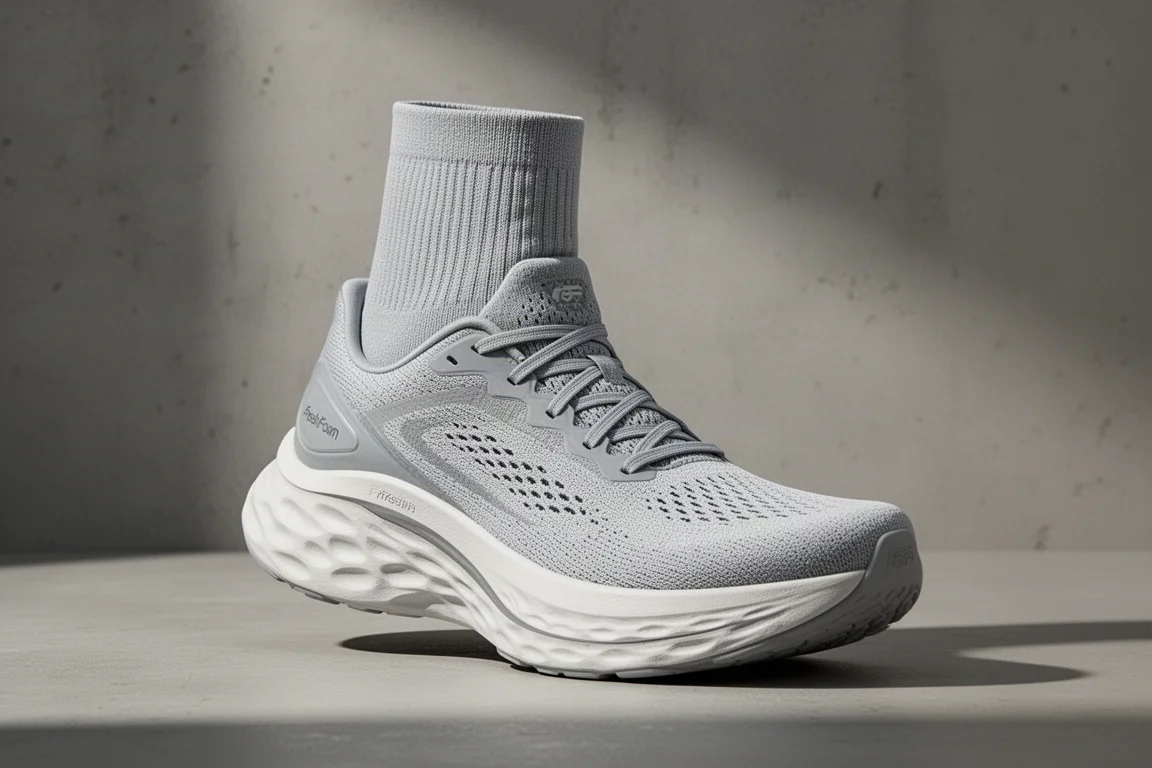
The Fresh Foam More V4 uses the softest Fresh Foam X foam in the platform, and that single fact defines the shoe. It is a max-cushion daily trainer built around comfort above all else, and it is the kind of shoe that makes long, slow miles feel effortless.
It is worth noting how far this franchise has come. The earliest More models, from around 2018, ran on a firm ground-contact EVA and were chunky and hard, largely because the foams of that era could not support what the shoe was trying to be. V4 is the fixed version: the foam has finally caught up with the concept, and the result is one of the most comfortable road shoes in the lineup.
New Balance More Trail V3: Road Comfort, Trail-Ready
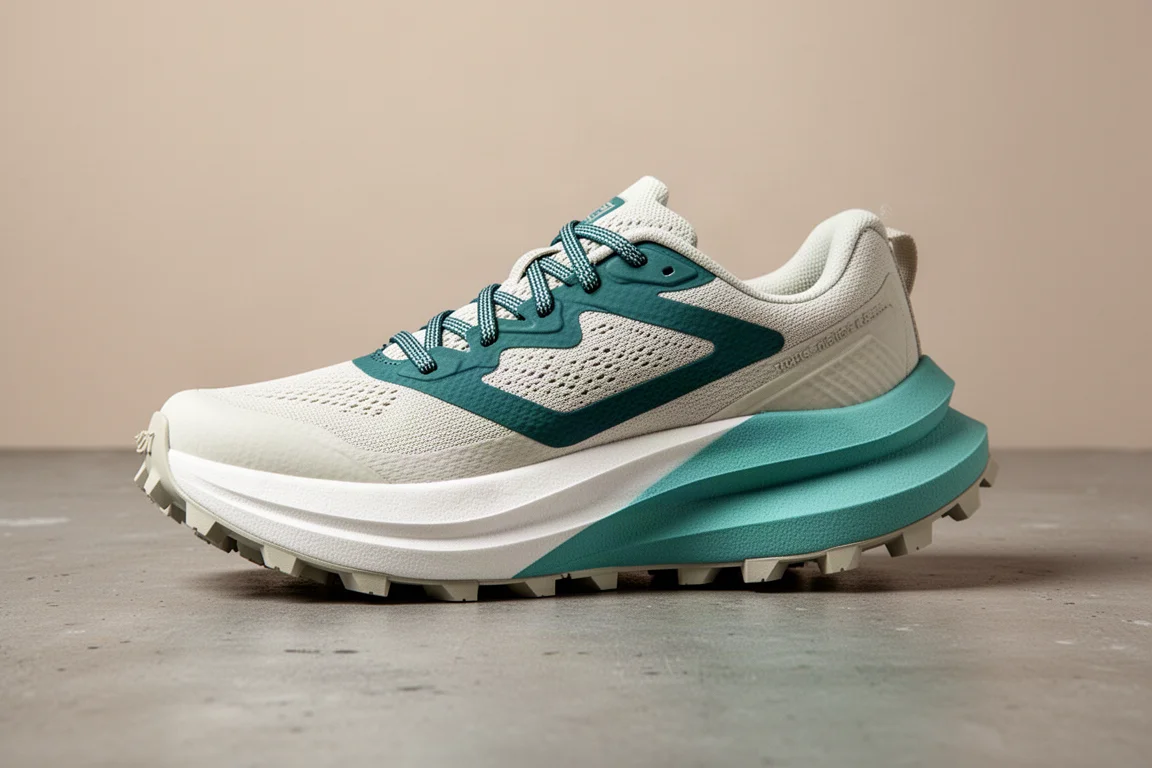
The More Trail V3 looks like a lugged version of the road More V4, but the engineering underneath tells a different story. Simply putting lugs on a road shoe is a known trap in this industry, and New Balance avoided it properly.
The road More V4 foam sits closest to the foot, and underneath it sits a sheet of slightly harder foam that creates a more stable platform and a stronger base for the outsole lugs to connect to. That matters because trail running hammers outsoles in ways road running never does, and the early testing showed the bare road midsole with a trail outsole was simply not durable enough. The two-layer construction solved it, and the visible contrast between the two foam layers gives each shoe a distinctive, almost unfinished-looking aesthetic that is honestly part of the appeal.
On the trail it rolls over everything like a tank. For runners who want max-cushion comfort off-road rather than a race-focused trail shoe, it is a standout.
New Balance SuperComp Elite V3: Race Day Only
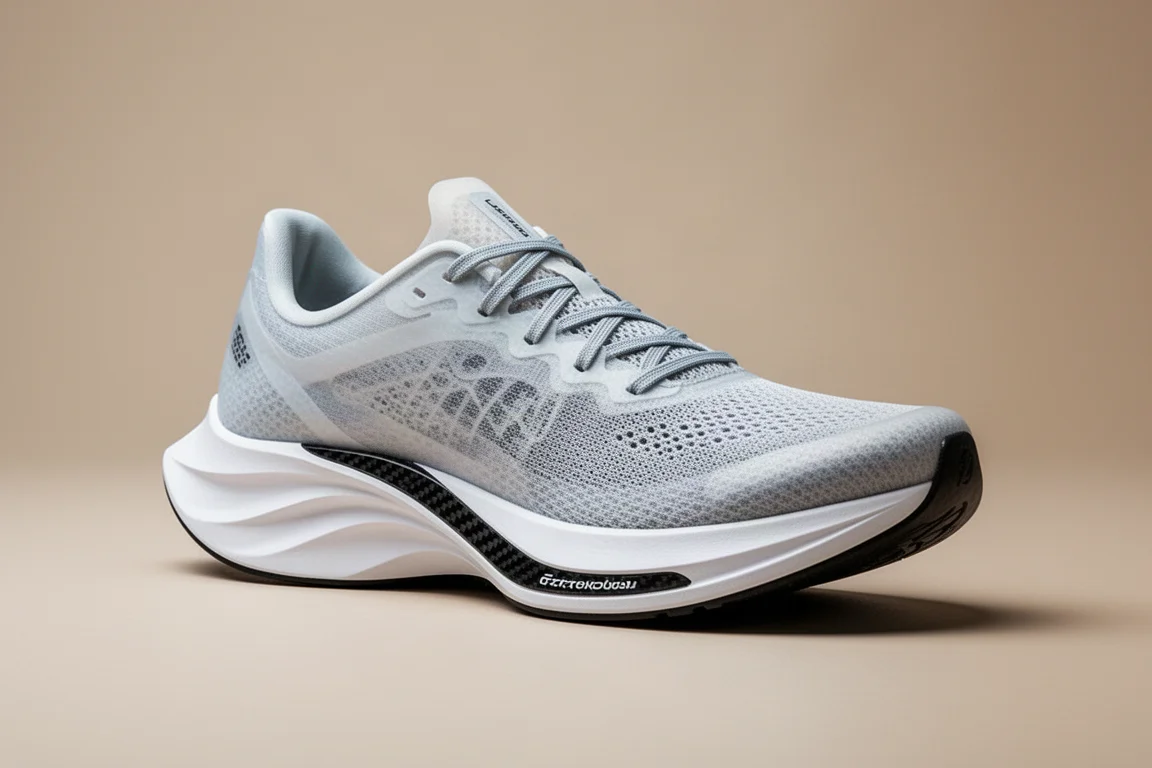
The SuperComp Elite V3 has one job: get you from point A to point B as fast as possible. Every gram matters in this shoe, and that focus explains why it exists separately from the SuperComp Trainer.
This is the shoe you reserve for race day and key workouts. It is the lightest, fastest shoe in the range, with a carbon plate setup closely related to the SuperComp Trainer’s, but without the training creature comforts such as padded collars, extra stuffing, and the added medial security that a trainer needs. If you run marathons and want your best possible time, this is where the lineup tops out.
Buying Advice: Matching the Shoe to the Run
The easiest way to navigate this range is to think about how the shoe will be used most of the time. If you want one shoe to cover daily training, tempo work, and even the occasional race, the SuperComp Trainer V2 is the most complete option, and the FuelCell Propel V4 gets you a large share of that experience for much less money.

If recovery and easy days are your priority, the Fresh Foam More V4 on the road or the More Trail V3 off-road deliver maximum comfort. If you are building a race day rotation, the SuperComp Elite V3 is the fast shoe, and the SuperComp Trainer V2 is its logical training partner. And if you spot the original SuperComp Trainer V1 at a discount, it remains a lovely squishy recovery shoe for the right runner.
Conclusion
New Balance’s current running range covers nearly every runner’s need with unusual coherence: the SuperComp Trainer V2 is the standout all-arounder, the Propel V4 is the value star, the More V4 and More Trail V3 own the comfort category, and the SuperComp Elite V3 is the race day weapon. Pick based on the job, and almost every runner will find something here that fits.
Further reading
Related Reviews

Running Shoes
Best Road-to-Trail Running Shoes: Three Versatile Options for Mixed Terrain
A practical guide to three road-to-trail running shoes that handle both pavement and mild trails, with clear strengths and trade-offs for different runner types.

Running Shoes
Best Running Shoes for Achilles Tendonitis: Three Options Explained
Three running shoes with different heel drops and support features designed to help reduce Achilles tendon pain during walking and running.

Running Shoes
Best Running Shoes for Women: Five Top Choices Ranked
A ranked guide to five women's running shoes, from versatile daily trainers to high-performance racing options, with real strengths and trade-offs for each.