Running Shoes
Three New Balance Road Shoes Worth a Look: SC Trainer V2, 880 V13 and Vongo V5
A lighter super trainer, a refreshed workhorse, and a new take on stability: three New Balance road shoes compared for different running needs.
Introduction
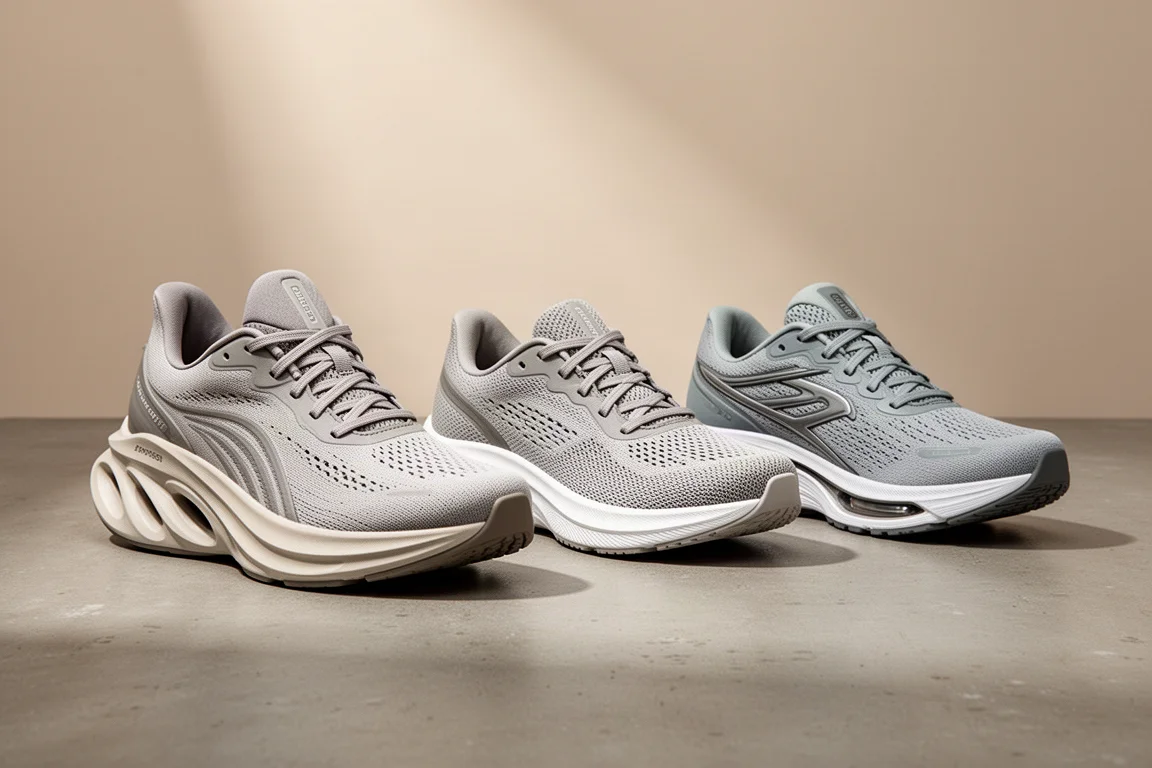
New Balance covers a lot of ground in its road running range, and three updates show how different the needs of runners can be: a lighter super trainer for tempo work, a refreshed everyday workhorse, and a stability shoe built around a genuinely new support concept. Here is how each one stacks up.
New Balance SC Trainer V2
The original SC Trainer earned a reputation as one of the most innovative shoes of 2022, and the V2 builds on it by addressing the most consistent piece of feedback: everyone loved it, but wished it were lighter. The update delivers. It is over an ounce lighter than its predecessor, driven by two changes. The foam density has been reduced by about a third while keeping similar hardness and energy return, and the center line height has been dropped slightly below the legal racing limit, trimming further weight.
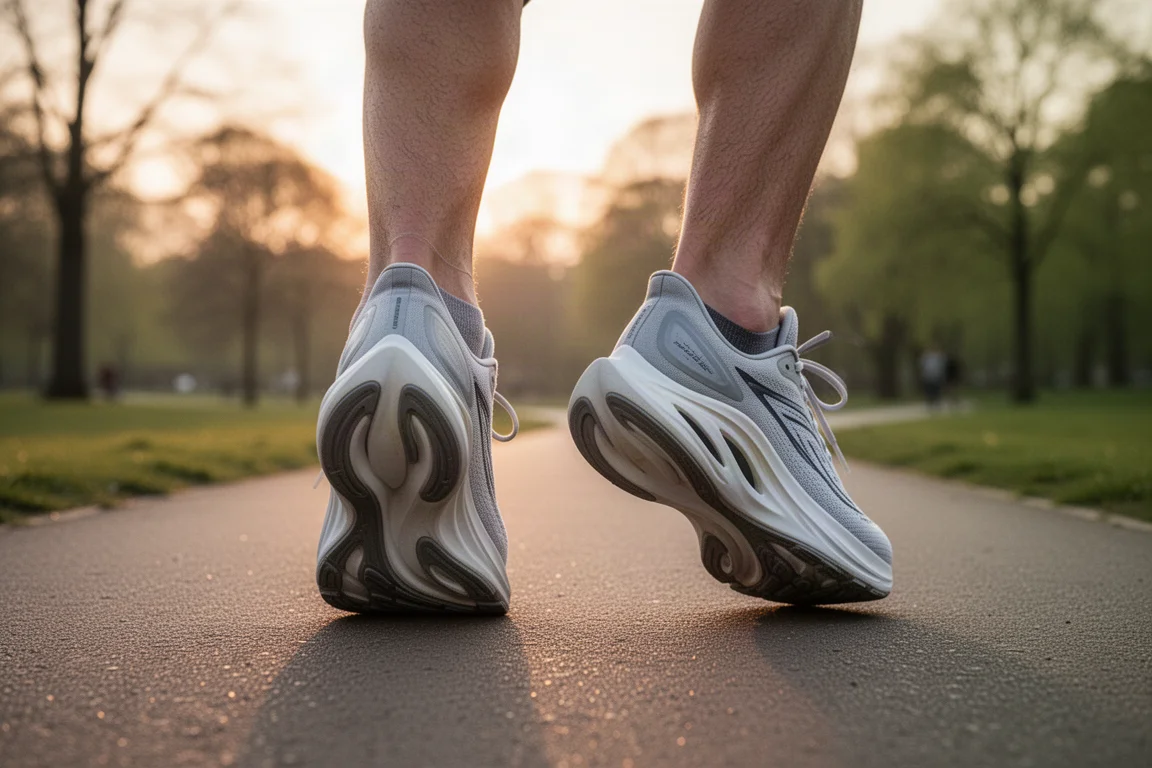
There is a real case for racing in it now, but it is still set up as a training shoe first. It carries more rubber coverage for durability and stability, and the upper adds comfort and structure tailored to tempo work. The upper itself is a totally new textile in a range of colorways, at a similar overall weight to before. The big practical benefit is that the lighter build should make it much easier to tell apart from the More, which previously blurred into it thanks to similar weight characteristics. It launched at $180.
New Balance 880 V13
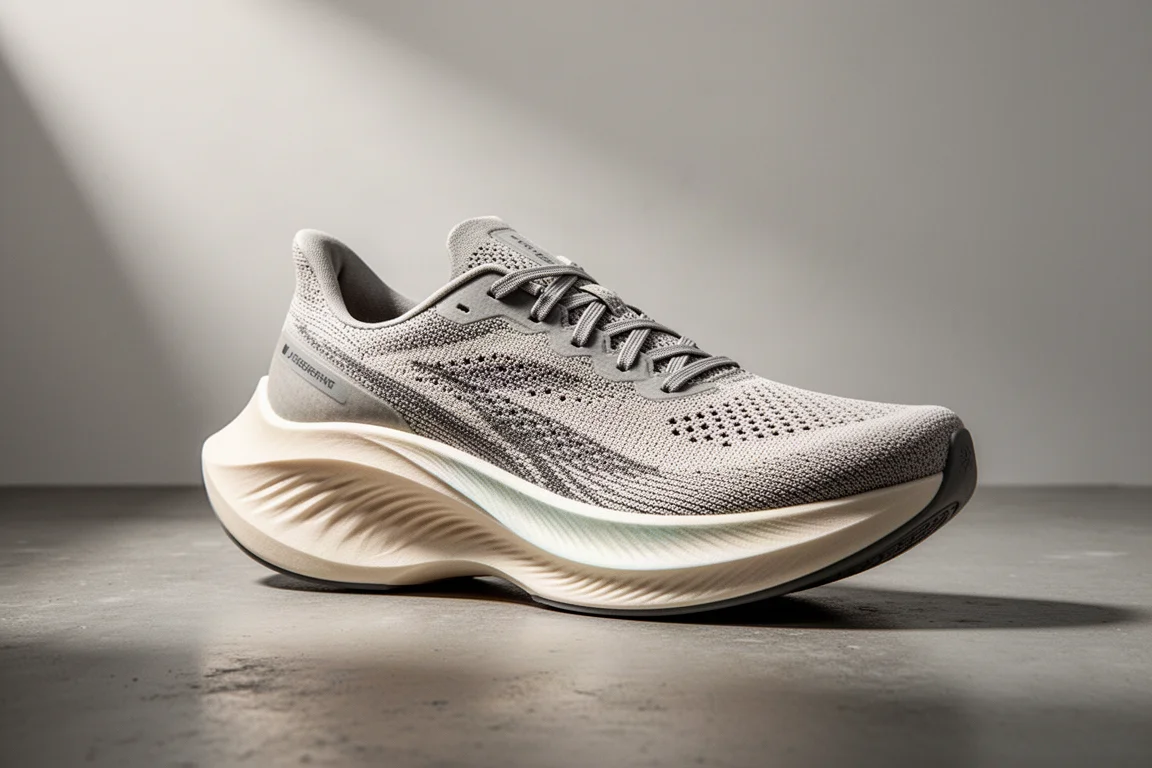
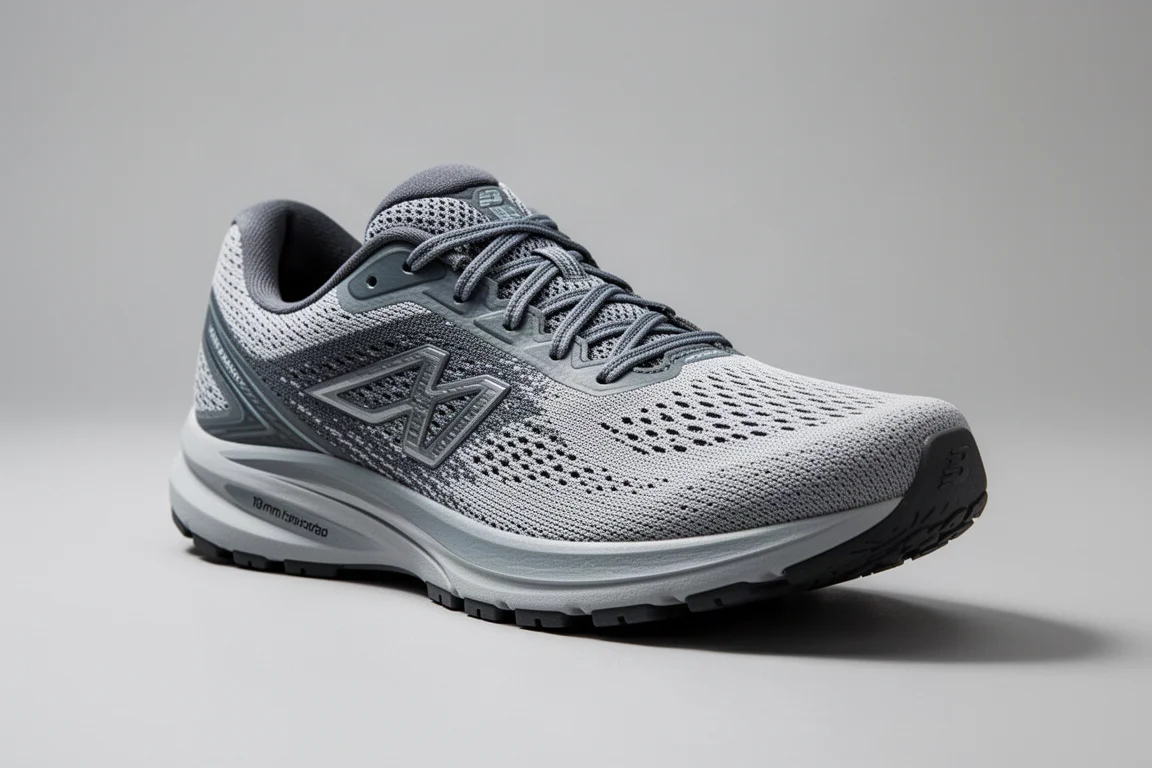
The 880 is New Balance’s biggest-volume shoe, a go-to trainer that has to satisfy walkers and runners alike, and it is also what many of the brand’s sponsored athletes use as their daily shoe. The V13 keeps the same bottom unit as the V12 and focuses the update on the upper: a totally new textile, a modernized look, and an improved fit that now includes a gusseted tongue.
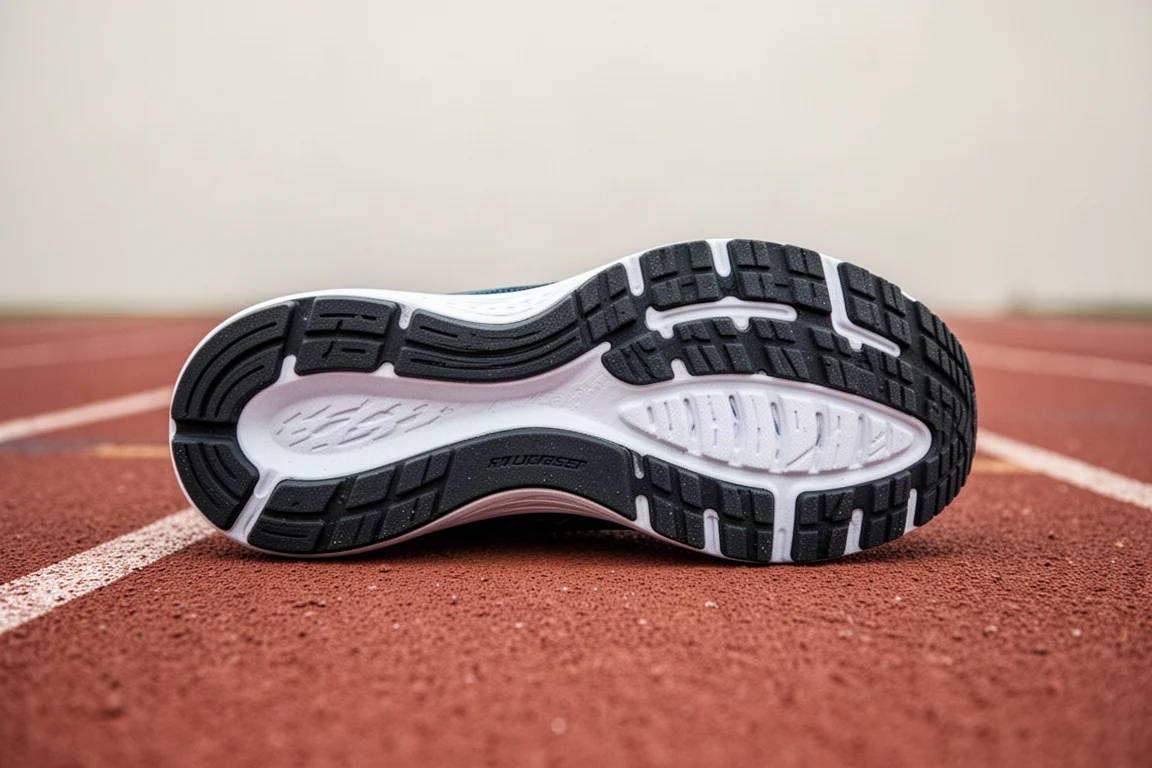
Durability is a core part of the appeal, with the shoe expected to hold up well into the 500-mile range. It rides on a 10 mm offset, which is useful to know if you are sensitive to heel-to-toe drop. As a do-it-all option at $140, it is positioned as an easy recommendation for runners who just want one dependable shoe.
New Balance Vongo V5
The Vongo has long served as New Balance’s stability innovation platform, and the V5 debuts a proprietary stability technology the brand plans to extend into shoes like the 860 going forward. Instead of supporting the sides of the foot with rail-style features, the V5 works underneath: an unblown EVA plane, essentially EVA in its truest, firmest form, is engineered into the midsole with the lateral side poured out and the medial side filled in.
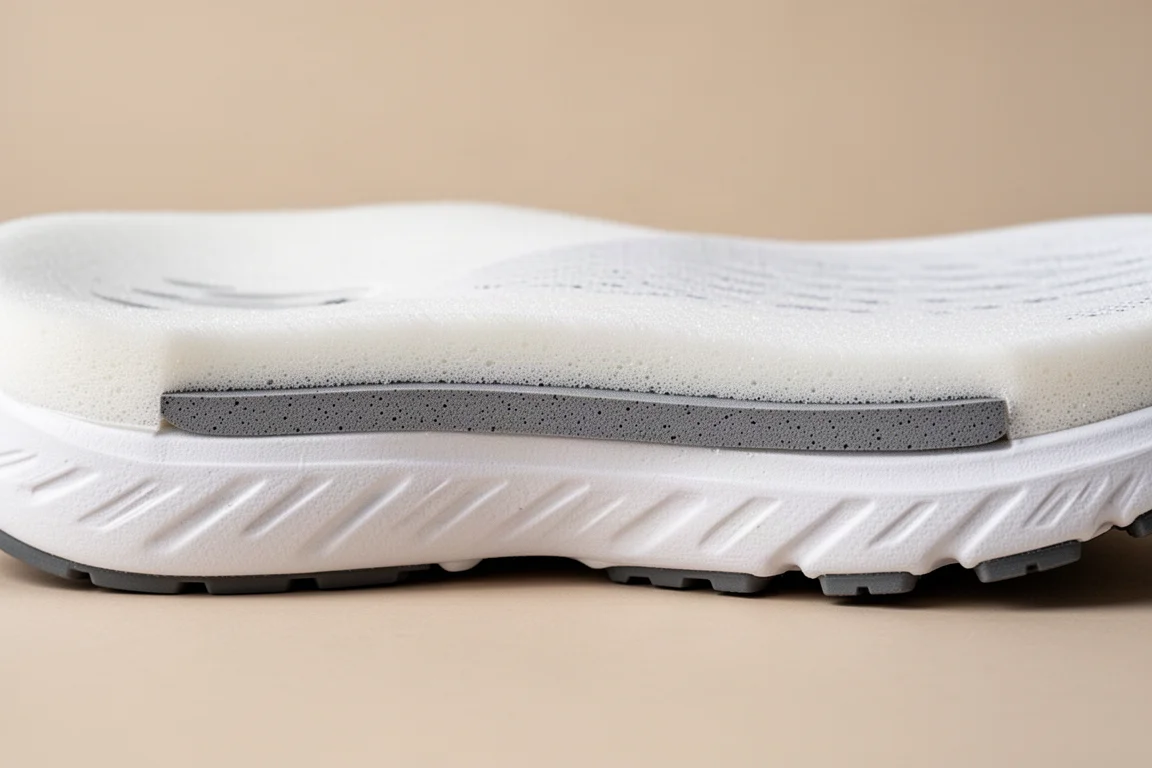
The goal is to limit midsole shear when you land and load the shoe. Without a traditional medial post, the V5 claims to maintain similar stability control in terms of both pronation volume and pronation speed, while maximizing cushioning at the same time. Extensive lab testing and a large 2019 New York City Marathon study on pronation changes over the course of a marathon informed the design. It sits as the stability partner to the 1080, forming the brand’s premium cushioning-and-stability pairing. It arrived at $260, a higher price partly reflecting the extended development time the innovation team used to dial in the technology.
Which One Should You Buy?
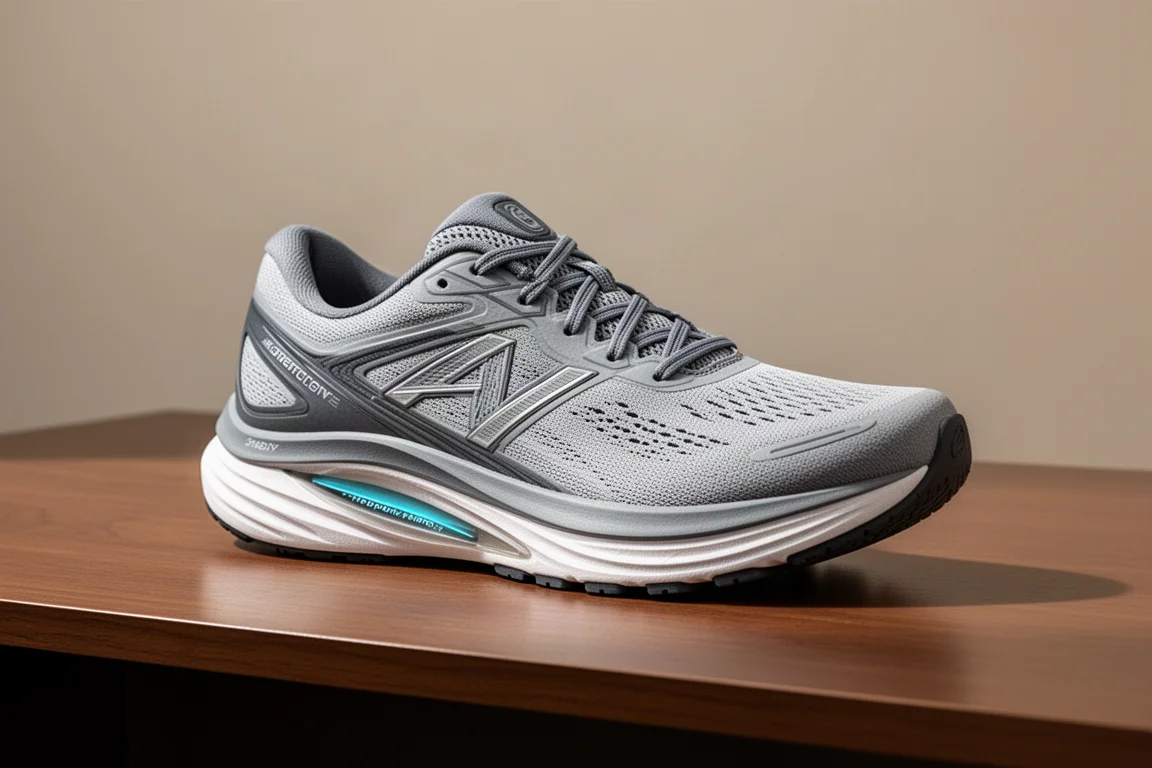
If you want a fast trainer for tempo days and possibly longer races, the SC Trainer V2 is the clear performance pick now that it is over an ounce lighter. If you need one dependable everyday shoe with strong durability, the 880 V13 remains the safest bet. And if you overpronate or simply want support without a heavy, intrusive post, the Vongo V5 offers a genuinely different approach to stability with cushioning to match.
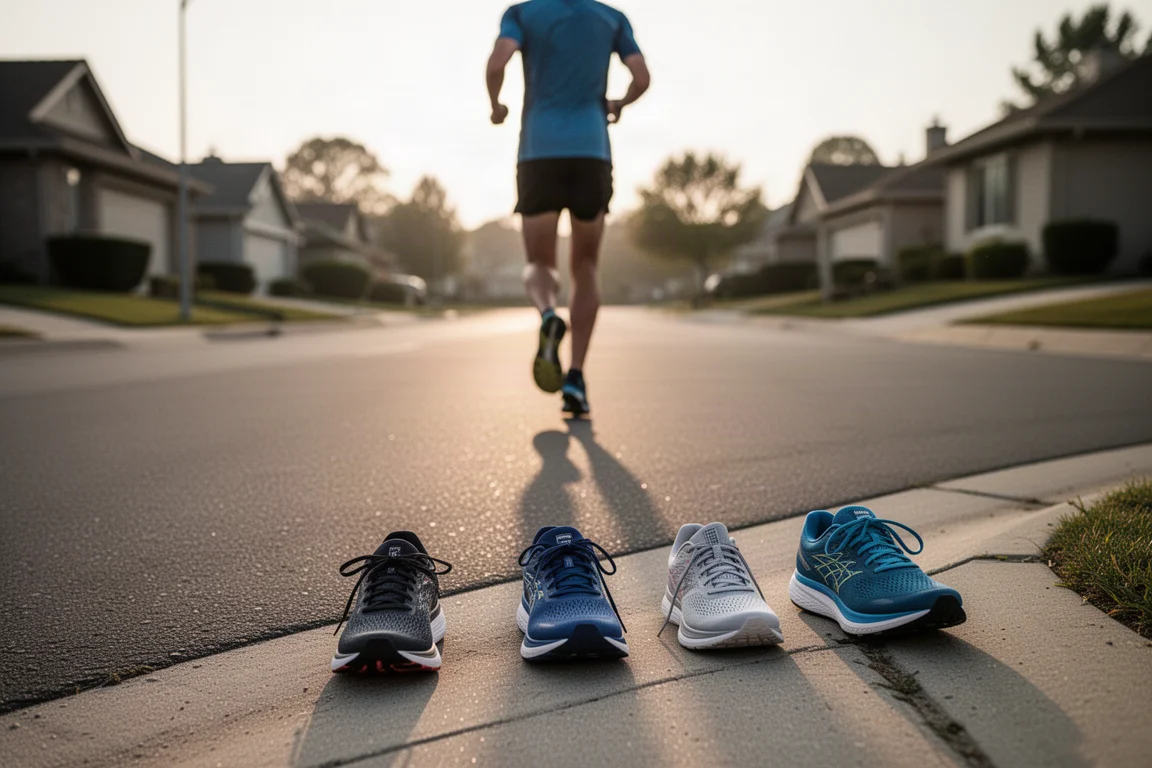
Budget matters too: at $140, the 880 is the most accessible of the three, while the SC Trainer V2 and Vongo V5 sit at the $180 and $260 price points respectively.
Conclusion
New Balance’s road lineup here covers three distinct jobs: speed training, all-purpose mileage, and structured support. Matching the shoe to the type of running you actually do is the best way to choose between them, and each of these three does its specific job well.
Further reading
Related Reviews

Running Shoes
Best Road-to-Trail Running Shoes: Three Versatile Options for Mixed Terrain
A practical guide to three road-to-trail running shoes that handle both pavement and mild trails, with clear strengths and trade-offs for different runner types.

Running Shoes
Best Running Shoes for Achilles Tendonitis: Three Options Explained
Three running shoes with different heel drops and support features designed to help reduce Achilles tendon pain during walking and running.

Running Shoes
Best Running Shoes for Women: Five Top Choices Ranked
A ranked guide to five women's running shoes, from versatile daily trainers to high-performance racing options, with real strengths and trade-offs for each.