Running Shoes
New Balance Rebel v5 vs Saucony Endorphin Speed 5: Which Lightweight Trainer Fits Your Running?
Two popular lightweight trainers with similar specs but noticeably different rides. Here is how the Rebel v5 and Endorphin Speed 5 compare on foam, stability, fit, and durability.
Introduction
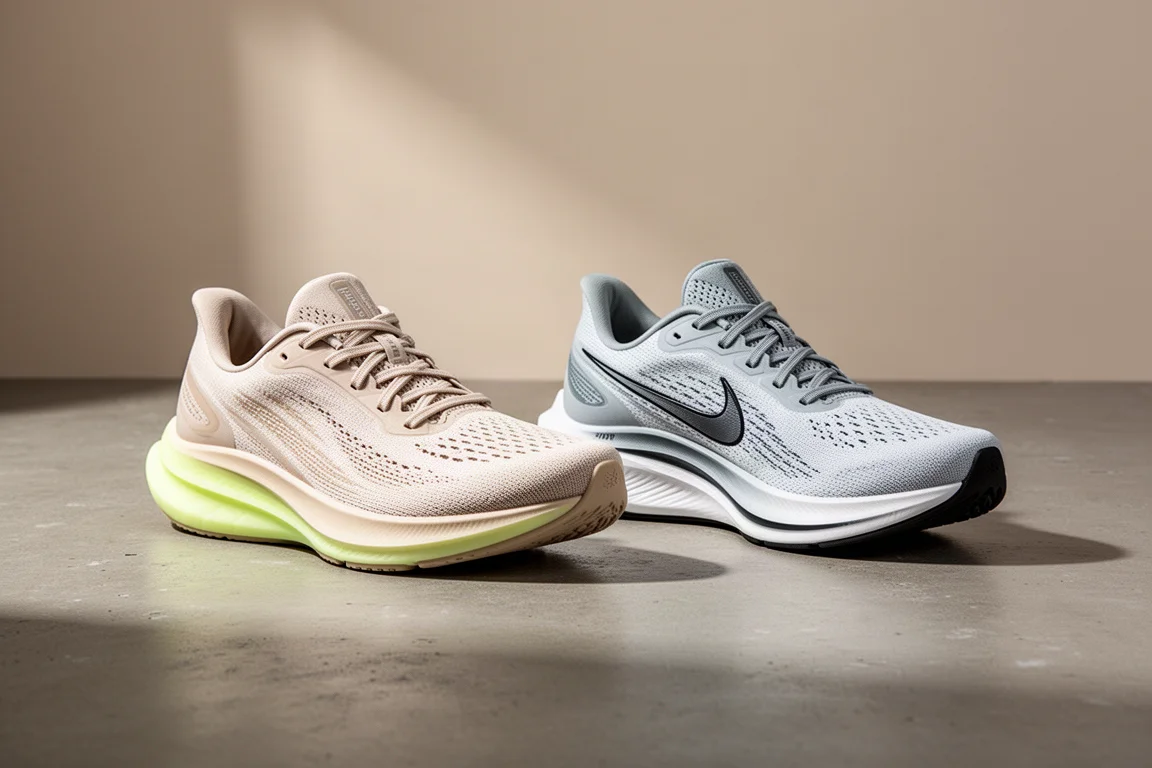
The New Balance Rebel v5 and Saucony Endorphin Speed 5 have long been fixtures in the lightweight trainer category, but recent updates have pulled them closer together than ever before. Both sit in the same middle ground: not full super shoes, but capable of daily training, workouts, and even race day for runners who do not get along with super carbon-plated racers.
Both include PEBA in the midsole, though in different amounts depending on the foam blend. One is plateless, the other carries a nylon plate. Despite the converging specs, the two shoes still ride noticeably differently, and that difference is the key to choosing between them.
Specs and Measurements
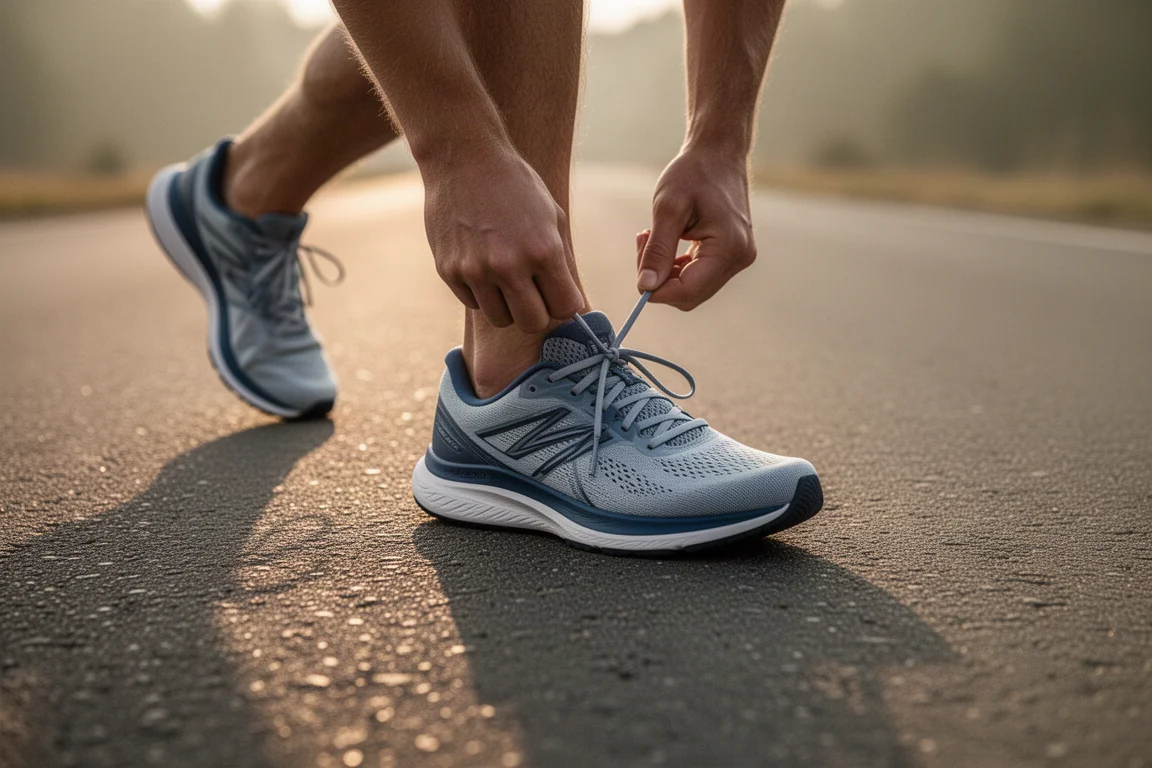
In a men’s size 10, the Rebel v5 weighs 230 grams (about 8.1 oz), while the Endorphin Speed 5 comes in at 8.9 oz. Stack heights have converged too: the Rebel v5 now measures 35 mm at the heel and 29 mm at the forefoot for a 6 mm drop, a significant jump from its traditionally lower profile. The Endorphin Speed 5 measures 36 mm heel and 28 mm forefoot for an 8 mm drop, having stayed more consistent over its history.
The result is that these shoes now occupy very similar territory on paper, even though the rides remain distinct.
Ride Feel and Midsole
The Rebel v5’s Fuel Cell midsole, roughly 20 percent PEBA blended with EVA, is unapologetically soft and bouncy underfoot. It is not firm or stiff, and while the taller stack limits flexibility somewhat, there is still a good amount of give. It handles daily training and uptempo workouts comfortably, with smooth heel and forefoot transitions that feel especially good at easier paces.
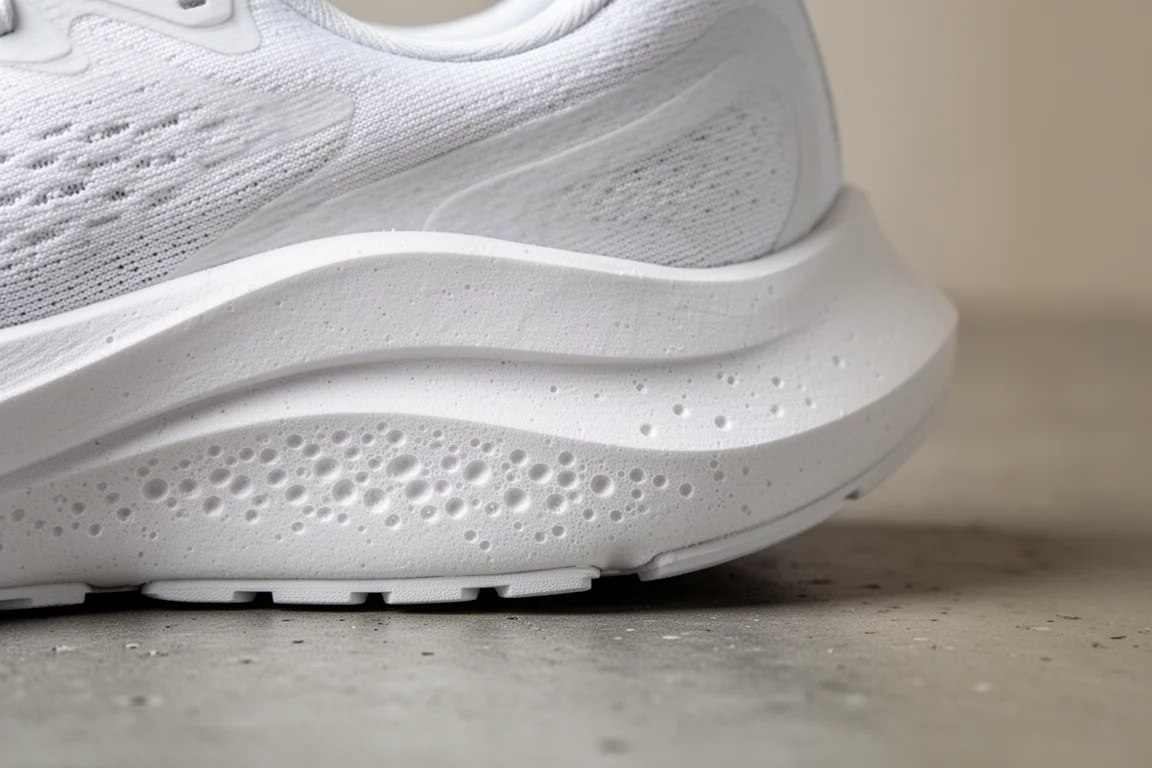
The Endorphin Speed 5 keeps its speed edge with a nylon plate, though this version is softer than the noticeably firmer v4. Removing part of the plate in the rearfoot smooths out the heel transition, while the forefoot stays slightly stiffer than before. It is the shoe that rolls and snaps; the Rebel is the one that bounces.
In practice, the Rebel suits easy runs with a little uptempo work, while the Speed is the better pick for longer runs, harder workouts, and race-day duty. Both can cover all of these roles, but the Speed holds the sharper edge.
Stability and Support
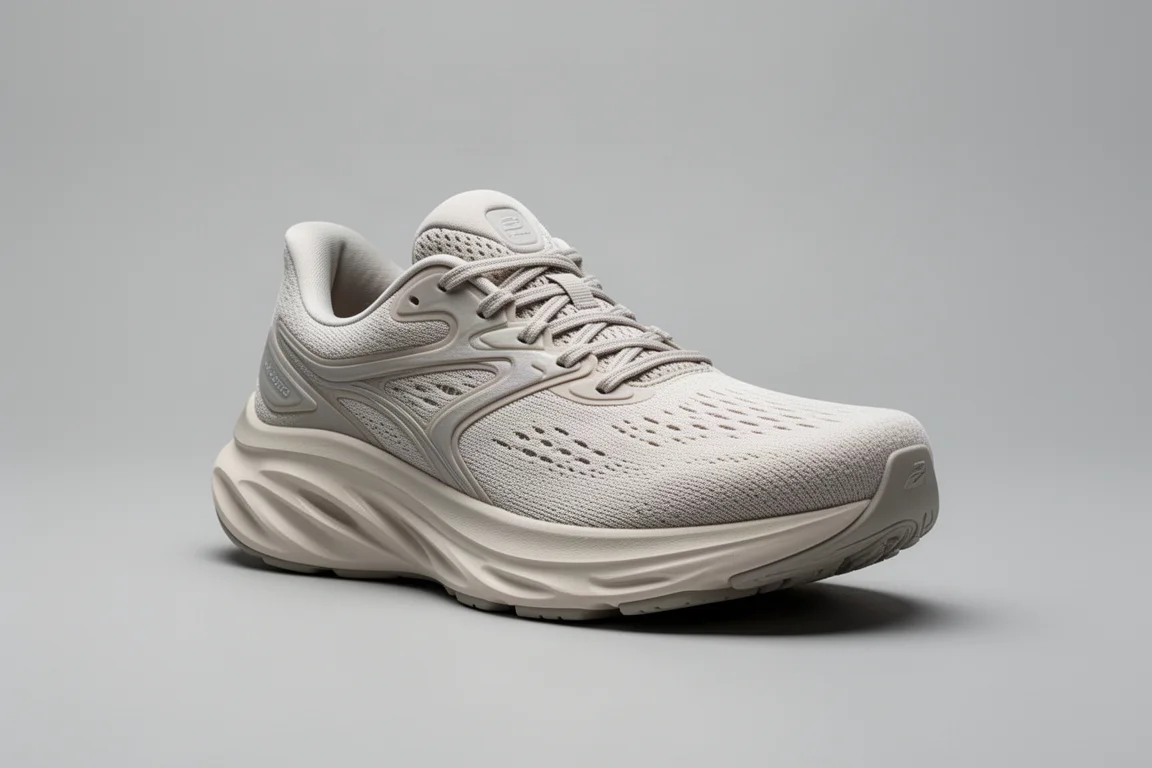
Stability is where the two shoes genuinely diverge. The Rebel v5 offers a wider midfoot and sidewalls throughout, but its very soft sole offsets those features. It remains a neutral shoe with mild guided tendencies rather than a truly stable neutral.
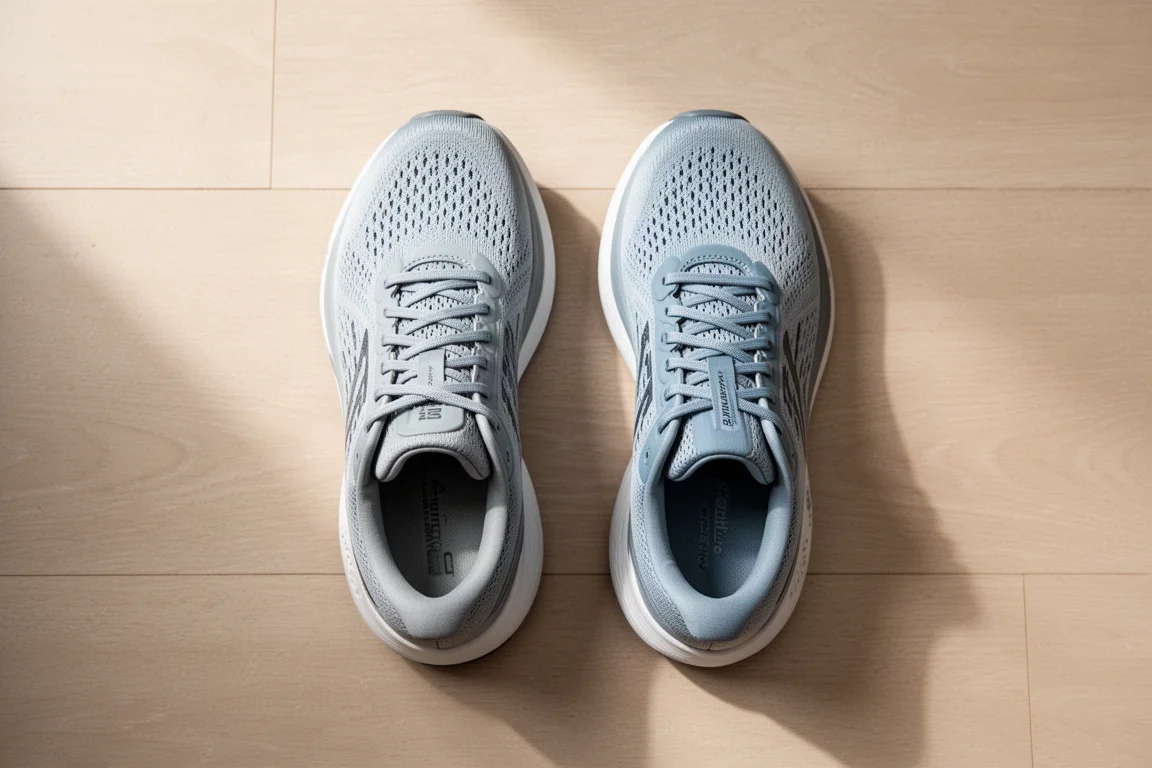
The Endorphin Speed 5 goes the other way. With the lateral portion of the plate removed in the rearfoot and a lateral midsole section that compresses well, it becomes a mild guidance shoe for runners who need medial support. There is more rearfoot flare on the medial side, which pitches the foot lateral. Runners who are sensitive to that lateral push may notice it, but for anyone wanting medial guidance in the rearfoot, the Speed 5 is clearly the more stable of the two.
Upper Fit and Sizing
Forefoot width is remarkably similar between the two; the real difference is volume and how the upper stretches. Both have thinner uppers with a performance fit, and both have some stiffness in the heel counter, a touch more on the Speed 5.
The Rebel v5 fits fairly uniformly through the shoe: normal to slightly wide in the forefoot, a touch wider in the midfoot, and a fairly normal heel. The Endorphin Speed 5 goes from a slightly wider forefoot with lower volume to a snugger midfoot and heel.
If you want more room, choose the Rebel. If you want a lower-volume, more locked-in performance fit, or you have a narrower foot, the Speed 5 is the better option.
Durability and Outsole
Neither shoe is built for maximum durability. Both use outsoles with mid-foot gaps in the rubber, and runners who land midfoot and scuff may find those pieces lifting. With about 65 miles on the Endorphin Speed 5, some outsole rubber had already started to pull away, and the Rebel’s outsole is expected to behave similarly.

For runners with lighter mechanics, this is less of a concern. The trade-off remains worthwhile for those prioritizing light weight and speed versatility over long-term outsole life.
Overall Buying Advice
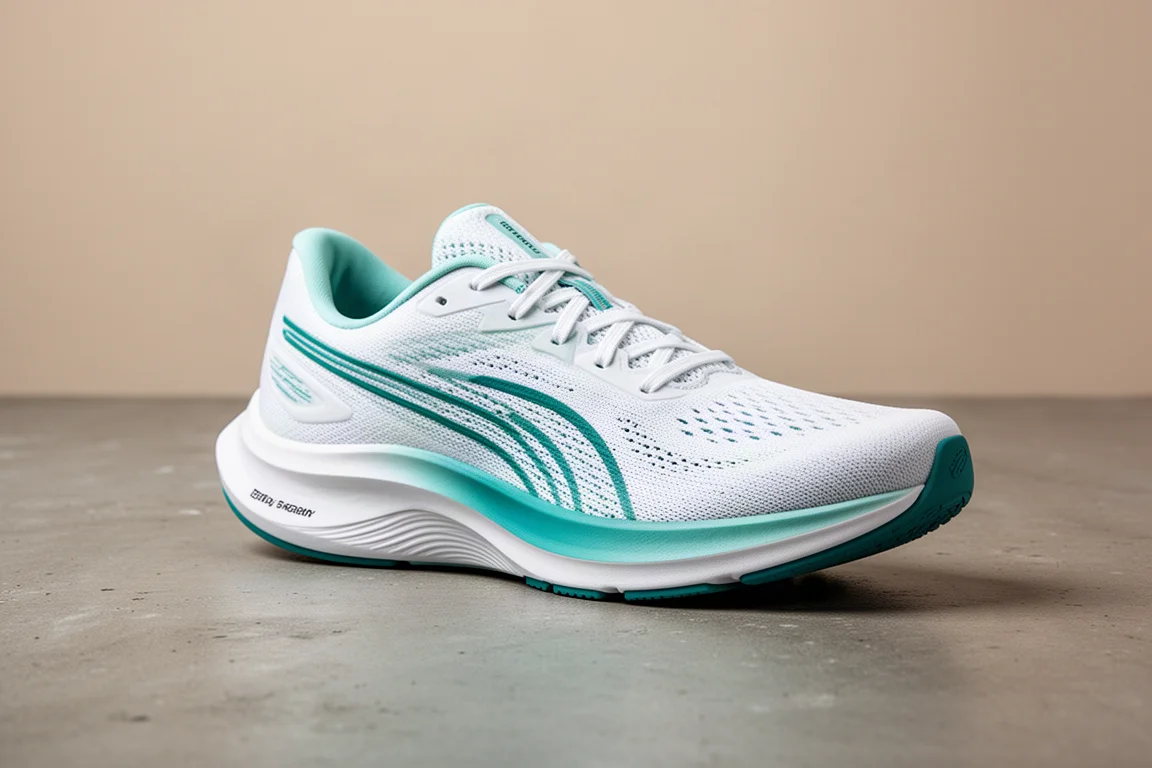
Choose the Rebel v5 if you want a softer, bouncier ride, a bit more room in the upper, and a more neutral feel that still handles workouts. Choose the Endorphin Speed 5 if you want more snap for faster sessions, a lower-volume performance fit, or mild rearfoot guidance for stability needs.
Conclusion
Both shoes are excellent lightweight trainers, and their converging stack heights make the choice more nuanced than it used to be. The Rebel v5 is the bouncier, roomier option, while the Endorphin Speed 5 is the snappier, more stable, more performance-oriented one. Match the shoe to your typical running week and either will serve you well.
Further reading
Related Reviews

Running Shoes
Best Road-to-Trail Running Shoes: Three Versatile Options for Mixed Terrain
A practical guide to three road-to-trail running shoes that handle both pavement and mild trails, with clear strengths and trade-offs for different runner types.

Running Shoes
Best Running Shoes for Achilles Tendonitis: Three Options Explained
Three running shoes with different heel drops and support features designed to help reduce Achilles tendon pain during walking and running.

Running Shoes
Best Running Shoes for Women: Five Top Choices Ranked
A ranked guide to five women's running shoes, from versatile daily trainers to high-performance racing options, with real strengths and trade-offs for each.