Running Shoes
New Balance Rebel V5 vs Saucony Endorphin Azura: Which Daily Trainer Wins?
Two lightweight, non-plated daily trainers go head to head on fit, cushioning, and versatility to help you pick the right one for your rotation.
Introduction
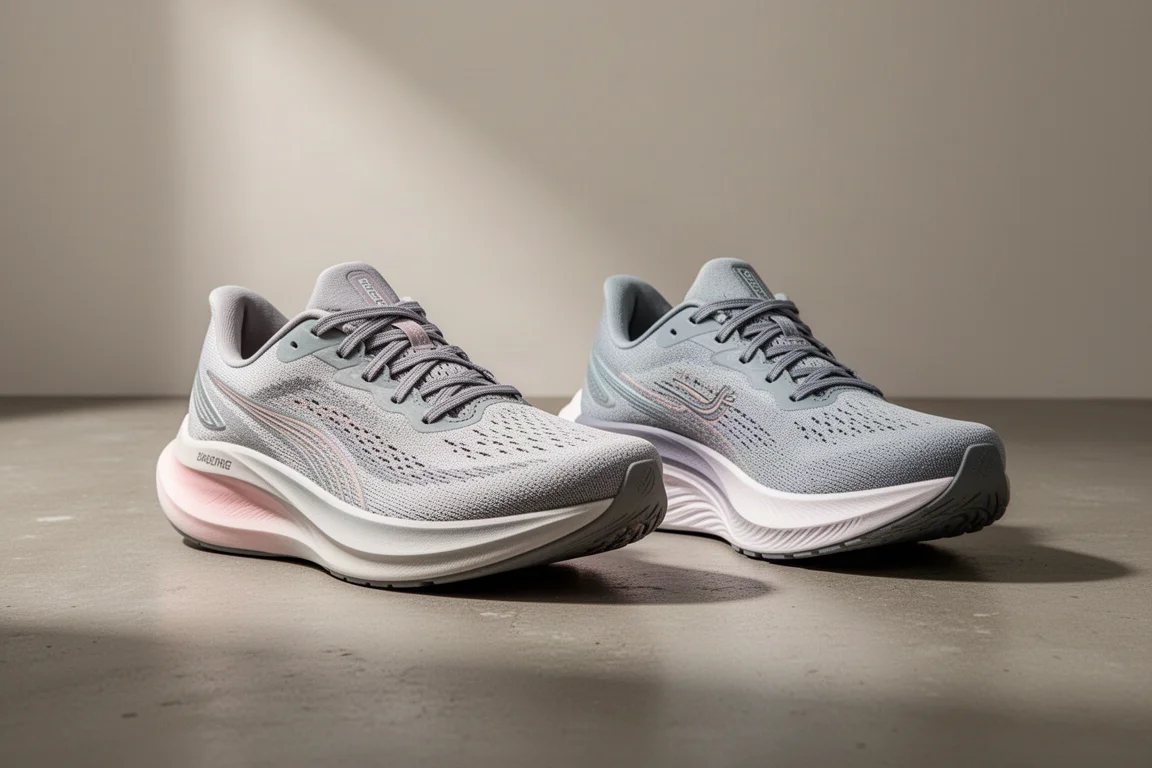
The New Balance Rebel V5 and the Saucony Endorphin Azura sit in the same sweet spot: lightweight, non-plated daily trainers with enough energy for faster runs and enough softness to cushion the slow ones. They also sit at similar prices, which makes choosing between them a genuine dilemma for many runners.
After plenty of miles in both, a clear pattern emerges. The Rebel V5 is the softer, lighter, more cruising-focused shoe of the pair, while the Azura brings a firmer, more responsive midsole with a rockered ride that shines at up-tempo paces. Neither is a bad choice; the right pick depends on what you want from your daily trainer.
Fit and Sizing
Sizing is the first area where these two shoes diverge, and it is worth checking before you buy. Testers generally found the Azura more true to size, with good toe box clearance and a slightly more dialed-in fit through the midfoot. The Rebel V5 is roomy without being overly spacious up front, but it runs snug on the outer edge into the little toes, and several testers suggested going half a size up if you want extra space for your big toe.
Heel lockdown is solid in both shoes, with similar padding at the heel collar and no reports of heel rub or slipping. The lacing and tongue combinations are comparable too: both need a little playing with initially, but once in place they do not move on the run. Neither shoe is objectively wide, so runners with wider feet may notice the midfoot restriction in both.
Ride and Cushioning
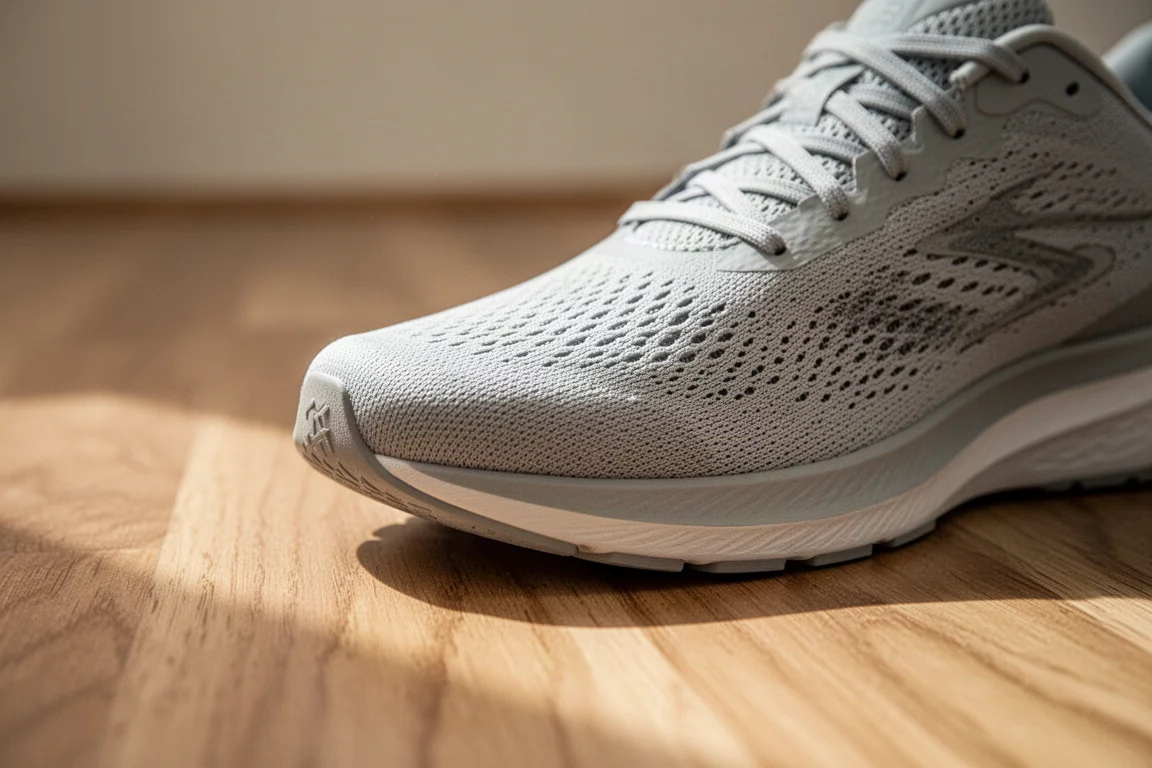
The midsole is where the real difference lives. Both shoes are lightweight, non-plated trainers with PEBA-based foams, but they feel noticeably different underfoot.
The Rebel V5 uses New Balance’s FuelCell PEBA blend in a softer, more plush configuration. With a wide base, a lower drop, and a fairly flat, less rockered ride, it feels cushioned and supportive along the whole length of the foot. Testers consistently found it most at home on easy runs, long runs, and steady efforts, and one tester even raced a 90K road ultra in it, reporting very little road feedback even after nine hours of running.

The Azura, by contrast, uses Saucony’s PWRRUN PB foam, which feels denser and more energetic. Combined with the Speedroll geometry, it produces a pronounced rocker that moves you efficiently from heel to toe and gives a nice wedge of pop under the forefoot. It trades a little top-end softness for extra protection and responsiveness, and testers repeatedly described it as bouncy and lively in direct comparison runs.
Durability and Outsole
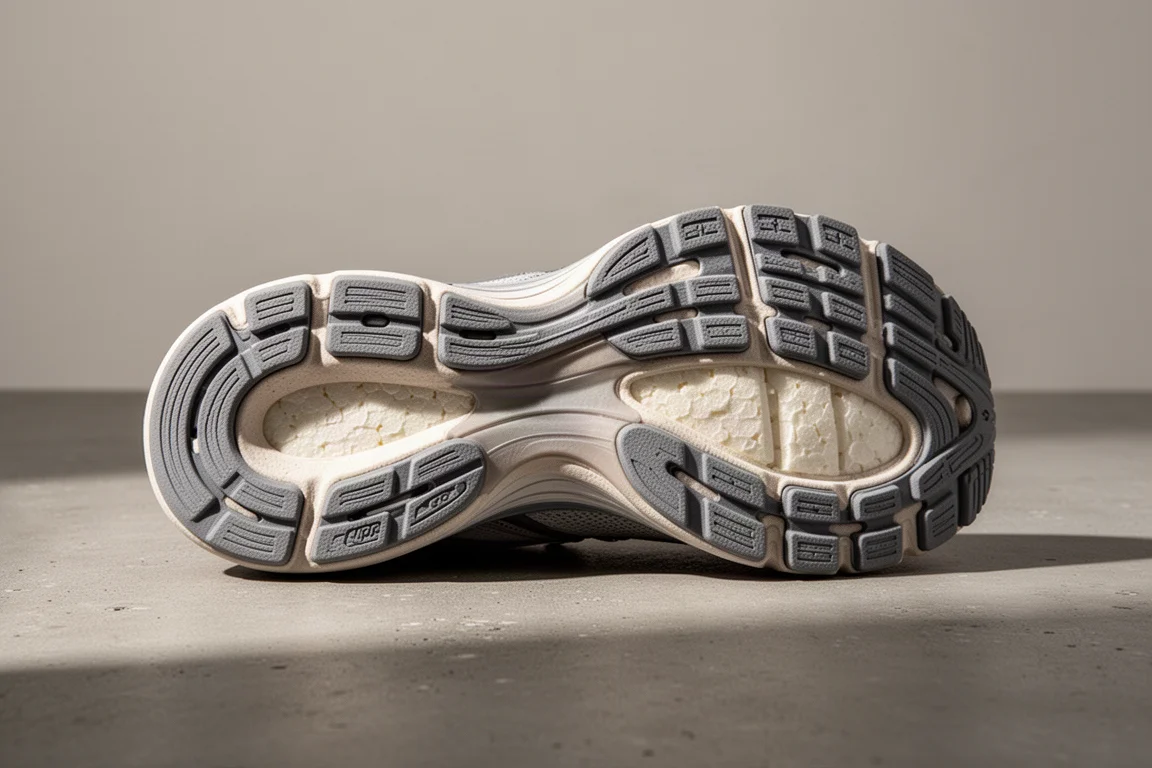
Durability looks reasonably similar on paper, but there are subtle distinctions. The Rebel V5 has the better outsole rubber of the two, with a thicker layer, though some exposed midsole wear has started to show. Its softer midsole may also deaden somewhat over time, and there are reports around the running community of the foam losing a bit of pop with mileage.
The Azura’s outsole is thinner with more exposed midsole, presumably to save weight, but it remains grippy. Its firmer, denser PWRRUN PB foam is widely regarded as durable, and testers report Saucony speed shoes still feeling poppy well beyond 400K.
Verdict: Which Shoe Should You Buy?
If you want a single all-in-one daily trainer that covers everything from easy miles to faster workouts, the Azura comes out ahead for most testers. It is comfortable, stable, has a lovely rockered ride, very durable foam, and genuine bounce for up-tempo sessions. The fact that it delivers speed-shoe technology without a plate makes it a strong value pick too.
If your rotation already has shoes for faster sessions and you want something softer, lighter, and more relaxed for easy and long runs, the Rebel V5 is the better fit. It is lighter, arguably better looking, and impressively cushioned for its weight, though it lacks the snap of the Azura at pace and its midsole may bottom out sooner than some rivals.
Conclusion
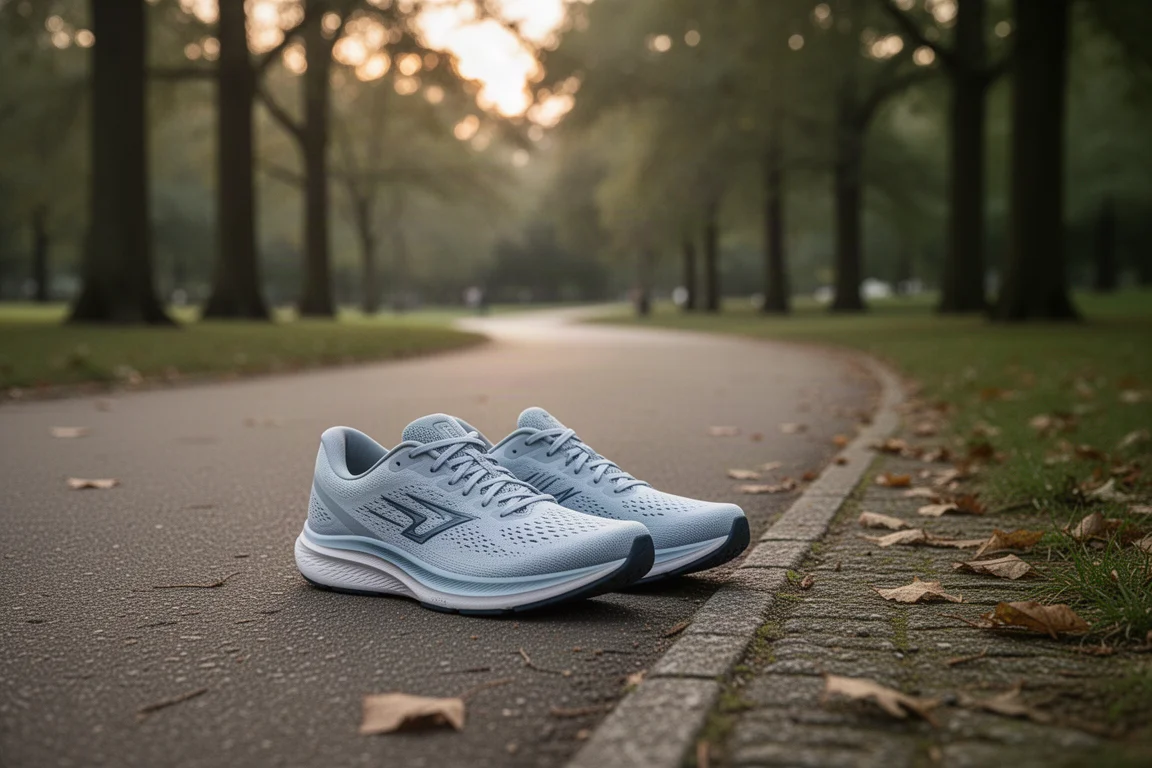
Both of these are very good shoes, and both have earned their place in a rotation. The Rebel V5 is the plush, light cruiser for comfort-focused daily miles. The Endorphin Azura is the more versatile, more energetic option that handles a wider range of paces. Choose based on the foam feel you prefer, and you are unlikely to go wrong with either.
Product link
View more details for New Balance Rebel v5
This product is mentioned in the review. Check the specifications, options, and compatibility before buying.
View more details for New Balance Rebel v5Further reading
Related Reviews

Running Shoes
Best Road-to-Trail Running Shoes: Three Versatile Options for Mixed Terrain
A practical guide to three road-to-trail running shoes that handle both pavement and mild trails, with clear strengths and trade-offs for different runner types.

Running Shoes
Best Running Shoes for Achilles Tendonitis: Three Options Explained
Three running shoes with different heel drops and support features designed to help reduce Achilles tendon pain during walking and running.

Running Shoes
Best Running Shoes for Women: Five Top Choices Ranked
A ranked guide to five women's running shoes, from versatile daily trainers to high-performance racing options, with real strengths and trade-offs for each.