Running Shoes
New Balance Rebel V5 vs Puma Velocity Nitro 4: Two Daily Trainers, Two Different Approaches
A close comparison of two versatile lightweight daily trainers, covering fit, cushioning, stability, grip, and which one suits which kind of runner.
Introduction
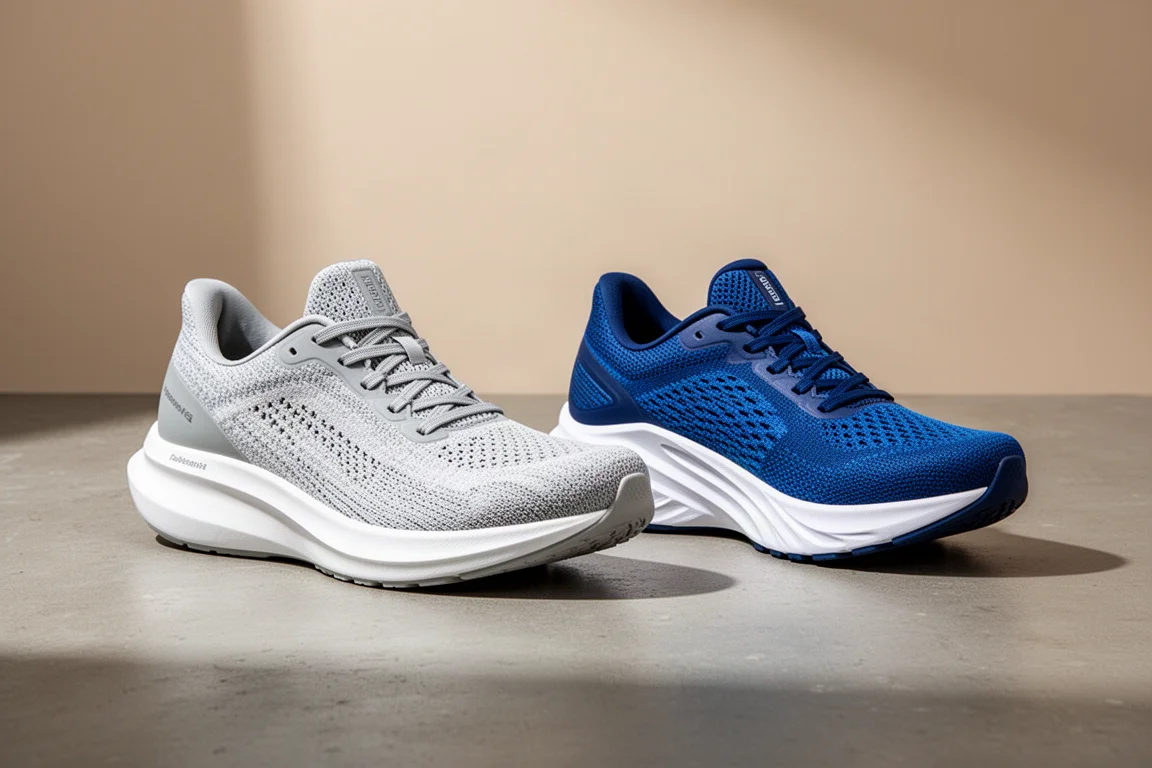
Some daily trainers try to do everything, and a rare few actually manage it. The New Balance Rebel V5 and the Puma Velocity Nitro 4 both sit in that category: versatile, lightweight, reasonably priced shoes that handle a wide range of runs without asking you to compromise much. They do broadly the same job, but they approach it with noticeably different designs, and those differences matter depending on what you want from a daily trainer.
This comparison draws out where each shoe excels, where it falls short, and which type of runner should pick which one.
Price, Weight, and Geometry
On price, the two are close but not identical. The Rebel V5 costs £140 in the UK and $140 in the US. The Velocity Nitro 4 is also $140 in the US, but in the UK it comes in at £110, a full £30 less, which is a meaningful saving for what is an equally well-regarded shoe.
The Rebel V5 is the slightly lighter shoe at 225g (7.9 oz) in a UK 9 (US 9.5). The Puma weighs 247g (8.7 oz), also measured in a UK 9, which corresponds to a US 10, so it is the bigger shoe of the two.

Geometry differs too. The Puma runs a 10mm drop with a 36mm heel stack and 26mm at the forefoot. The New Balance sits at a 6mm drop with 35mm at the heel and 29mm at the forefoot, giving it noticeably more cushioning under the forefoot.
New Balance Rebel V5
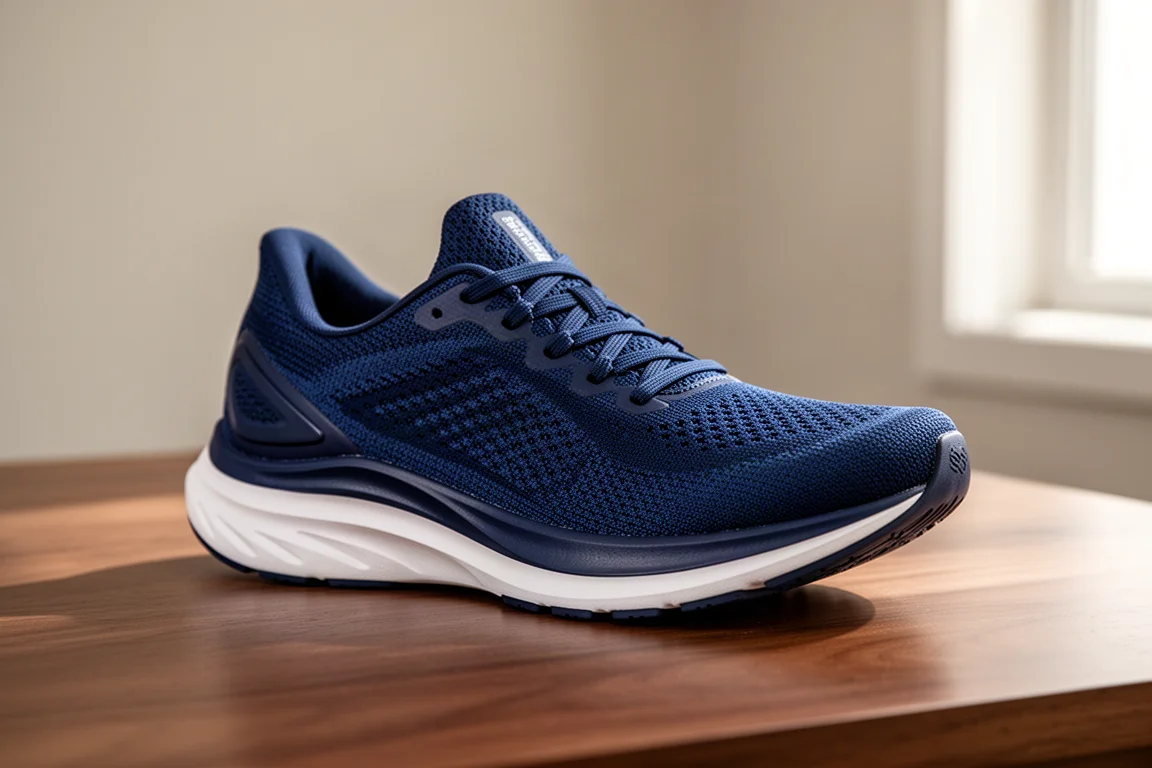
The Rebel V5 uses a lightweight fit upper with minimal padding on the tongue and around the collar, plus an internal heel counter. It is a stripped-back upper that keeps weight down and gives a clean, comfortable feel, particularly for anyone whose Achilles is sensitive to bulkier collar padding.
The midsole is a blend of EVA and PEBA foams, laid down as a wide wedge underfoot. That width is one of the shoe’s defining traits: the Rebel is a lot wider than the Puma, and you feel it supporting your foot on both sides of every stride. Outsole coverage is modest, with rubber on the forefoot and two strips at the heel.
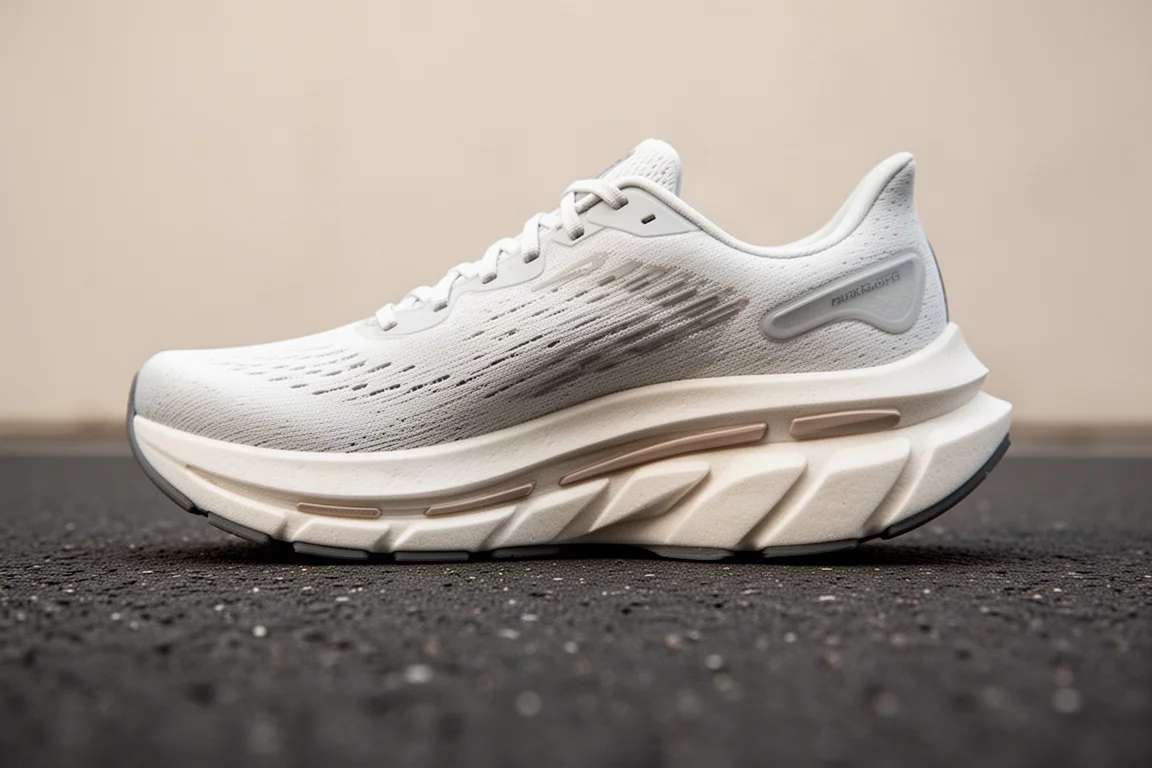
On the run, the width and the extra forefoot cushioning combine to make the Rebel feel like the more cushioned and more stable of the two. Easy running is a genuinely pleasant experience: you get impact protection and side-to-side support while still being able to pick your feet up easily thanks to the low weight.
Picking up the pace is possible, and intervals are doable, but the foam is not the most responsive version of FuelCell and the ride is fairly flat, with no big rocker to tip you forward. The Rebel is better suited to easy runs and long runs than to sustained faster paces. That is a notable shift for a line that started out as narrow, low-profile, speed-focused shoes, but the result is a comfortable daily trainer that can soak up a lot of miles.
Puma Velocity Nitro 4
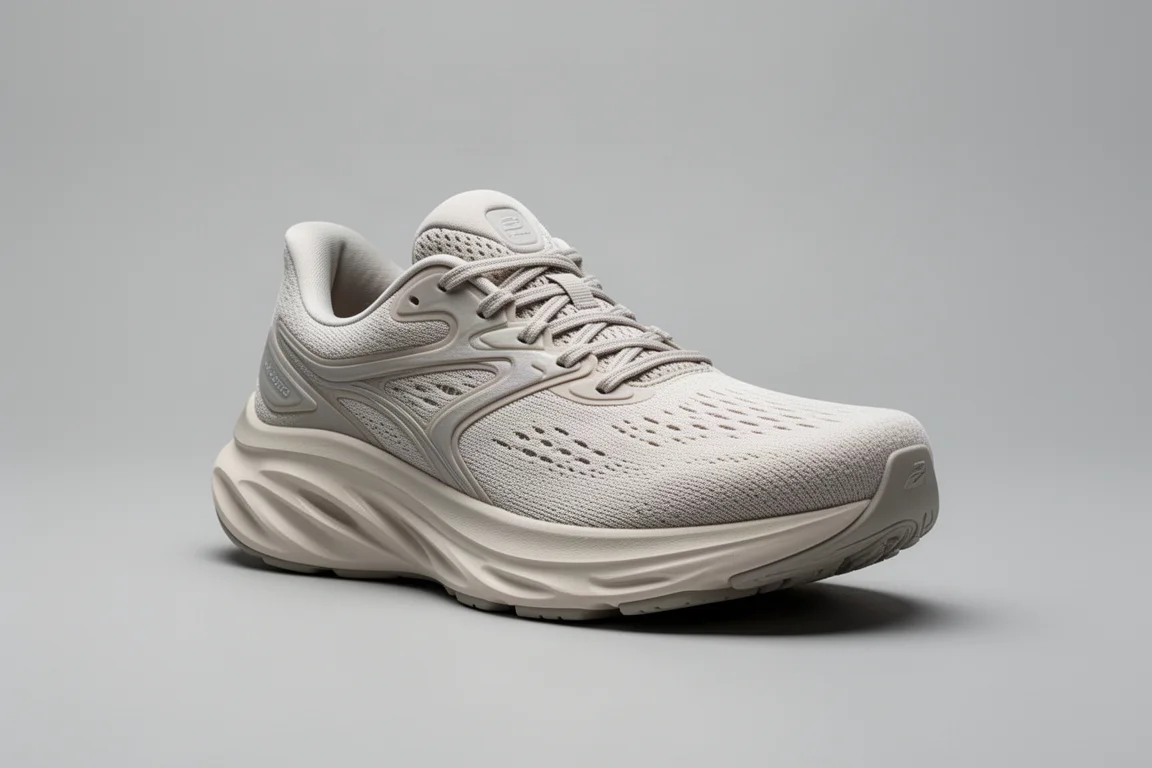
The Velocity Nitro 4 takes a different path. Its engineered mesh upper with power tape overlays carries a bit more padding around the collar than the New Balance, which adds step-in comfort, though there is still not much on the tongue. An internal heel counter is present here as well.
The midsole uses Puma’s Nitro foam, an aliphatic TPU blend similar to the foam in the brand’s race day shoes but remodeled for daily training. The shoe is narrower than the Rebel, especially around the midfoot where it tapers in, and the Puma Grip outsole offers thick, extensive coverage across the forefoot and heel. That rubber has a strong reputation, and it holds up here.
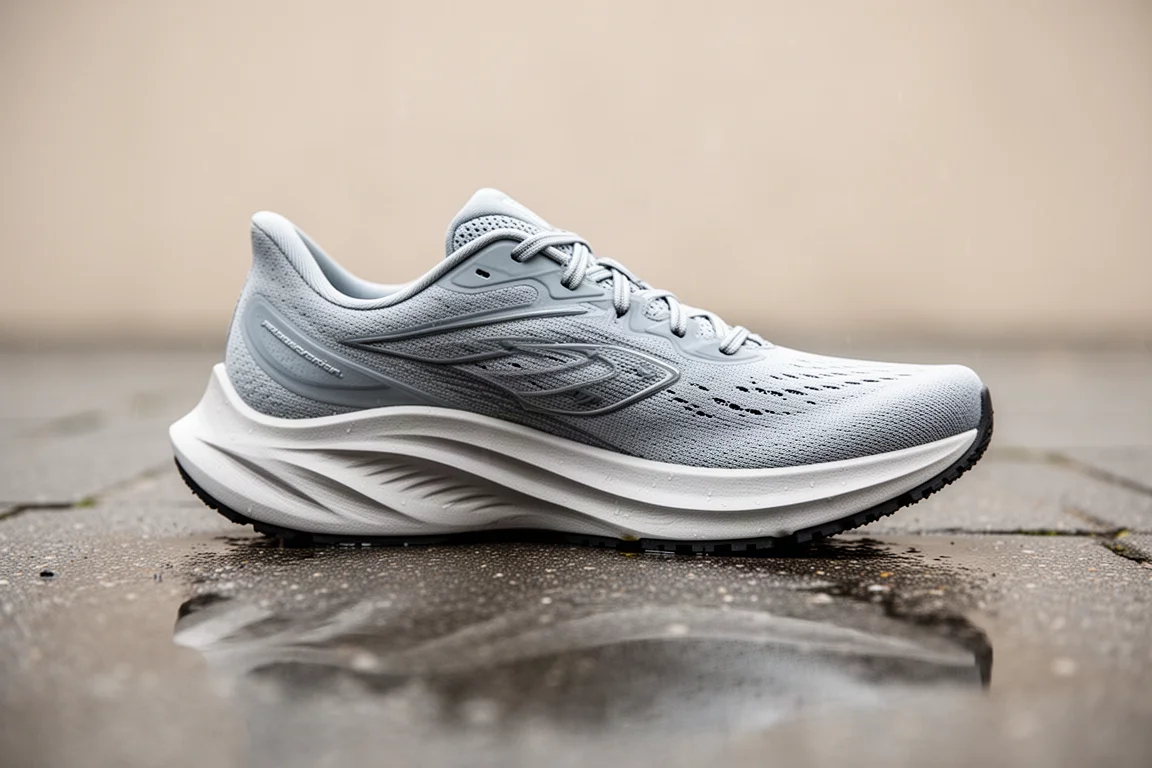
On the run, the 10mm drop and the more responsive, bouncy foam give the Puma a livelier character. For a heel striker, the higher drop snaps you forward onto your toes a little quicker, and even without a pronounced rocker, the shoe pushes you forward better than the Rebel. Despite being slightly heavier on the scales, the narrow shape makes it feel nimble and light when the pace picks up. Progression runs feel natural in it, moving smoothly through the gears.
The trade-off is stability. The Puma is the less stable shoe of the pair, and with foam that is not especially firm, runners with stability issues may find it rolls inward more than the Rebel, which stands out as a very stable neutral shoe. Heel cushioning is generous in the Puma, but under the forefoot it is less comfortable than the Rebel over long distances. That said, it held up well in testing up to around 18K without the forefoot discomfort the geometry might suggest, so it remains a protective shoe.
Fit and Sizing Notes
Both shoes run true to your normal running shoe size, with one caveat for UK buyers. The Puma converts a UK 9 to a US 10, while the New Balance converts it to a US 9.5, so New Balance shoes come up slightly smaller in UK sizing. If you are between sizes, size accordingly.
In terms of actual fit, the Puma is the narrower shoe. It is not as narrow as its predecessor, but it still suits narrow feet best. The Rebel is more accommodating through the width, and New Balance typically offers wide sizes too, making it the safer pick for wider feet. If you prefer minimal padding at the heel, the Rebel’s stripped-back collar is the more appealing fit; if you like a plusher step-in feel, the Puma delivers more of it.
Overall Buying Advice
Both shoes cover the same range of runs well and suit runners of all experience levels. The Rebel leans towards easy and long running, where its stability, width, and forefoot cushioning shine. The Puma is the better pick for faster runs, with more responsive foam, better ground feel under the forefoot, quicker turnover, and clearly superior grip from its thicker outsole rubber.

If you want one shoe to do absolutely everything, the Puma is the stronger all-rounder thanks to its wider range of paces and better grip. If you are adding a daily trainer to a rotation that already includes a faster shoe, the Rebel makes more sense as the stable, comfortable easy-day option. Beginners may want to start with the New Balance for the guaranteed stability and width. And for UK buyers, the Puma’s £30 lower price is a genuine tiebreaker given how closely matched these two are.
Conclusion
The Rebel V5 and Velocity Nitro 4 prove that two shoes can share a category and still serve different runners. Pick the Rebel for stability, width, and easy-mile comfort. Pick the Puma for pace range, grip, and all-round versatility, especially in the UK where it costs less. Either way, both are easy shoes to recommend.
Further reading
Related Reviews

Running Shoes
Best Road-to-Trail Running Shoes: Three Versatile Options for Mixed Terrain
A practical guide to three road-to-trail running shoes that handle both pavement and mild trails, with clear strengths and trade-offs for different runner types.

Running Shoes
Best Running Shoes for Achilles Tendonitis: Three Options Explained
Three running shoes with different heel drops and support features designed to help reduce Achilles tendon pain during walking and running.

Running Shoes
Best Running Shoes for Women: Five Top Choices Ranked
A ranked guide to five women's running shoes, from versatile daily trainers to high-performance racing options, with real strengths and trade-offs for each.