Running Shoes
New Balance Rebel v5 vs Adidas Evo SL vs Asics Novablast v5: Which Daily Trainer Wins?
The all-new Rebel v5 takes on the Evo SL and Novablast v5. Here is how three of the best daily trainers compare on ride, fit, speed, and durability.
Introduction
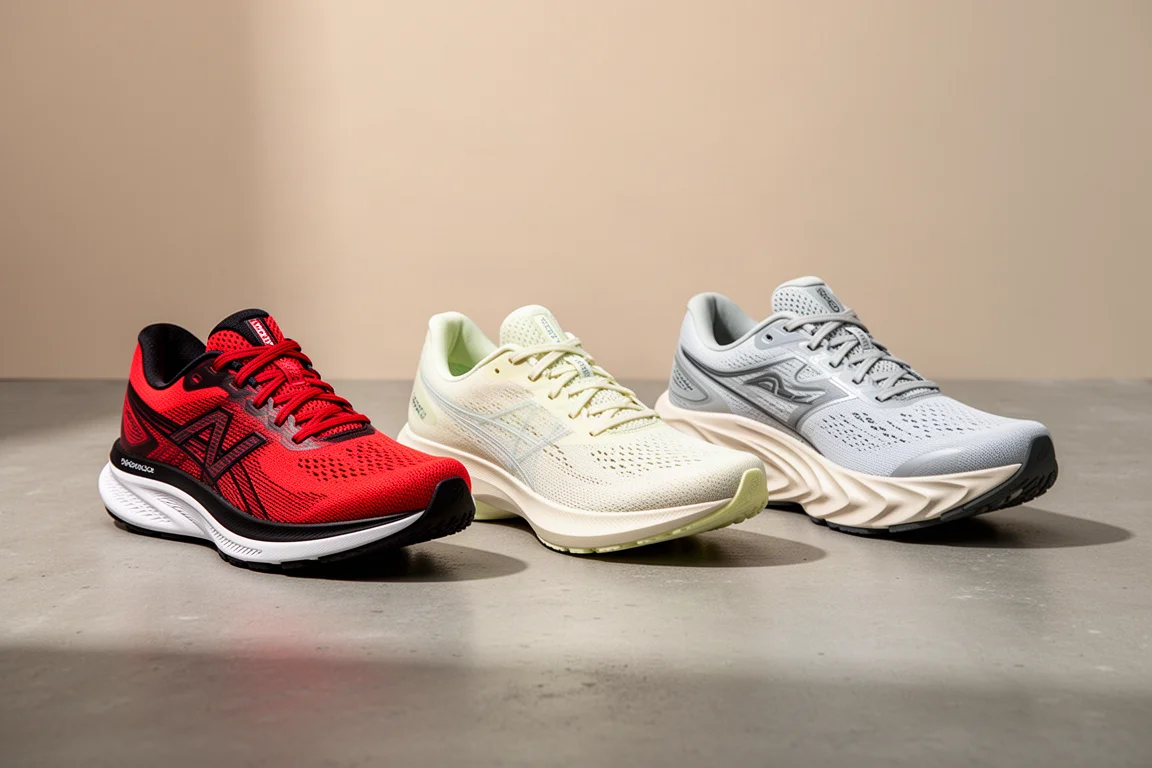
The New Balance Rebel v5 has finally landed, and it arrives with a clear mission: to be the non-plated daily speed shoe that does a bit of everything. That puts it straight into a fight with two of the most talked-about trainers on the market right now, the Adidas Evo SL and the Asics Novablast v5. All three shoes cover the daily-training role, but they lean in noticeably different directions. Here is how they stack up.
New Balance Rebel v5: The Do-It-All Speed Trainer
The Rebel v5 builds on version 4 with 5 mm more stack height, an updated upper, a new tongue, and a redesigned heel construction aimed squarely at the heel slip and Achilles issues that bothered many runners in the previous version. The stack now sits at 35 mm with a 6 mm drop, and weight comes in at 271 g in a UK size 12, about 23 g heavier than version 4, though the extra grams are hard to notice while running. The FuelCell midsole is a blend of roughly 80% EVA and 20% PEA super foam, with no plate, and the shoe stays true to size.
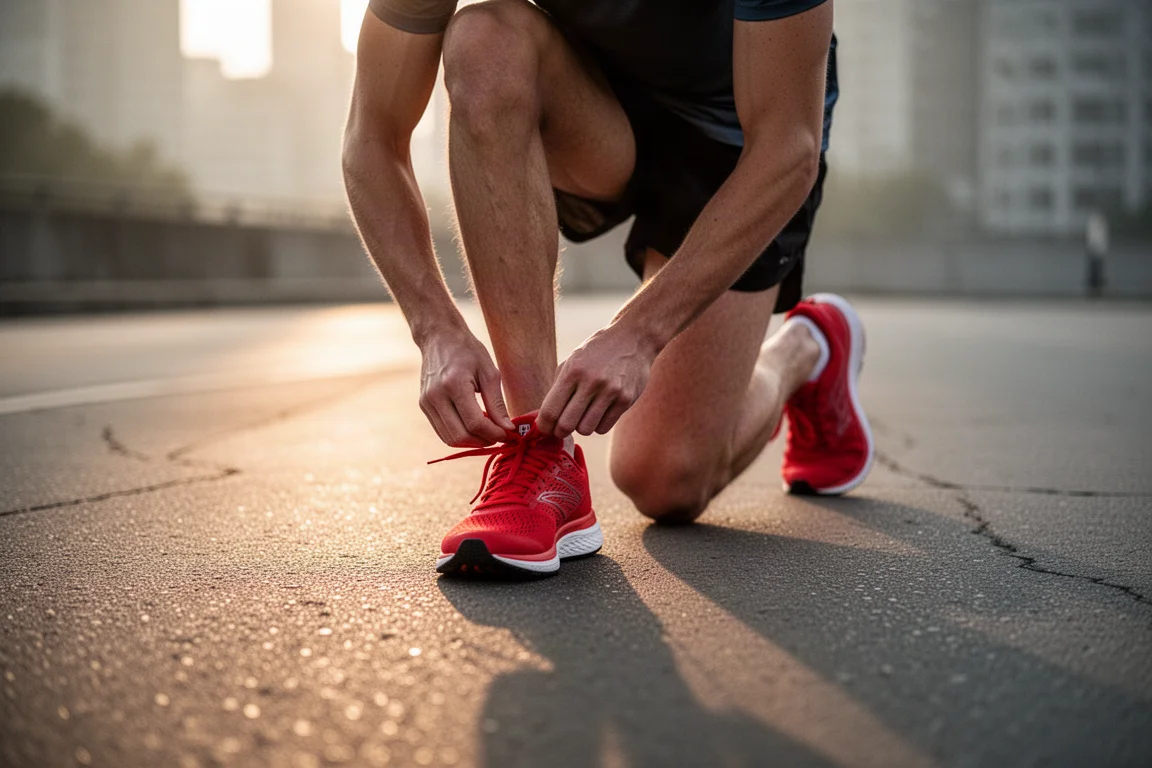
The improved upper is the headline fix. There is less material bunching on top of the foot, lockdown is dramatically better, and heel slip is gone. Versatility is the second big win: the foam is soft but reactive, the rocker at the front and back suits forefoot, midfoot, and heel strikers alike, and the ride genuinely encourages you to pick up the pace. At around £140 at RRP, with no price increase over version 4, it is strong value for a shoe that could realistically handle 5Ks, 10Ks, and half marathons. The 35 mm stack also sits at the legal limit, which matters for anyone who needs a legal race shoe.
The trade-offs are real, though. After about 50 km the outsole is already showing wear and the exposed midsole is scuffing, so this is not a mileage monster. The soft foam and the upper allow a little extra movement in very sharp corners, and wet-weather grip is still an open question, although dry grip has been solid.
Adidas Evo SL: The Snappy Speed Specialist
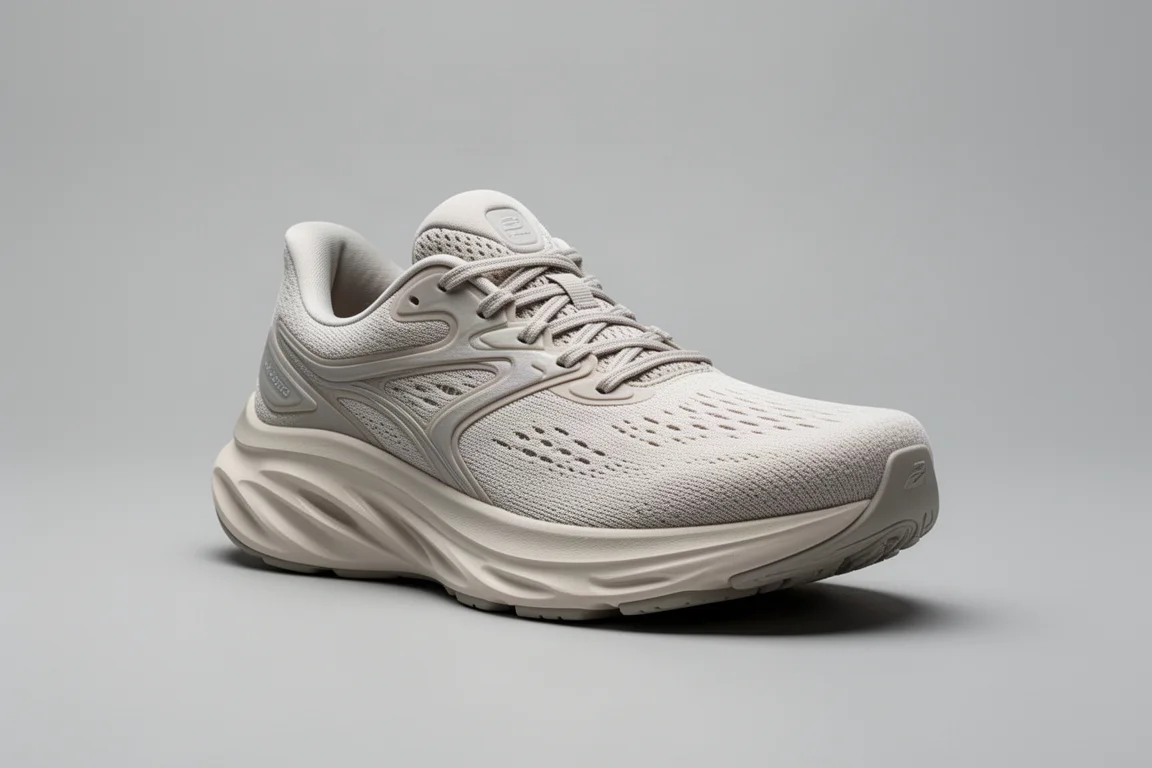
The Evo SL shares the Rebel’s speed-focused daily trainer brief, but goes about it differently. It uses a full-length PEA-based midsole with a small internal shank for stability, and it feels a touch softer at foot strike and a little firmer in personality than you might expect, in a good way. The stack is higher at 39 mm, the weight is essentially identical to the Rebel, and the price is around £10 cheaper.
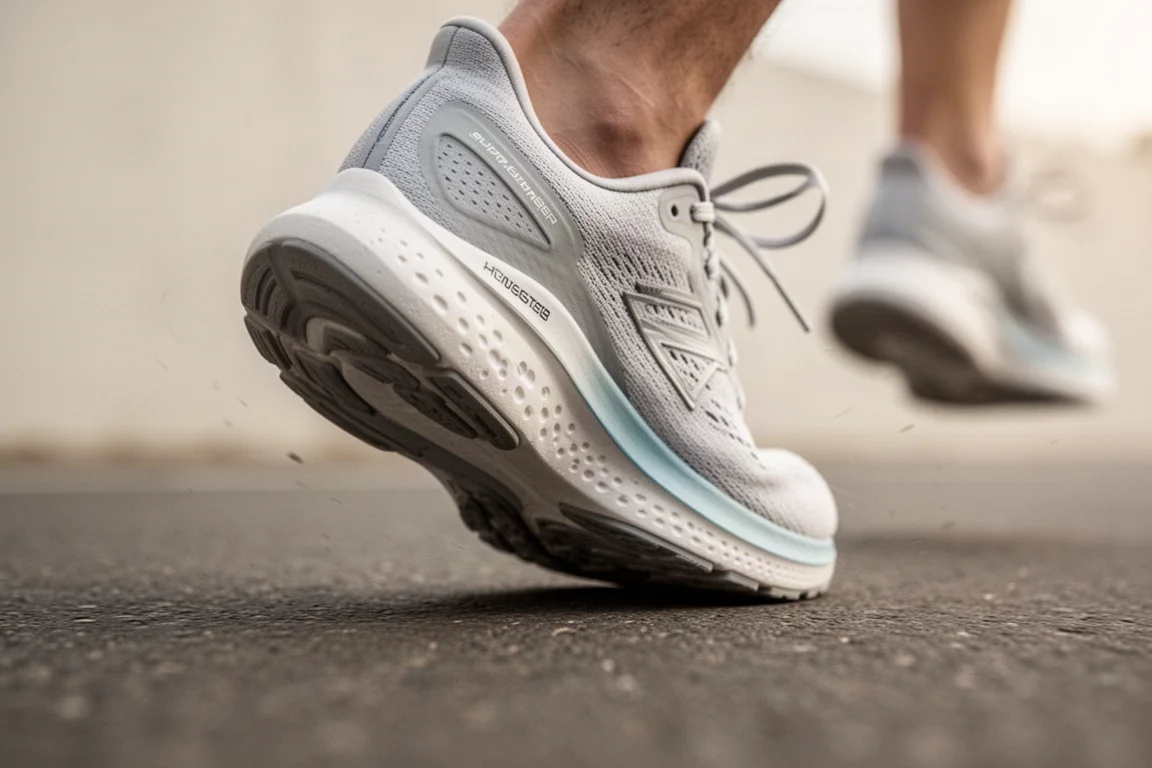
Where the Evo SL shines is pace. The foam feels a step better at speed, and it is arguably the more fun, snappier shoe for faster sessions. The flip side is that it can feel slightly clunky at easy and recovery paces, where the Rebel stays smoother. If you are building a rotation and want a dedicated shoe for quick days, the Evo SL is the sharper tool.
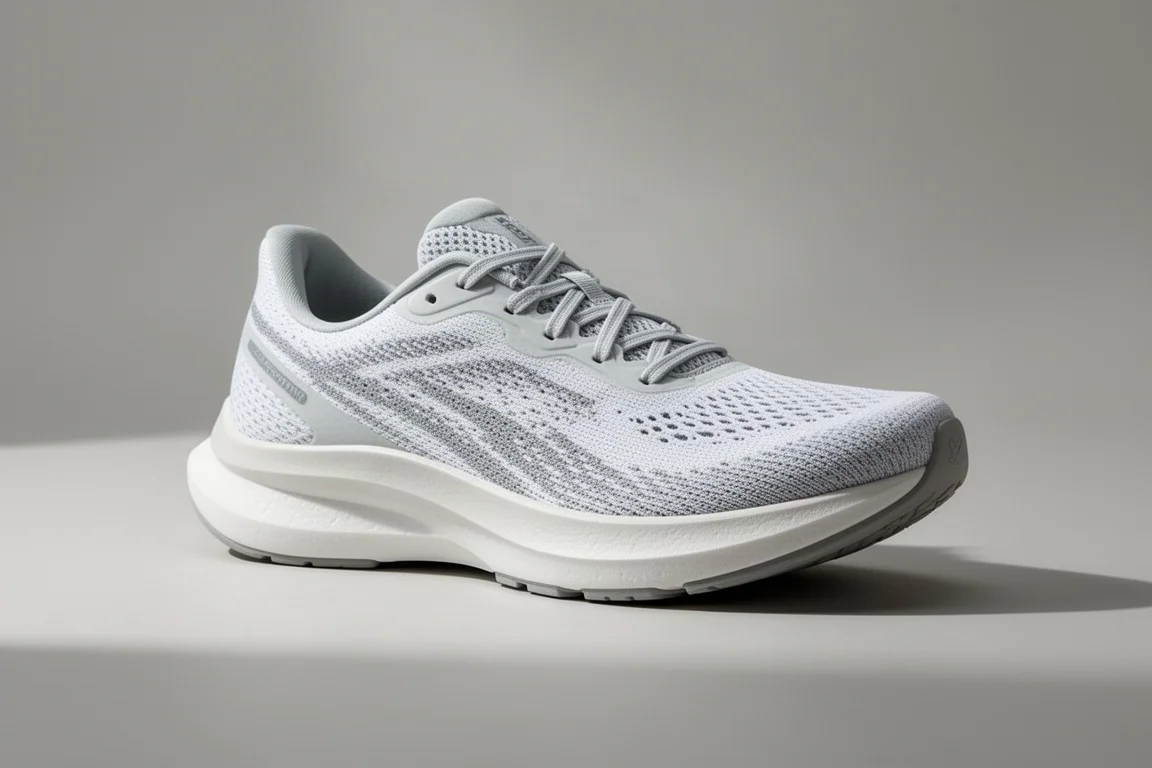
Asics Novablast v5: The Long-Run Workhorse
The Novablast v5 plays a different role. It is a classic, comfort-first daily trainer with a much higher stack, roughly 6.5 mm more than the Rebel, which gives the ride an extra bounce thanks to all that foam underfoot. It runs about 30 g heavier than the Rebel and around £5 cheaper, and it is generally the more robust shoe of the two.
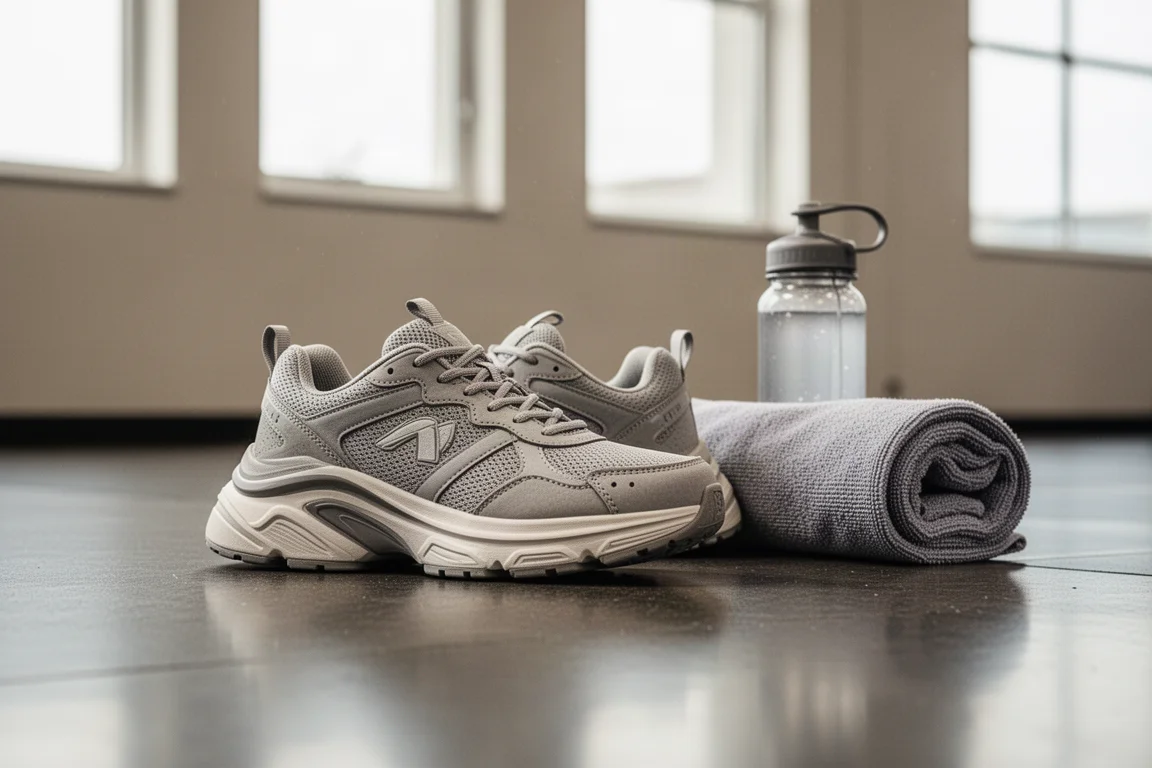
For long runs, marathon build-ups, and those 20-mile efforts, the Novablast is the more comfortable and durable choice. The Rebel is lighter, more fun, and quicker for speed work, but it will not last as long. If durability and long-run comfort top your list, the Novablast remains one of the safest recommendations in the daily trainer category.
Which One Should You Buy?
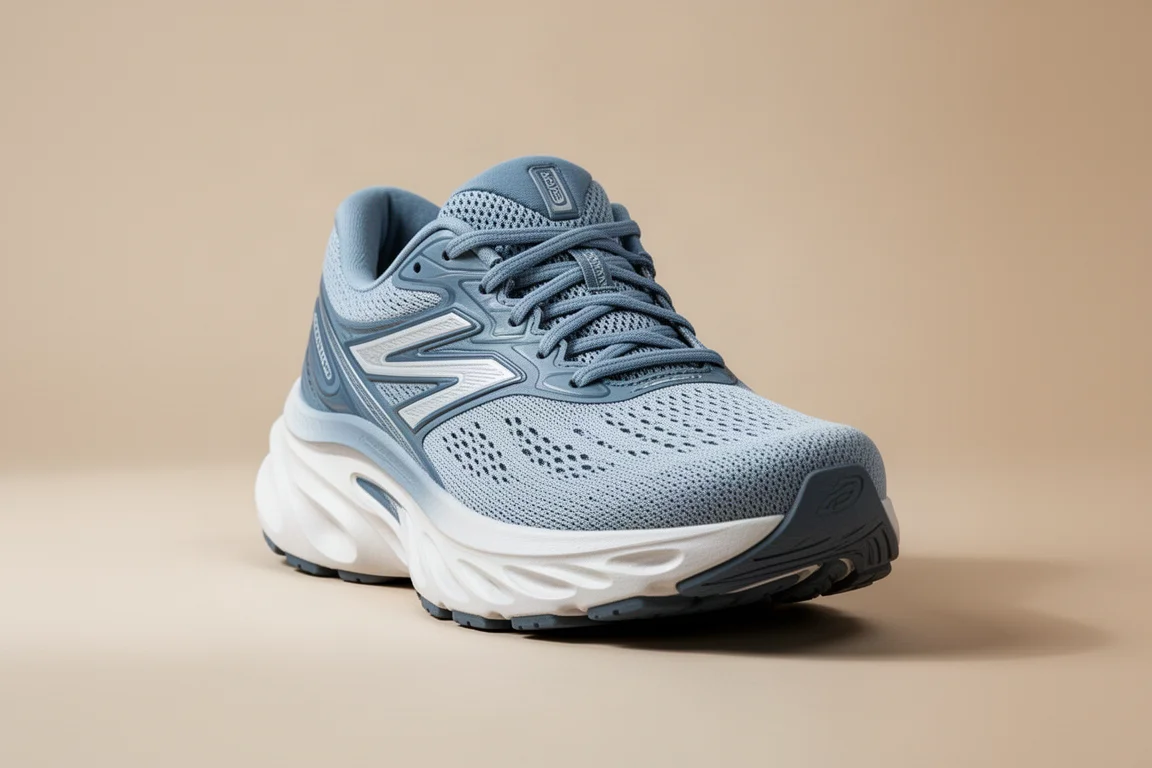
If you want one shoe to genuinely do it all, easy runs, tempo sessions, and the occasional race, the Rebel v5 is the pick. Its whole pace range is covered, and it feels happier at slower paces than the Evo SL. If you plan to build a rotation and want a fun, snappy shoe reserved for faster runs, the Evo SL makes more sense. And if long runs and durability matter most, the Novablast v5 is the sturdier daily partner.

One more option worth noting: if you liked the firmer, lower-stack feel of Rebel version 4, deals on the outgoing model are floating around, and it remains a valid choice for those who preferred its snappier character.
Conclusion
All three shoes are excellent, and none of them is a wrong answer. The Rebel v5 is the most versatile of the trio and a major step up from version 4, the Evo SL is the best pure speed day shoe of the group, and the Novablast v5 is the most comfortable and durable over long distances. Match the shoe to your training, and you will be happy with any of them.
Further reading
Related Reviews

Running Shoes
Best Road-to-Trail Running Shoes: Three Versatile Options for Mixed Terrain
A practical guide to three road-to-trail running shoes that handle both pavement and mild trails, with clear strengths and trade-offs for different runner types.

Running Shoes
Best Running Shoes for Achilles Tendonitis: Three Options Explained
Three running shoes with different heel drops and support features designed to help reduce Achilles tendon pain during walking and running.

Running Shoes
Best Running Shoes for Women: Five Top Choices Ranked
A ranked guide to five women's running shoes, from versatile daily trainers to high-performance racing options, with real strengths and trade-offs for each.