Running Shoes
New Balance Rebel v4 vs v5: Should You Buy the Older Shoe on Sale or the New One at Full Price?
Two similar lightweight trainers with very different rides. Here is how the Rebel v4 and v5 compare on weight, stack, cushioning, fit, and durability.
Introduction
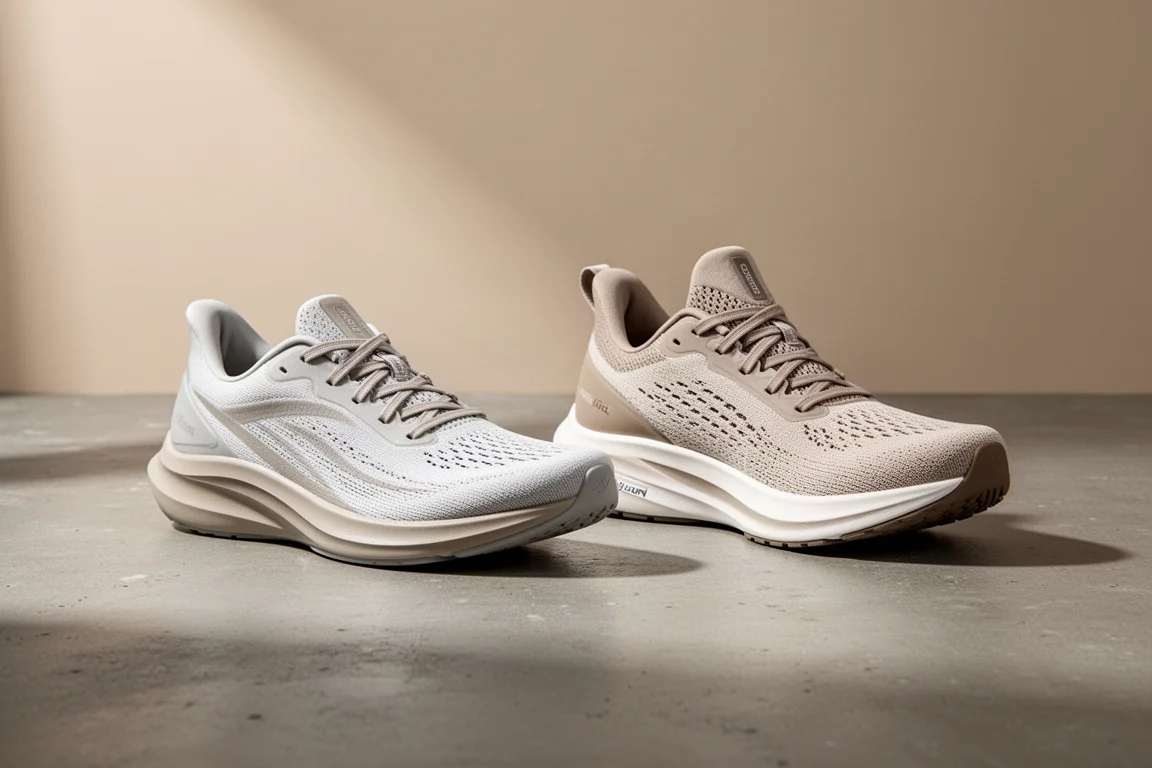
The New Balance Rebel series has always gone its own way. While most trainers have grown taller, heavier, and stiffer, the Rebel has stayed relatively low-stack, flexible, and light. That has made it a favorite for runners who simply do not want a lot of shoe underfoot.
The v4 was a significant redesign, adding a wider midfoot that improved stability while keeping the shoe light and giving it a slightly softer feel. The v5 moves a bit more traditional: a touch more stack, noticeably more cushioning, and a bouncier ride. They are similar shoes, but they are different in ways that matter, and the practical question for most buyers is simple: grab the v4 on sale, or pay full price for the v5?
Specs at a Glance
Measured in a men’s size 10, the Rebel v4 comes in at 7.9 oz (about 222 g), while the v5 is heavier at 8.3 oz (about 234 g). Stack height is also different: the v4 sits at 34 mm in the heel and 28 mm in the forefoot, while the v5 is 35 mm in the heel and 29 mm in the forefoot. Both keep a 6 mm drop.
On paper those differences look tiny. On the run, they do not. The ride is where these two shoes genuinely part ways.
Ride and Underfoot Feel
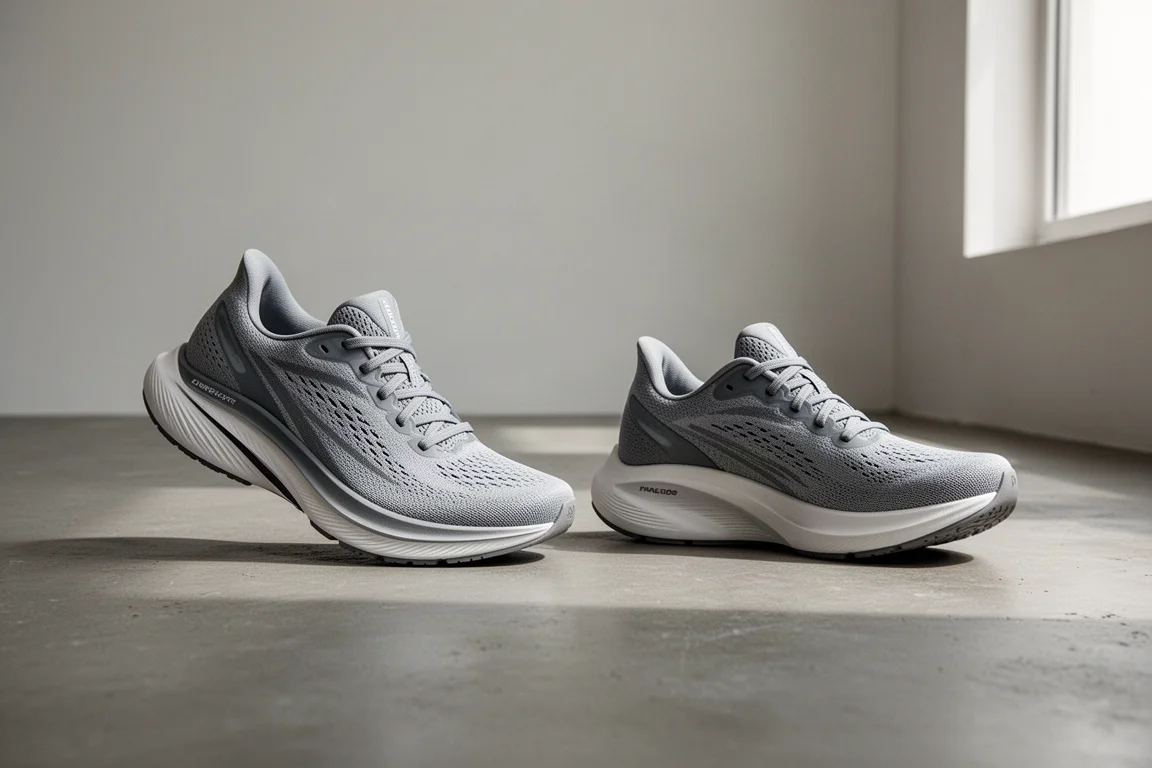
The v4 is the lower, faster-feeling shoe of the two. Its FuelCell midsole is slightly softer than earlier Rebels, but it still feels close to the ground, compresses nicely, and delivers a really good proprioceptive feel underfoot. It just feels light and quick.
The v5 feels like there is far more foam underfoot. It is softer, bouncier, and cushioned in a way that is apparent the second you put it on, even with only one extra millimeter of stack. The v4 stays snappier and lower riding; the v5 trades a bit of that ground feel for a plusher, more energetic ride.
Both still feel light and turn over well while working as everyday trainers. If you want that close-to-the-ground, simple feel, the v4 is the pick. If you want a lightweight trainer that is actually a bit more flexible than its predecessor but softer and bouncier, the v5 makes more sense.

Stability and Midfoot
The heel transition is buttery smooth on both, and the v5 keeps the nicely angled posterior lateral heel bevel that transitions super smoothly despite the extra heel stack.
The midfoot stays wide in both versions. The v4 actually felt quite stable thanks to that wider midfoot, a slightly higher arch, and mild sidewalls. The v5 has more sidewall action and a lower arch, which is welcome if a high arch tends to irritate your foot, but the softer sole makes it just a touch more neutral than the v4.
The forefoot differs too. The v4 is flexible but slightly stiff; the v5 is actually more flexible underfoot because the softer sole compresses more. Want a hint of stiffness while staying non-plated and flexible? Go v4. Want more flex? Go v5.
Upper and Fit
The uppers are more similar than the midsoles, but the differences are still real. The v4 fits fairly wide, especially in the forefoot where you can really spread your toes, and the midfoot is wide enough that lacing down was needed at first. The heel is secure without being snug.
The v5 goes the other direction: not narrow, just not nearly as wide. It offers much better security through the length of the upper, with a more normal-width forefoot that still leaves plenty of toe room. The tongue is a little thicker, which adds midfoot security and means no lace locking, just slip it on and go, though it can push in a bit on the medial side compared to the very light v4 tongue. There is also more padding around the heel, improving overall security.
Durability and Outsole
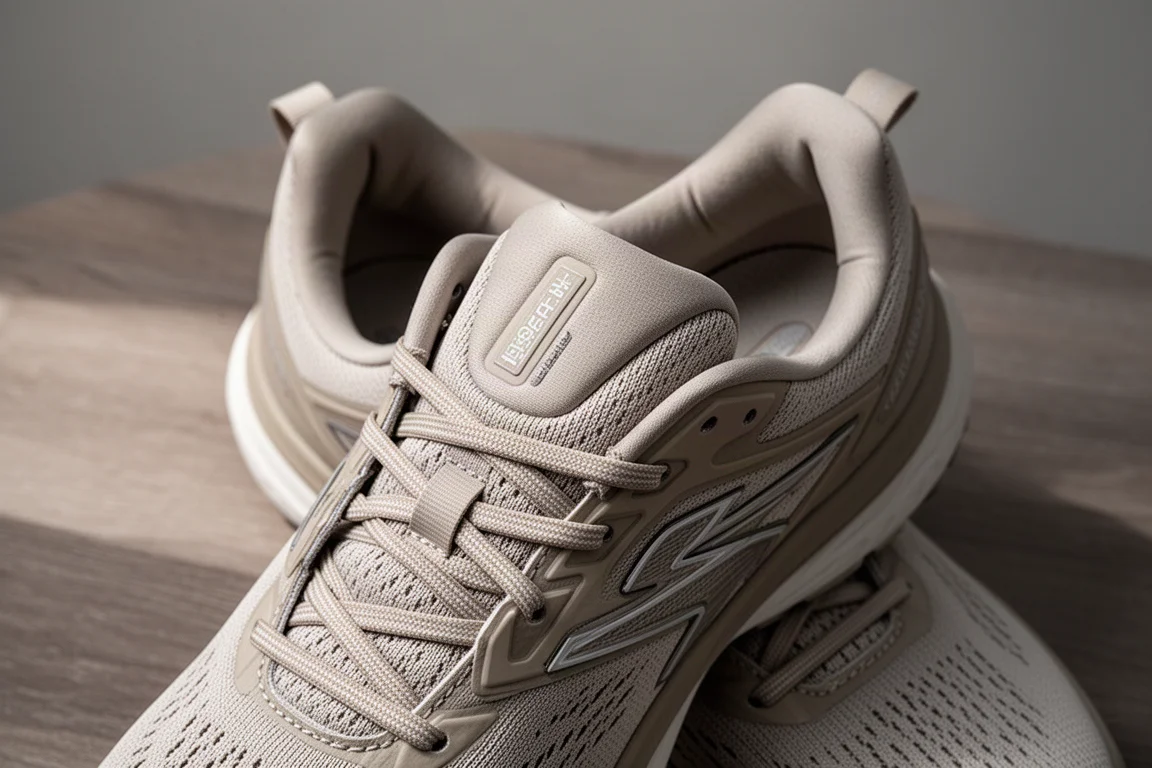
The outsole is the last major difference, and it favors the v5. The v4 has more exposed midsole and a reputation for wearing quickly; after about 30 miles, the outsole on the v4 already shows significant shredding. The v5 has a lot more rubber coverage, and after 20 miles it is holding up noticeably better.
That said, the v5 still leaves a lot of midsole exposed, so expectations for top-tier durability should stay realistic. It simply looks like it will do a bit better than the v4.

Buying Advice
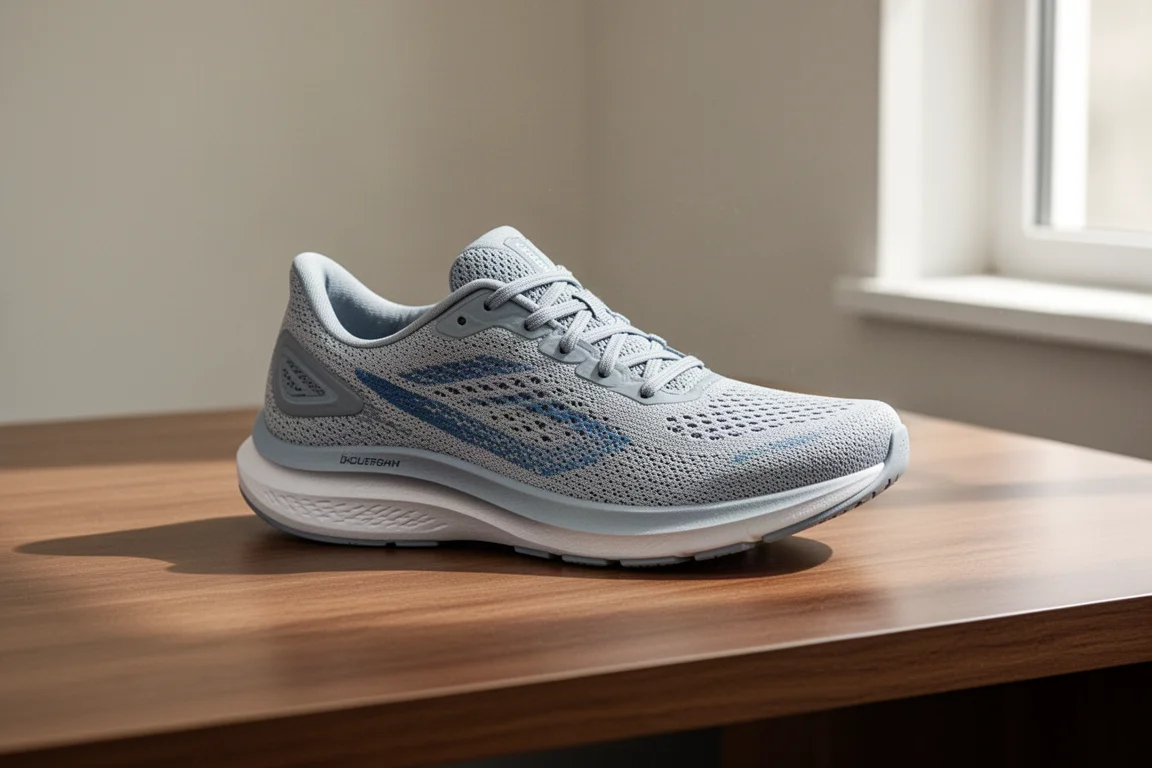
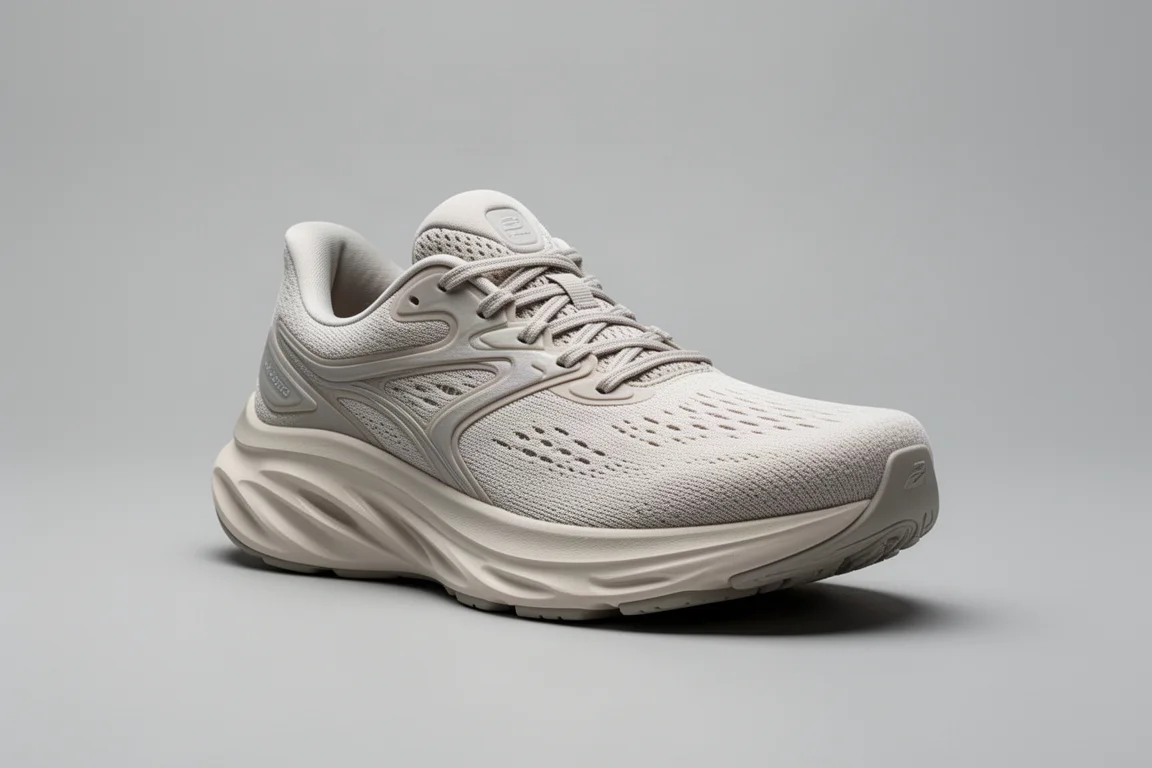
The Rebel v5 is a softer, bouncier, slightly taller evolution of the shoe, with a more secure fit and a better-wearing outsole. The v4 remains lighter, snappier, lower to the ground, and roomier in the upper. This update will likely polarize long-time Rebel fans: some will welcome the extra cushioning, others will miss the simple low-riding feel.
If you loved what the v4 was and just want more of it, buying the v4 on sale is a completely reasonable move. If you wanted more softness and more guidance than the v4 offered, the v5 at full price is the one worth considering.
Conclusion
Both are genuinely good lightweight trainers, and neither is a bad choice. The v4 rewards runners who want ground feel, light weight, and room to spare. The v5 rewards those who want a plusher, bouncier ride with a more secure fit and better outsole coverage. Match the shoe to what you actually want underfoot, and either one will serve you well on the run.
Further reading
Related Reviews

Running Shoes
Best Road-to-Trail Running Shoes: Three Versatile Options for Mixed Terrain
A practical guide to three road-to-trail running shoes that handle both pavement and mild trails, with clear strengths and trade-offs for different runner types.

Running Shoes
Best Running Shoes for Achilles Tendonitis: Three Options Explained
Three running shoes with different heel drops and support features designed to help reduce Achilles tendon pain during walking and running.

Running Shoes
Best Running Shoes for Women: Five Top Choices Ranked
A ranked guide to five women's running shoes, from versatile daily trainers to high-performance racing options, with real strengths and trade-offs for each.