Running Shoes
New Balance Rebel V4 vs Saucony Endorphin Speed 4 and Speed 2: Which Speed Trainer Fits Your Running?
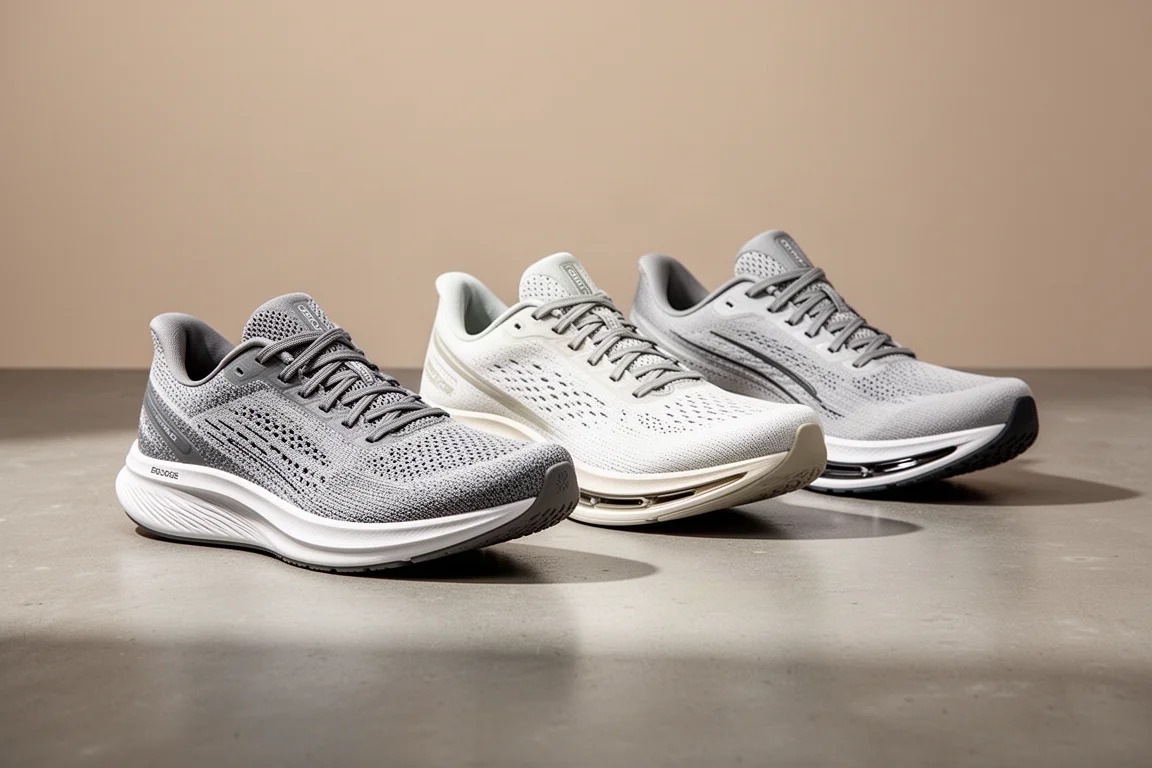
A back-to-back fartlek test of three popular speed trainers: the lightweight New Balance Rebel V4, the plated Saucony Endorphin Speed 4, and the fan-favorite Endorphin Speed 2.
Introduction
The speed trainer category has split into two camps: tall, plated, protective trainers that do some of the work for you, and low, lightweight shoes that reward strong feet. This test puts a representative of each side head to head, plus one legendary wildcard, in a real fartlek workout built around marathon-effort reps.
The contenders are the New Balance Rebel V4, a minimal low-stack trainer with a Pebax-blended FuelCell midsole, the Saucony Endorphin Speed 4, a high-stack nylon-plated trainer built on full PEBA foam, and the Saucony Endorphin Speed 2, a slightly older shoe that many runners still consider one of the best speed trainers of the 2020s. Here is how they stacked up against each other.
How the Test Was Run
The session was a fartlek, which is Swedish for speed play, built around roughly eight reps of marathon-effort running: 800-meter bouts at about marathon pace with two to three minutes of easy jogging between. The format was simple: a warmup and first set in the Rebel V4, then a set in the Endorphin Speed 4, then a final set in the Endorphin Speed 2, with the Rebel returning for the cooldown. The goal was not a pain-cave session but a turnover workout to feel out race pace and compare how each shoe handles faster work.
That structure matters because it allowed true back-to-back transitions between shoes, which is where the differences in weight, stack height, and platform width become obvious.

New Balance Rebel V4: The Minimal Speed Shoe That Grows on You
The Rebel V4 is lightweight, low to the ground, and built on a FuelCell midsole that blends Pebax into EVA. Out of the box it can feel like a fairly traditional, slightly soft EVA shoe, but the break-in story is the key detail here. Around the 30-mile mark, the foam softened, became more flexible, and the Pebax content started to shine through. Traditional EVA shoes typically break in anywhere from 30 to 70 miles, and this one hit the early end of that range.
Once broken in, the shoe came alive at steady sub-7-minute paces. It feels like an extension of the foot, with a wide, forgiving upper that lets the foot sit down inside the shoe. The platform is noticeably wider than the Endorphin Speed 4, which combined with the lower stack creates a rare sensation: lots of stability, but still fast. It also gained a bit of rocker geometry compared to the V3, and heel stack grew from 27.5mm to 30mm.
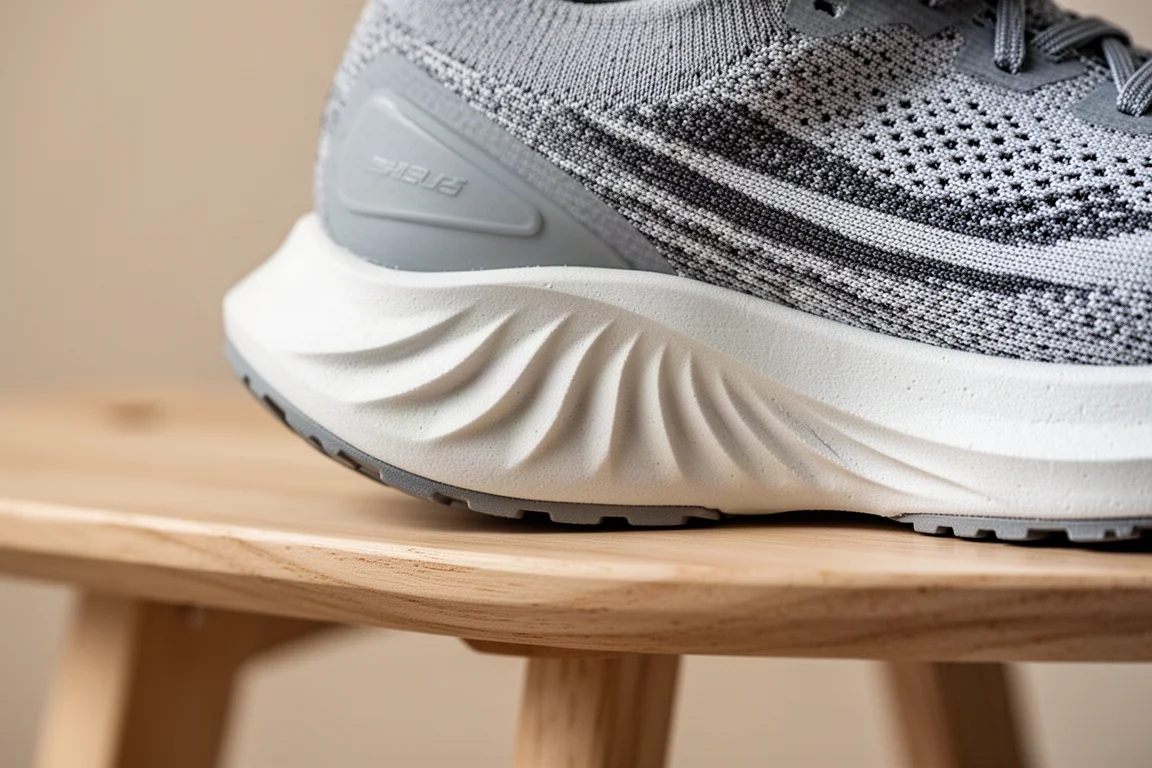
The trade-offs are real. The Rebel does not provide much speed assistance; you have to put work in to get speed back. It offers limited impact absorption, so marathon training on high mileage may leave you wanting more protection. Durability is also a question mark, with visible foam wear after 30 to 40 miles, though the EVA-based compound suggests it should comfortably reach 200 to 250 miles. It is not the best speed trainer for everyone, but as a natural-feeling, no-frills lightweight option for shorter and faster work, it is one of the best on the market.
Saucony Endorphin Speed 4: Protection Over Pure Speed
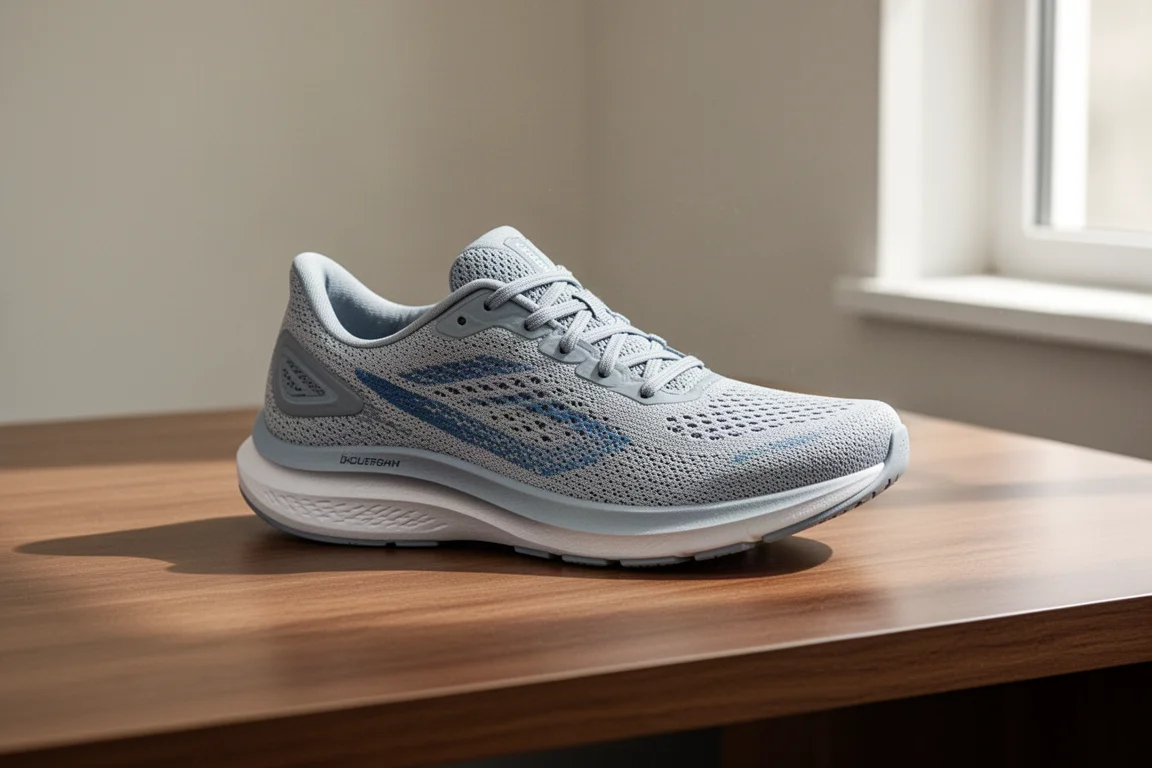
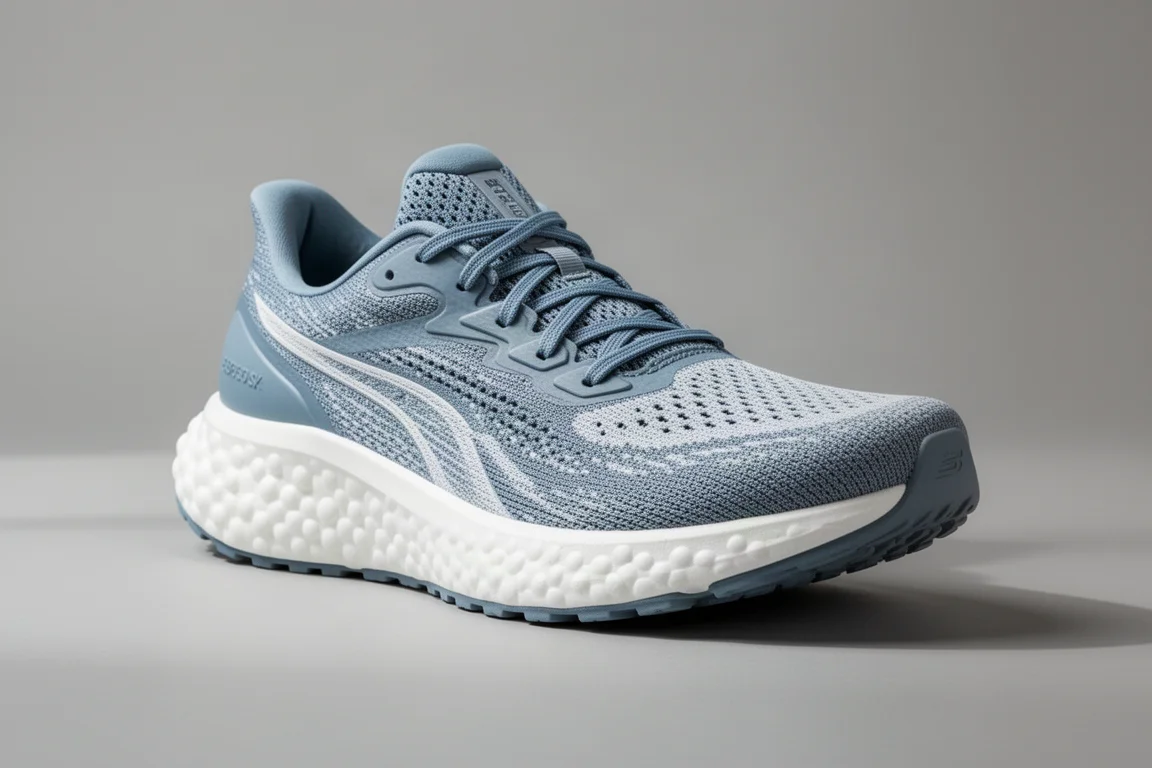
The Endorphin Speed 4 is the opposite approach: around 9 ounces against the Rebel’s roughly 7, with a taller stack, full PEBA PWRRUN PB midsole, and a flexible nylon plate. That built-up design makes it feel bottom-heavy and, at first, awkward and clunky compared to the Rebel. The fit is narrow, and it does not feel like one cohesive shoe in the hand.
But once warmed up into the reps, it started to shine. The thick stack of PEBA foam delivers genuine energy return, and the plastic plate provides noticeable assistance at faster paces, reducing the effort needed to hold around 6:10 pace. It is the most protective of the three shoes, which showed over longer efforts: it handled up to 22 miles and takes the burden off your legs far better than the Rebel. The trade-off is that the PEBA can feel squishy and mushy over long distances, and the chunky heel can act like a braking force rather than rolling you through the platform.
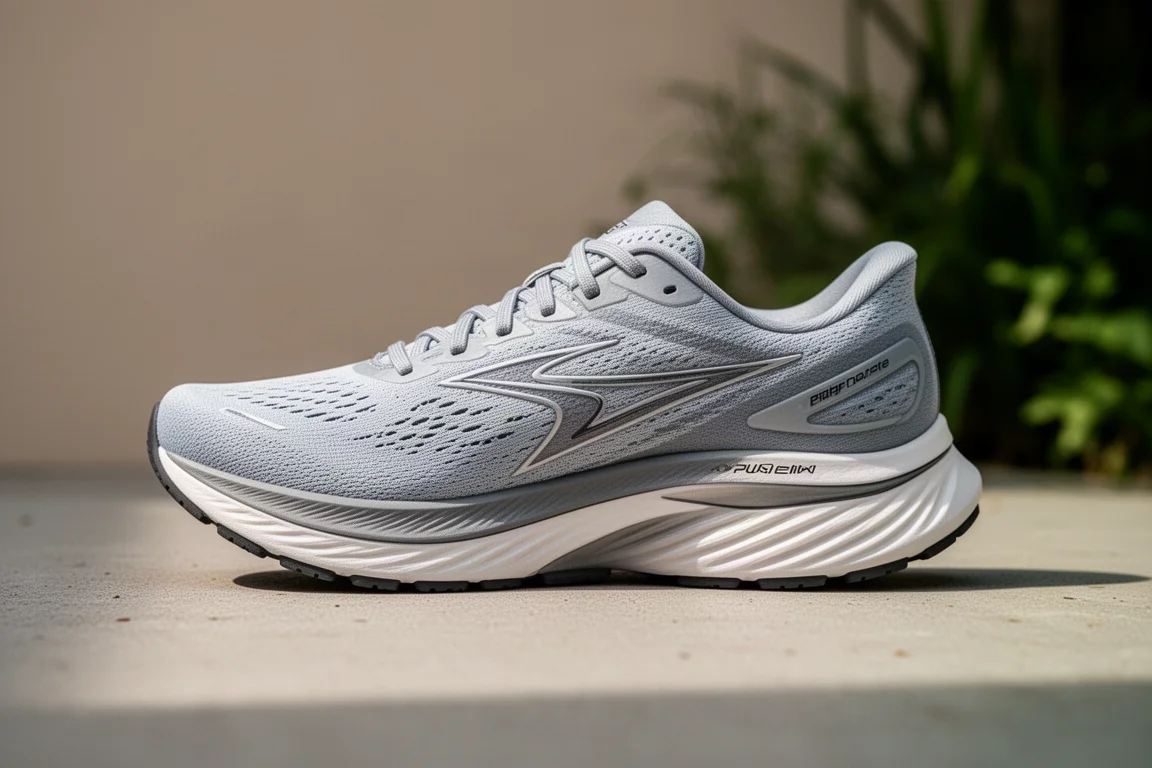
This is a do-it-all shoe that is good at many things without being exceptional at any single one. If your priority is leg protection on long runs and you want a plated trainer that assists your pace, it is a solid option. If you want a shoe that excels at one specific job, it is harder to love.
Saucony Endorphin Speed 2: The Fan Favorite Still Delivers
The Endorphin Speed 2 keeps coming up as an all-time favorite, so it earned a bonus set in this test. Straight out of the box it felt more natural than the Speed 4, more like a normal shoe, and it was the first true workout in this pair.
In the reps, it was lighter on foot than the Speed 4 and felt faster and more directed: landings went straight through the platform with a clear pop from the plate through the top of the midsole. The narrower heel and less-built-up rearfoot help the shoe roll you forward instead of absorbing energy. It is more fun than the Speed 4, though also a bit harsher, since the Speed 4’s extra stack is what gives it the protection edge.
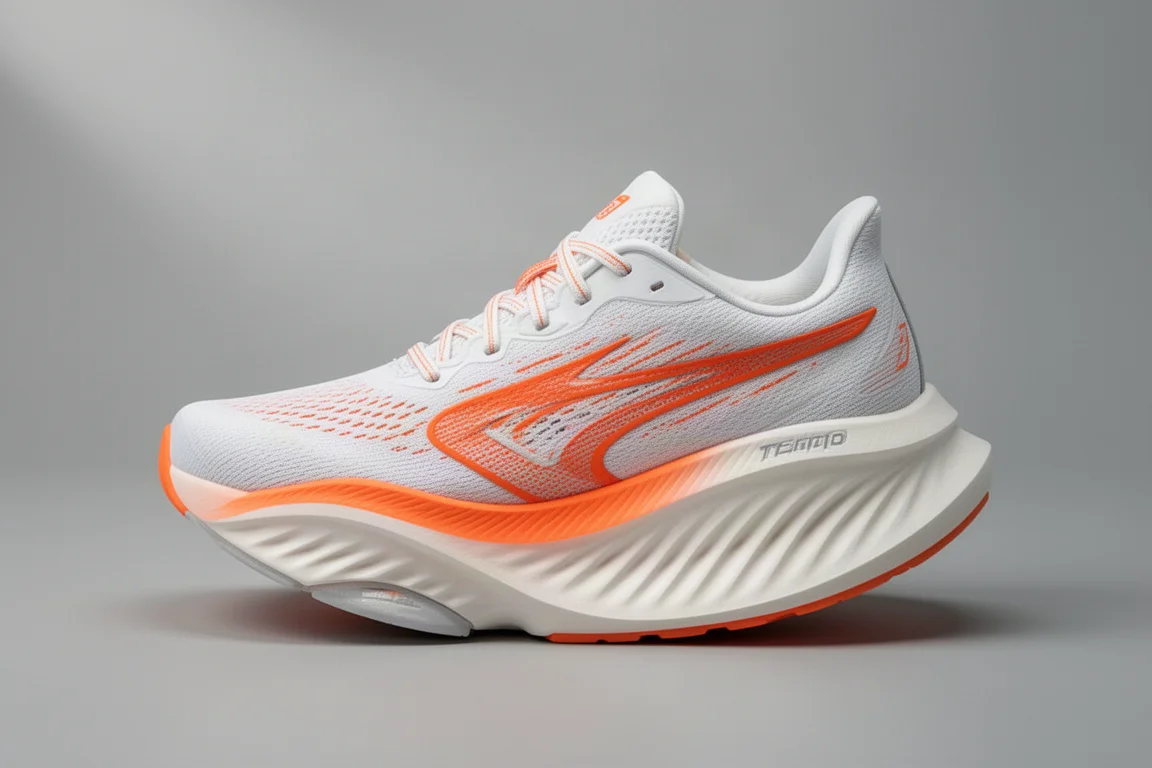
Whether it remains the best speed trainer of its era against newer options like the Rebel V4 is debatable, but as a lighter, more directed plated trainer than the Speed 4, it still holds up remarkably well.
How They Compare Side by Side
The clearest contrast is between the Rebel V4 and the Endorphin Speed 4. The Rebel is roughly two ounces lighter, sits much lower to the ground, and has a much wider heel and forefoot platform, making it a strong pick for wide-footed runners who want a lower-stack speed option. The Speed 4 counters with far more protection, a plate that assists pace holding, and better endurance over long miles.
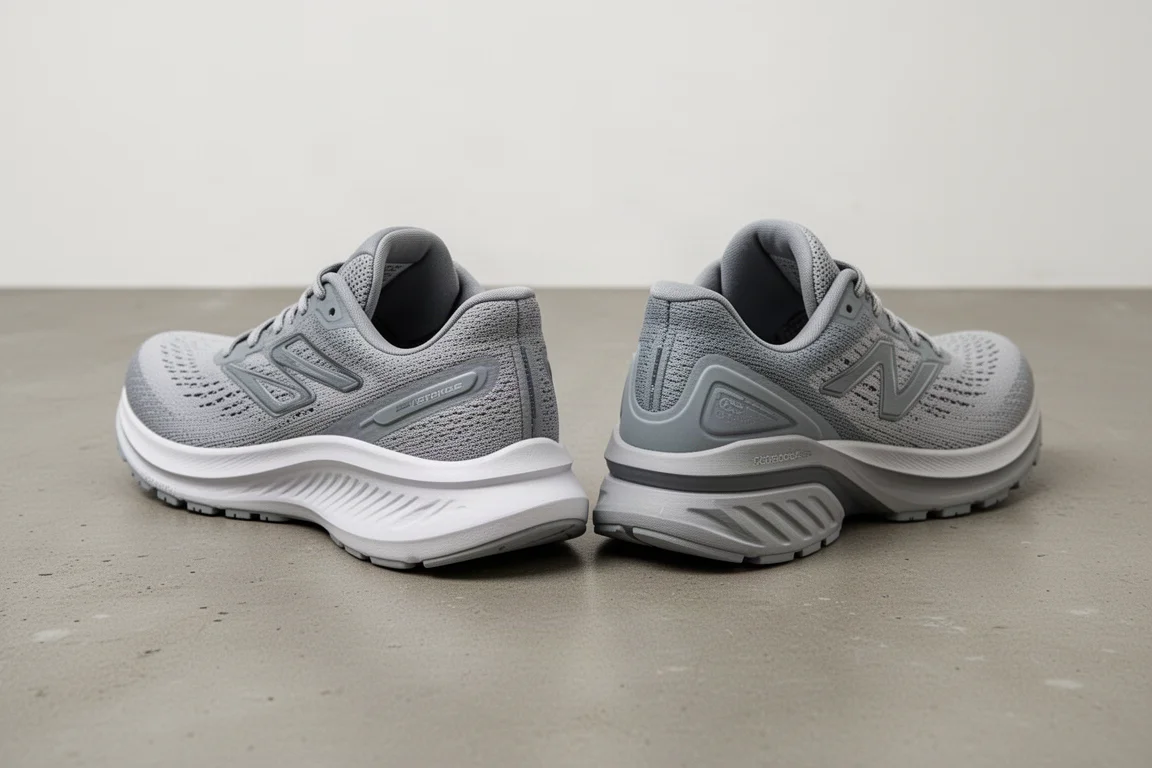
Against the Speed 2, the Rebel is still the more minimal shoe, but the Speed 2 sits closer to the Rebel’s philosophy: low, light, and directed, just with a plate for extra pop. If you value connection to the ground and building foot strength, the Rebel is the pick. If you want the shoe to absorb the work, choose the Speed 4. If you want the lightest, most directed plated feel of the three, the Speed 2 remains a great buy.
Buying Advice
Choose the New Balance Rebel V4 if you want a simple, no-frills, lightweight daily trainer that rewards strong feet and shines at shorter, faster paces, and if you do not need maximum protection or run especially high mileage. Choose the Saucony Endorphin Speed 4 if your priority is a protective plated trainer for long runs and marathon build-ups, and you are happy to trade some agility for cushioning. The Saucony Endorphin Speed 2 makes sense if you want the lightest, fastest-feeling plated trainer of the three and do not mind a slightly harsher ride.
Conclusion
The Rebel V4 was the clear winner of this particular workout, thanks to its wide, stable platform, low-to-the-ground feel, and the way its FuelCell foam came alive after break-in. But the best choice depends on your needs: the Speed 4 remains the protective plated option for big miles, and the Speed 2 proves that a well-designed trainer can age gracefully. Matching the shoe to the job matters more than picking a single winner.
Further reading
Related Reviews

Running Shoes
Best Road-to-Trail Running Shoes: Three Versatile Options for Mixed Terrain
A practical guide to three road-to-trail running shoes that handle both pavement and mild trails, with clear strengths and trade-offs for different runner types.

Running Shoes
Best Running Shoes for Achilles Tendonitis: Three Options Explained
Three running shoes with different heel drops and support features designed to help reduce Achilles tendon pain during walking and running.

Running Shoes
Best Running Shoes for Women: Five Top Choices Ranked
A ranked guide to five women's running shoes, from versatile daily trainers to high-performance racing options, with real strengths and trade-offs for each.