Running Shoes
New Balance Rebel V4 vs Hoka Mach 6: Two Lightweight Daily Trainers, Two Very Different Rides
Both priced at $140, these lightweight everyday trainers take opposite approaches. Here is how they compare on foam, stack, fit, stability, and speed.
Introduction
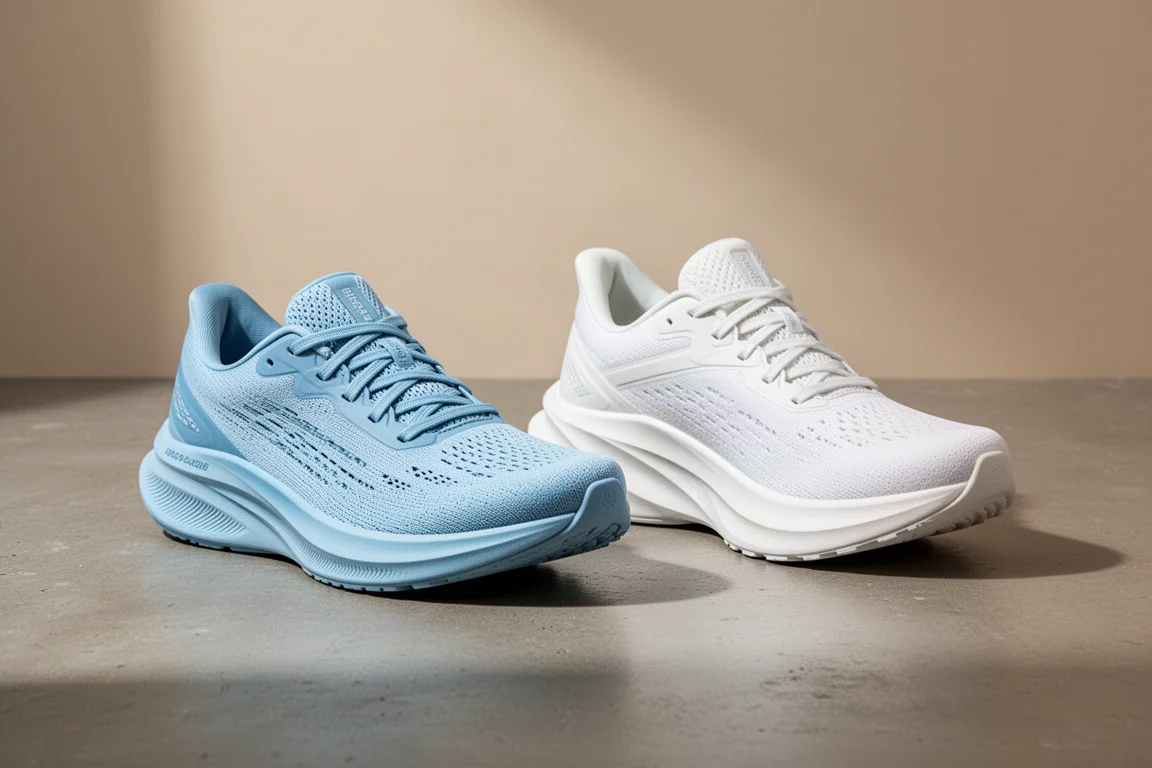
The New Balance Rebel V4 and Hoka Mach 6 occupy the same slot in the market: lightweight, fun, soft-and-bouncy everyday trainers that also carry a little speed. Both launch at $140, and both come with a slight roll through the midfoot, a rocker shape, and foams designed to make daily miles feel lighter. In a market where many trainers are adding stack height, cushion, and wider bases for protection, these two double down on speed and versatility instead. After putting serious mileage into both, the picture that emerges is of two shoes with genuinely different characters.
Two Lightweight Trainers, Two Different Philosophies
Compared with their previous generations, both shoes grew a bit taller and more comfort-oriented, and both added durability. The Rebel V3 was a fan favorite for its soft, bouncy supercritical foam blend and remarkably flexible platform. The Mach 5 used a dual-foam setup: a soft, bouncy supercritical EVA layer on top and a firmer standard EVA below for structure and durability. In the current generation, those two qualities split apart. The Rebel V4 keeps the flexibility and ground feel, while the Mach 6 goes all-in on the soft bouncy foam and raises the stack.
Stack, Drop, and Foam
The Rebel V4 sits at 30 mm in the heel and 24 mm in the forefoot for a 6 mm drop. Its FuelCell midsole is now a PEBA and EVA blend, roughly 80% EVA and 20% PEBA. Out of the box it feels firmer than expected, but it breaks in beautifully and molds to the foot.
The Mach 6 jumps dramatically to a 37 mm heel and 32 mm forefoot for a 5 mm drop, a heel height comparable to some max-cushion shoes. Hoka moved to a full dose of the soft supercritical EVA that previously formed only the top layer in the Mach 5. The trade-off: you lose a little of the rigidity, pop, and structure the firmer bottom layer provided in the older shoe.
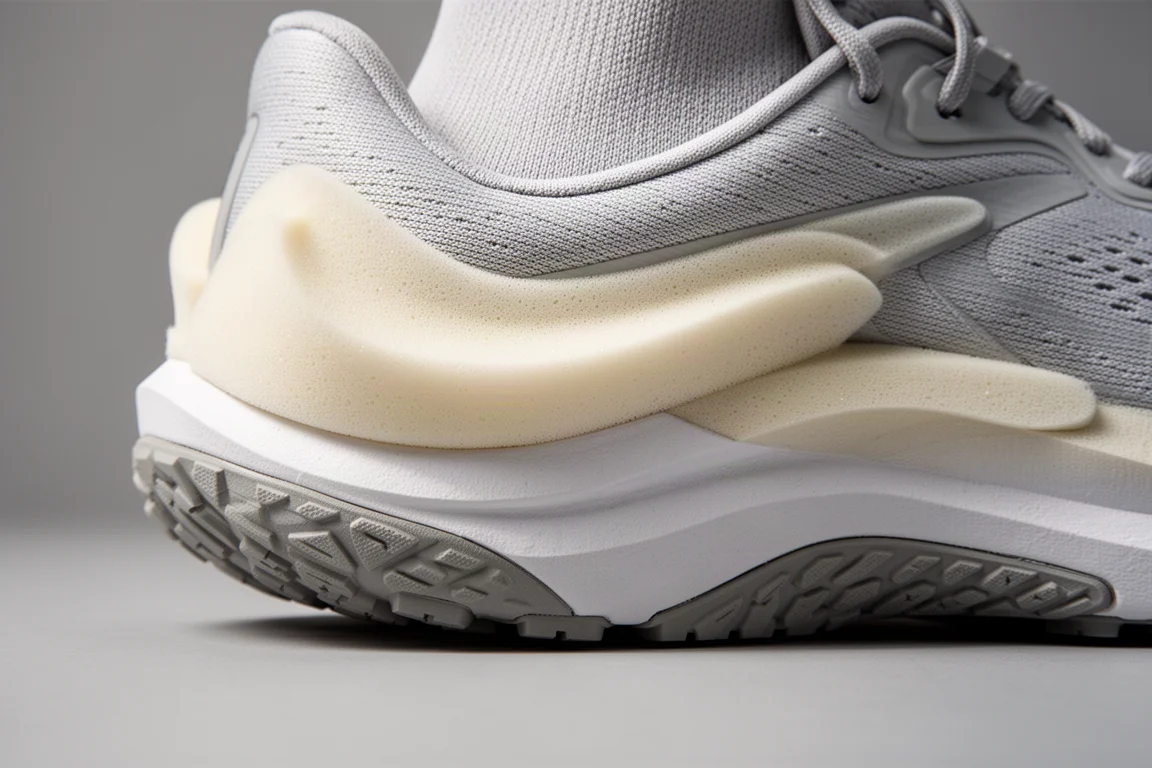
Both shoes share moderate drops that make them friendly for heel strikers and forefoot strikers alike. And both widened their platforms this generation, with foam pushed up to cradle the foot inside the shoe, adding side-to-side support.
Fit, Feel, and the Scale
Sizing is a real difference. The Rebel V4 fits true to size with a roomier toe box and more length. The Mach 6 runs tight, and going up half a size is worth considering. Quality control also raises questions: two Mach 6 left shoes in the same size weighed 15 g apart and measured a centimeter different in length, so trying them on in store is a smart move.
On the scale, in US men’s 10.5, the Mach 6 left shoe came in at 235 g and the Rebel V4 at 223 g. The Rebel feels lighter on foot too, helped by its lower stack. The Rebel’s upper is more accommodating across the whole platform, while the Mach 6 has a very structured, stiff heel counter and a flared heel.
How They Feel on the Run
Back-to-back treadmill runs made the differences obvious. The Rebel feels lower, more natural, and far more flexible, with genuine ground feel and toe control. It bends with the foot in a way the taller Mach 6 simply cannot. The Mach 6 feels taller, more protective, and more structured, almost like a max-cushion shoe when paired directly against the Rebel.
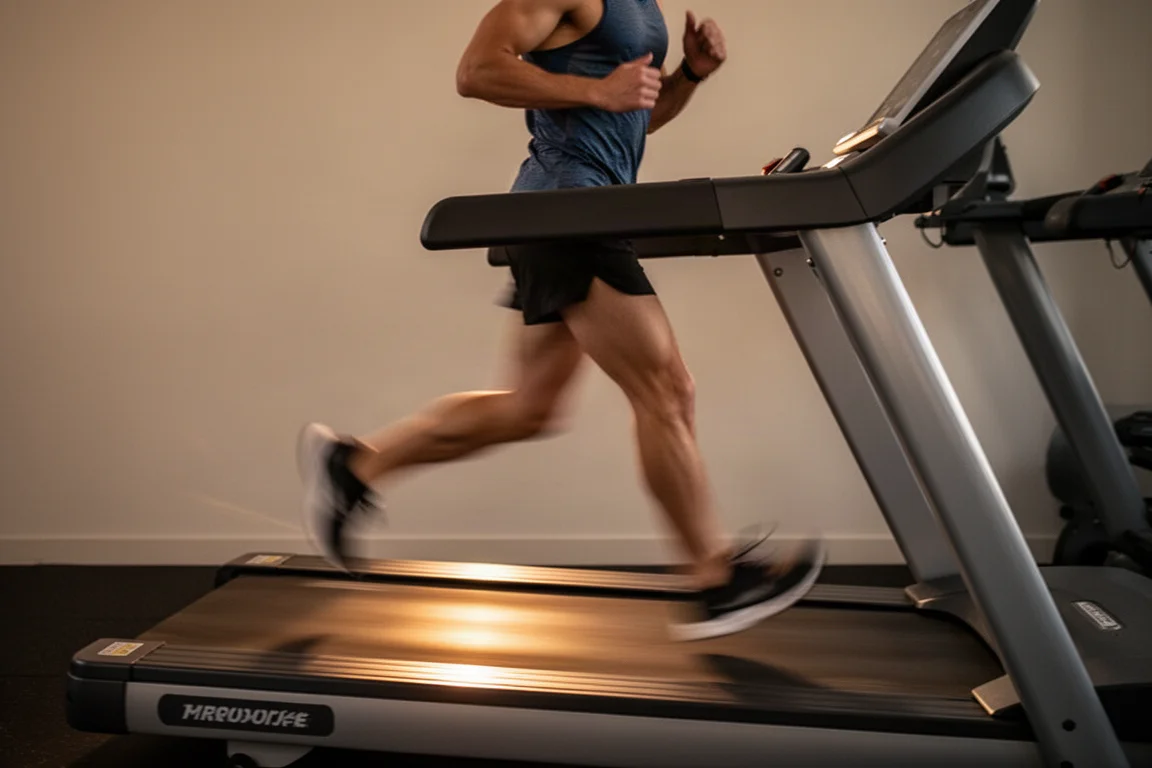
The Mach 6’s foam is noticeably more energetic and bouncy, and it feels like the shoe is doing some of the running for you. In one controlled treadmill comparison, the Mach 6 held a roughly 7:30 pace at a similar heart rate to the Rebel’s 8:13, suggesting a bit more speed assistance from the taller, bouncier platform.
Stability is where they diverge sharply. The Rebel’s wide, low platform makes it the clearly more stable choice. The Mach 6, despite its girth, feels squishy and squirrely at faster paces, and noticeably less stable than the Mach 5, whose firmer dual-foam base made a much more planted ride. Neither shoe has an aggressive rocker or a disconnected two-piece foam feel, which is good news for walking and daily wear.
Which One Should You Buy
If you want lower to the ground, more stability, more control, and a roomier fit, the Rebel V4 is the pick. It shines for shorter, faster efforts, treadmill running, the gym, and everyday errands, and it feels comfortable as an extension of your foot after a break-in period. It is not the right shoe for very long runs of two and a half hours; reach for something with more cushion or a plate for that.
If you want more protection, more bounce, and a shoe that takes some of the burden off your legs, the Mach 6 is the better daily trainer. With 37 mm of heel stack it is a strong option for high-mileage marathon training blocks and everyday ten-mile runs, and it still handles strides and faster efforts well. Just be aware of the tighter fit and the less stable, squirrely ride at speed.
At $140, the Mach 6 is arguably the better buy for pure everyday mileage, while the Rebel V4 is the better buy for versatility, walking, and faster shorter runs. Many runners could happily keep both: the Rebel for short, quick sessions, the Mach 6 for daily volume, and a plated or higher-stack shoe for long runs.
Conclusion
The Rebel V4 and Mach 6 prove that lightweight daily trainers do not have to be one-dimensional. One gives you a nimble, stable, flexible platform that disappears on your foot; the other gives you a tall, bouncy, protective ride that makes easy miles feel effortless. Matching the shoe to the run you do most is the key to picking the right one.
Product link
View more details for New Balance Rebel v4
This product is mentioned in the review. Check the specifications, options, and compatibility before buying.
View more details for New Balance Rebel v4Further reading
Related Reviews

Running Shoes
Best Road-to-Trail Running Shoes: Three Versatile Options for Mixed Terrain
A practical guide to three road-to-trail running shoes that handle both pavement and mild trails, with clear strengths and trade-offs for different runner types.

Running Shoes
Best Running Shoes for Achilles Tendonitis: Three Options Explained
Three running shoes with different heel drops and support features designed to help reduce Achilles tendon pain during walking and running.

Running Shoes
Best Running Shoes for Women: Five Top Choices Ranked
A ranked guide to five women's running shoes, from versatile daily trainers to high-performance racing options, with real strengths and trade-offs for each.