Running Shoes
New Balance Rebel V4 vs Asics Novablast 5: Which Daily Trainer Should You Buy?
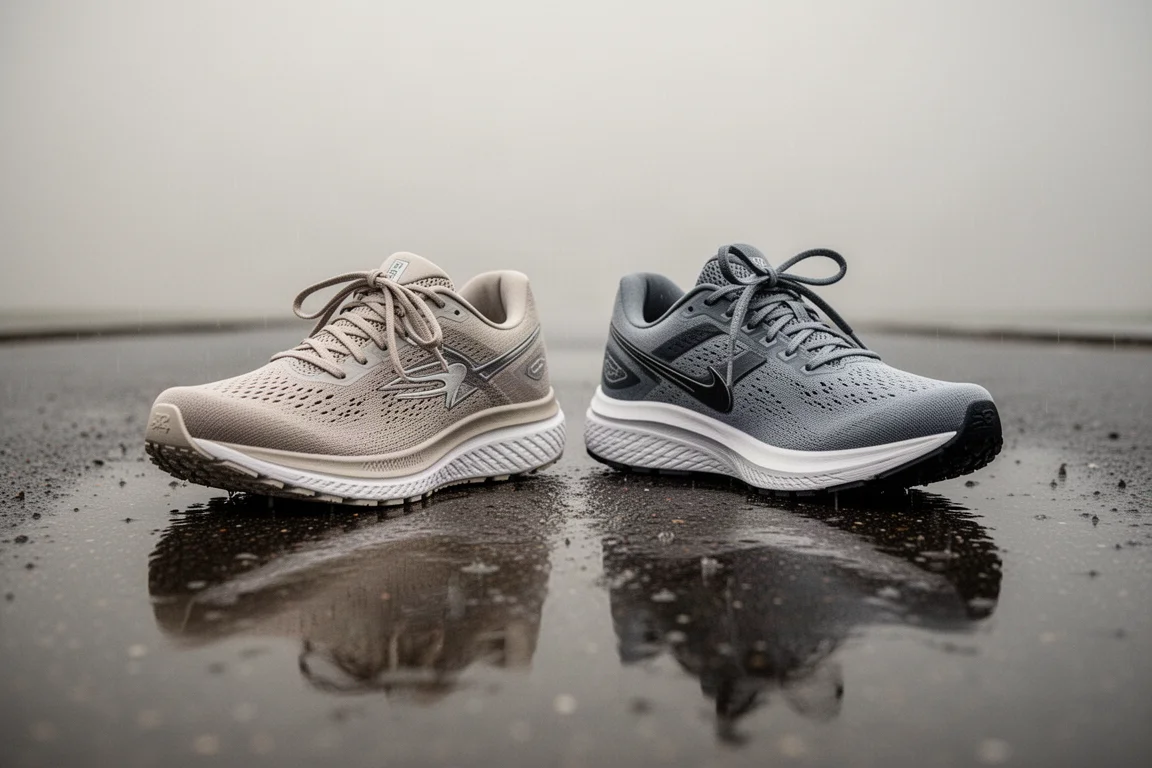
Two popular daily trainers with very different personalities: the lightweight, snappy Rebel V4 and the softer, more protective Novablast 5.
Introduction
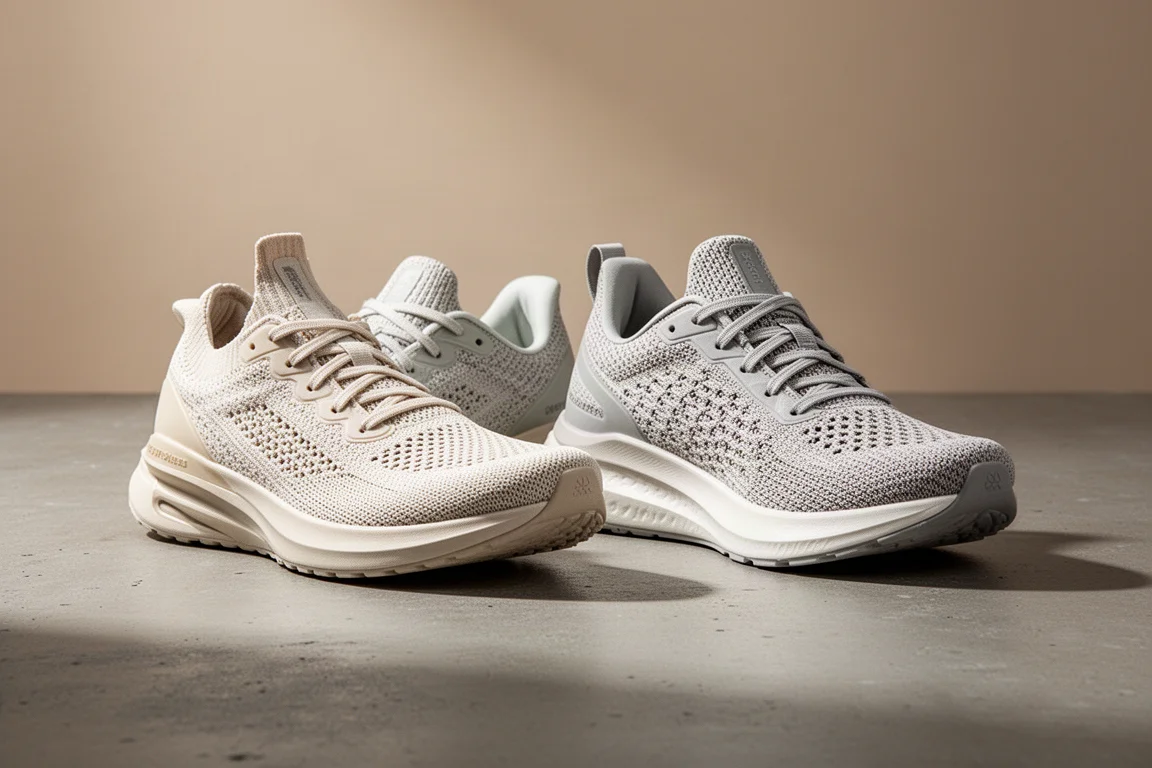
The New Balance Rebel V4 and the Asics Novablast 5 are two of the most popular daily trainers around, and both are competitively priced at around $140. But they are not trying to do the same job. The Rebel V4 is a lightweight, speed-leaning trainer, while the Novablast 5 leans toward cushioning and comfort. Here is how they compare across weight, fit, ride, and outsole durability, so you can work out which one belongs in your rotation.
Weight, Drop, and Stack
The numbers set the tone early. The Rebel V4 weighs 219g (7.7oz) in a UK 9.5, while the Novablast 5 comes in at 274g (9.7oz) in a UK 9. The Novablast 5 has an 8mm drop and the highest stack of the two, which probably accounts for some of the extra weight. The Rebel V4 runs a 6mm drop with a leaner midsole. Neither shoe is heavy, but the Rebel is clearly the lighter, more compact option of the pair.
Asics Novablast 5: Comfort and Cushioning First
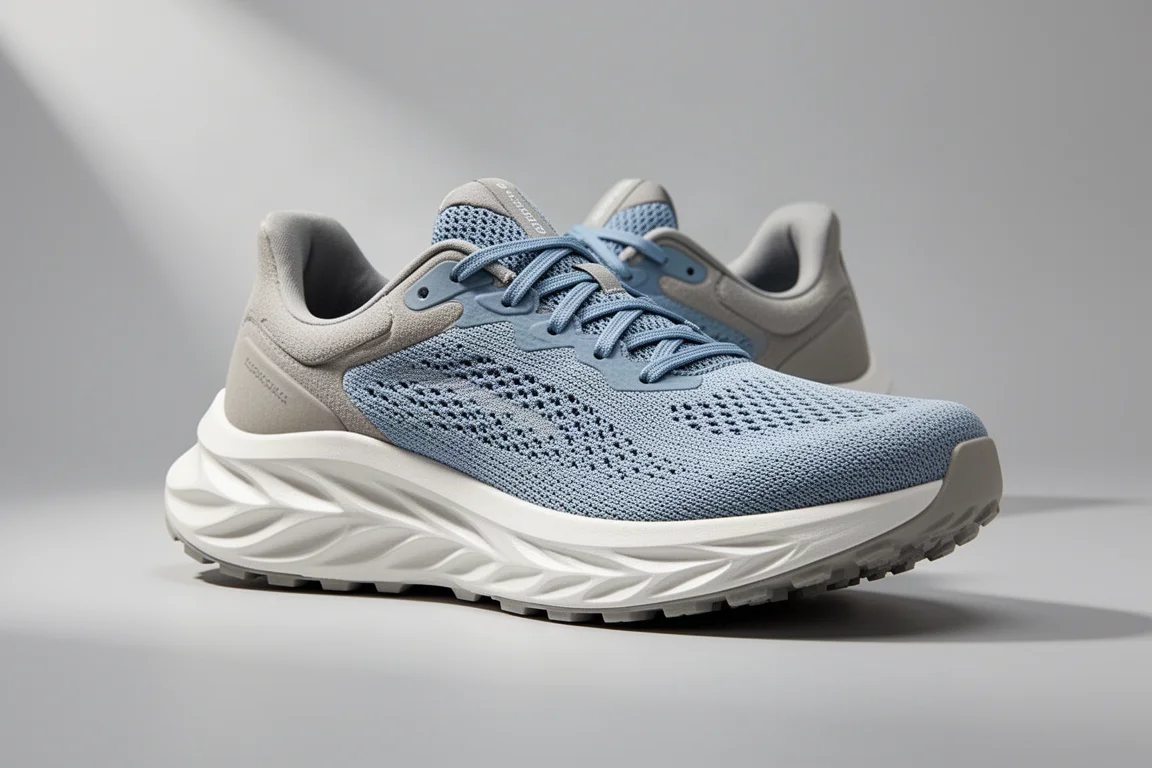
The Novablast 5 uses a jacquard mesh upper with a good amount of padding around the heel, plus a fairly stiff internal heel counter for support. The FF Blast Max midsole is new to this version, a touch softer than other Asics foams, and delivers a balanced, stable, reasonably responsive ride. A wide base adds stability, and the AHAR low rubber outsole offers solid coverage.

In testing, the Novablast 5 came across as a very comfortable all-rounder: easy runs, recovery runs, and longer cruising miles are where it shines. The ride is softer and, for some testers, slightly less lively than the Novablast 4, which had a bit more versatility for faster miles. Still, it ticks a lot of boxes and will suit a wide range of runners, including beginners and heavier runners looking for protection.
New Balance Rebel V4: Lightweight and Speed-Focused
The Rebel V4 pairs a very lightweight mesh upper with a blended FuelCell midsole, roughly 20% PEBA and 80% EVA, so it is not the premium foam from New Balance’s racing shoes, but it is still light and responsive. The outsole has a thick rubber layer with some exposed foam, though key impact zones at the heel and forefoot are covered.
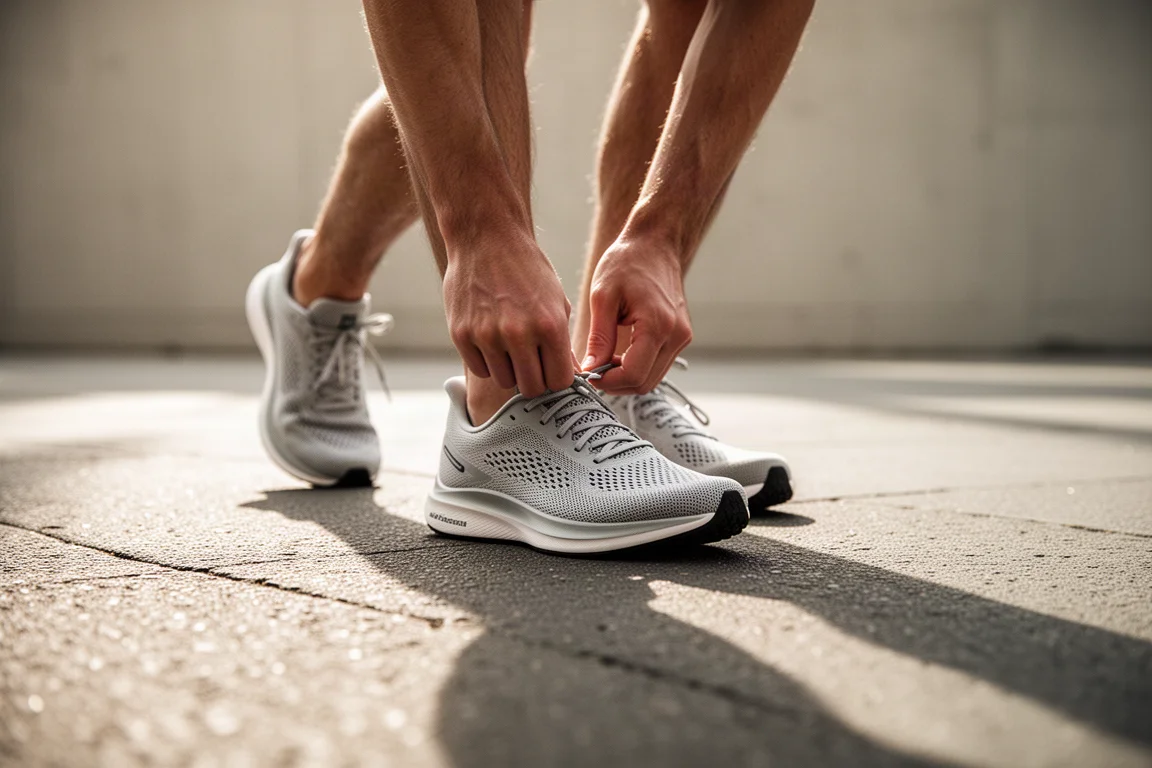
On the run, the Rebel V4 is nippy and feels like a traditional lightweight trainer: the foam compresses and gives back quickly, and the rocker pushes you from heel to toe. It is at its best on 5Ks, 10Ks, interval sessions, and tempo work. For easy or long runs it works too, thanks to a new wider base that adds stability compared with past Rebels, but most testers would not take it far beyond 15K, as the leaner midsole can feel like it gives back less on slow miles.
Fit and Sizing
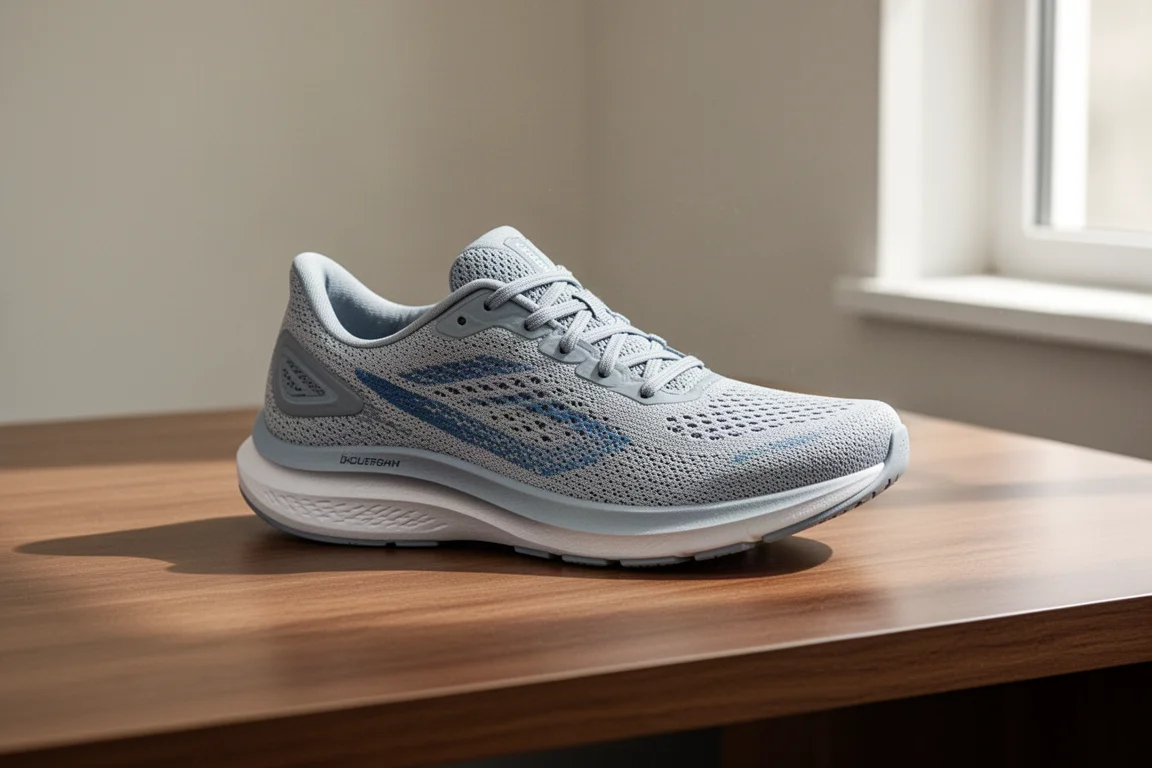
Fit opinions varied between testers, which is worth knowing before you buy. For the Novablast 5, most testers were comfortable in their normal running shoe size: it is a roomy, well-padded shoe with good toe-box space and secure midfoot lockdown, and it suits average-width feet well.

The Rebel V4 is trickier. Several testers found it runs lean around the forefoot with a fairly restricted upper, and suggested going up half a size or even a full size. One tester who went half a size up concluded the V4 is actually more accommodating than past Rebel models and that normal size would likely be fine, with the caveat that New Balance’s UK-to-US conversion runs about half a size smaller than Asics, so UK sizing can feel tighter. If possible, try both sizes.
Which Shoe for Which Runs?
The clearest way to split these two is by the kind of running you do. If your easy runs often carry a bit of tempo, or you do a lot of progression runs, intervals, and shorter fast sessions, the Rebel V4’s snappier, more agile ride is the better match. If most of your miles are flat-out easy, recovery, and long cruising runs where you just want comfort and support, the Novablast 5 does that better.
Heel strikers also get more protection in the Novablast 5 thanks to the softer heel. The Rebel V4 is less forgiving but rewards quick foot turnover and a more immediate feel for the ground. One practical option is to run both as a two-shoe rotation: Novablast 5 for easy and long miles, Rebel V4 for speed work.
Outsole Durability and Grip
Both outsoles performed well. The Rebel V4 has a thick rubber layer that is hard to wear down, with good grip even on wet surfaces. The Novablast 5 has even more rubber coverage and slightly better durability prospects, and testers found it the better suited of the two for light off-road trails as well as road and pavement.
Conclusion
Both of these are genuinely good daily trainers; they just sit at different ends of the easy-to-fast spectrum. Choose the Novablast 5 if you want maximum comfort, cushioning, and an easy-to-recommend all-rounder that fits true to size. Choose the Rebel V4 if you prefer a lighter, firmer, snappier ride and know you like lightweight speed-focused shoes. If you can only pick one and are unsure, the Novablast 5 is the safer bet for most runners; the Rebel V4 is the pick for those who know they want a lighter shoe with a bit of everything.
Further reading
Related Reviews

Running Shoes
Best Road-to-Trail Running Shoes: Three Versatile Options for Mixed Terrain
A practical guide to three road-to-trail running shoes that handle both pavement and mild trails, with clear strengths and trade-offs for different runner types.

Running Shoes
Best Running Shoes for Achilles Tendonitis: Three Options Explained
Three running shoes with different heel drops and support features designed to help reduce Achilles tendon pain during walking and running.

Running Shoes
Best Running Shoes for Women: Five Top Choices Ranked
A ranked guide to five women's running shoes, from versatile daily trainers to high-performance racing options, with real strengths and trade-offs for each.