Running Shoes
New Balance Rebel v4 vs ASICS Novablast 4: Two Very Different Takes on the Daily Trainer
A lightweight, connected daily trainer or a max-stack comfort cruiser? We compare the Rebel v4 and Novablast 4 across midsole, upper, ride, and durability.
Introduction
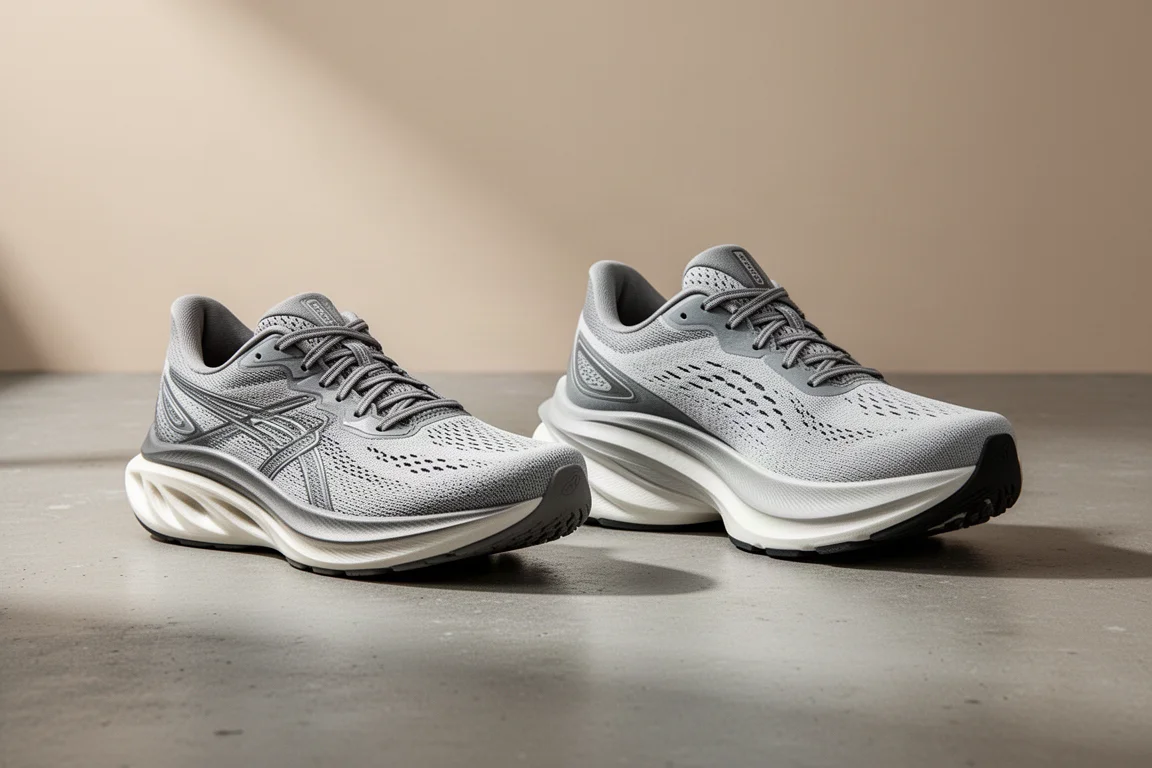
The New Balance Rebel v4 and the ASICS Novablast 4 are two of the most talked-about daily trainers of 2024, and they could not be more different in personality. One is a lightweight, streamlined shoe that keeps you close to the ground. The other is a max-stack comfort machine built to soak up mile after mile of impact.
If you are trying to decide between them, the good news is that the choice is unusually clear. These shoes serve opposite ends of the daily training spectrum, and both happen to be priced at $140, which makes them a genuinely interesting pair to consider, even as a two-shoe rotation.
Midsole and Stack: Less Foam vs Max Foam
The stack numbers tell only part of the story, but they are a good starting point. The Rebel v4 comes in at 30 mm in the heel and 24 mm in the forefoot with a 6 mm drop. The Novablast 4 sits at a towering 42 mm in the heel and 34 mm in the forefoot with an 8 mm drop. Both drops sit in a friendly 6 to 8 mm range that works for a variety of foot strikes.
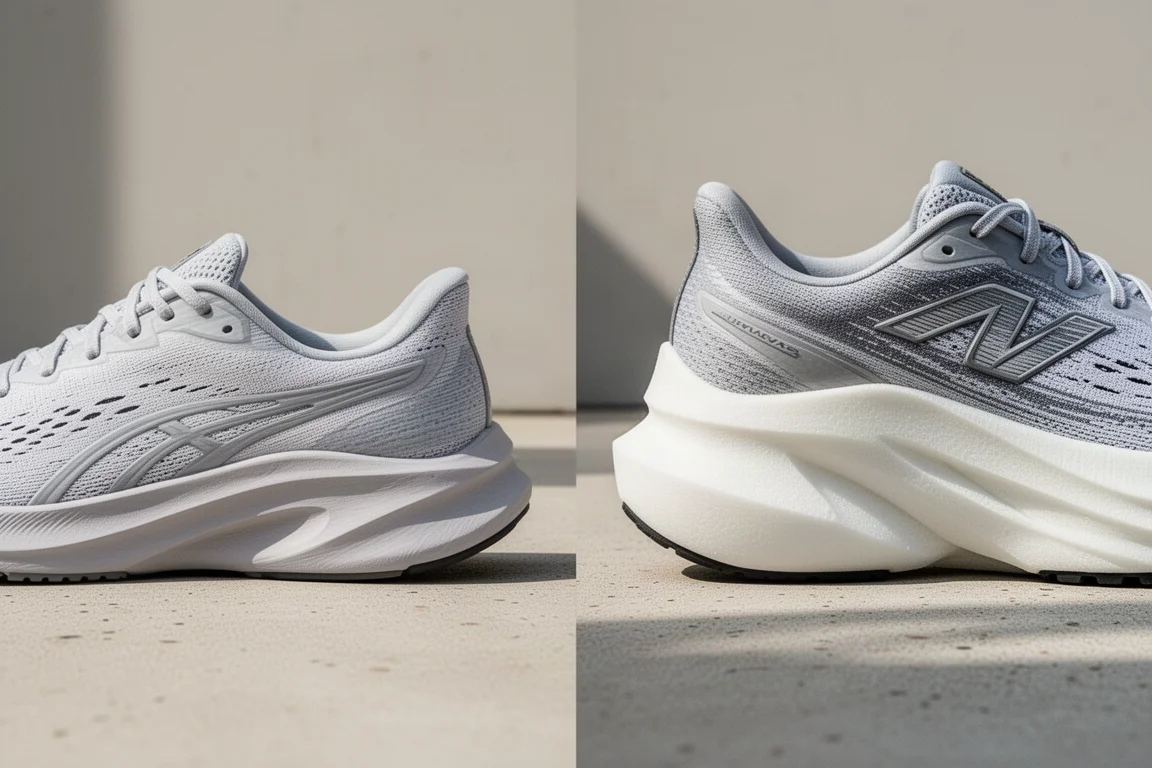
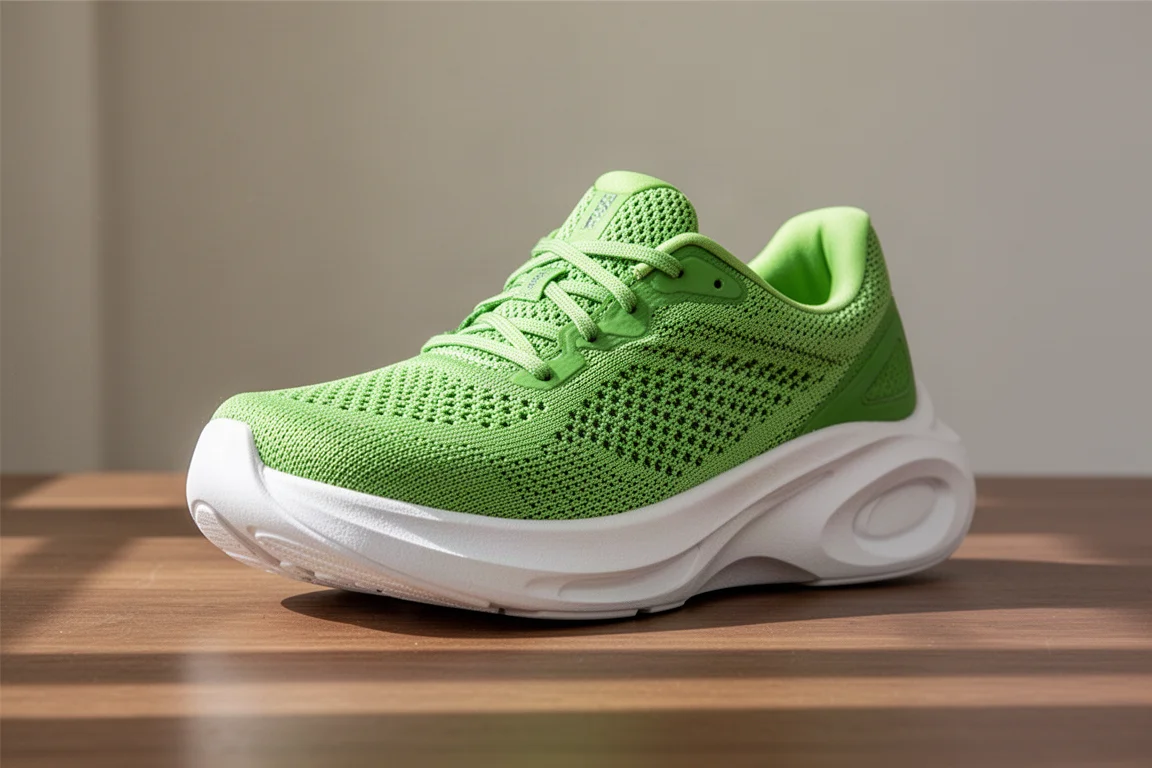
The real difference is the sheer volume of foam. The Novablast 4 has an enormous amount of it, with a base so wide the shoe feels almost oversized in hand. The Rebel is also a wide shoe, but noticeably less so, and it carries less foam overall. That lower stack is a standout in 2024, when most moderately cushioned daily trainers sit at 35 mm or higher. Both shoes are stable, but they get there differently: the Rebel through a lower, more connected platform, and the Novablast through massive width under a big stack.
The Rebel uses FuelCell foam, which is an 80% EVA and 20% PEBA blend. It takes around 30 miles to break in and soften up, after which it delivers a softer feel with a bit of bounce from the PEBA content. The Novablast uses FF Blast Plus, an EVA blend that ASICS is less transparent about, with a firmer ride than the Rebel. Paired with that wide base, it provides a huge amount of support; it may be one of the best neutral shoes for inherent stability.
Both shoes also feature a “caboose,” an extended lip of foam at the heel that adds stability for heel landings, extra impact absorption, and a bit of help on downhills.
Upper and Fit: Airy vs Cushioned
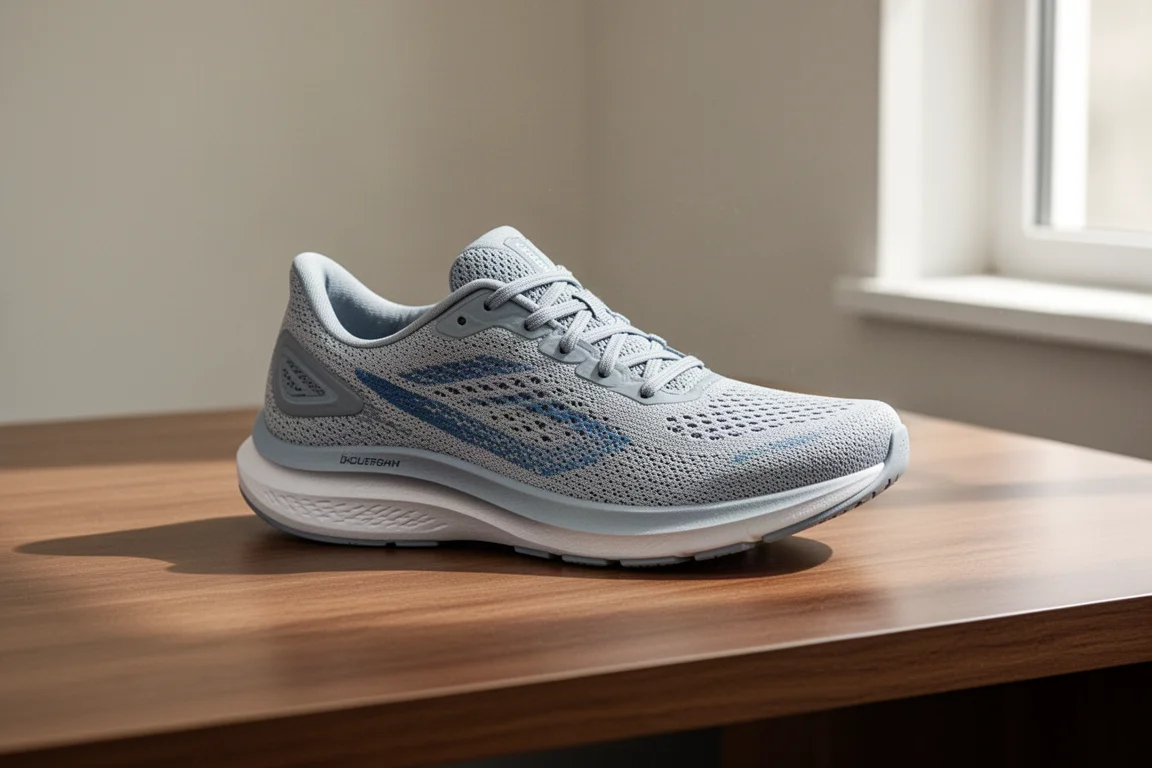
The Rebel v4 uses a lightweight engineered mesh upper that is breathable and comfortable even in serious heat. It is a minimal, nothing-is-there kind of fit: not especially plush, but airy and unobtrusive. The heel counter is more flexible, and the toe box offers a little extra room, making it a decent pick for wider feet.
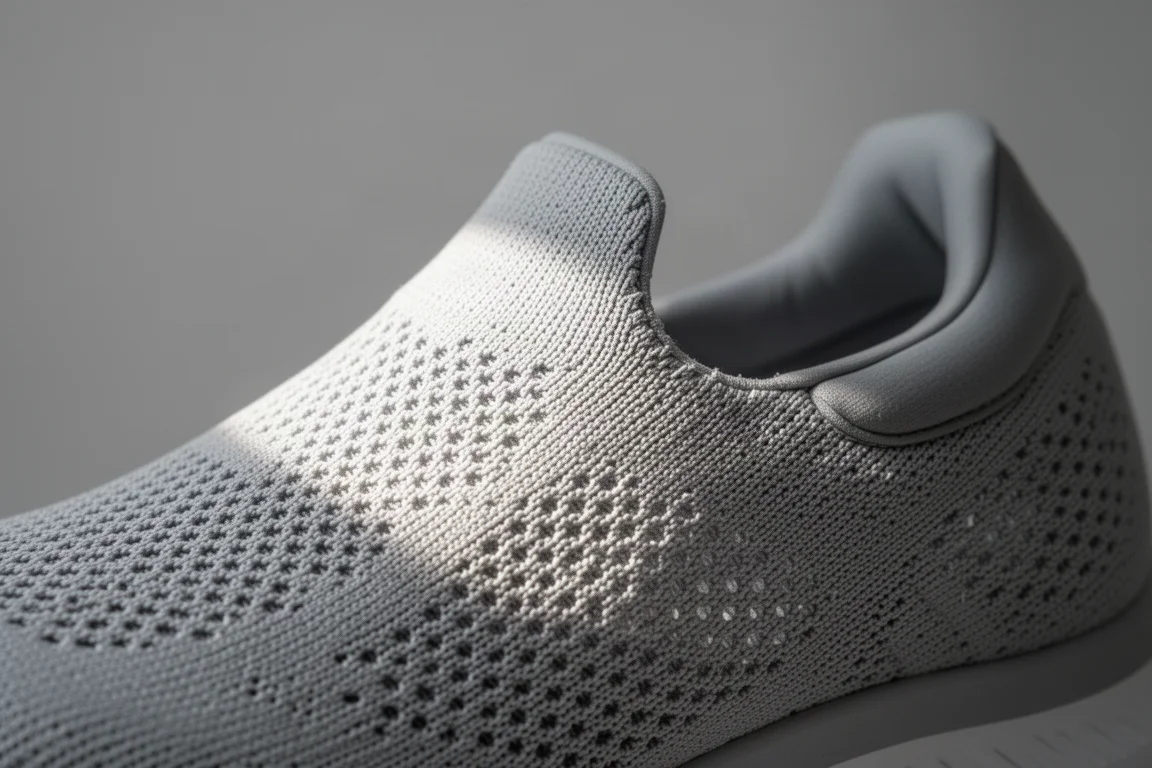
The Novablast 4 upper is almost t-shirt-like in feel, with generous padding at the heel. It is one of the most comfortable uppers around, but all that material runs warm, so it is not the best choice for hot summer days. The heel counter locks you in firmly, and the soft, stretchy laces are comfortable, though some runners prefer more standard laces.
Both shoes locked down well, with no issues through a three-hour, 23-mile long run in each. As a walking shoe, the Rebel is genuinely pleasant, with just enough bounce to make walks fun. The Novablast is awkward for walking; it is a shoe to reserve for running, with a separate option for gym and walks.
Ride Feel: Bounce and Ground Feel vs Protection
The Rebel’s ride is defined by softness, ground feel, and easy turnover. The foam compresses generously once broken in, the stack feels lower than the numbers suggest, and a subtle rocker plus the toe spring add a little pep. After a 100-mile week in this shoe, it essentially felt like an extension of the foot. It is a shoe that gives you control rather than doing the running for you, which makes it a great tool for building strength and turning the legs over quickly.

The Novablast 4 is the opposite philosophy. With more foam in the forefoot (34 mm) than the Rebel has in its heel (30 mm), there is essentially no ground feel. It is a protective layer between your legs and the asphalt, best described as built-in comfort for your foot. It shines on relaxed runs, recovery days, and long cruises, and it is comfortable at almost any pace, though faster runners may find its ceiling around steady moderate paces. For a three-hour long run, that heel stack was excellent.
Outsole and Durability
The Rebel v4 has good rubber coverage, but some exposed foam shows up in a few spots. Around 110 to 120 miles, the heel rubber was nearly flattened with some minor foam damage, and some wear appeared in the midfoot and forefoot too, so expect visible foam degradation somewhere in the 150 to 200 mile range. On the plus side, the rubber performs well in wet weather, a clear improvement over the Rebel v3.
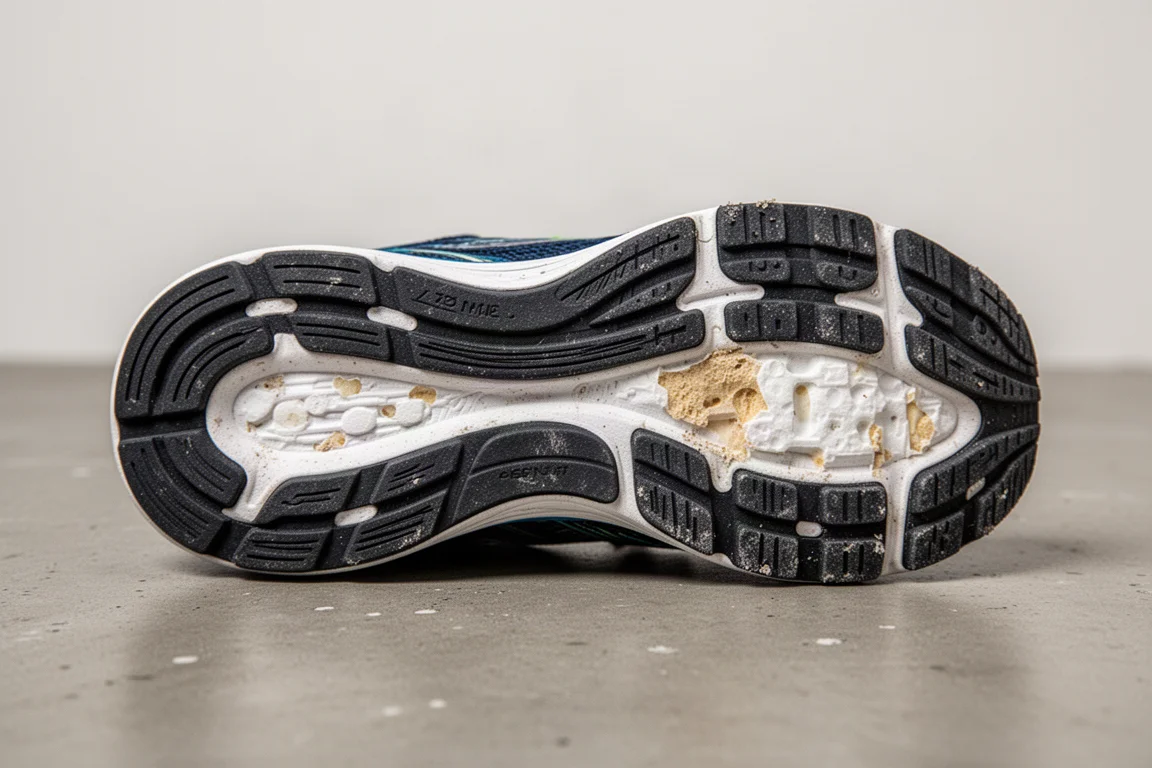
The Novablast 4 is the more durable shoe of the two, with firm foam that resists compression and rubber that showed almost no wear at a similar mileage. However, its wet-weather grip is a serious weakness, among the worst in wet conditions. If you run in rain, plan on a backup shoe.
Which One Should You Buy?
If you want something light and fast that keeps you connected to the ground, the Rebel v4 is the pick. If you want something protective and comfortable for long runs and high-mileage blocks, the Novablast 4 is the pick.
At $140 each, they also pair surprisingly well as a rotation: the Rebel for short workouts and gym sessions, the Novablast for longer runs and easy miles. One small note on the Rebel: some runners have reported a bump under the midfoot arch. Swapping in a removable insole, such as the one from the Novablast, has been reported to fix it.
Conclusion
The Rebel v4 and Novablast 4 are both excellent daily trainers, but they are tools for different jobs. Choose the Rebel if you want lightweight speed and ground feel; choose the Novablast if you want cushioned protection for the longest, easiest miles. Knowing which type of running you do most is all it takes to make the right call.
Further reading
Related Reviews

Running Shoes
Best Road-to-Trail Running Shoes: Three Versatile Options for Mixed Terrain
A practical guide to three road-to-trail running shoes that handle both pavement and mild trails, with clear strengths and trade-offs for different runner types.

Running Shoes
Best Running Shoes for Achilles Tendonitis: Three Options Explained
Three running shoes with different heel drops and support features designed to help reduce Achilles tendon pain during walking and running.

Running Shoes
Best Running Shoes for Women: Five Top Choices Ranked
A ranked guide to five women's running shoes, from versatile daily trainers to high-performance racing options, with real strengths and trade-offs for each.