Running Shoes
New Balance Rebel v4 Long Run Review: 23 Miles in New Balance's Lightest Trainer
We took the New Balance Rebel v4 on a 23-mile aerobic long run to test grip, cushioning, and whether the extra stack solves the v3's biggest weakness.
Introduction
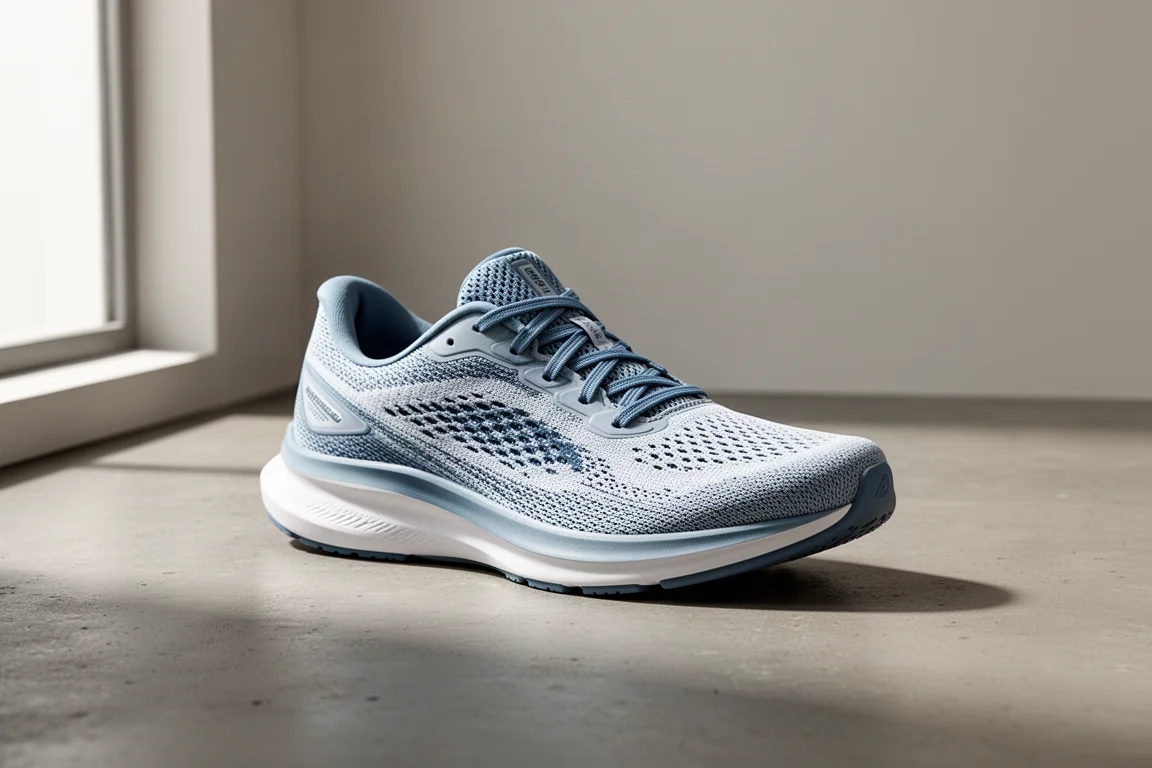
The New Balance Rebel v4 is one of the more interesting daily trainers of the year, mostly because it goes against the current trend of ever-taller stacks. With 30 mm in the heel and 24 mm in the forefoot, it sits noticeably lower than most modern trainers, yet the 20 percent PEBA-based foam keeps the ride light, bouncy, and more energetic than traditional EVA. After a 23-mile aerobic long run, it earned a spot among the most impressive shoes we have run in this year.
Is the Rebel v4 Actually a Minimal Shoe?
There has been a lot of discussion about whether the Rebel v4 counts as a minimal shoe. The honest answer is that “minimal” is one of those emotional words in running, and context matters. At 30 mm in the heel, this may be one of the lowest-stack performance trainers from any mainstream brand right now. Even the previous Rebel v3 was slightly lower at 27.5 mm, and the Topo Cyclone is a touch lower still. Almost nothing in the core running market sits below this stack range, aside from some budget sub-100-dollar shoes with firm standard EVA.
That lower stack is only possible because of the foam. PEBA is lighter than standard EVA, returns more energy at the same pace, and holds up better against temperature changes. Ten years ago, a shoe this low would have felt thin and dead by comparison. Today, the Rebel v4 manages a low, connected ride at a weight that is competitive with, or lighter than, what many runners used a decade ago.
Testing It on a 23-Mile Long Run
The Rebel v3’s main complaint was always that it struggled on long efforts, with only 27.5 mm of heel stack and 21.5 mm in the forefoot. The v4’s added cushioning is designed to address exactly that. This test was a relaxed aerobic long run of 23 miles at roughly 8-minute pace over about 3 hours, on wet pavement with no hard pace work planned.

The result was genuinely impressive. The foam softened up nicely after a break-in period of around 30 miles and then conformed to the foot like a well-worn baseball glove. Pace pickups in the later miles still produced some pop, and even at mile 23 the shoe never felt like it was swallowing the effort.
How the Stack and Foam Feel Over Distance
The big question for any non-plated lightweight trainer is the dreaded bottoming out. It did not happen here. The likely reason is the combination of PEBA and EVA: the PEBA supplies the bounce, while the EVA adds structure and support. The ride stayed consistent from start to finish.
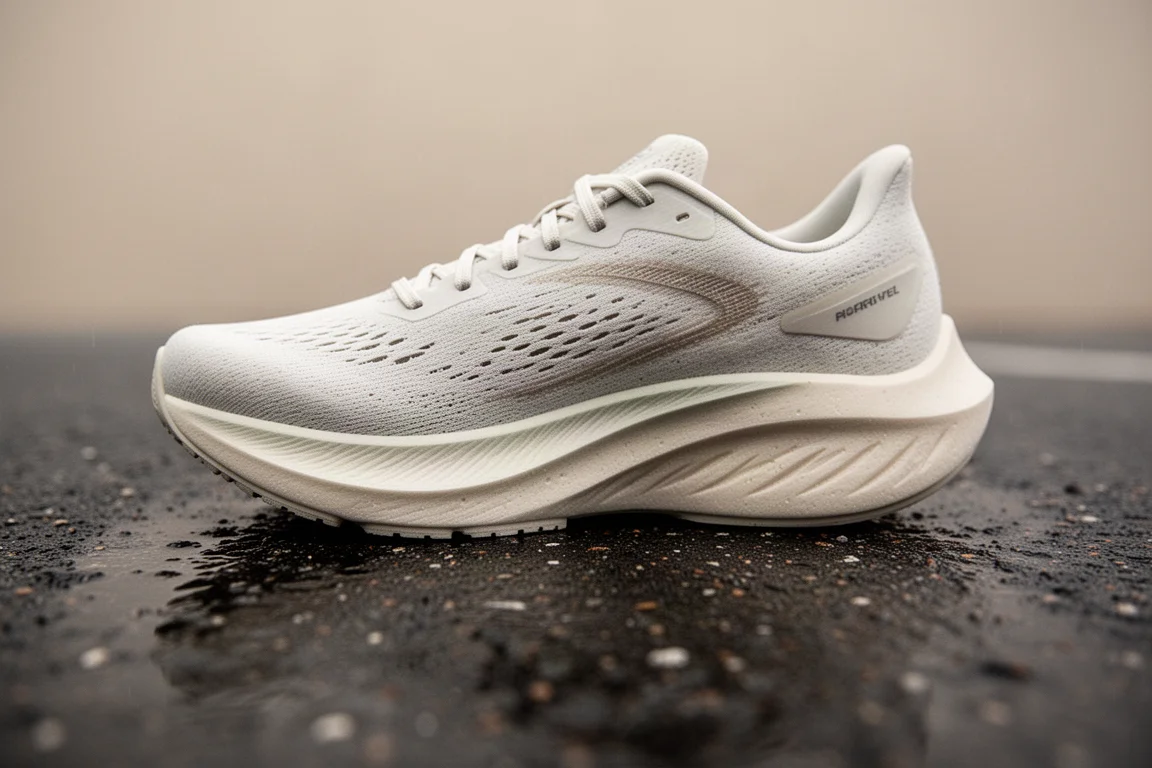
One important distinction: consistency and protection are not the same thing. Compared with taller plated or heavily cushioned options in the 35 to 40 mm range, the Rebel v4 simply does not offer the same level of protection. Legs work harder to turn over, and the calves in particular feel it, sometimes as early as 10 to 14 miles in. That makes it viable for the occasional long run, but probably not the right choice for repeated 22 to 23 mile efforts, especially late in a marathon block when recovery matters. It is worth remembering that running in a low-stack shoe like this is itself a form of leg strength work, which can be a feature if you want it and a cost if you do not.
Fit and Heel Lockdown
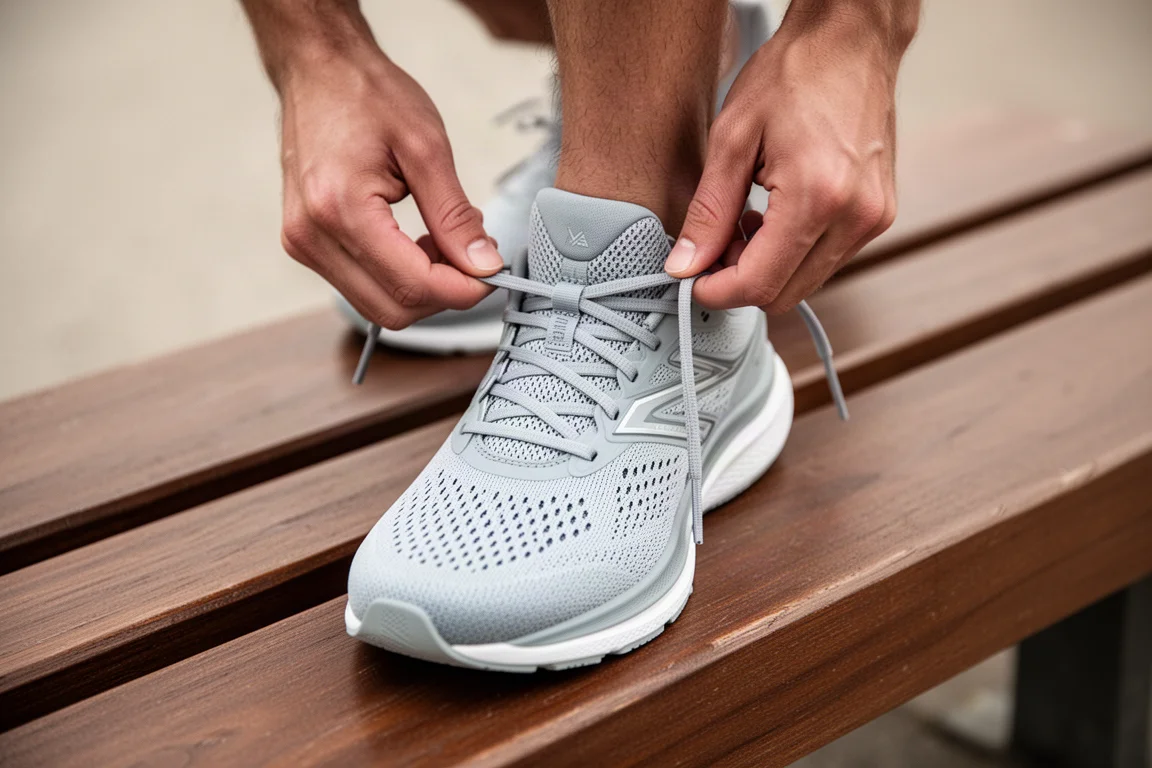
Fit was a bright spot. Early impressions flagged a roomy upper, but after break-in it locked in well. The toe box has plenty of room to spread without causing rubbing, the gusseted tongue sits comfortably, and heel lockdown is excellent with zero slipping and just the right amount of padding.
Grip in Wet Conditions
Wet weather grip was a clear improvement over the Rebel v3. On slick pavement the feet stayed planted, including during pace pickups around 7-minute pace on the final mile. It is probably not quite at the level of the best rubber outsoles on the market, but for a lightweight trainer the confidence in the wet is a meaningful upgrade.

Buying Advice
At a 140-dollar class price point, the Rebel v4 does nearly everything a standard daily trainer can do, while keeping the light and fun character of the previous version and adding a bit more cushion and protection. If you are considering New Balance’s more expensive cushioned trainers at around 200 dollars, think carefully about what that premium buys you: more protection, yes, but you pay a significant amount for it. Runners who want a plated, highly protective long-run shoe should look elsewhere, but anyone who enjoys a low, lively, connected ride will find a lot to love here.
Conclusion
The Rebel v4 fixes the v3’s biggest weakness without losing what made it special. It handled a 23-mile long run without bottoming out, gripped well in the wet, and fit beautifully after break-in. It is not a plated racer and it will not baby your legs over every long effort, but as a lightweight daily trainer with genuine range, it is a serious contender for a favorite shoe of the year.
Product link
View more details for New Balance Rebel V4
This product is mentioned in the review. Check the specifications, options, and compatibility before buying.
View more details for New Balance Rebel V4Further reading
Related Reviews

Running Shoes
Best Road-to-Trail Running Shoes: Three Versatile Options for Mixed Terrain
A practical guide to three road-to-trail running shoes that handle both pavement and mild trails, with clear strengths and trade-offs for different runner types.

Running Shoes
Best Running Shoes for Achilles Tendonitis: Three Options Explained
Three running shoes with different heel drops and support features designed to help reduce Achilles tendon pain during walking and running.

Running Shoes
Best Running Shoes for Women: Five Top Choices Ranked
A ranked guide to five women's running shoes, from versatile daily trainers to high-performance racing options, with real strengths and trade-offs for each.