Running Shoes
New Balance Rebel v4 After 100 Miles: How the Foam Holds Up
An extended 100-mile follow-up on the New Balance Rebel v4, covering how the PEBA-mix midsole evolves, outsole durability, and whether it still earns a green light.
Introduction
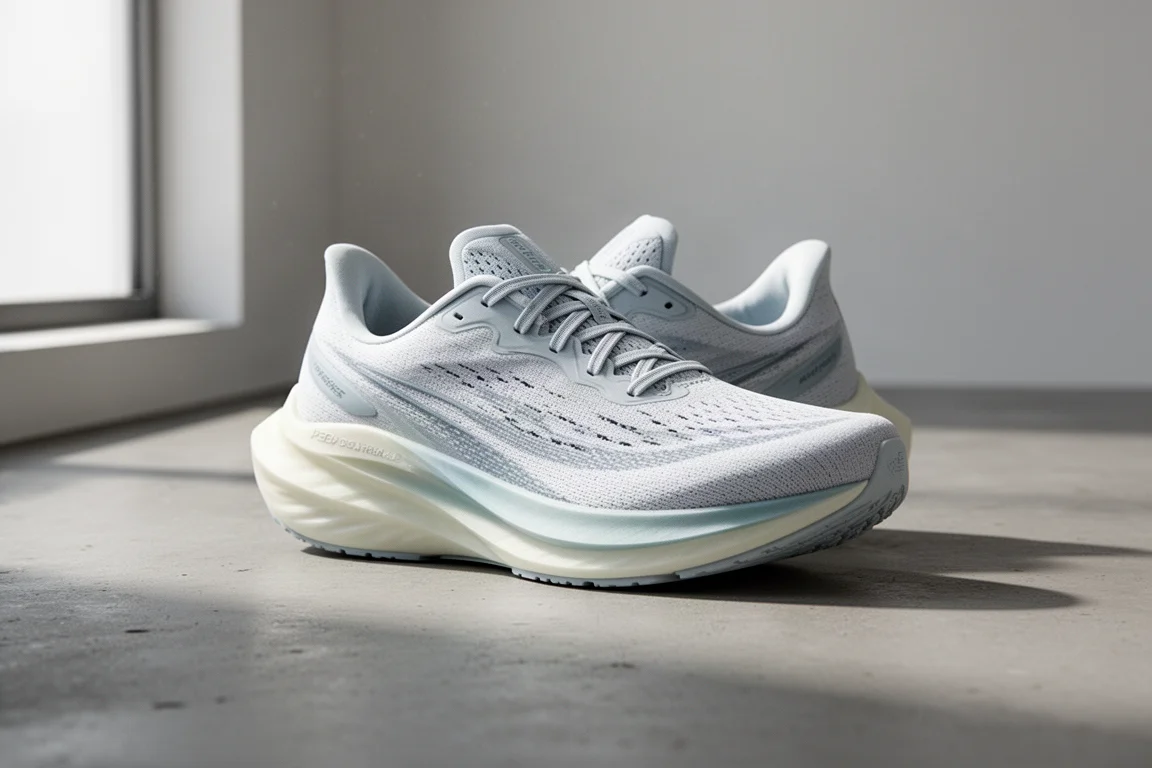
Most shoes get around 20 miles of testing before we move on to the next pair. Every so often, one earns extra mileage, and the New Balance Rebel v4 is exactly that kind of shoe. This follow-up covers how it feels after 100 miles, whether the foam changes character, and if the initial impressions still hold up.
The short answer: the shoe still earns a thumbs up, though the ride does evolve along the way.
Why This Shoe Earned Extra Miles
Out of the box, the Rebel v4 stood out for its light, lively feeling underfoot. The midsole uses a PEBA mix, which gives it a bouncy, uptempo character and a low weight that makes it easy to enjoy from the first run. Even within the first 20 miles, it was clear the foam’s characteristics were shifting slightly, which made an extended test worth doing to see whether the appeal lasted.
What Changed After 100 Miles
The light feeling underfoot stayed consistent the entire way. The weight did not increase, and the shoe kept its uptempo identity through the full 100 miles. What changed is the cushioning: some of that early rebound bounce fades, and the ride settles into a more muted, well-cushioned feel.
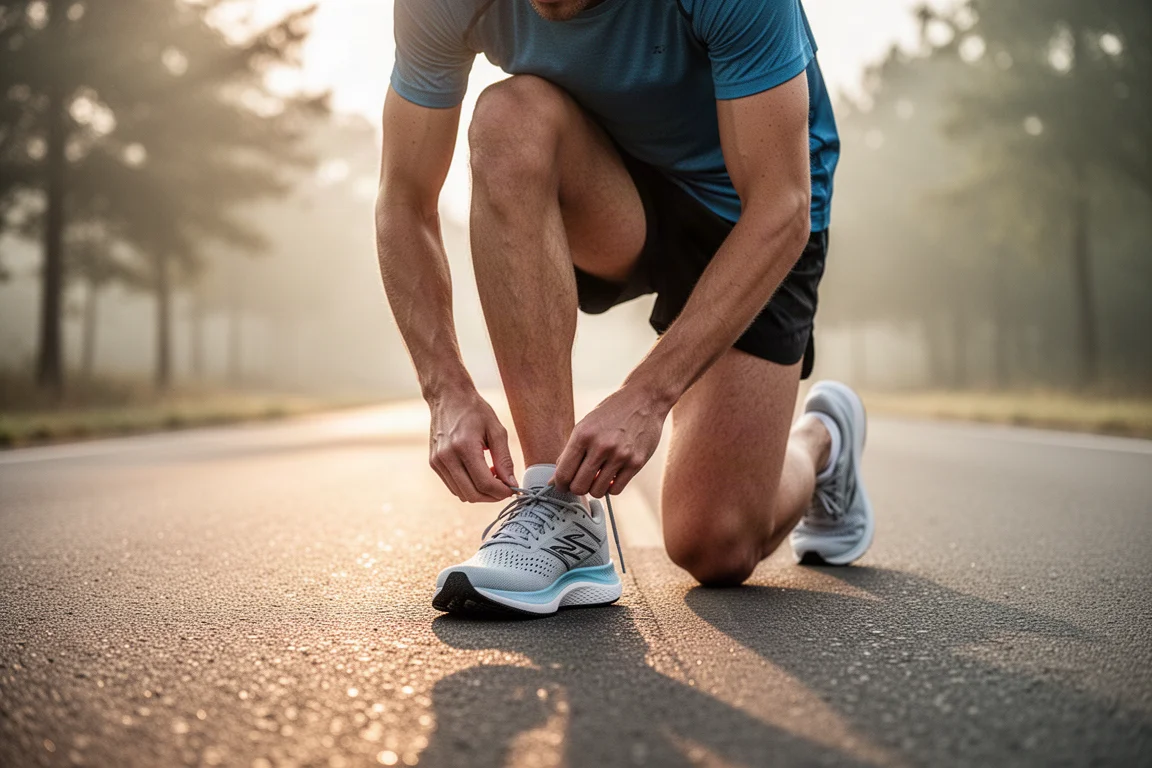
It is tempting to compare this to a certain maximalist foam that flattened out quickly around the 100-mile mark, but the Rebel v4 is not that extreme. It never feels dead underfoot, just less bouncy than it was on day one.
Cushioning Evolution
After 100 miles, the midsole still reads as fairly soft, with noticeable creasing in the PEBA foam, though nothing that damages the shoe or affects its structure. The trade-off is real but manageable: you lose some of the energetic bounce from the early miles, and in return you get a steady, cushioned, comfortable ride.
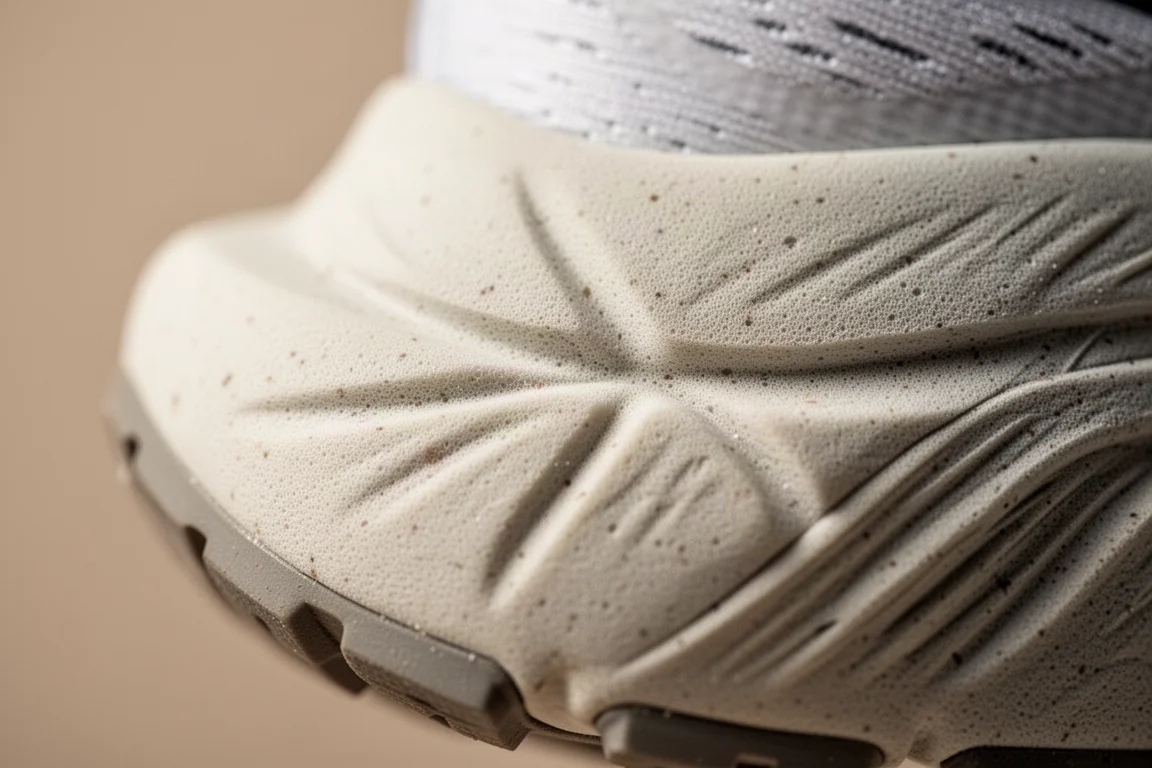
If you loved the initial snap of the foam, temper expectations slightly. If you value a light, soft, everyday uptempo trainer, this evolution should not be a dealbreaker.
Flexibility and Ride Feel
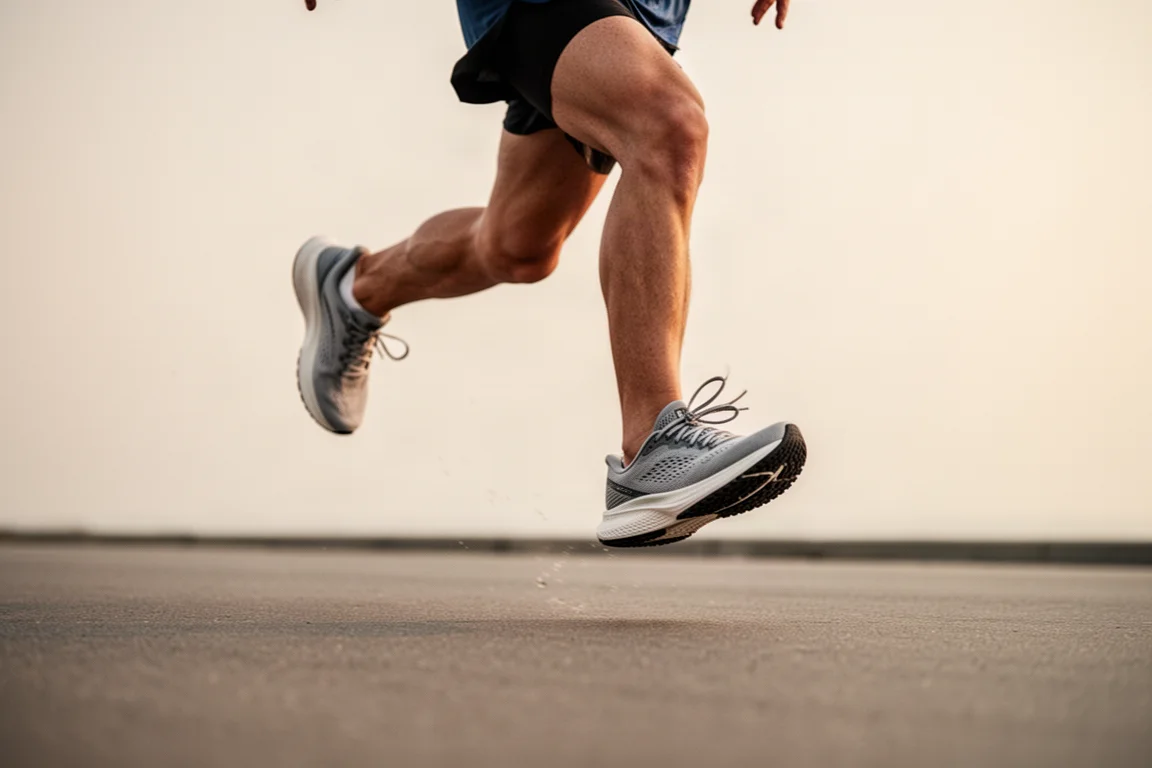
One quality that did not fade is the shoe’s flexibility through the stride. Coming off the toe, the Rebel v4 still bends naturally and rolls smoothly into the next step. That flexibility, paired with the retained light weight, keeps the shoe feeling quick even as the bounce mellows.
Durability Verdict
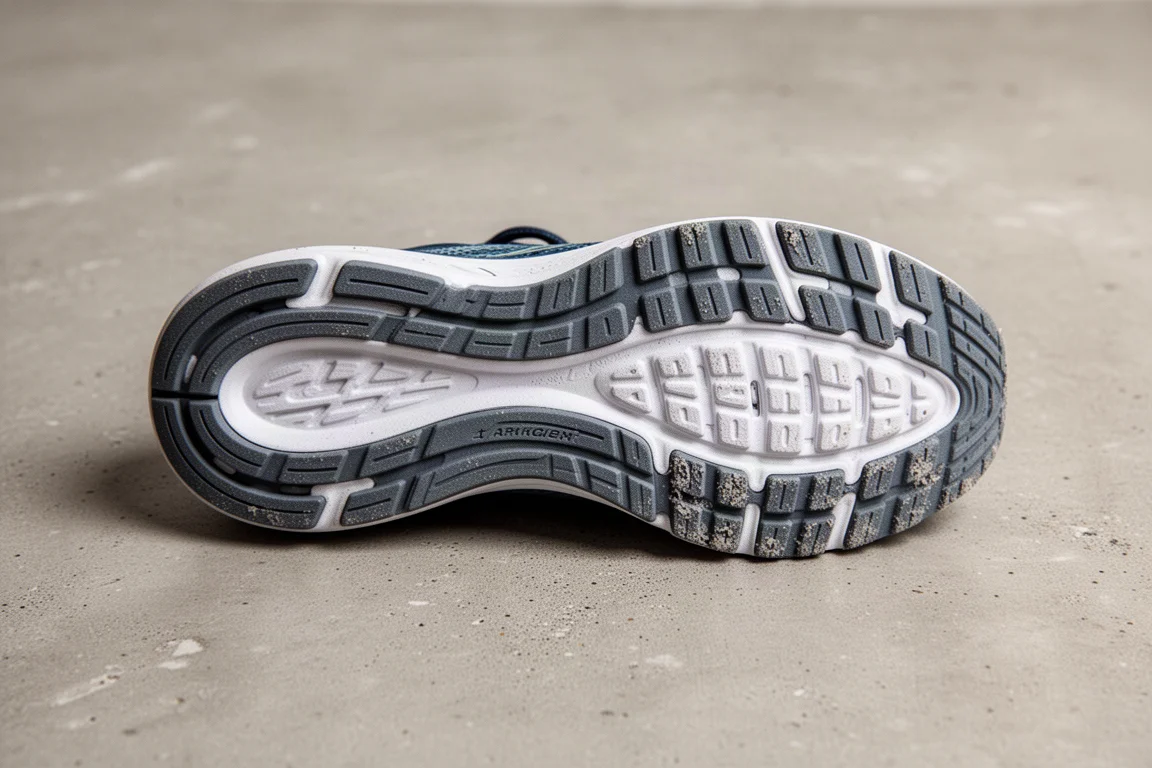
Durability has held up impressively well. The rubber on the outsole shows very little wear after 100 miles, which is a strong sign for a lightweight trainer. Combined with the cosmetic-only foam creasing, the overall build quality inspires confidence for runners planning to put serious mileage on a pair.
Buying Advice
For anyone considering the Rebel v4, the price point feels right for what you get, and the shoe remains a winner even after extended use. You will lose a little of that fresh-out-of-the-box bouncing sensation, but the cushioning still feels good, the shoe stays light, and it continues to behave like a proper uptempo trainer.
If you already have 100 or more miles on your pair, the consensus among other runners would be worth hearing in community forums, but this extended test supports the same conclusion: still a green light.
Conclusion
The New Balance Rebel v4 ages gracefully. Its light, flexible, uptempo character survives 100 miles largely intact, with only a modest reduction in foam rebound. For runners who want a cushioned, lightweight daily trainer with proven durability, it remains an easy recommendation.
Product link
View more details for New Balance Rebel V4
This product is mentioned in the review. Check the specifications, options, and compatibility before buying.
View more details for New Balance Rebel V4Further reading
Related Reviews

Running Shoes
Best Road-to-Trail Running Shoes: Three Versatile Options for Mixed Terrain
A practical guide to three road-to-trail running shoes that handle both pavement and mild trails, with clear strengths and trade-offs for different runner types.

Running Shoes
Best Running Shoes for Achilles Tendonitis: Three Options Explained
Three running shoes with different heel drops and support features designed to help reduce Achilles tendon pain during walking and running.

Running Shoes
Best Running Shoes for Women: Five Top Choices Ranked
A ranked guide to five women's running shoes, from versatile daily trainers to high-performance racing options, with real strengths and trade-offs for each.