Running Shoes
New Balance Rebel v3 vs Saucony Endorphin Speed 3: Which Performance Trainer Fits Your Workouts?
Two performance trainers with new-generation midsoles, one with a plate and one without. Here is how they split the workload.
Introduction
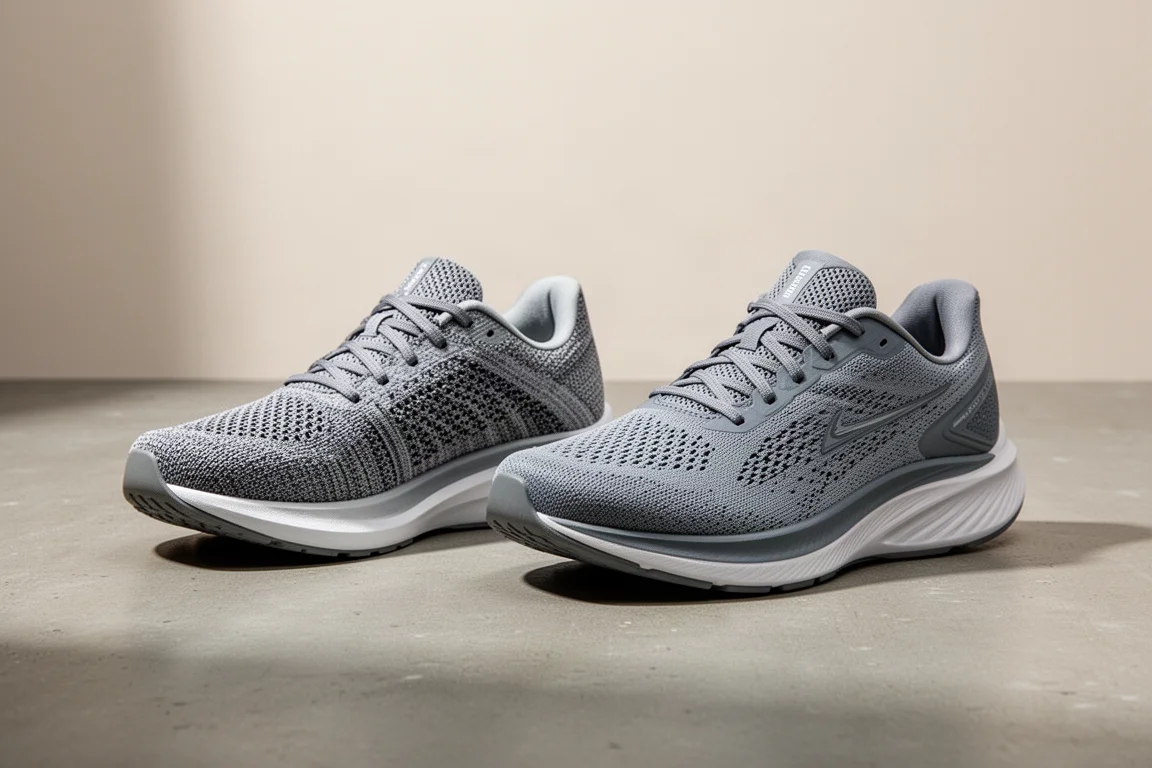
Both of these shoes sit in the performance trainer category, and both feature new-generation midsoles. One carries a nylon plate, the other has no plate at all. Both offer decent traction underfoot, both can turn over quickly, and both weigh in competitively for the category: in a men’s size 9.5, the Rebel v3 comes in around 7.6 oz while the Endorphin Speed 3 is around 8.2 oz.
Where they differ is in the kind of training they are best suited to. Both work really well as training companions for days when you want to run fast but are not quite racing. If that describes your running, either one can earn a spot in your rotation.
New Balance Rebel v3
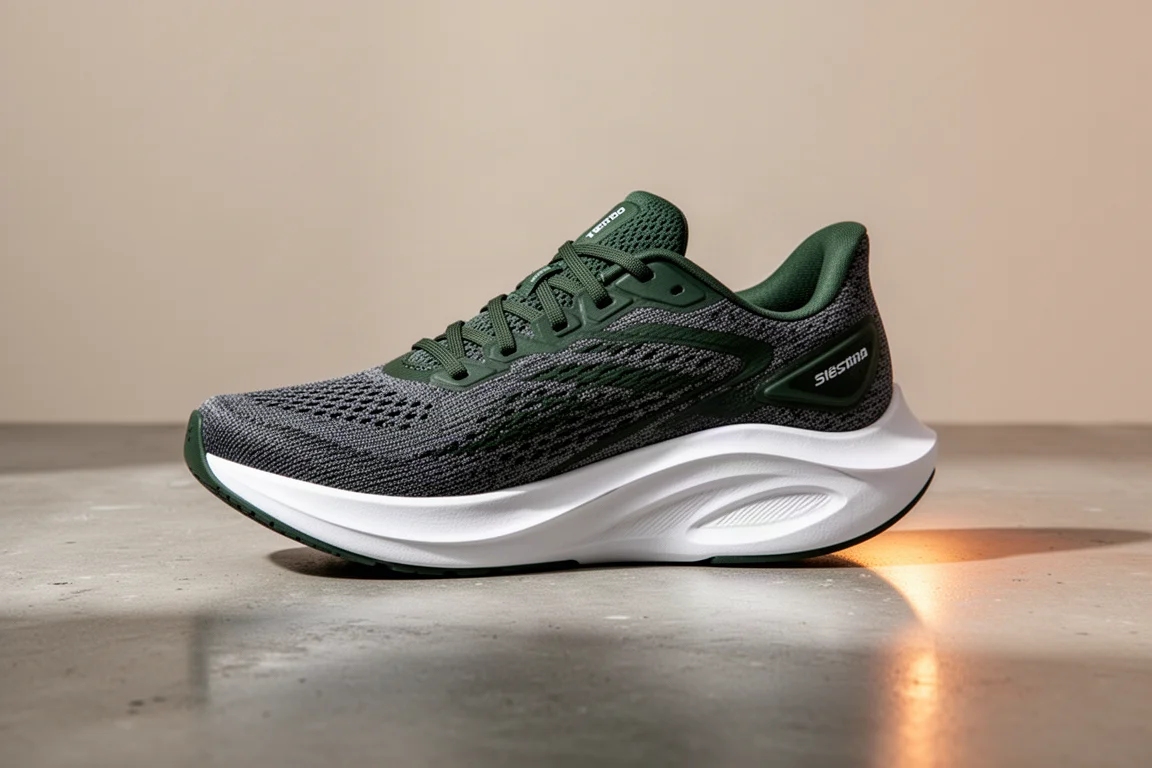
The Rebel v3 is the lighter and more turnover-friendly of the two. It feels like a shoe you can take to the track for faster mile repeats and more interval-focused sessions, including work on 400s up to around a mile, 2K, or 3K. It still goes a long way, but the sweet spot for many runners lands around the 10 to 15 mile mark, which is usually where workout days sit: warming up in the shoe, doing the workout, and cooling down in it.
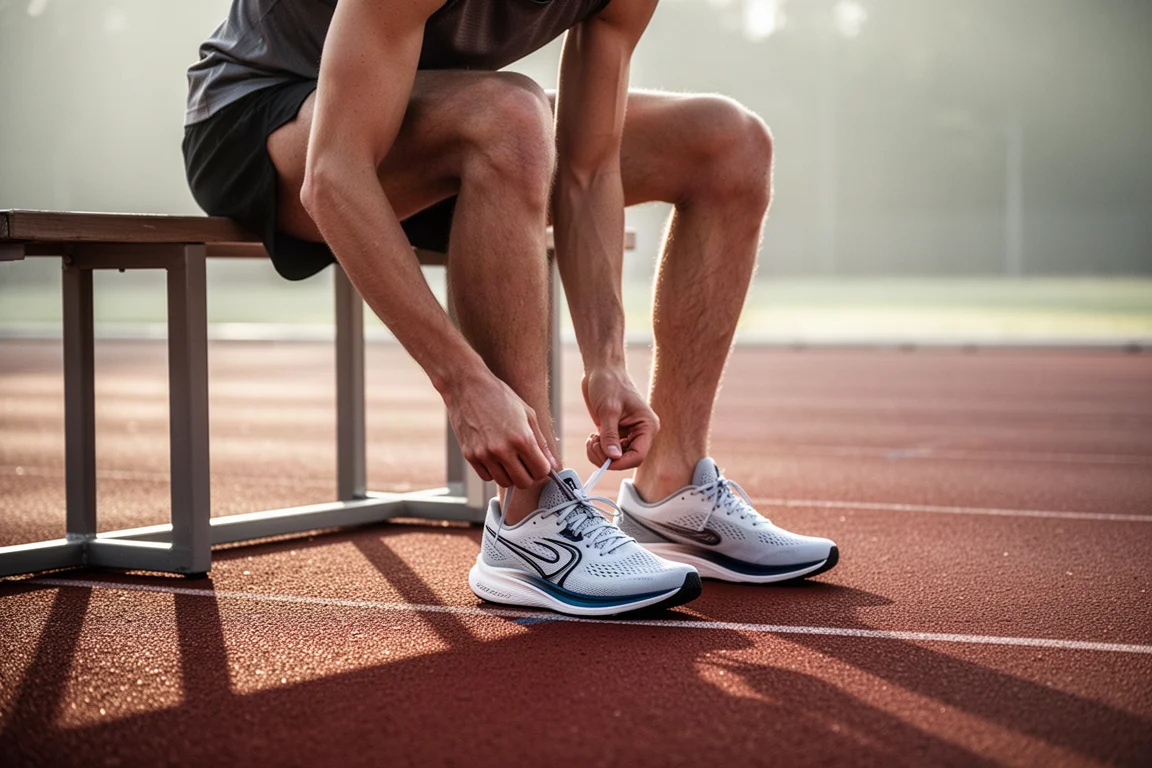
The ride has a bit more flexibility in the forefoot, and the Fuel Cell midsole has enough response to feel good when you are turning over quickly. Outsole traction is solid underfoot.
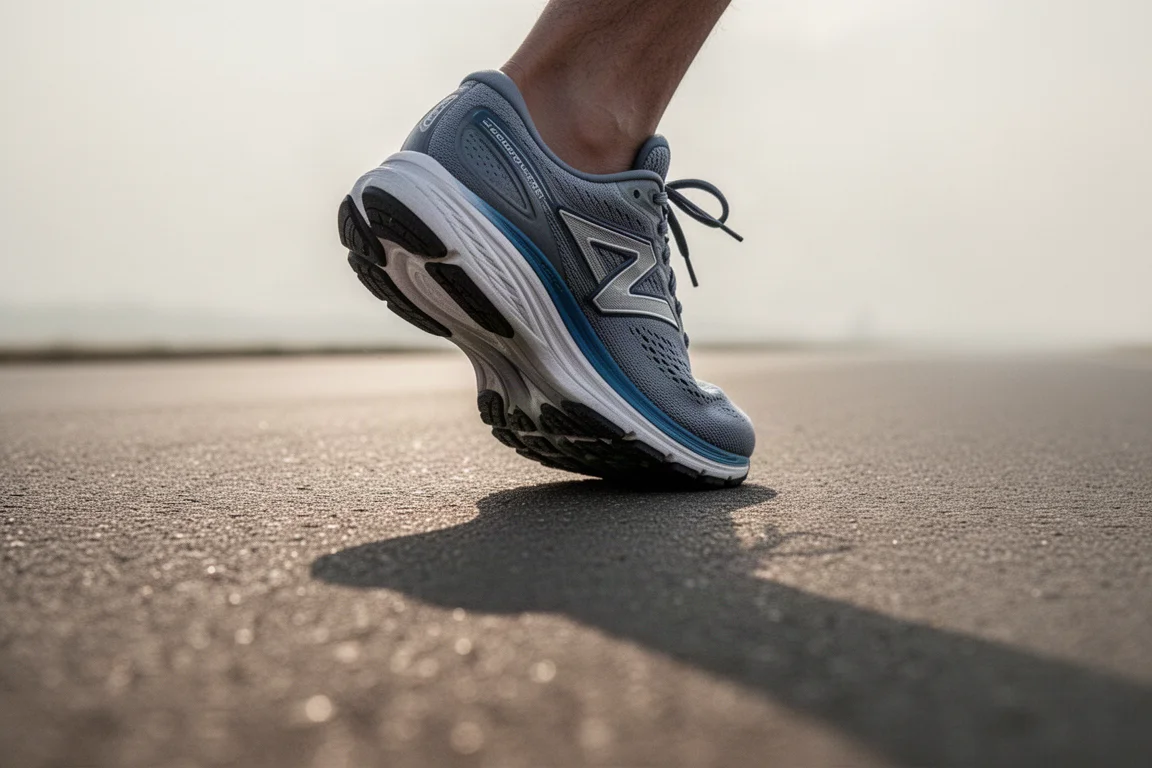
The fit leans more performance-oriented, though it still offers a decent amount of forgiveness. The forefoot is fairly wide, the midfoot locks down really well while keeping enough stretch that it never feels like it encroaches on your foot, and the heel uses a semi-rigid heel counter with a little flexibility. It is there to provide structure, and it does that job well.
Saucony Endorphin Speed 3
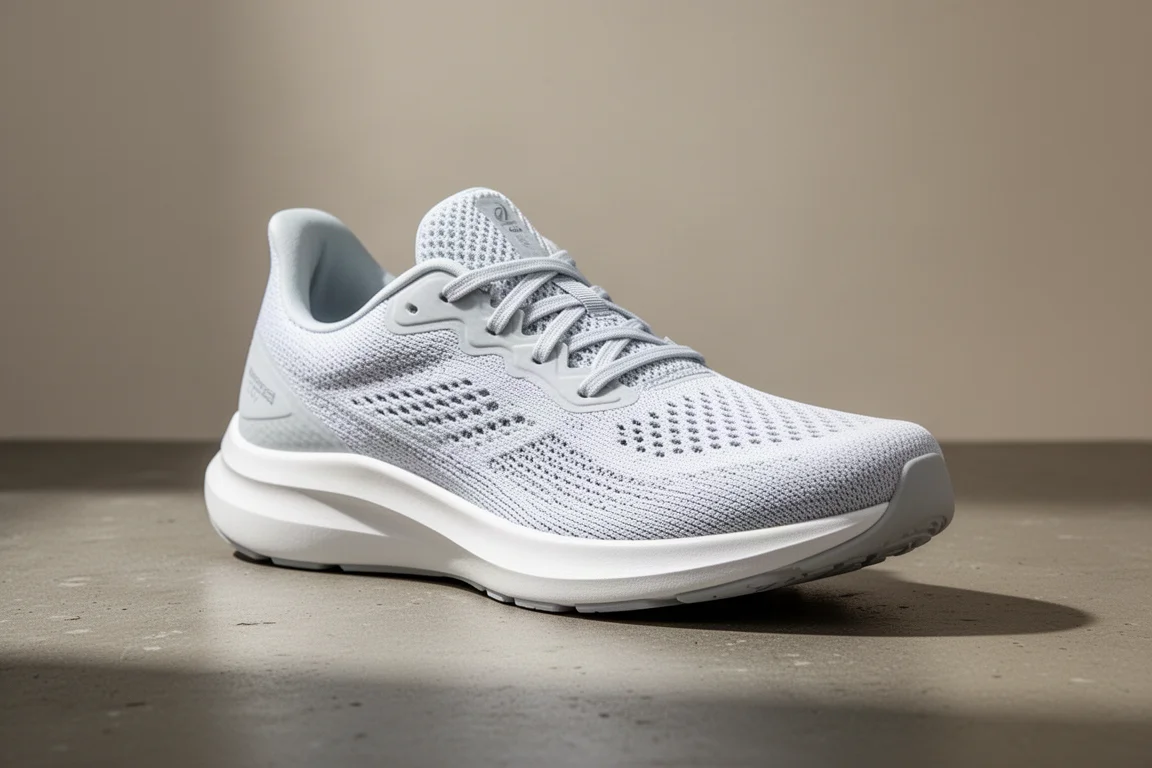
The Endorphin Speed 3 leans toward longer efforts. If you are gearing up for a marathon, this is the shoe that makes more sense for long run days, which often run somewhere between 16 and 20 miles, sometimes more. It also suits long tempo efforts.
The plate is more noticeable in the Speed 3. Because it is a nylon plate there is still some flexibility, but it delivers a rhythmic rocking feel thanks to Speedroll technology, essentially a rocker built for a performance shoe, something Saucony has done well across recent versions of this shoe.
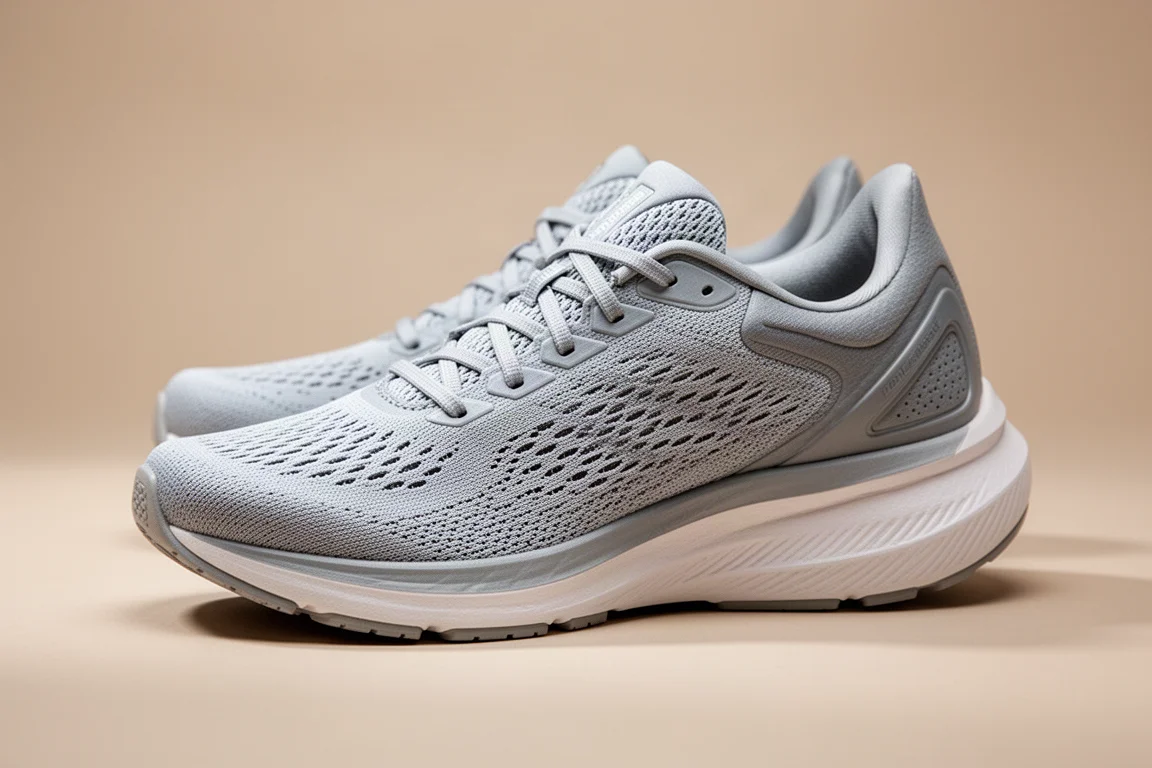
The upper locks down well throughout. It is a little more forgiving in the midfoot and heel, with a slightly wider forefoot than the Rebel v3, which gives long-run feet a bit more room to work with.
Overall Buying Advice
Both have great midsoles and great rides; they are just a little different in character. For interval work and anything faster than about a mile, the Rebel v3 is the pick. For long runs and long tempo efforts, the Endorphin Speed 3 shifts into focus. Honestly, both can find a spot on almost anyone’s rotation, since they complement each other rather than compete.

Conclusion
The New Balance Rebel v3 and Saucony Endorphin Speed 3 cover complementary ground in the performance trainer category: a lighter, more flexible shoe for fast intervals, and a plated rocker-geometry shoe for long sustained efforts. Choose based on the sessions you run most, or keep both for a well-rounded rotation.
Further reading
Related Reviews

Running Shoes
Best Road-to-Trail Running Shoes: Three Versatile Options for Mixed Terrain
A practical guide to three road-to-trail running shoes that handle both pavement and mild trails, with clear strengths and trade-offs for different runner types.

Running Shoes
Best Running Shoes for Achilles Tendonitis: Three Options Explained
Three running shoes with different heel drops and support features designed to help reduce Achilles tendon pain during walking and running.

Running Shoes
Best Running Shoes for Women: Five Top Choices Ranked
A ranked guide to five women's running shoes, from versatile daily trainers to high-performance racing options, with real strengths and trade-offs for each.