Running Shoes
New Balance Rebel V3 First Run Review: A Light, Flexible Daily Trainer
The Rebel V3 keeps the plateless Fuel Cell formula of the V2, with a slightly higher stack, a wider base, and a redesigned upper. Our first impressions after an easy-to-steady 10K.
Introduction
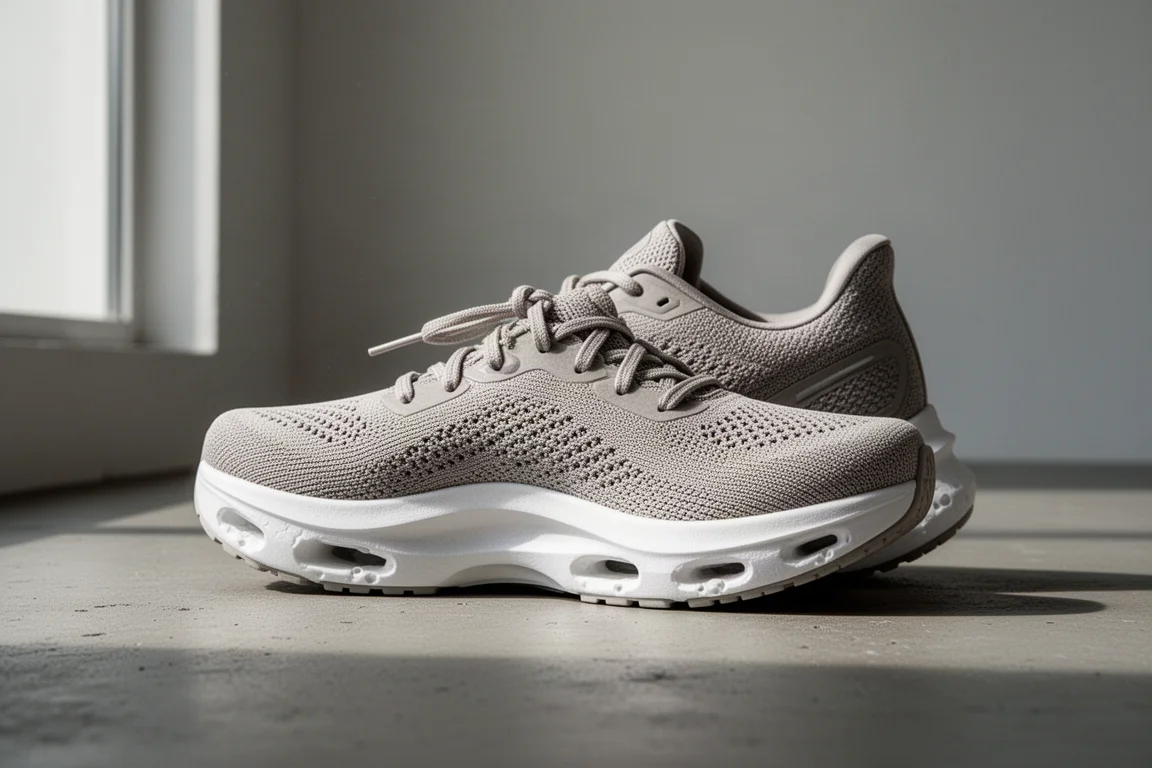
The New Balance Rebel V3 is a lightweight, fast daily training shoe without a plate, yet it still uses New Balance’s best midsole material: Fuel Cell foam. That combination is what has always set the Rebel apart from the brand’s other speedy options, and it remains the core appeal of this third version.
There are changes worth knowing about before you buy, though. The price has gone up to £130 in the UK and $130 in the US, up from £120 for the Rebel V2. Weight is also up slightly, to 216 grams (7.6 ounces) in a UK size 9, compared with 204 grams (7 ounces) for the V2. The drop stays the same at 6 millimeters, and the stack height is still under 30 millimeters, so this is not a high-stack shoe by any means.
What Has Changed From the Rebel V2
The extra weight comes from a slightly higher stack height and a slightly wider platform. Neither change is dramatic on its own, but together they shift the shoe’s character a little toward comfort and stability rather than out-and-out speed.
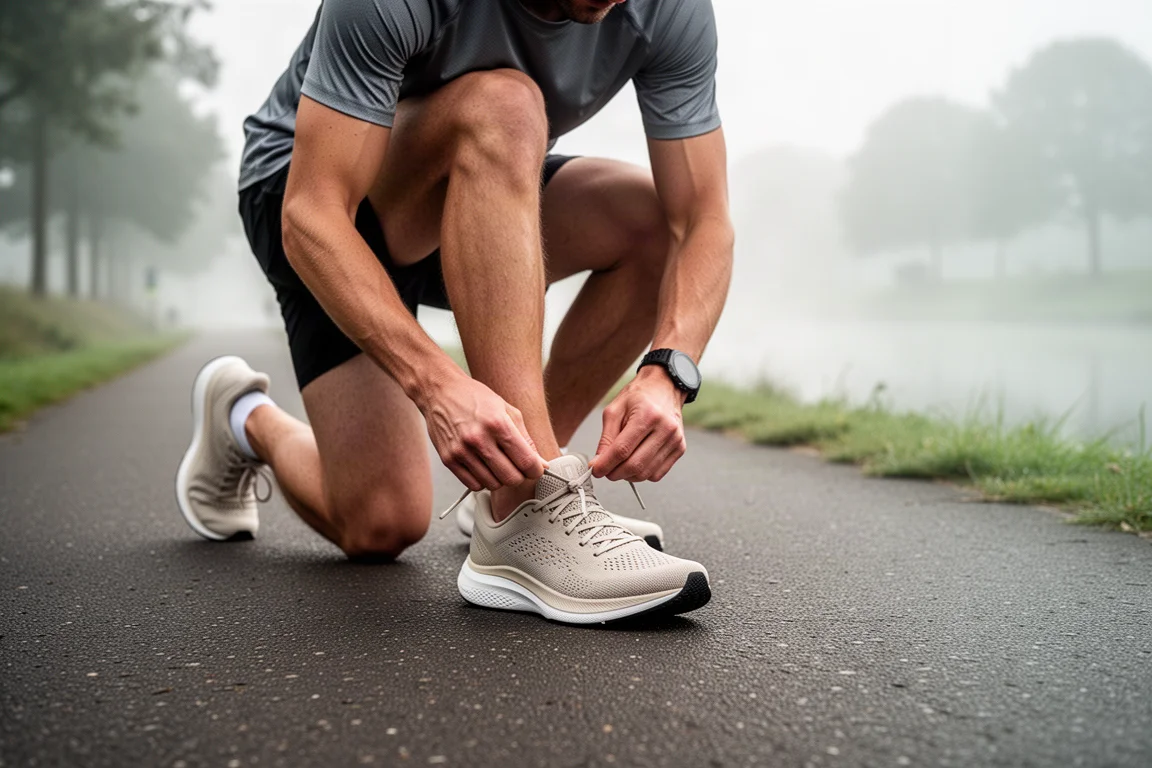
The upper has been completely redesigned compared to the V2 to feel a bit more robust. It reads slightly thicker, with more structure around the heel and a new gusseted tongue. The midfoot and heel wrap nicely, and the added structure gives a slightly more secure, wrapping fit than before.
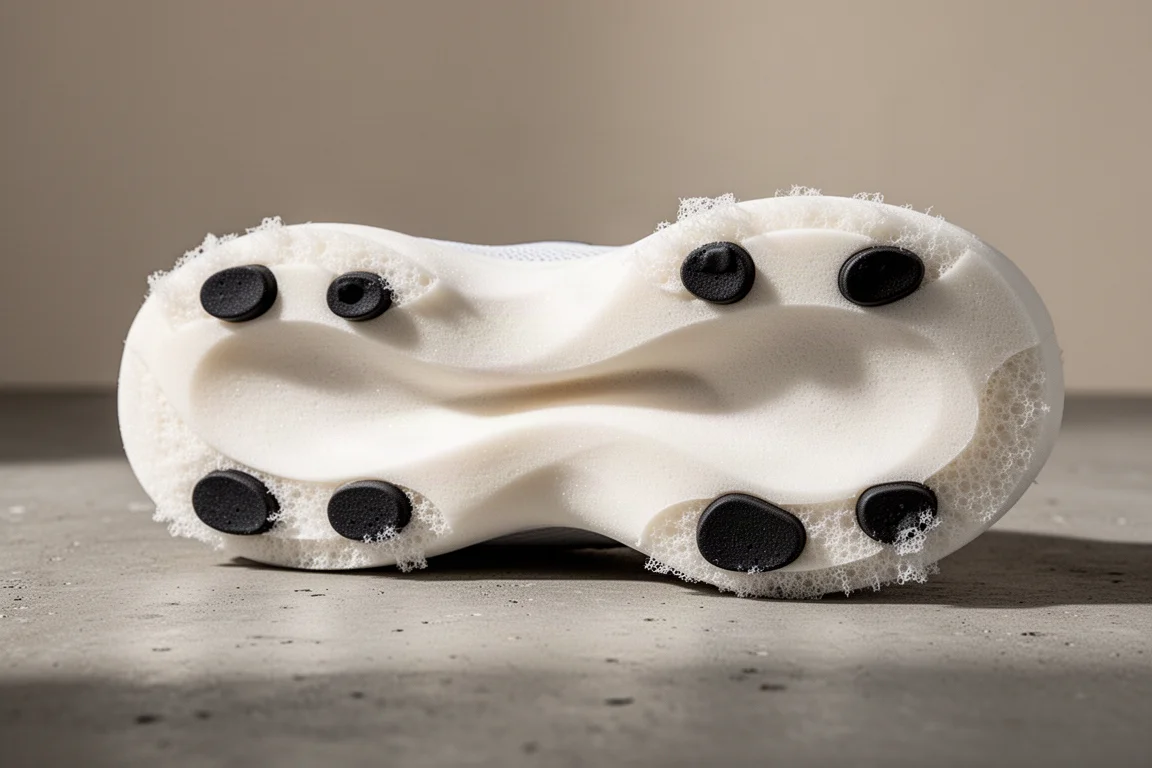
The outsole has also been reworked, now looking more similar to what New Balance uses on the SuperComp range, though there is still quite a lot of exposed foam. The rubber is not thick and sits very close to the bottom of the shoe, so durability may not be a major strength, as was the case for many with the V2. Some outsole changes may make it more resilient, but that is something to watch for in longer-term use.
Fit and Sizing
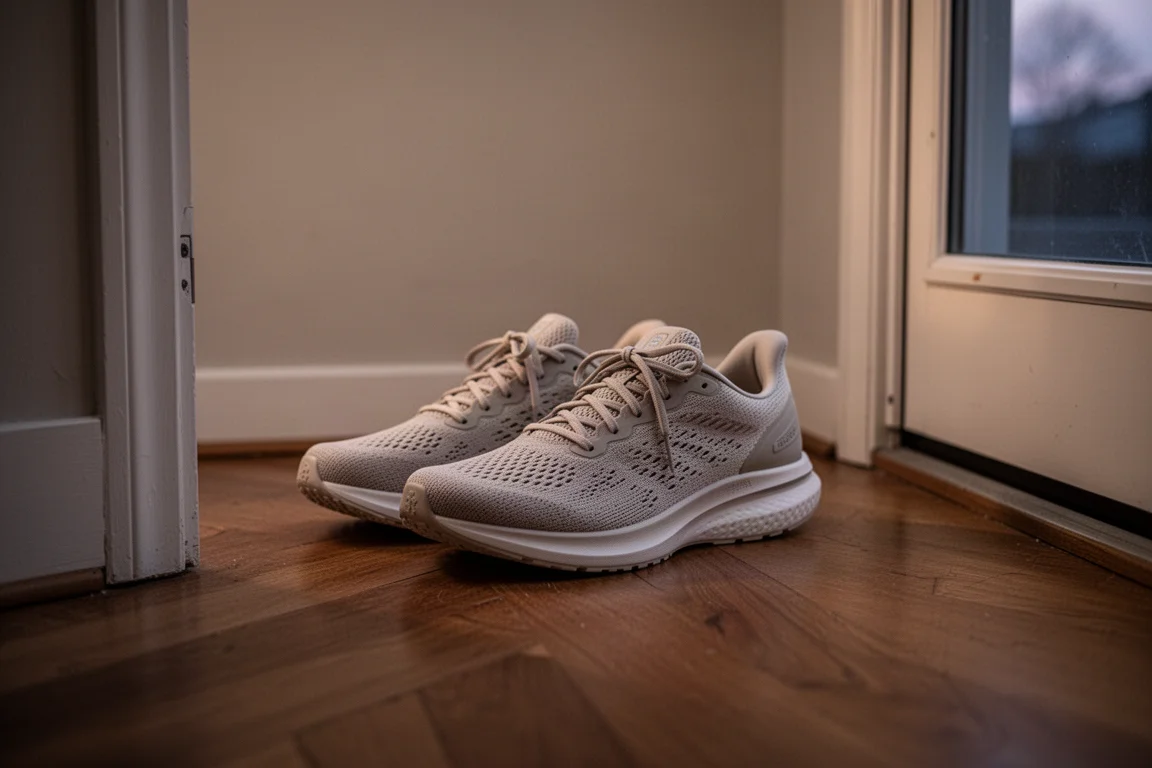
The Rebel has run small since its first version, and that is still true of the V3. It was okay true to size on an 11K test run, but with only about half a thumb’s width of room at the toe, going half a size up would likely be the more comfortable choice, especially for longer runs.
If you are between sizes, definitely go for the half size up. The toe box simply benefits from extra room on longer efforts. Fit around the midfoot and heel was problem-free, with the new upper giving a slightly more wrapping feel through the midfoot.
Ride and Performance on the First Run
The test run was an easy-to-steady 10K with strides at the end: four relaxed kilometers, three at easy pace, then steadier sections averaging around 3:38 per kilometer, finishing with a fast downhill kilometer and strides.
The ride feels very reminiscent of the Rebel V2. On the easy stuff there is a tad more comfort than before, though this is not a really squishy, soft cushioning shoe. When you pick up the pace, it feels firmer and more responsive, with a nice amount of punch from the Fuel Cell midsole.
The key factor, as always with this shoe, is how light and naturally flexible it feels on the foot. That makes it genuinely fun to run fast in. There is a little bit of rocker geometry and a fairly smooth transition, but it is not aggressive, and the shoe is not slappy. It does a lot of small things well while staying light and enjoyable for faster running.
Who It Works Best For
The Rebel V2 was a shoe that grew on us once it was treated as a lightweight shoe for general daily training rather than an all-out speedster. You can absolutely do speedy work in it, but its real value is as a natural, flexible, lighter option for everyday miles. The V3 looks set to be even more that: the slightly wider base and slightly higher stack make it more comfortable for easy runs.

The ride feels similar to the V2, for better and for worse. For better: a lovely light feel over soft, bouncy Fuel Cell foam, more flexible than most modern trainers, and still a reasonably high stack by the standards of a decade ago. That adds up to a shoe that is great fun for general daily training, really good for interval blasts and other speed work, and a solid option for going long if you prefer this feel to rigid, plated shoes or aggressive rockers.
For worse: the V2 bottomed out on long runs and hard sustained efforts like long tempo runs at race pace. The V3’s slight stack increase may help, but it likely lacks the directed punch of plated shoes or aggressive rockers. Durability of that thin outsole is also an open question.
How It Compares
The first shoe that comes to mind is the Puma Deviate… actually, the closest rival here is the Puma Liberate Nitro. Both are flexible, lightweight, plateless shoes that still feel fast. The Rebel has a bit more foam, slightly softer and bouncier underfoot, and is a little more accommodating overall, since the Liberate Nitro could feel a bit slappy at times.
Within New Balance’s own range, the SuperComp Trainer is far more expensive and, on extended testing including a 22-mile long run, did not impress. Even after one run, the Rebel V3 feels like the easier shoe to recommend, with a much more grounded feel. Among other plateless options, the Hoka Mach 5 stands out: it leans on a smooth rocker with decent foam, while the Rebel is more springy and exciting underfoot. The Mach 5 may have an edge for going longer, though the Rebel V3’s long-run behavior still needs more testing.
Buying Advice
At £130 / $130, the Rebel V3 sits in a market increasingly dominated by plated super shoe tech. That makes it a welcome option for anyone who wants a more natural feel. It is versatile, not too expensive by the standards of performance trainers, and stands out in this part of the market.
If you loved the Rebel V2, expect a very similar shoe with small refinements that make it slightly more comfortable, particularly on easy miles. If you are new to it, think of it as a lightweight, flexible daily trainer that can still handle speed work, rather than a race-day weapon.
Conclusion
The New Balance Rebel V3 is not a massive departure from the V2, and that is mostly a good thing. It keeps the light, springy, plateless formula that made the V2 enjoyable, while small tweaks to stack height, width, and the upper make it a touch more comfortable and better suited to daily training. It runs small, so consider a half size up, and keep an eye on outsole durability over the long term. For runners who want a natural-feeling, versatile, lightweight trainer, it is an easy shoe to like.
Product link
View more details for New Balance Rebel V3
This product is mentioned in the review. Check the specifications, options, and compatibility before buying.
View more details for New Balance Rebel V3Further reading
Related Reviews

Running Shoes
Best Road-to-Trail Running Shoes: Three Versatile Options for Mixed Terrain
A practical guide to three road-to-trail running shoes that handle both pavement and mild trails, with clear strengths and trade-offs for different runner types.

Running Shoes
Best Running Shoes for Achilles Tendonitis: Three Options Explained
Three running shoes with different heel drops and support features designed to help reduce Achilles tendon pain during walking and running.

Running Shoes
Best Running Shoes for Women: Five Top Choices Ranked
A ranked guide to five women's running shoes, from versatile daily trainers to high-performance racing options, with real strengths and trade-offs for each.