Running Shoes
New Balance FuelCell Rebel v3 After 100 Miles: Still the Fun Daily Trainer?
A lightweight, versatile daily trainer built on FuelCell foam, reviewed after 100 miles of real training, with comparisons to the Hoka Mach 5 and ASICS Novablast 3.
Introduction
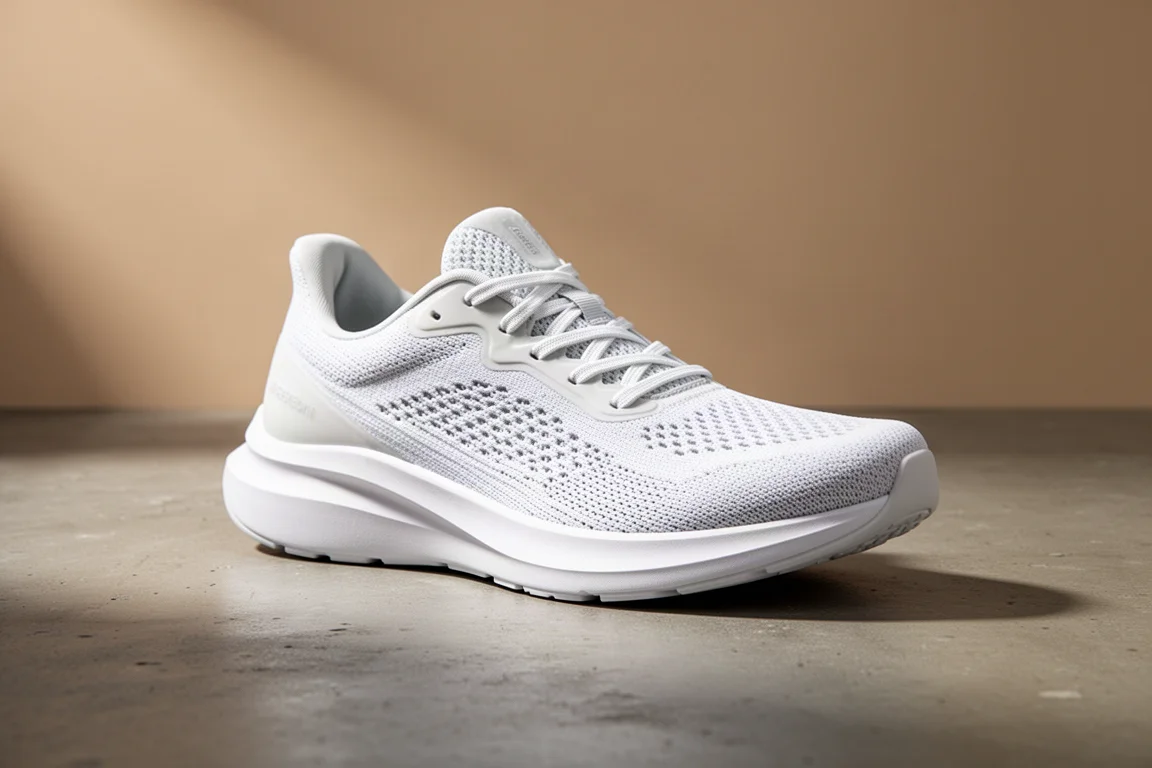
Some shoes are fun for a few weeks and then quietly lose their charm. The New Balance FuelCell Rebel v3 is not one of them. It earned a place among the favorite daily trainers of its release year thanks to a lightweight build, a versatile character, and a genuinely enjoyable ride. But a daily trainer has one job above all others: it has to survive actual daily training. This long-term look covers how the Rebel v3 held up after 100 miles of real running, how it fits and performs, and how it stacks up against two of its closest rivals.
Everyday Performance
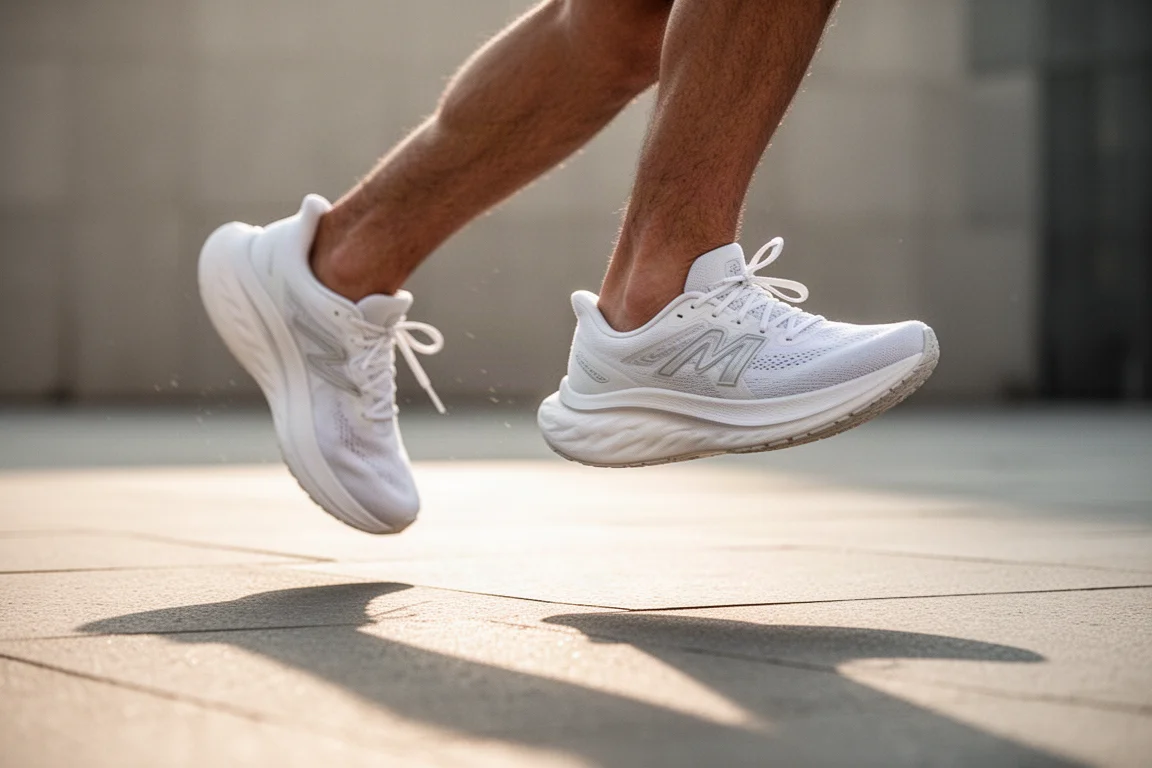
The Rebel v3 works as a true daily trainer for everyday runs, but its range extends well beyond that. It can handle long runs and anything that requires pace changes, whether that is an easy run finished with strides or even a track session, thanks to its very lightweight and low-to-the-ground design.
That low ride does not come at the cost of cushioning. The midsole is built entirely from FuelCell foam, which is soft and squishy enough to absorb a lot of impact, yet springs back in a way that makes the shoe feel fun and exciting to run in. For a foam this lightweight, that balance is the standout quality.
Comfort and Fit
Comfort is another area where the Rebel v3 quietly excels. Going true to size is the right move for most people, and the width is generous, with proper room for the pinky toe. The shoe can be worn for hours at a time without any bunching, squishing, or crunching of the toes, which makes longer runs far more pleasant.
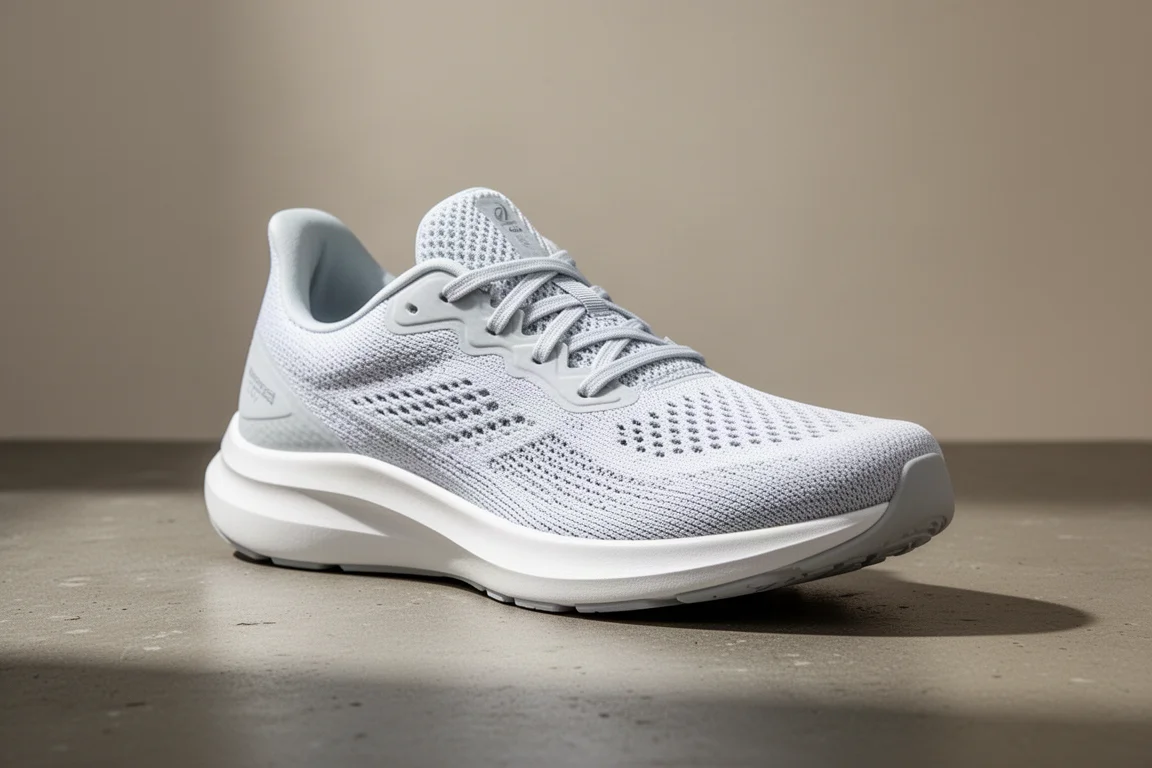
The upper material is lightweight and breathable enough that even summer running does not turn the shoe into a sweat collector. On the aesthetics side, the all-white colorway looks fantastic, though some other color options are more divisive. Beauty is in the eye of the beholder, but it is worth choosing your colorway carefully.
Durability After 100 Miles
This is where a daily trainer proves itself, and the Rebel v3 holds up well. The foam still feels lightweight and springy at 100 miles, and there is still enough cushion for longer runs. The outsole rubber is doing its job, showing only some discoloration and a little expected wear in the highest-traffic areas: the pads of the forefoot and the outer part of the heel. That is roughly the wear you would expect at this mileage.
The upper is in excellent condition too, with hardly any signs of wear despite the dual-layer mesh looking potentially delicate. The strength and pliability of the materials are still evident at the 100-mile mark.
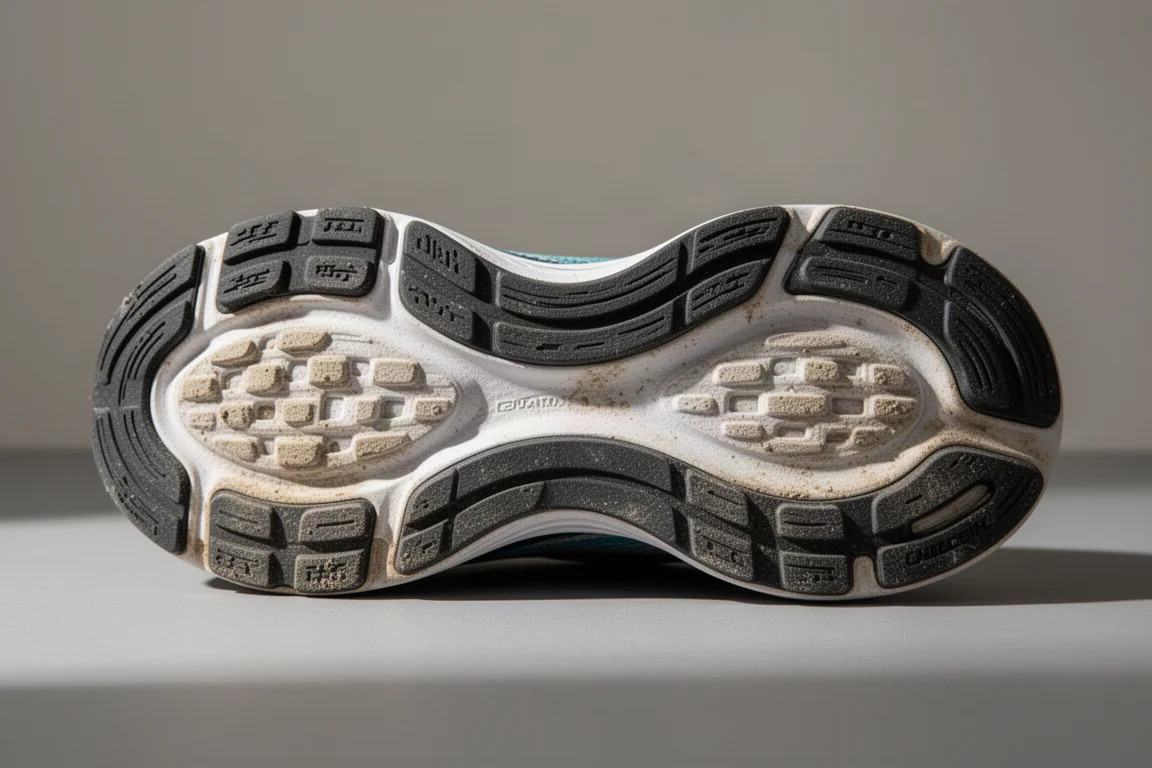
There is also a relationship between early wear and fit worth noting. A shoe that fits well avoids the bunching and tension that accelerates material failure. With no tight spots or volume problems here, the lightweight, thin, breathable upper is under less stress, which likely helps it last longer.
New Balance FuelCell Rebel v3
The Rebel v3 is a lightweight, versatile, and fun daily trainer that remains in great shape after 100 miles of use. At $130 it sits slightly below its main rivals, and discount hunters can occasionally do far better: New Balance’s official outlet has listed it at $60 in certain colorways, which is an easy pick-up at that price.
Comparison: Hoka Mach 5
The Hoka Mach 5 is the first natural comparison, and the two shoes take a very similar approach with very similar results. Both can go from long run to speed work without complaint. The Mach 5 feels like a slightly bigger shoe, with a bit more of everything in it. If your week leans heavily on speed work, the lighter, lower Rebel v3 may be the better fit for that emphasis.
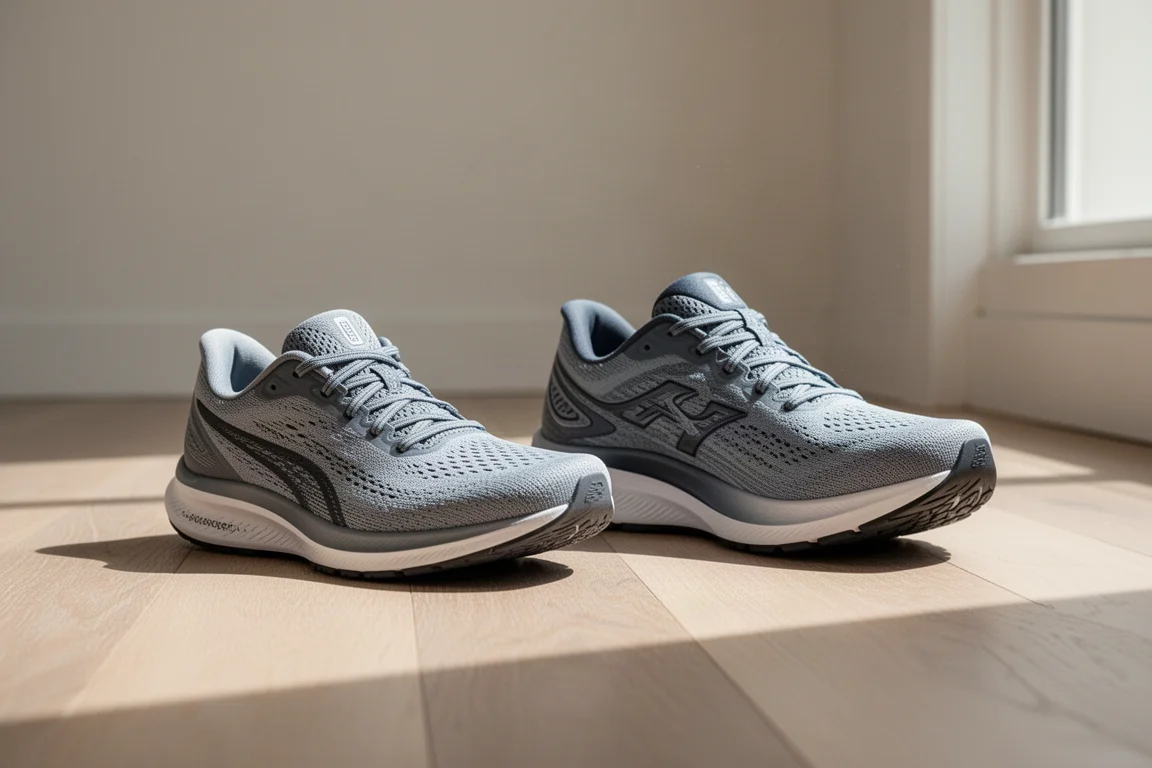
Both the Mach 5 and the Rebel v3 are generally still available at their original retail prices, $140 for the Mach 5 and $130 for the Rebel v3. That is a lot on paper, but a fair price for two of the better daily trainers on the market.
Comparison: ASICS Novablast 3
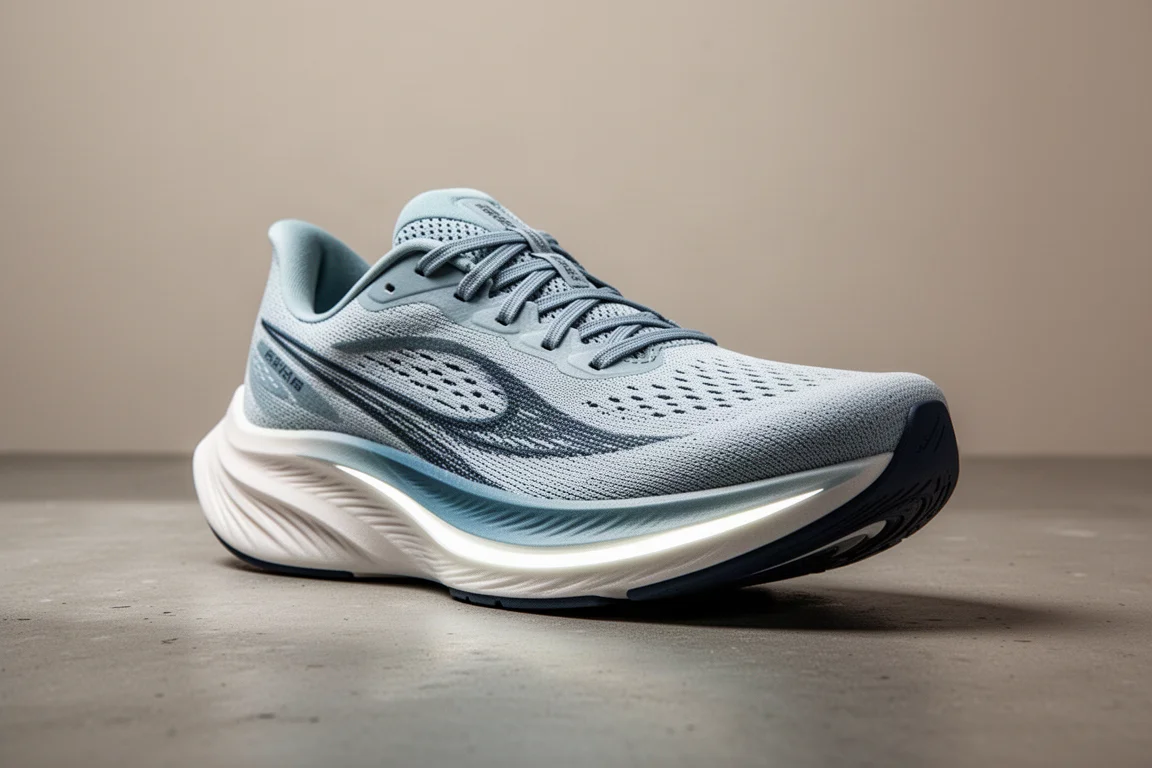
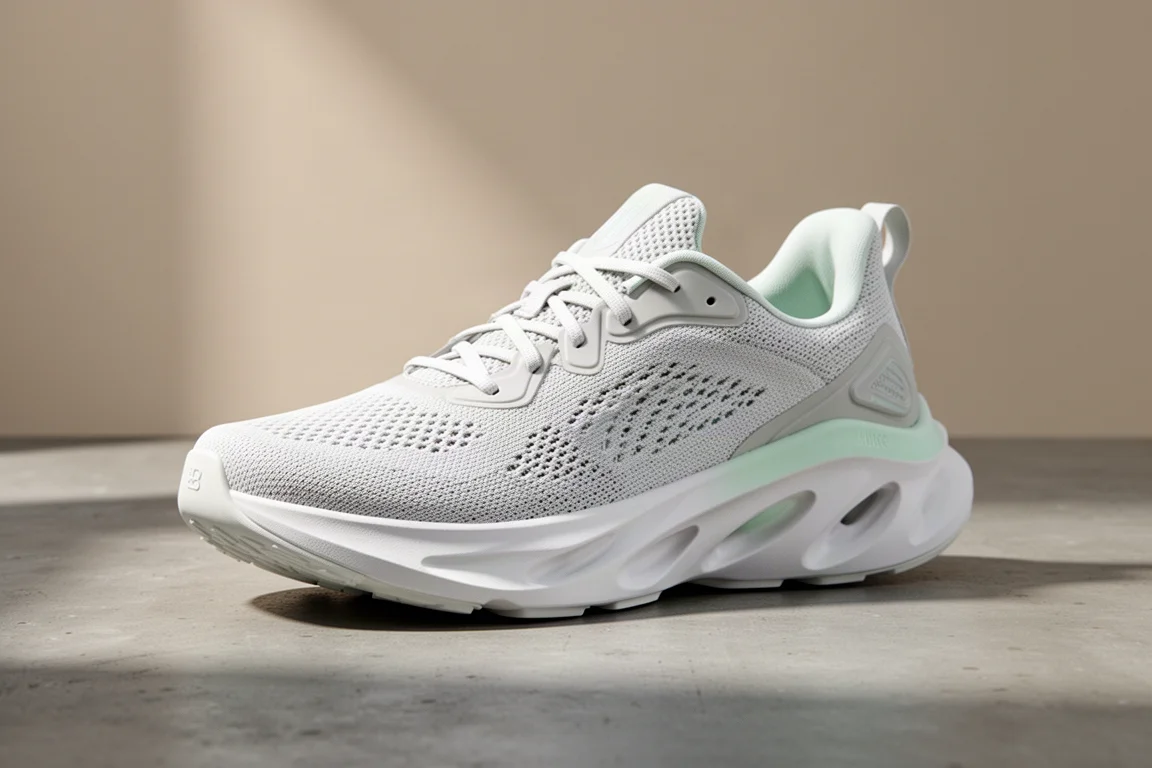
The other daily trainer worth comparing is the ASICS Novablast 3, a previous shoe-of-the-year pick. Both shoes are fun, versatile daily trainers that can cover just about everything from speed work to long runs. The Novablast 3 carries a bit of extra cushion, which makes it the preferred choice for road marathoners who want more protection on long efforts, but either shoe can genuinely do it all.
Building a Rotation
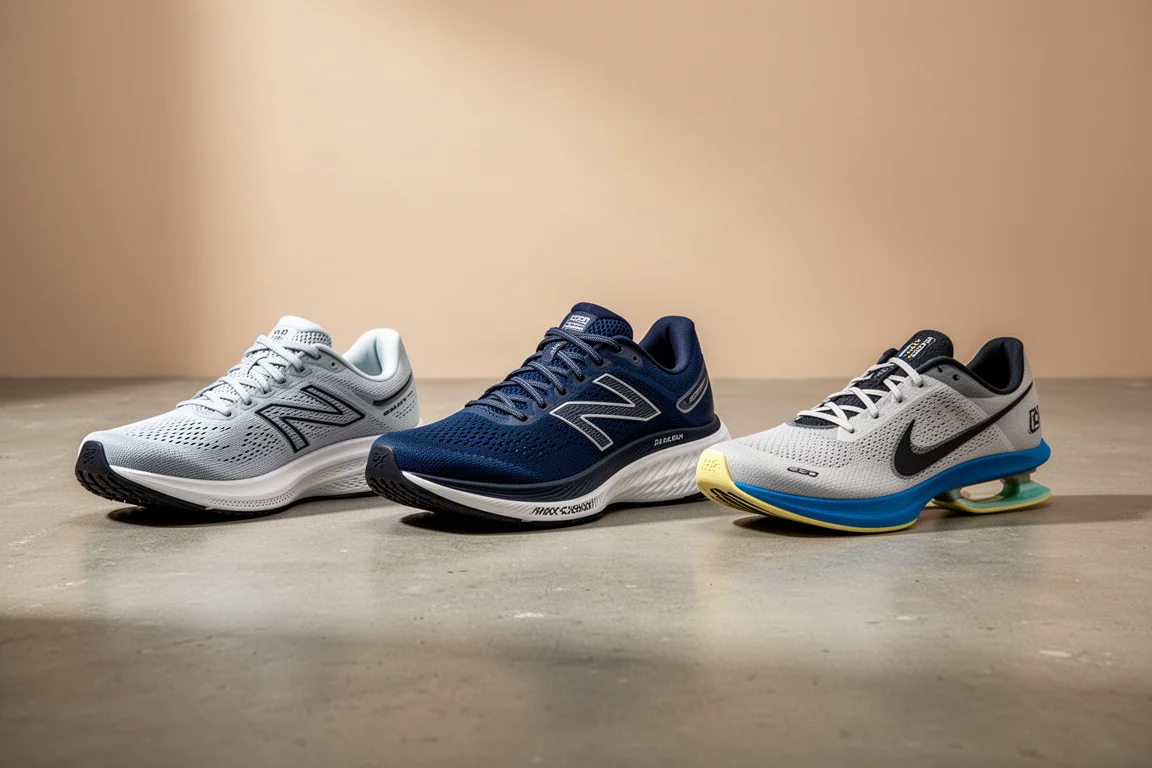
If the Rebel v3 becomes a favorite, it pairs neatly within the New Balance FuelCell family, since all of these shoes share the same midsole foam. The SC Trainer serves as the max-cushion option for long runs when you want more under the heel, while the SC Elite v3 adds a carbon fiber plate for race day. All three share similar manners and road dynamics, so switching between them feels familiar.
One caveat: for runners who absolutely love the Rebel v3, the SC Elite v3 can feel a touch too squishy as a racing shoe. In that case, pairing the Rebel v3 with the ASICS Metaspeed Sky makes sense. It steps outside the New Balance family, but the mechanics of the two shoes complement each other nicely.
Buying Advice
Choose the Rebel v3 if you want a lightweight, low-to-the-ground daily trainer that still has enough cushion for long runs and enough snap for faster sessions. It is durable, comfortable for hours of wear, and at $130, priced competitively against the Mach 5 and Novablast 3. If extra cushioning for marathon training matters most, the Novablast 3 is the stronger pick; if you want a slightly bigger, plusher all-rounder, look at the Mach 5. And if you can live with a less-loved colorway, the outlet price makes the Rebel v3 an absolute steal.
Conclusion
After 100 miles, the FuelCell Rebel v3 still delivers the things that made it a favorite: lightweight speed, a springy FuelCell ride, all-day comfort, and outsole and upper durability that match expectations for genuine daily training. It sits comfortably among the best daily trainers of its class, and the comparisons with the Mach 5 and Novablast 3 come down more to personal preference than clear superiority.
Further reading
Related Reviews

Running Shoes
Best Road-to-Trail Running Shoes: Three Versatile Options for Mixed Terrain
A practical guide to three road-to-trail running shoes that handle both pavement and mild trails, with clear strengths and trade-offs for different runner types.

Running Shoes
Best Running Shoes for Achilles Tendonitis: Three Options Explained
Three running shoes with different heel drops and support features designed to help reduce Achilles tendon pain during walking and running.

Running Shoes
Best Running Shoes for Women: Five Top Choices Ranked
A ranked guide to five women's running shoes, from versatile daily trainers to high-performance racing options, with real strengths and trade-offs for each.