Running Shoes
New Balance More v5 vs Brooks Glycerin Max: Which Max-Cushion Shoe Wins?
Two max-cushion workhorses compared on ride, fit, stability, and outsole grip to help easy-day runners pick the right one.
Introduction
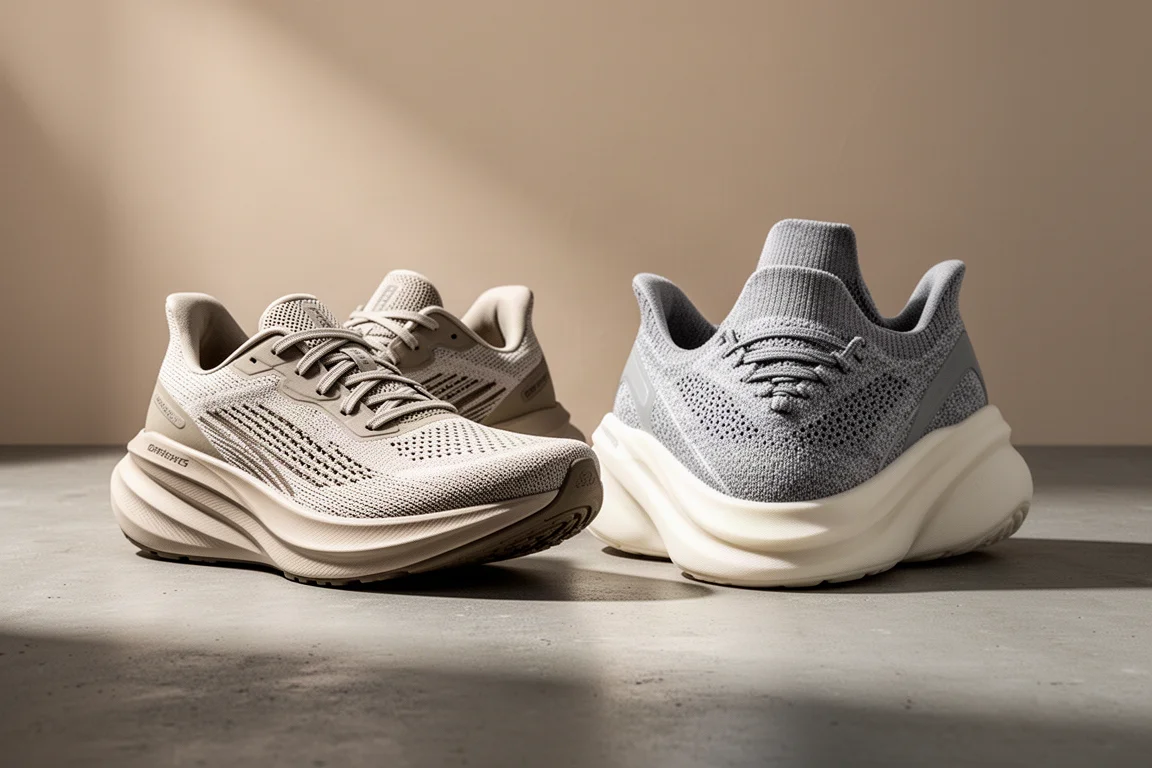
Max-cushion shoes exist for one core job: making easy runs, recovery days, and long comfortable miles feel effortless. Two of the most interesting options right now are the New Balance More v5 and the Brooks Glycerin Max. Both are firmly built around comfort, both are stable for the category, and both are surprisingly close in ride character, which makes choosing between them trickier than most comparisons.
The More v5 costs £140 or $154.99, weighs 306g (10.8oz) for men in a size 8, and has a 4mm drop. The Brooks Glycerin Max costs £180 or $200, weighs 313g (11oz) in the same size, and has a 6mm drop. On paper they are near twins. In practice, the differences come down to softness, energy return, and outsole grip.
How We Looked at Them
Both shoes were tested across easy runs, longer sessions at a comfortable pace, and even an interval session to probe their limits, with roughly 70k logged in the More v5 and around 7k in the Glycerin Max. The key areas: midsole softness and balance, stability, fit and comfort, outsole durability and grip, and how each shoe handles consistent efforts up to marathon-pace training.
New Balance More v5
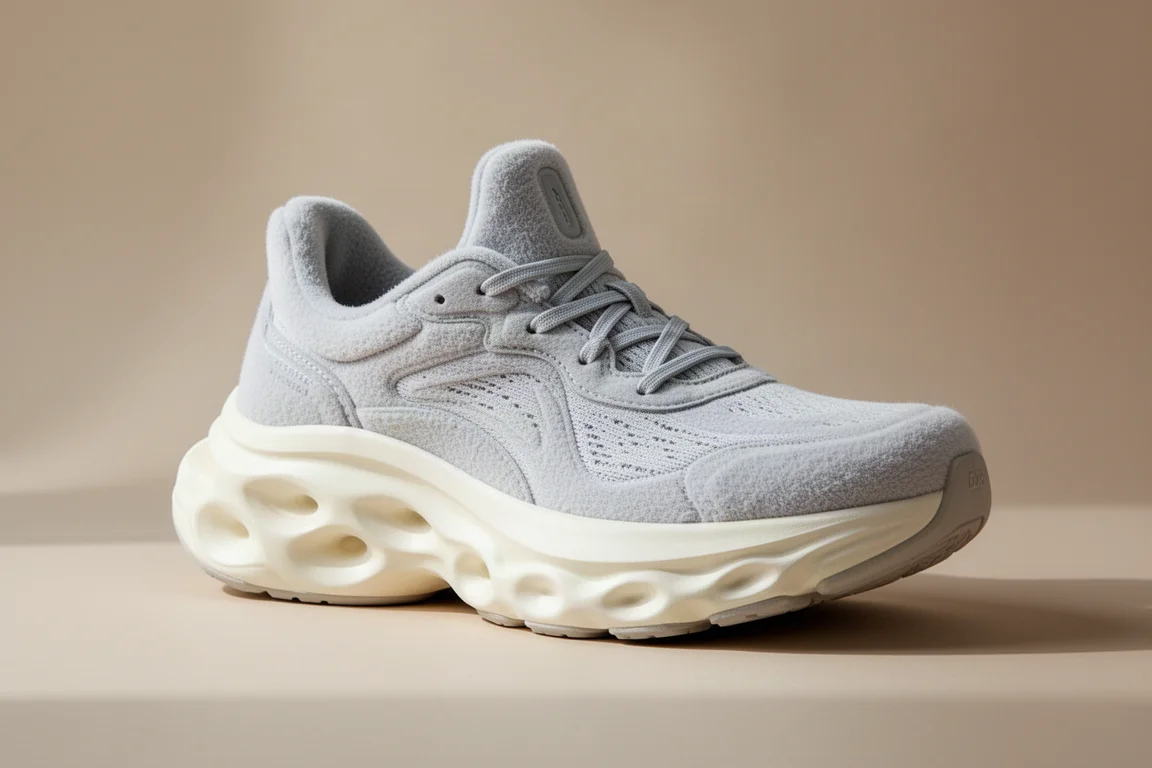
The fifth version of New Balance’s max-cushion shoe brings a new midsole foam, the same soft compound used in the 1080 v13, paired with a slightly increased stack height. Because there is more foam underfoot, the More v5 feels a little denser than the 1080 v13, so it does not squish as much. The result is a ride very similar to the beloved More v4, but with a touch more bounce and softness, without going so far that fans of the v4 would feel alienated.
There is a noticeably wide base for plenty of stability, updates to the engineered mesh upper for better breathability, more padding around the ankle collar and tongue, and an outsole overhaul with less rubber coverage that leaves some midsole exposed. Three width options are available.
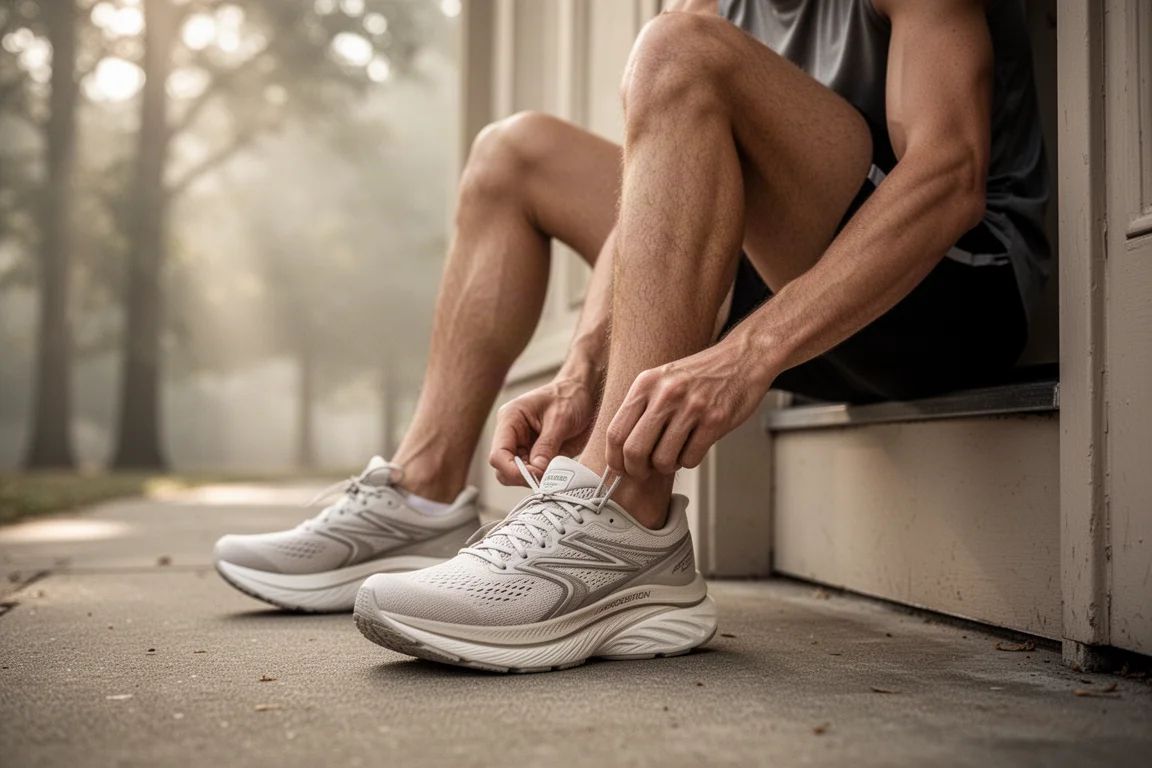
In testing, around 70k across a range of runs, the More v5 impressed as a genuinely comfortable shoe with a smooth turnover. It is slightly softer than the Glycerin Max, which makes it the better pick of the two for pure easy runs, and its foam offers a bit more energy return, which showed even in an interval session. Despite the exposed midsole sections, there were no signs of durability issues on rough ground.
Brooks Glycerin Max
The Glycerin Max takes the fundamentals of the popular Glycerin line and beefs up the midsole with Brooks’s newest foam, DNA Tuned, made with nitrogen-infused cell technology. Large cells in the heel provide soft, comfortable landings, while smaller cells in the forefoot promote a responsive toe-off. That midsole combines with the brand’s GlideRoll rocker, which pushes the foot forward for a smooth heel-to-toe transition.
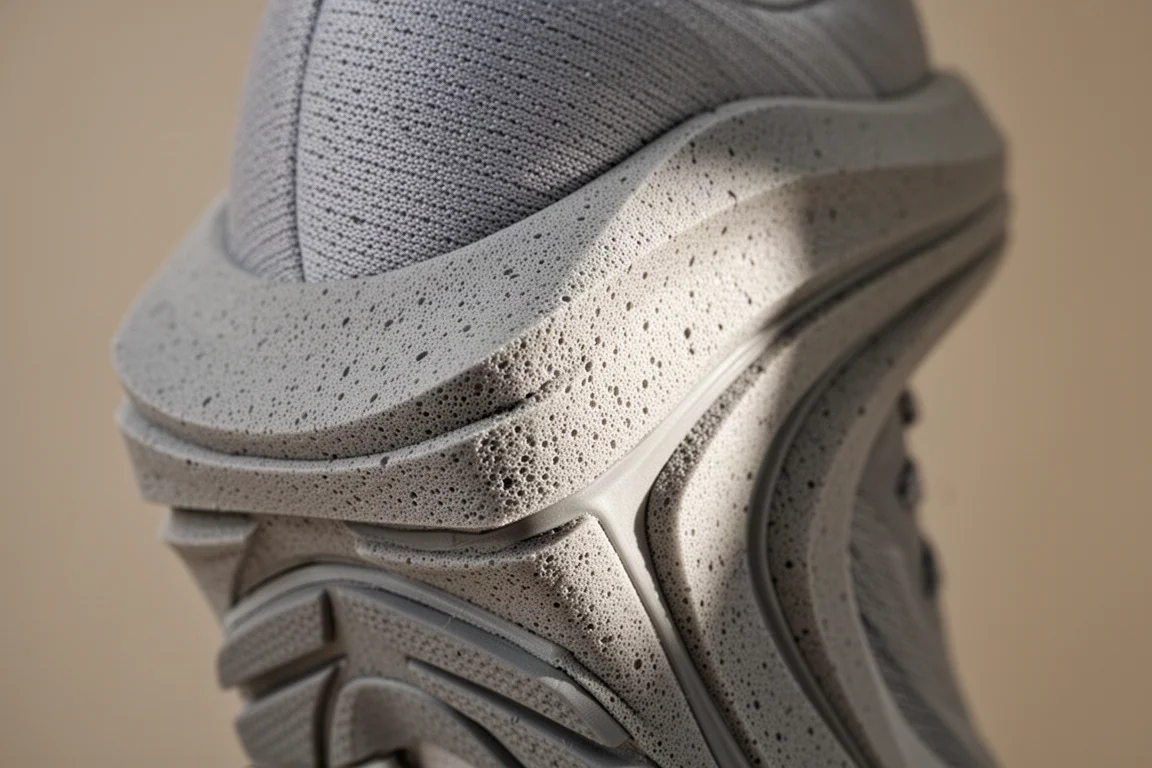
Where this shoe stands out is balance. It is not the softest midsole out there, which makes it an accessible max-cushion shoe rather than one that saps your effort. The wide base keeps it stable, avoiding the wobbly feel some max-cushion shoes have, and the thick rubber outsole protects the foam and delivers strong grip on wet paths and gravel. The plush engineered mesh upper rounds out a genuinely comfortable package for a variety of runs. Its ride character is notably similar to the New Balance More v4, which is high praise in this category.
Fit and Comfort
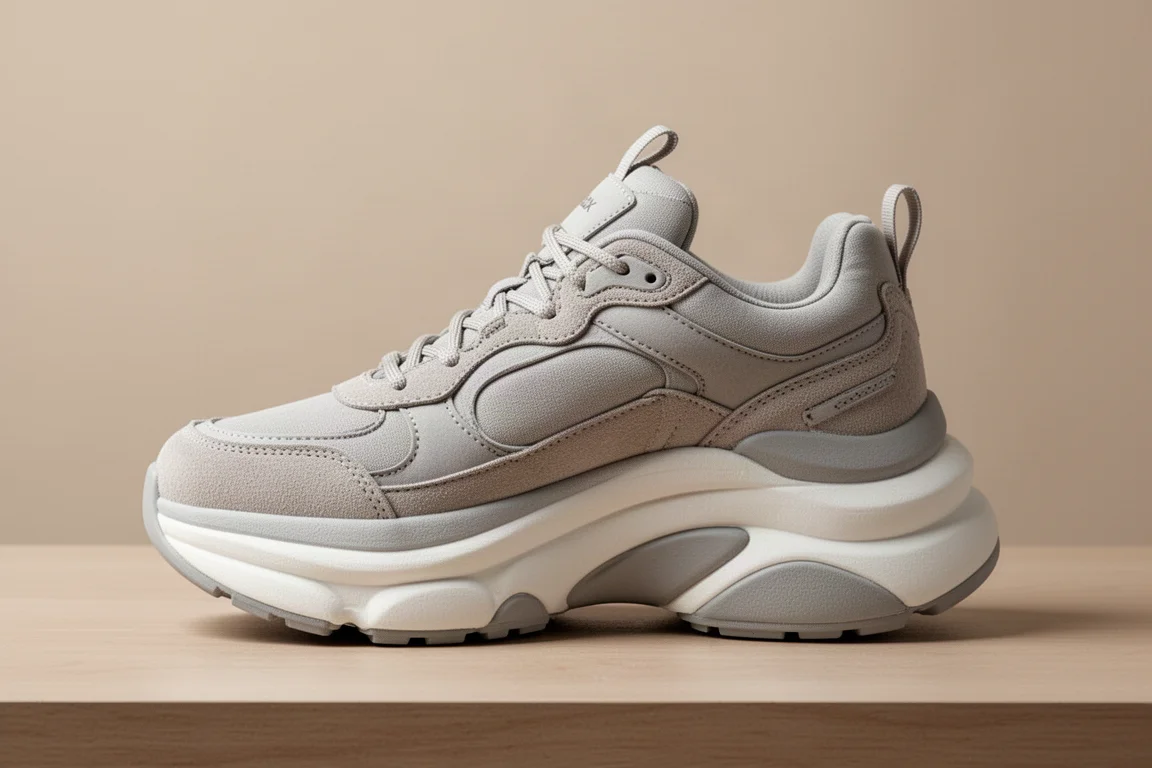
The fit in both shoes is very similar. With average-width feet and a UK size 8, there is plenty of room in the forefoot and before the big toe, with comfortable space at the side of the forefoot. Padding levels around the shoe are comparable in both, the tongue is very good, and the ankle collar has loads of padding in each.
Lockdown poses no issues in either shoe once laced up. The practical advice: stay with your usual size in both, there is no reason to size up or down.
Outsole and Grip
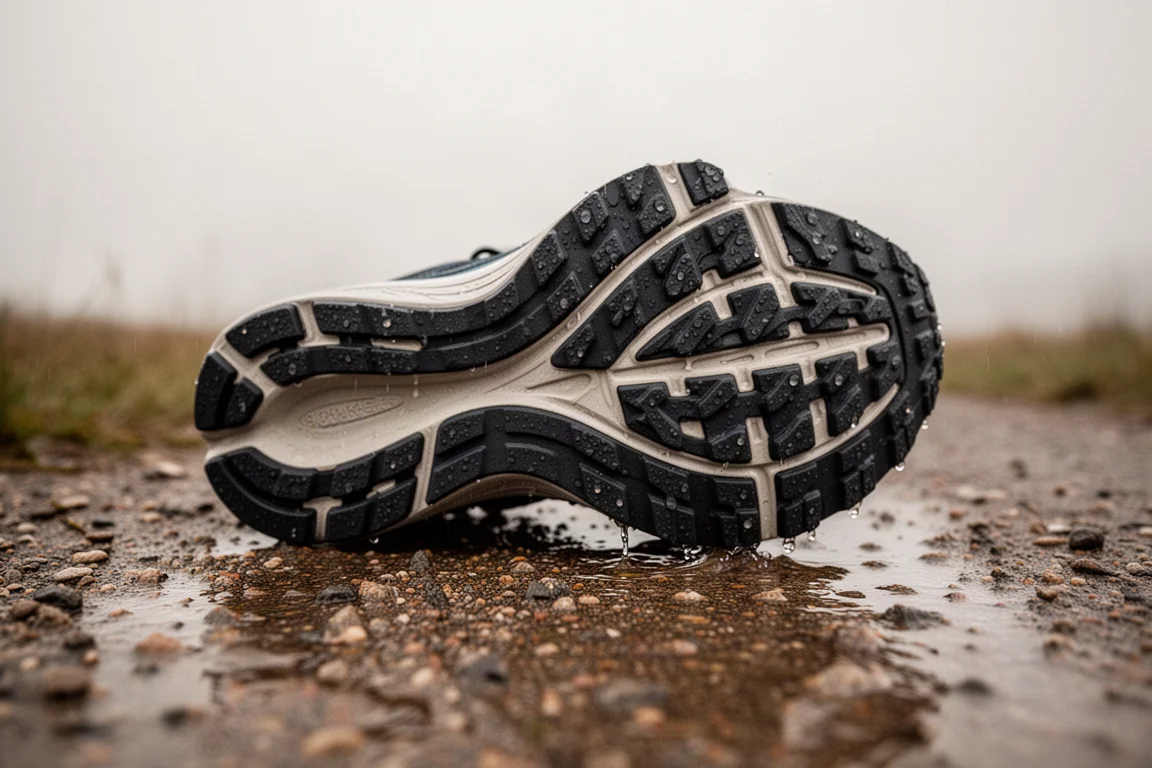
Here the Glycerin Max has a clear edge. Its full layer of thick rubber has done an excellent job on wet public footpaths and gravel, delivering a high level of grip while protecting the midsole foam. The More v5 has an acceptable layer of rubber but noticeably more exposed midsole, and it is not as grippy. That said, after 70k on some pretty bad ground, the More v5’s midsole showed no signs of durability issues even in the exposed sections, so the outsole is solid, just less sure-footed than the Brooks.
Which One Should You Buy?
Both shoes live firmly in the world of easy runs, recovery runs, and longer sessions where comfort is the priority. Neither is particularly versatile, and neither is designed for fast intervals, though the More v5 handled them a little better thanks to its extra energy return. For consistent efforts like half marathon and marathon training at a steady pace, both deliver very similar benefits.
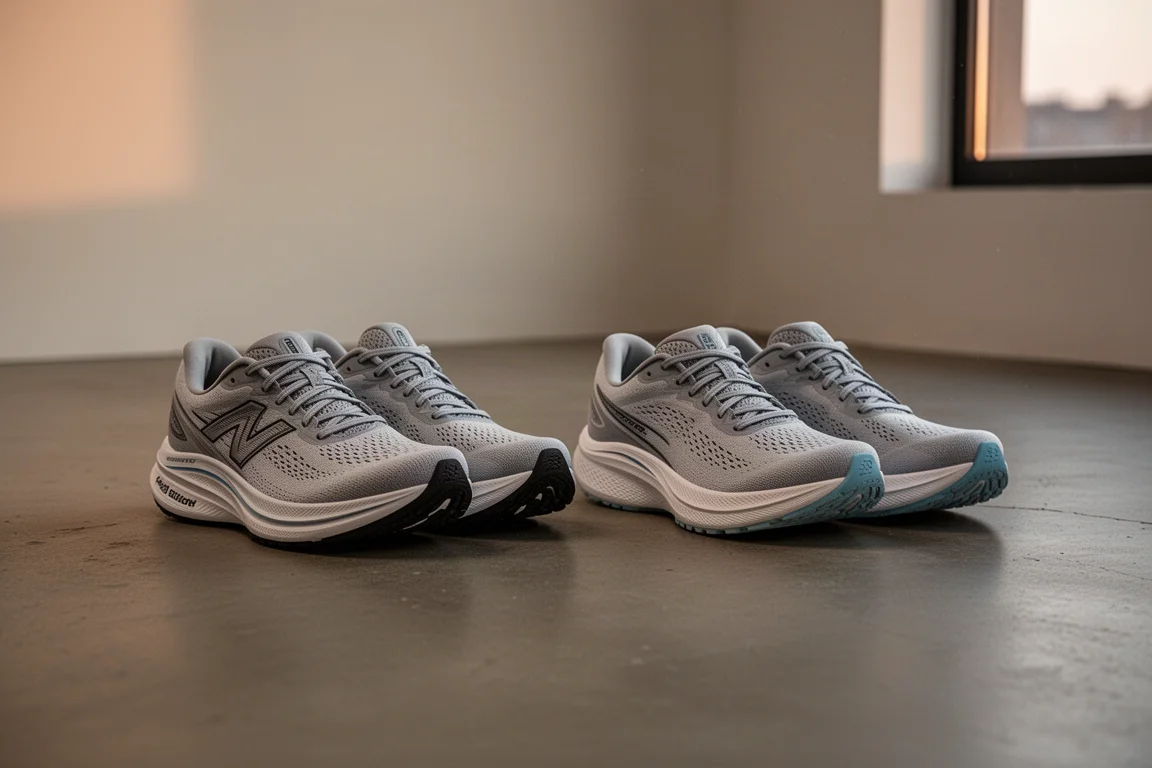
If you want the slightly softer ride and better easy-run feel, the More v5 is the pick, and it is cheaper too. If you prefer a more balanced midsole that is a touch firmer, plus clearly superior outsole grip, the Glycerin Max earns its place. Both are stable, both are very comfortable, and both do the max-cushion job properly.
Conclusion
This is one of the closer head-to-heads you will find in the max-cushion category. The New Balance More v5 edges it on softness, easy-run comfort, energy return, and price, making it the overall recommendation. The Brooks Glycerin Max remains a fantastic alternative for runners who want a slightly firmer, more balanced midsole and the best grip of the two. Either way, if comfort-led cushioning is what you are after, both are easy shoes to be happy with.
Further reading
Related Reviews

Running Shoes
Best Road-to-Trail Running Shoes: Three Versatile Options for Mixed Terrain
A practical guide to three road-to-trail running shoes that handle both pavement and mild trails, with clear strengths and trade-offs for different runner types.

Running Shoes
Best Running Shoes for Achilles Tendonitis: Three Options Explained
Three running shoes with different heel drops and support features designed to help reduce Achilles tendon pain during walking and running.

Running Shoes
Best Running Shoes for Women: Five Top Choices Ranked
A ranked guide to five women's running shoes, from versatile daily trainers to high-performance racing options, with real strengths and trade-offs for each.