Running Shoes
New Balance Fresh Foam More v3 vs Asics Novablast 2: Two Cushioned Trainers, Two Very Different Ideas
Both are heavily cushioned daily trainers, but one is built purely for comfort while the other adds genuine versatility. Here is how they compare.
Introduction
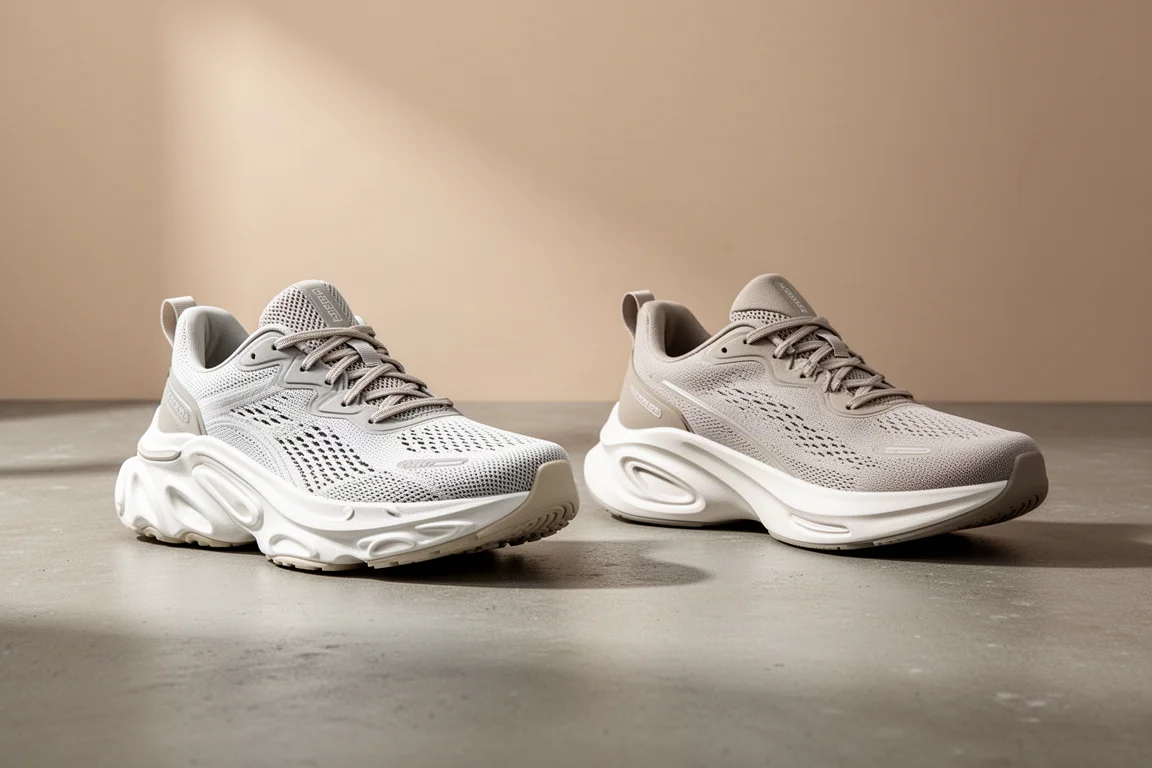
Cushioned trainers come in two flavours: those built purely to deaden impact, and those that also want to do a bit of everything. That is exactly what separates the New Balance Fresh Foam More v3 from the Asics Novablast 2. Both sit in the same comfort-first category, but after putting real mileage into both, the differences become obvious quickly.
Here is how they stack up on paper:
- New Balance Fresh Foam More v3: $164.99, 288g / 10.2oz (men), 4mm drop
- Asics Novablast 2: $130, 275g / 9.7oz (men), 8mm drop
Fit and Sizing
The More v3 is a very comfortable shoe, and that comfort runs from the midsole all the way through the upper. It fits completely true to size, with a little wiggle room around the front and midsection of the foot, so it never feels restrictive. The upper is plush and heavily padded, keeping the foot nicely in place.
The Novablast 2 also fits true to size, but with caveats. It feels fairly narrow, yet also somewhat long, with noticeable space at the top of the shoe. The temptation is to size up, but in practice the narrowness would become uncomfortable, so staying true to size is the safer call.
The Run Test
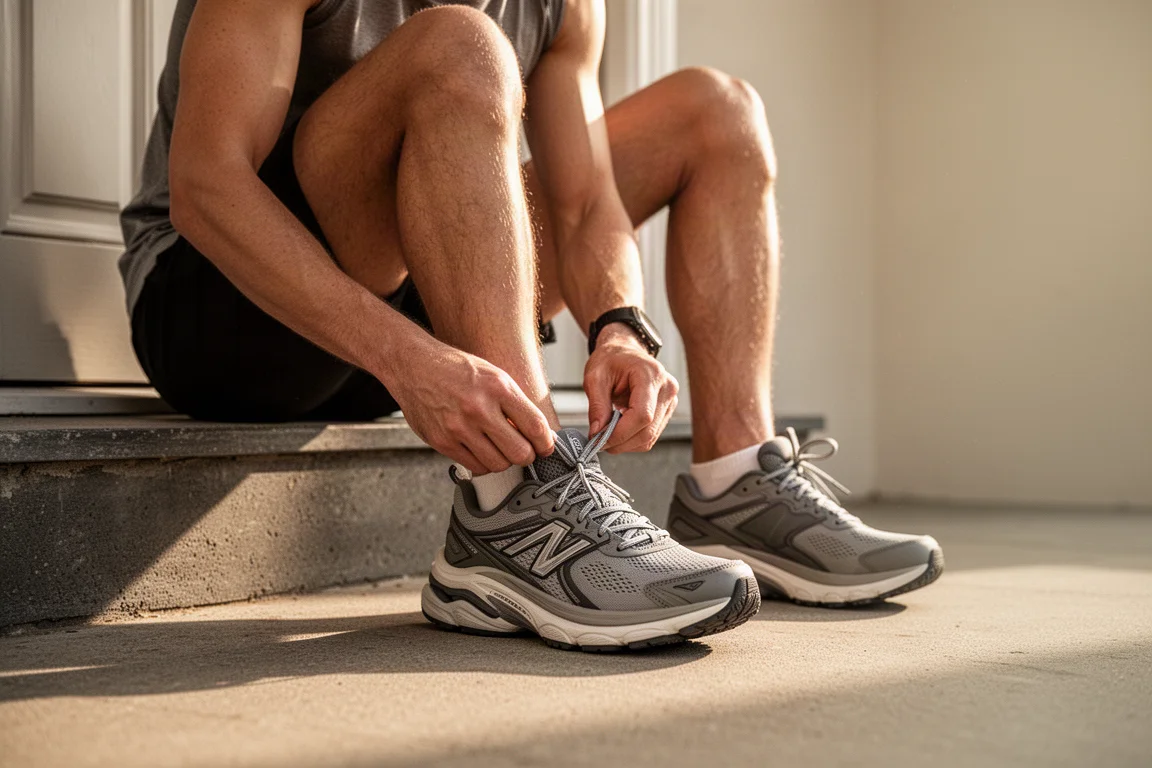
The More v3 is a shoe completely designed for cushioning and comfort, and it does that job superbly. It is built for long, comfortable daily miles where you want a shoe that absorbs everything your legs would otherwise feel. After around 70 kilometers, it has become the go-to for easy runs where the only goal is clocking up distance comfortably. It is an absolute dream at those slower paces.
It is not, however, a versatile shoe. It is a bit hefty and somewhat clunky, and it is not designed for going fast. Once you try to pick up the pace, the limitations are obvious. It is a cushion shoe for comfortable miles, and that is it.
The Novablast 2 is also heavily cushioned, but it is a different kind of cushioned shoe. It handles easy miles very well, and the FF Blast midsole foam is genuinely comfortable. Crucially, it has more to it than comfort alone. The FF Blast foam is bouncier than the Fresh Foam setup in the More v3, and it feels better suited to mixed training: long slow miles are comfortable and enjoyable, but it can also handle a faster session. You can pick up the pace in it and have a genuinely speedy training run.
Midsole Foam and Ride
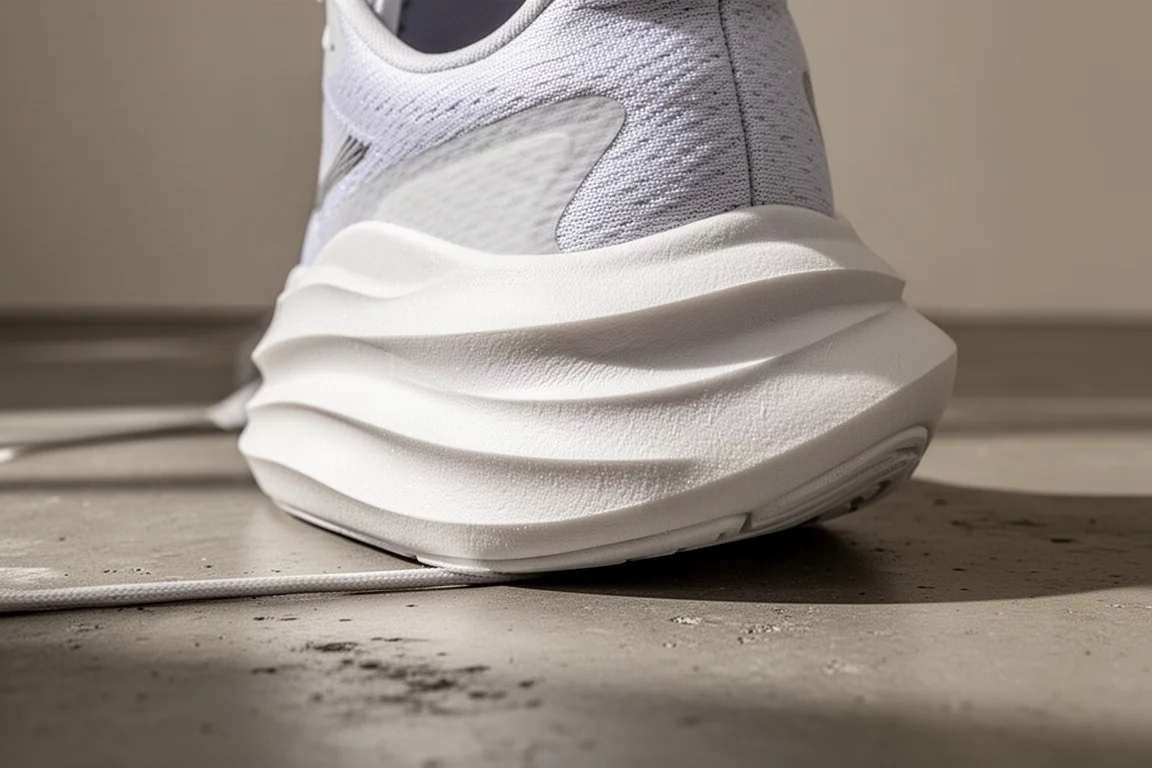
The Fresh Foam midsole in the More v3 feels soft while running, largely because there is simply so much of it. It is not a particularly soft or bouncy foam on its own; put the same foam in a lower-cushioned shoe like the 1080 v11 and it feels quite firm by comparison. With this much foam underfoot it softens up, but it is not very responsive. Its job is to deaden impact, and it does not offer much bounce or propulsion.
The FF Blast foam in the Novablast 2 is a different story. The original Novablast felt bouncy and propulsive, with real energy return, though the Novablast 2 is somewhat less lively than its predecessor. Asics widened the base to address the stability issues of the original, and that has traded away a little bounce. Even so, compared to the More v3, the Novablast 2 is significantly livelier and more propulsive.
Stability Comparison
This is where the gap between them is widest. The More v3 has a wide, chunky base that holds the foot firmly in place. Across 70 kilometers of running, it never felt wobbly in the slightest, and the plush, reinforced upper with trace fiber eyelets contributes to a locked-down, stable feel.
The Novablast 2 is better than the original Novablast for stability, but it is still not fully there. It can feel a little shaky sometimes when cornering. If you want a stable shoe as well as a comfortable one, the More v3 is the clear pick of the two.
Durability and Outsoles
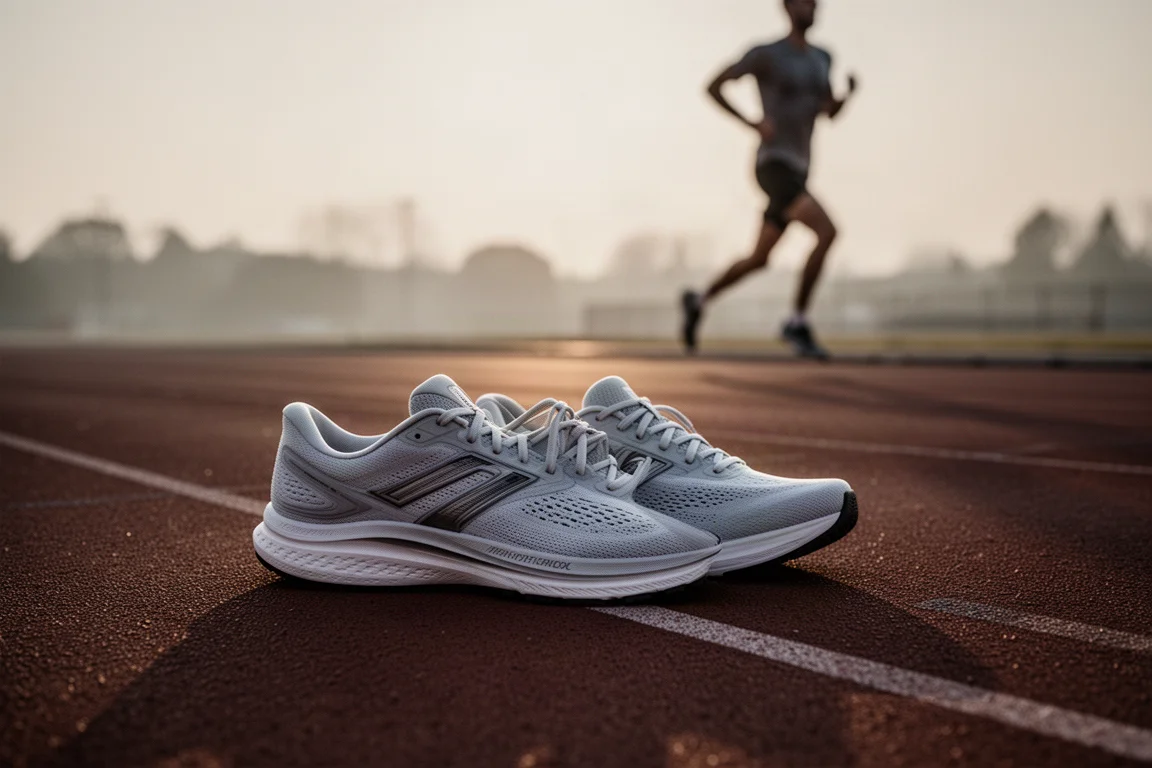
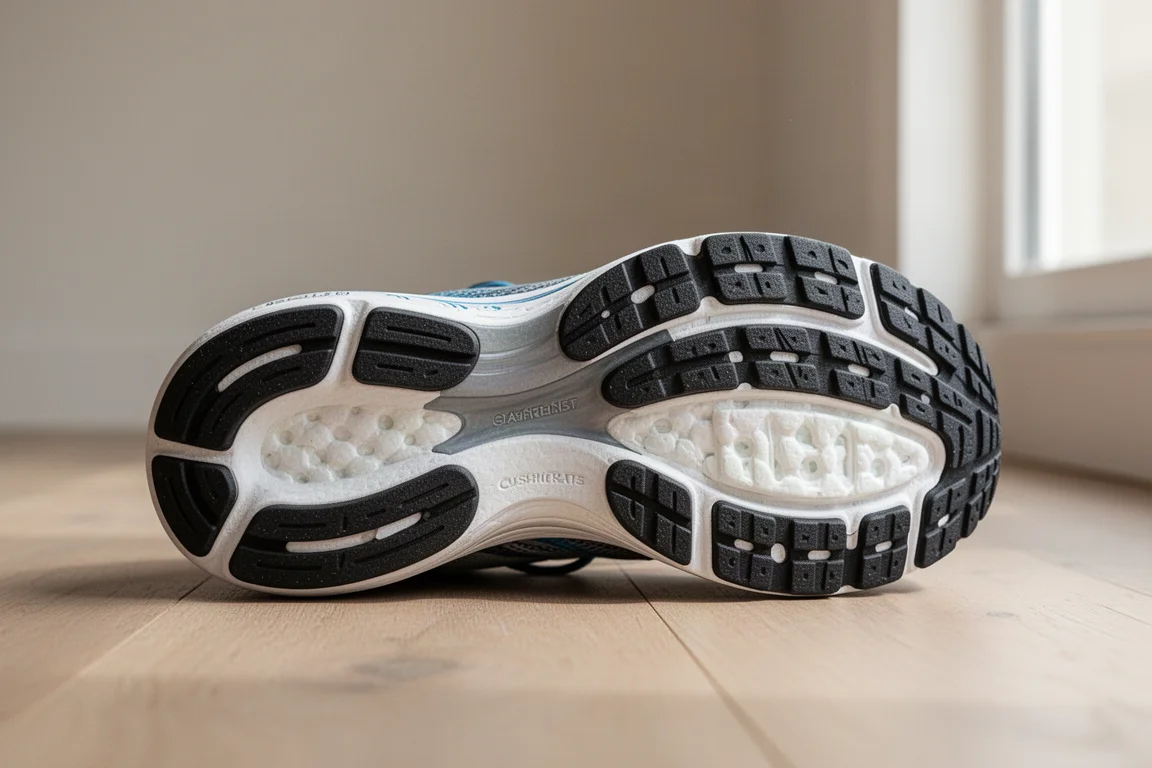
Both shoes hold up well here. The More v3 has a healthy covering of rubber on the outsole, and after roughly 70 kilometers there is very little sign of wear and tear, despite a fair amount of exposed midsole foam. It should go a long way.
The Novablast 2 is similar: a good amount of rubber that does not cover the entire midsole but protects the key areas, and after around 70 kilometers the rubber shows barely any wear, with the exposed midsole foam largely untouched outside the rubber zones.
Buying Advice
If you want a cushioned trainer purely for comfortable miles and nothing else, the More v3 is the pick every time. It does one thing and does it well: cushioning, comfort, and durability for many, many miles. It slots perfectly into the comfortable-mileage end of a rotation.
If you want one shoe to cover all of your training, the Novablast 2 is the better all-rounder. It is not as comfortable as the More v3 and the upper is not as inviting, but it handles easy miles, faster sessions, and could even take you up to race day if needed.
Conclusion
These two shoes are not really direct rivals. The Fresh Foam More v3 is a full-on cushioned shoe for slow, comfortable daily miles with excellent stability. The Novablast 2 trades a little of that comfort and stability for genuine versatility and a livelier ride. Match the shoe to the running you actually do, and both are easy to recommend.
Product link
View more details for New Balance Fresh Foam More v3
This product is mentioned in the review. Check the specifications, options, and compatibility before buying.
View more details for New Balance Fresh Foam More v3Further reading
Related Reviews

Running Shoes
Best Road-to-Trail Running Shoes: Three Versatile Options for Mixed Terrain
A practical guide to three road-to-trail running shoes that handle both pavement and mild trails, with clear strengths and trade-offs for different runner types.

Running Shoes
Best Running Shoes for Achilles Tendonitis: Three Options Explained
Three running shoes with different heel drops and support features designed to help reduce Achilles tendon pain during walking and running.

Running Shoes
Best Running Shoes for Women: Five Top Choices Ranked
A ranked guide to five women's running shoes, from versatile daily trainers to high-performance racing options, with real strengths and trade-offs for each.