Trail Running Shoes
New Balance Hierro V8 vs Hierro V8 GTX: Comfort-First Trail Shoes Compared
A close look at the New Balance Hierro V8 and Hierro V8 GTX, two comfort-focused trail shoes for easy trails, mixed road use, and wet-weather walking.
Introduction
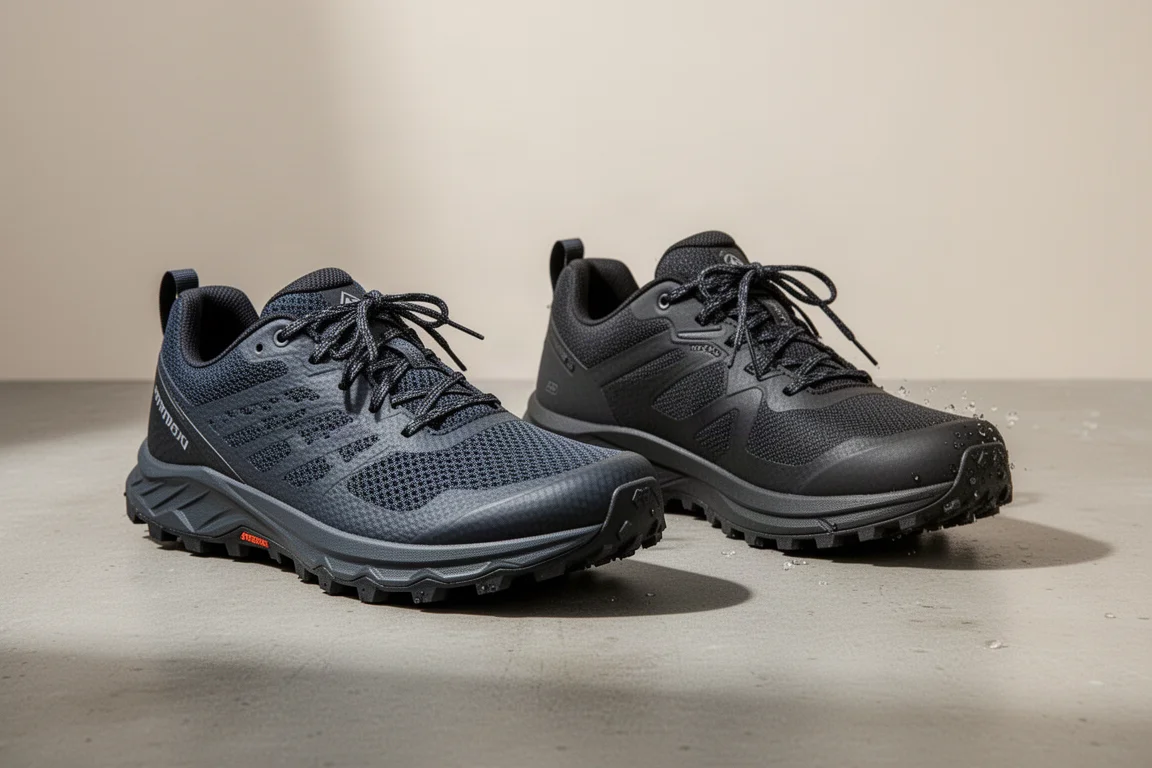
The New Balance Hierro V8 and Hierro V8 GTX are trail shoes built around one idea: comfort first. They are designed for ticking off miles on lighter trails with a good balance of comfort, stability, and grip, in the same accessible spirit as New Balance’s 1080 road range. Neither is a performance shoe for fast running or technical terrain, and that positioning is worth understanding before you buy.
In this comparison we break down what each version offers, how they differ, and which one suits the way you actually run or walk.
First Impressions and Fit
Fit is where both shoes genuinely deliver. In UK size 8, both fit as expected with plenty of space in the forefoot and room at the toe, plus generous padding throughout. The standard version’s upper is very comfortable, and the GTX version fits exactly the same despite its denser material. The one trade-off: the GTX upper is a little less breathable.
Both shoes are true to size, and they cross over nicely into everyday use. They are comfortable enough to serve purely as a walking shoe over fields and public footpaths, which is exactly the kind of versatility the Hierro line is aiming for.

Design and Ride Feel
The midsole uses a modified version of Fresh Foam X, the foam New Balance uses across many of its road and trail shoes. In this iteration it is slightly softer than the previous version to improve the ride. The outsole gets a healthy layer of Vibram rubber to protect the midsole and improve grip, with 4 mm lugs aimed at lighter trails. The upper is a breathable, lightweight, close-knit engineered mesh that protects the feet from off-road obstructions without unnecessary bulk.
The V8 is a real improvement over earlier Hierro versions. Previous iterations could feel clunky, and on long runs you really noticed how much shoe you had on your feet. This version feels lighter on the foot, with more softness in the midsole and more comfort overall. It leans slightly more toward genuine training use than before.
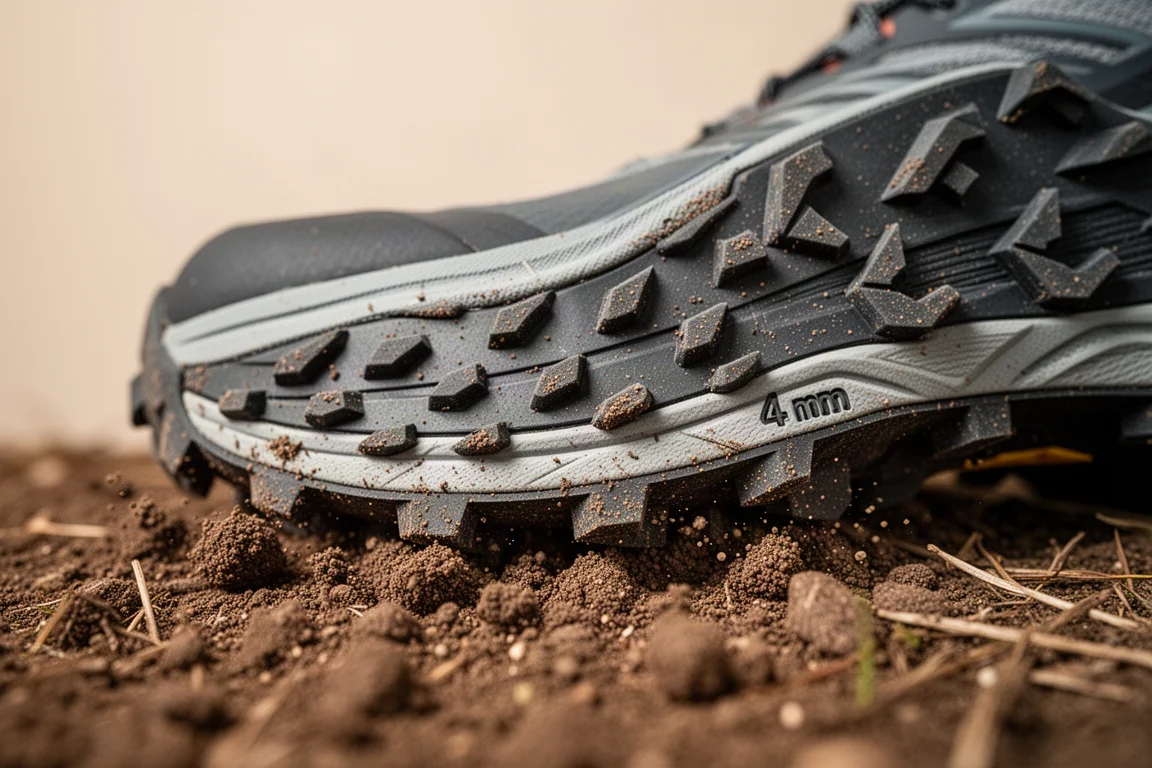
That said, it is still not a versatile shoe for mixed speeds. On the hills it felt okay and comfortable, but the outsole is not great in muddy terrain, and it feels relatively clunky when trying to run fast or uphill at pace. The sweet spot is easy terrain: public footpaths, forest paths, and fairly hard compacted ground, where the shoe works like an upgraded road shoe with extra traction, protection, and toe coverage. It is also perfectly usable on the road, and many owners happily run part-road in it.
New Balance Hierro V8: Specs and Verdict
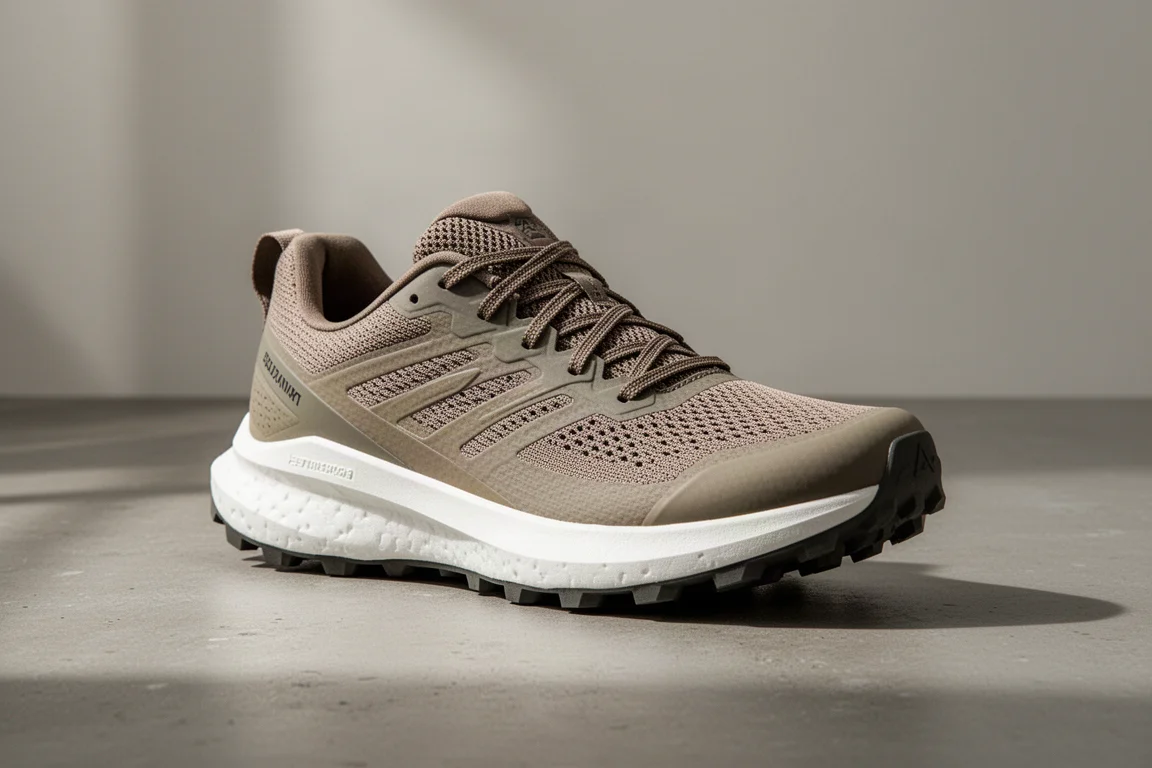
The standard Hierro V8 costs £140 or $149.99, weighs 283 g (10 oz) for men in size 8, and has a 6 mm drop. The upper is the breathable close-knit engineered mesh, and the ride is the softer, more comfortable one that makes this generation worth a second look if earlier Hierros put you off.
It is a solid, very comfortable lighter-trail shoe: not designed for speed, not designed for anything technical, but genuinely good for easy footpaths, fields, and road-to-trail use.
New Balance Hierro V8 GTX: Built for Wet Conditions
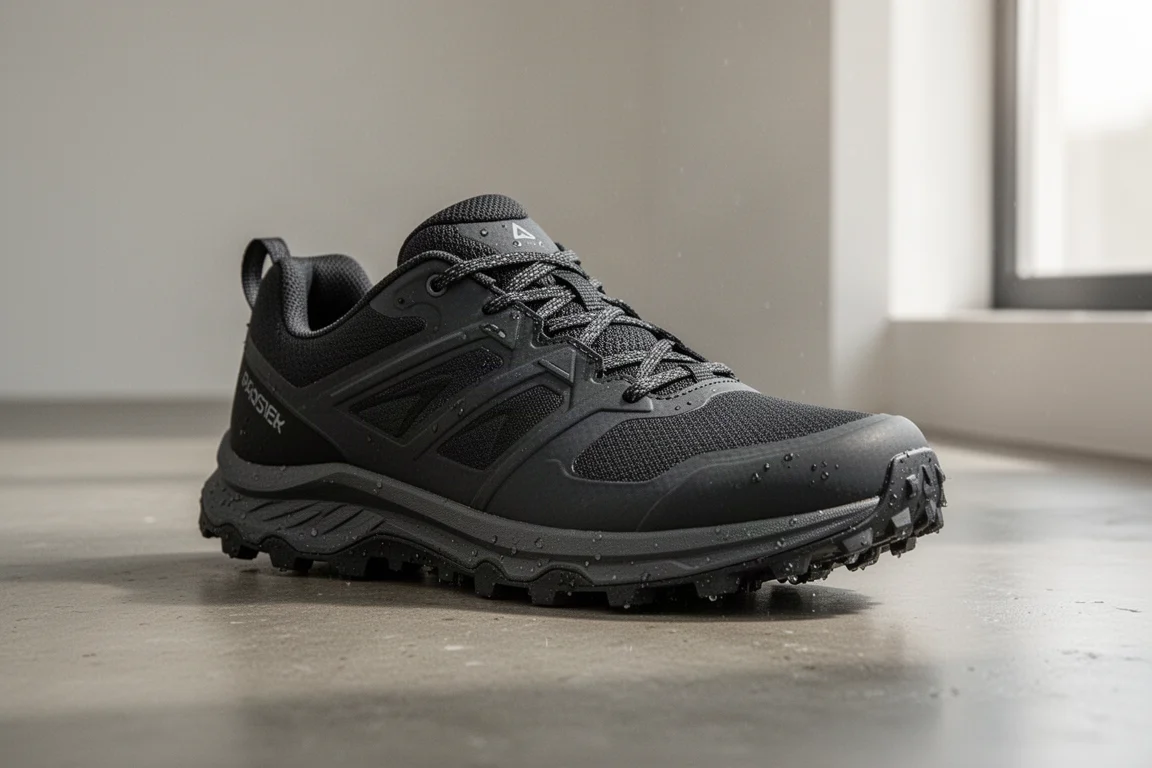
The GTX version costs £160 or $169.99, weighs 303 g (10.7 oz) for men in size 8, and keeps the same 6 mm drop. The difference is a new weatherproof upper designed to protect the feet from wind, rain, and water while maintaining a reasonable level of breathability.
Beyond the upper, the two shoes are almost identical. The GTX is a bit heavier because of the thicker upper, but the ride and the outsole feel very similar.

A practical caution applies to any waterproof trail shoe, and it holds here: if you run in shorts and it rains, water still gets in over the top, and the reduced breathability makes it harder to dry out. Stepping straight into a deep puddle also negates the benefit entirely. The GTX earns its keep when water stays below the ankle line: running along fields or paths with light mud and surface wet, or for walkers out in dewy mornings who want dry socks and warm feet.
Which One Should You Buy?
If you regularly run or walk on wet paths and fields and your main concern is keeping your feet dry from dew and surface moisture, the GTX is a sensible choice. For most runners, though, the standard version is the easier recommendation: it is lighter, more breathable, and cheaper, and the waterproof upper only pays off in a narrow set of conditions.
If you want a shoe for technical running, boggy hillsides, rocky mountain ground, or serious mud, neither version is the right tool. The outsole’s lugs are not deep or aggressive enough, and the shoe will get slippery in genuinely wet, rough terrain. For that kind of use, alternatives like the Saucony Peregrine range or the Hoka Speedgoat range offer similar comfort and road-to-trail accessibility but with noticeably more capability on technical terrain and when running faster.

Conclusion
The New Balance Hierro V8 and V8 GTX are solid general-use trail shoes for riders who want a road-like ride off the pavement. The standard V8 is a big improvement over earlier versions, more comfortable, softer underfoot, and lighter in feel, while the GTX adds weather protection for dewy fields and damp paths at the cost of some weight and breathability. If your running lives on light footpaths and forest trails, either will serve you well; just match the upper to how wet your routes actually get.
Further reading
Related Reviews
Trail Running Shoes
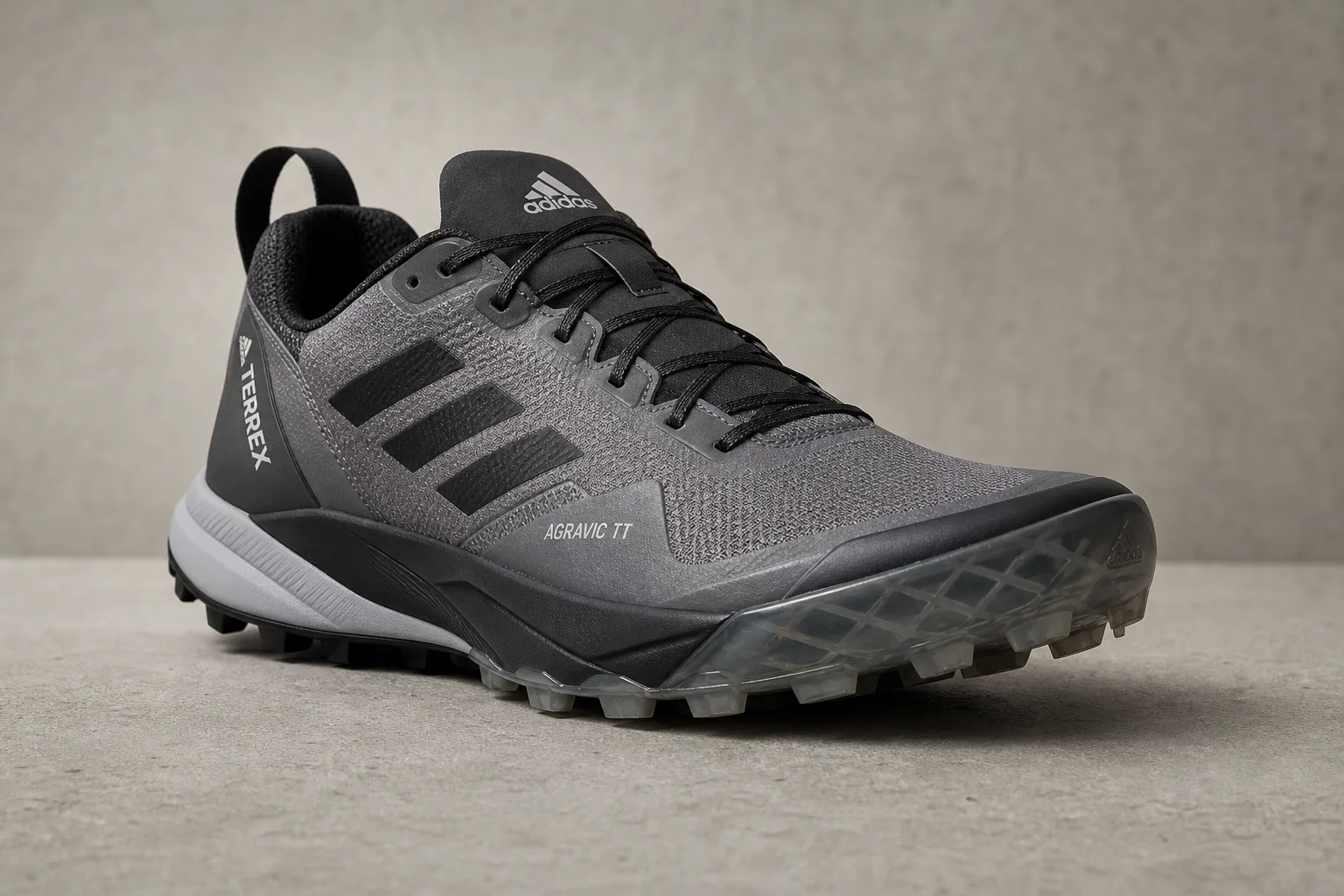
Adidas Terrex Agravic TT Review: A Technical Trail Shoe Built for Rocky Terrain
The Adidas Terrex Agravic TT combines a full-coverage rock plate with a firmer midsole to deliver protection and stability on technical, rocky trails. A capable choice for runners who prioritize underfoot defense over lightweight cushioning.
Trail Running Shoes
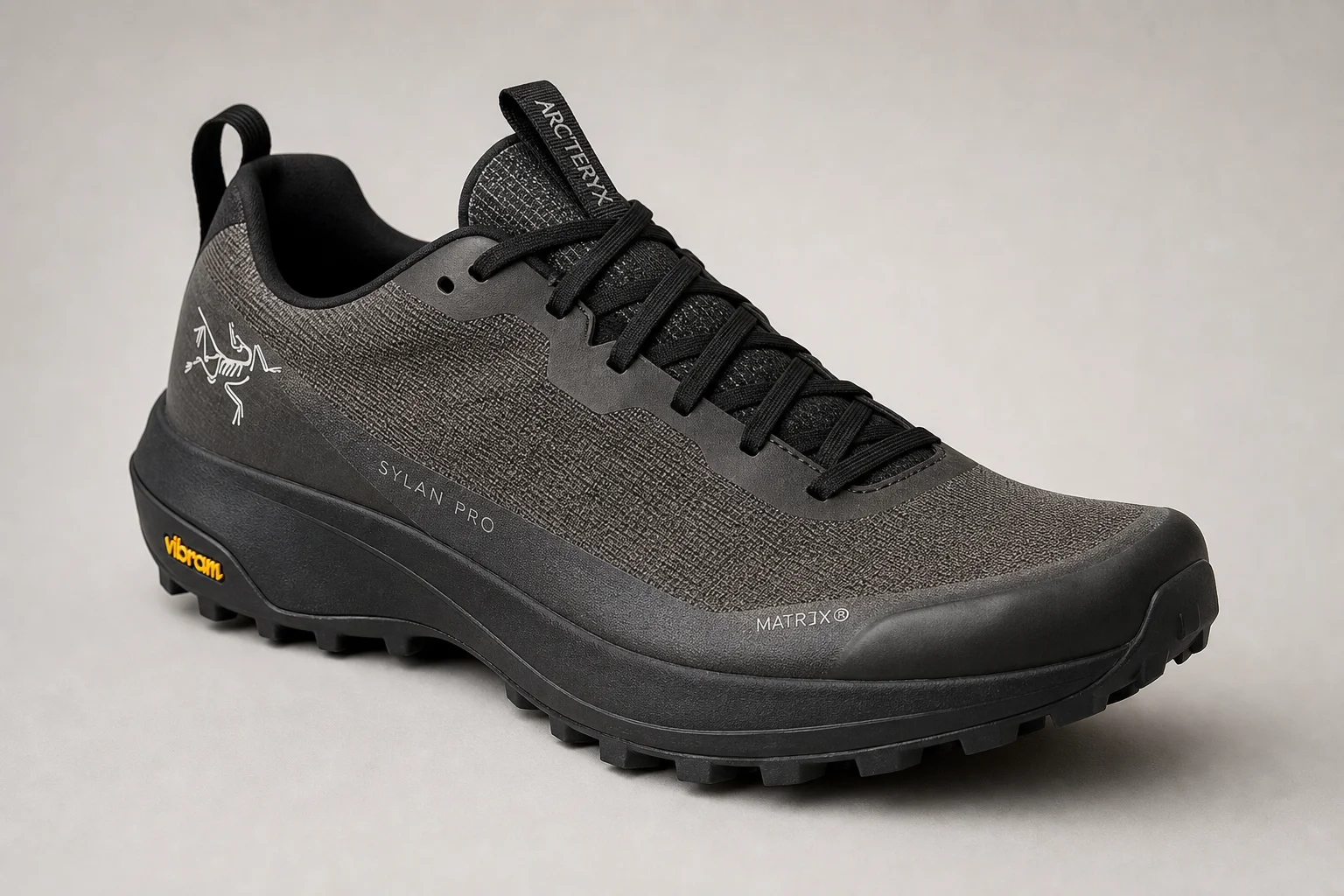
Arc'teryx Sylan Pro Review: A Rocker-Focused Mountain Running Shoe Tested on 20 Miles
The Arc'teryx Sylan Pro brings a pronounced rocker geometry and secure fit to mountain terrain. We tested it on a 20-mile Sawtooth loop to evaluate its climbing efficiency, protection, and handling of technical descents.
Trail Running Shoes
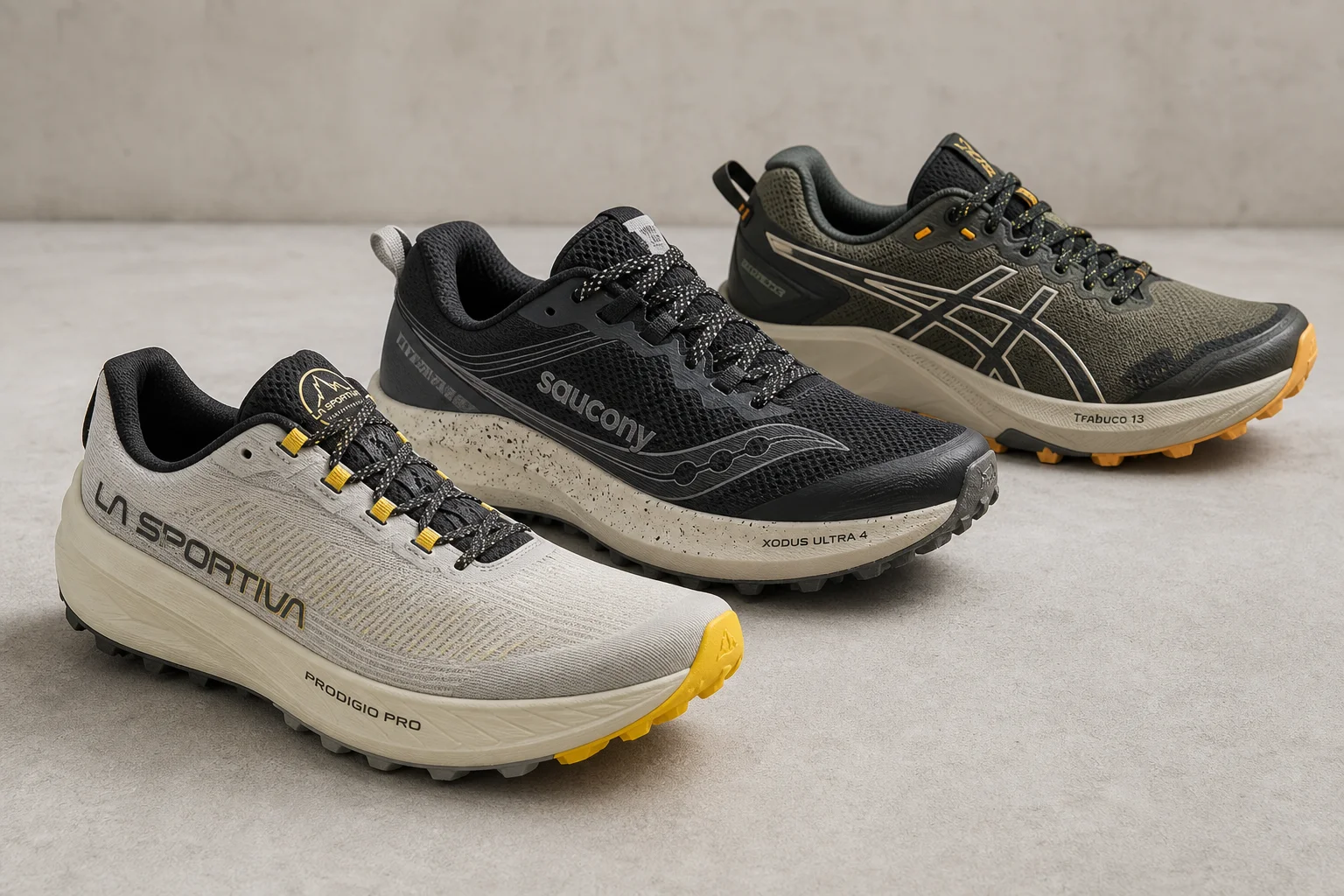
Best All-Mountain Trail Running Shoes: Three Versatile Options for Any Trail
A focused roundup of three all-mountain trail running shoes that handle technical terrain, long distances, and variable conditions with real strengths and practical trade-offs.