Running Shoes
New Balance FuelCell SuperComp Trainer v3 vs v4: Which One Should You Buy?
Two versions of the same people's marathon trainer, one on deep discount and one $20 more expensive. Here is how they differ and which fits your feet and riding style.
Introduction
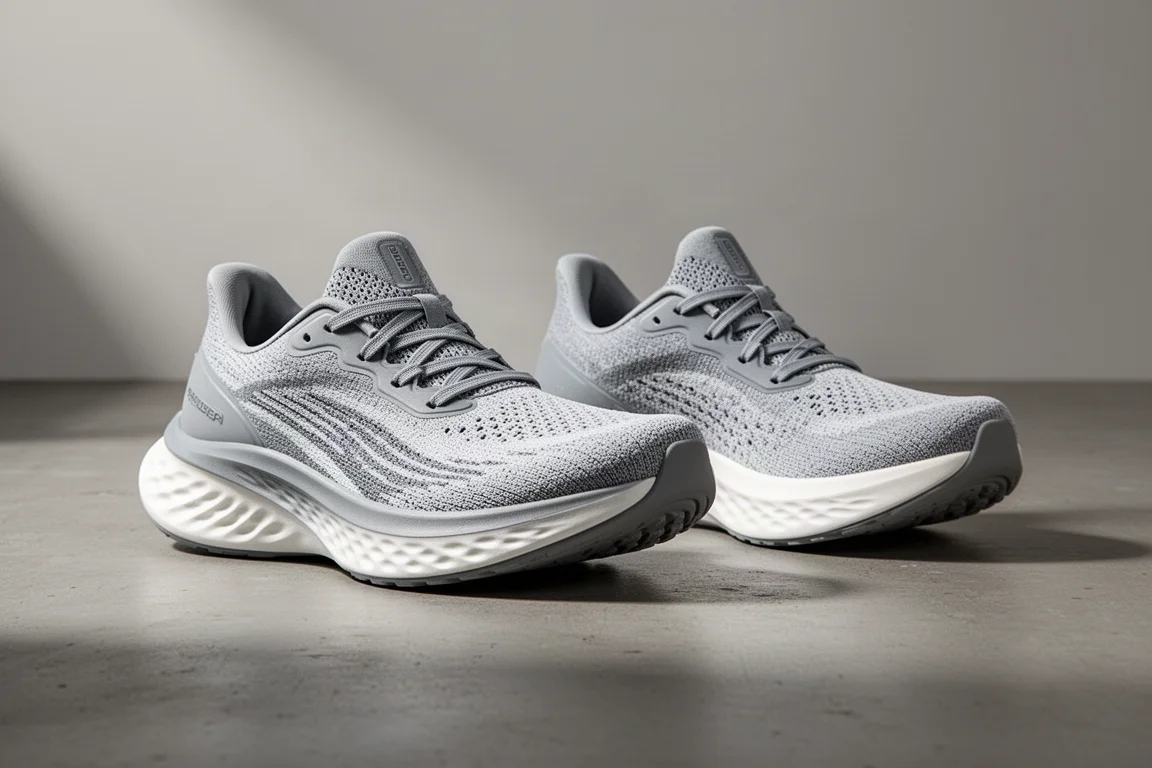
The New Balance FuelCell SuperComp Trainer has built a reputation as something of a people’s marathon racer: a super shoe with a carbon plate and soft foam that works best at long run, easy run, and marathon-pace efforts rather than flat-out speedwork. With version 4 now on shelves at around $250 and version 3 heavily discounted in many places, the practical question is simple: should you grab the newest release, or save money on the outgoing one?
The answer depends on your feet, your pace targets, and how much stability you like underfoot. Here is how the two versions compare.
Specs and Shared DNA
In a men’s size 9 (unisex sizing, with women’s sizes available), version 3 weighs 7.6 oz (230 g) and version 4 weighs 8.1 oz (230 g listed for the same unisex reference). Version 4 is a touch heavier on the scale. The stack heights are identical: 40 mm in the heel, 36 mm in the forefoot, for a 4 mm drop.

Beyond the numbers, almost everything has been touched. Version 4 uses more true PEBA-style foam in the midsole and a revised upper, while keeping similar geometry. What has not changed is the core identity: both are marathon-distance trainers with stiff carbon fiber plates offset by soft foam, and neither is super aggressive.
Ride Feel: Responsiveness and Stability
Version 4 is the more responsive of the two. Its bouncier foam gives it more snap, and it can be pushed a bit further into faster efforts. Version 3 felt best at long-run paces; pushing it toward half marathon effort made it struggle. If you want a ride that responds when you pick up the pace, version 4 is the better pick.
Neither shoe is flexible, thanks to the stiff carbon plates, and neither shines at really fast runs. Both are at their best for long runs, easy runs, and marathon-paced efforts. Geometry is fairly smooth on both, with a nice toe-off.
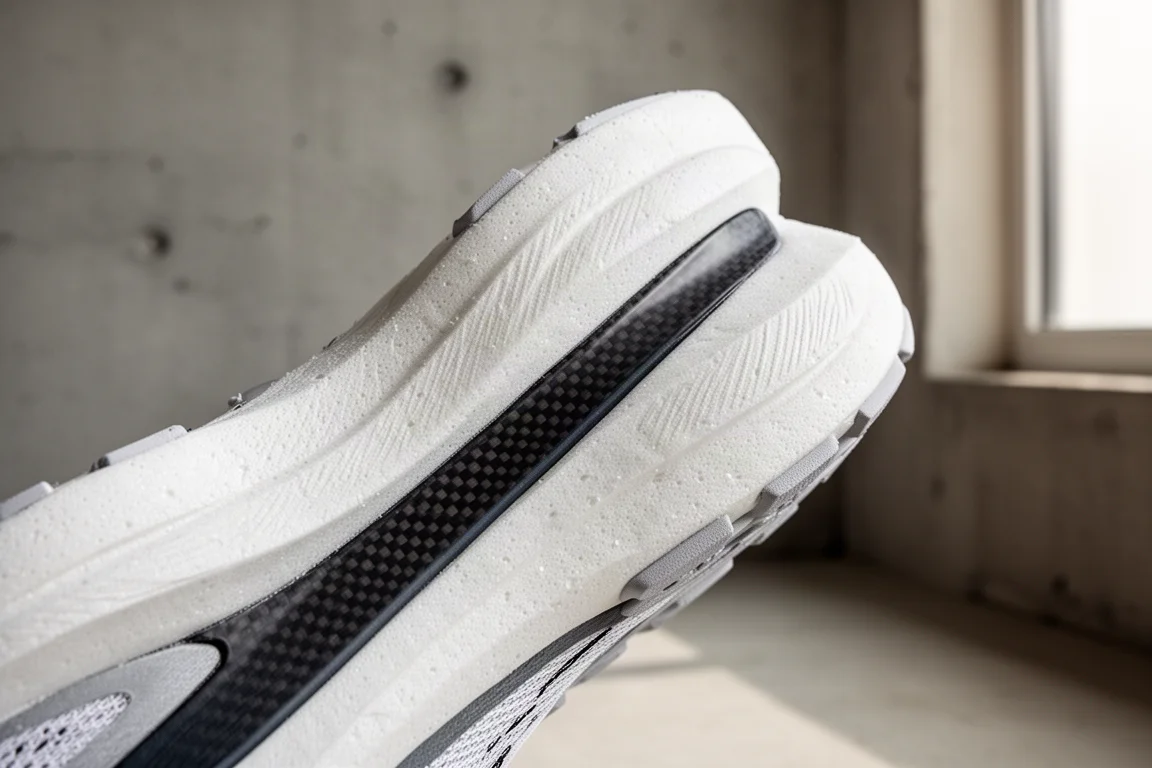
Stability is where the two diverge most. Version 3 has a noticeable midfoot gap, large sidewalls, and a very soft sole that makes you feel like you are sinking in, yet the combination keeps your foot oddly centered. Version 4 has a much less noticeable midfoot gap and smaller sidewalls. If you like those large sidewalls, version 3 may suit you better; if you do not, version 4 is the one to look at.
One shared warning: both shoes are super soft, and long runs in either left hips noticeably worked and tired. The foot may feel fine, but unless you have an overall stable lower extremity, expect your hips to do extra work. These are neutral shoes, not stability shoes.
Fit, Uppers, and Orthotics
The uppers are very different. Version 3 is extremely high volume and wide, with a lot of stretch. That makes it hard to lock down and caused hot spots and rubbing, but if you have a high-volume or wide foot and need the room, it works really well. Version 4 still has more room than average but with a more traditional, streamlined fit that holds better, with just a touch more length-wise room than typical. Both come in wide widths.
Both heels are rounded with a slightly flexible heel counter, so if you have heel issues that demand structure, these may feel too soft. For most people, the rounded heel performs well.
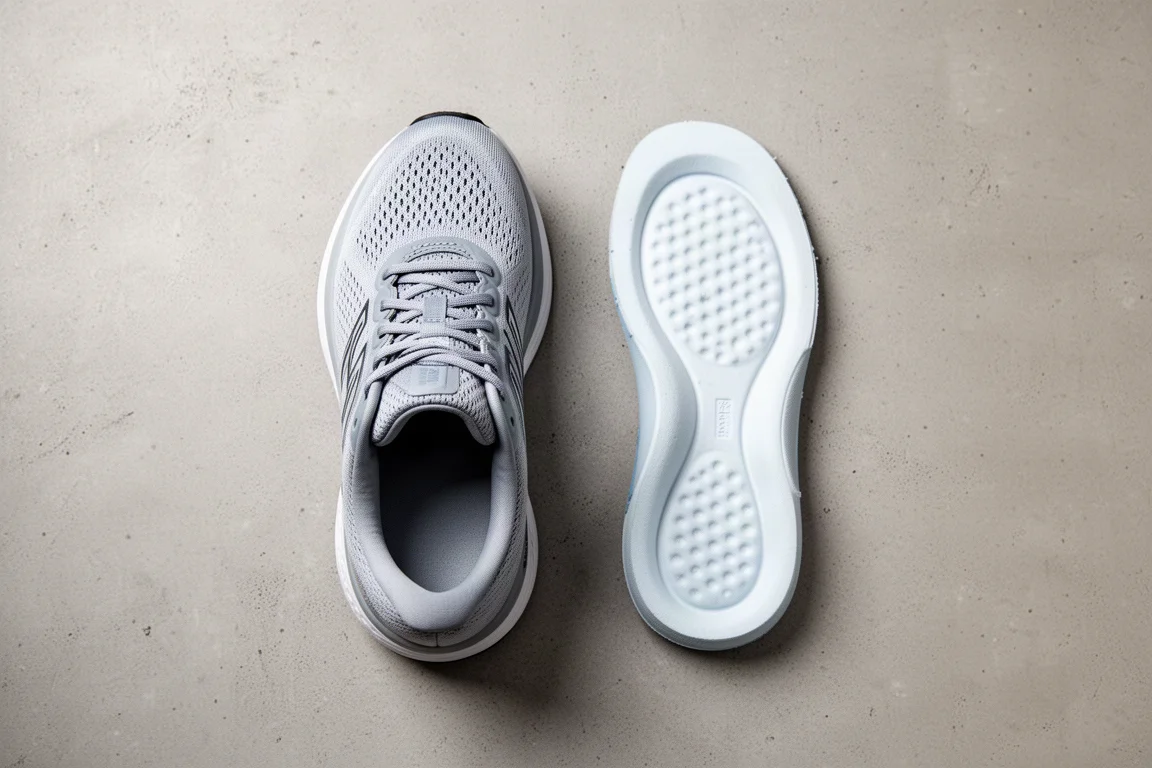
A genuinely rare feature: both have removable insoles, unusual for a super shoe. Several people have successfully used orthotics in version 3, and orthotics in version 4 also worked without problems. Just be careful, since you are adding a stiffening agent to a shoe that already has one.
Which One Should You Buy?
If you want the more responsive ride and a more traditional fit, version 4 is worth the extra money. It handles faster efforts better and holds the foot more securely.
If you have wider or high-volume feet, want that very neutral, centered ride with big sidewalls, and would rather not pay full price, version 3 on discount is the smarter buy. It is best kept to long runs, easy runs, and marathon-pace work rather than speed sessions.

Conclusion
These are two flavors of the same shoe: soft, plated, marathon-focused trainers that reward steady miles more than sprint work. Version 4 brings bouncier foam, more responsiveness, and a more streamlined fit at a higher price. Version 3 offers a wider, roomier fit, a centered ride, and heavy discounts. Match the fit and ride character to your feet and your training, and either one can carry you comfortably through a marathon build-up.
Product link
View more details for New Balance FuelCell SuperComp Trainer V3
This product is mentioned in the review. Check the specifications, options, and compatibility before buying.
View more details for New Balance FuelCell SuperComp Trainer V3Further reading
Related Reviews

Running Shoes
Best Road-to-Trail Running Shoes: Three Versatile Options for Mixed Terrain
A practical guide to three road-to-trail running shoes that handle both pavement and mild trails, with clear strengths and trade-offs for different runner types.

Running Shoes
Best Running Shoes for Achilles Tendonitis: Three Options Explained
Three running shoes with different heel drops and support features designed to help reduce Achilles tendon pain during walking and running.

Running Shoes
Best Running Shoes for Women: Five Top Choices Ranked
A ranked guide to five women's running shoes, from versatile daily trainers to high-performance racing options, with real strengths and trade-offs for each.