Running Shoes
New Balance FuelCell SuperComp Trainer v3 Review: 100 Miles In
A firmer, more stable super trainer built for uptempo work, with strong durability and a finicky toebox worth checking before you buy.
Introduction
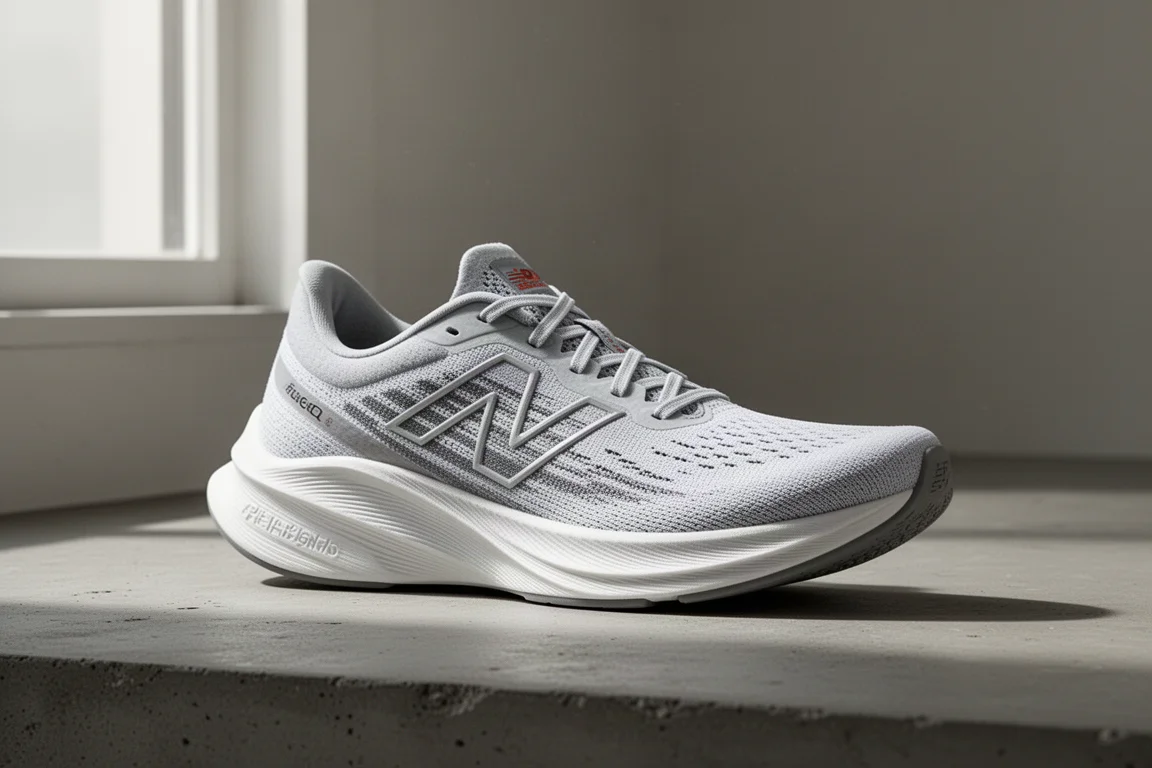
The New Balance FuelCell SuperComp Trainer v3 is a completely rebuilt super trainer. Compared with the previous version, the geometry and stack were redone, stack height actually decreased a little, and the whole shoe became notably more stable. The trade-off is a firmer, slightly stiffer and slightly less bouncy ride, which shapes who this shoe is really for.
This review covers what 100 miles revealed about the ride, durability, stability, and fit, so you can decide whether it belongs in your rotation.
Specs
Weight comes in at 9.2 oz (261 g) for a men’s size 9 and 7.3 oz (209 g) for a women’s size 8. A men’s size 10 lands around 9.8 oz, listed as 278 g. The shoe keeps a tall stack, a full-length carbon fiber plate, and an EVA-PE blend midsole rather than a PEBA-based foam, so it is not quite as bouncy as a true super racing shoe but still gives a resilient ride underfoot.
First Impressions and What Changed
Honestly, the first run was not a good one. Broken in early on a morning jog, the shoe initially felt oddly firm, and those first impressions stayed mixed for a while. The reason is structural: the carbon plate sits very close to the foot, and whatever sits closest to your foot shapes how firm or soft a shoe feels. That placement makes the shoe stable and rigid underfoot, but it also reads as firm on landing.
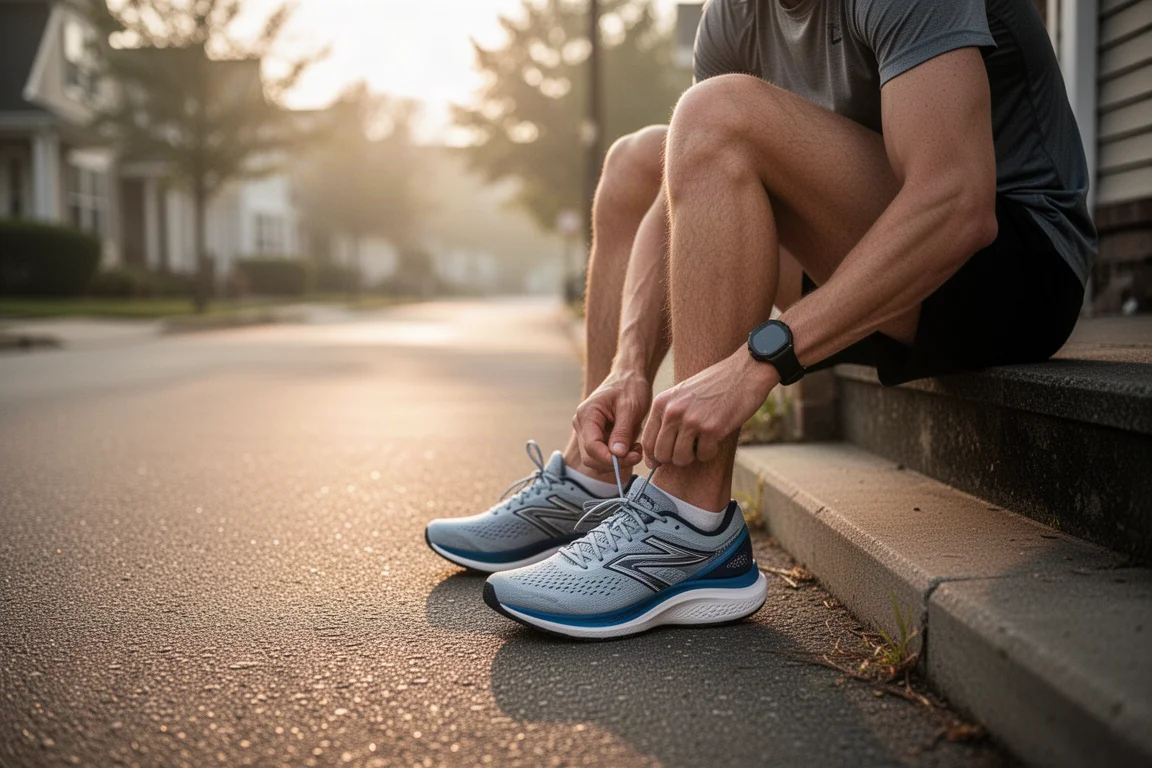
The interesting part is the transition. Landing feels firm, then the bounce arrives underneath, and it took roughly 20 to 30 miles of break-in for that bounce to show up as the midsole loosened. Even after break-in it never feels like a maximum-bounce super foam; it feels like a super trainer, firmer and stiffer throughout, with no flex thanks to the plate.
That said, the stiffness has an upside. The shoe rolls nicely off the forefoot, the heel bevel is well shaped, and toe-off transition is good. The combination of firmness, stiffness, and late-stage bounce ends up feeling best for uptempo running and workouts rather than easy miles.
Durability After 100 Miles
Durability was the biggest worry going in, especially the outsole rubber, and it held up far better than expected. At 100 miles the outsole coverage was only just beginning to lift slightly at one spot, with no wear-through, and it stayed grippy across a lot of aggressive use.
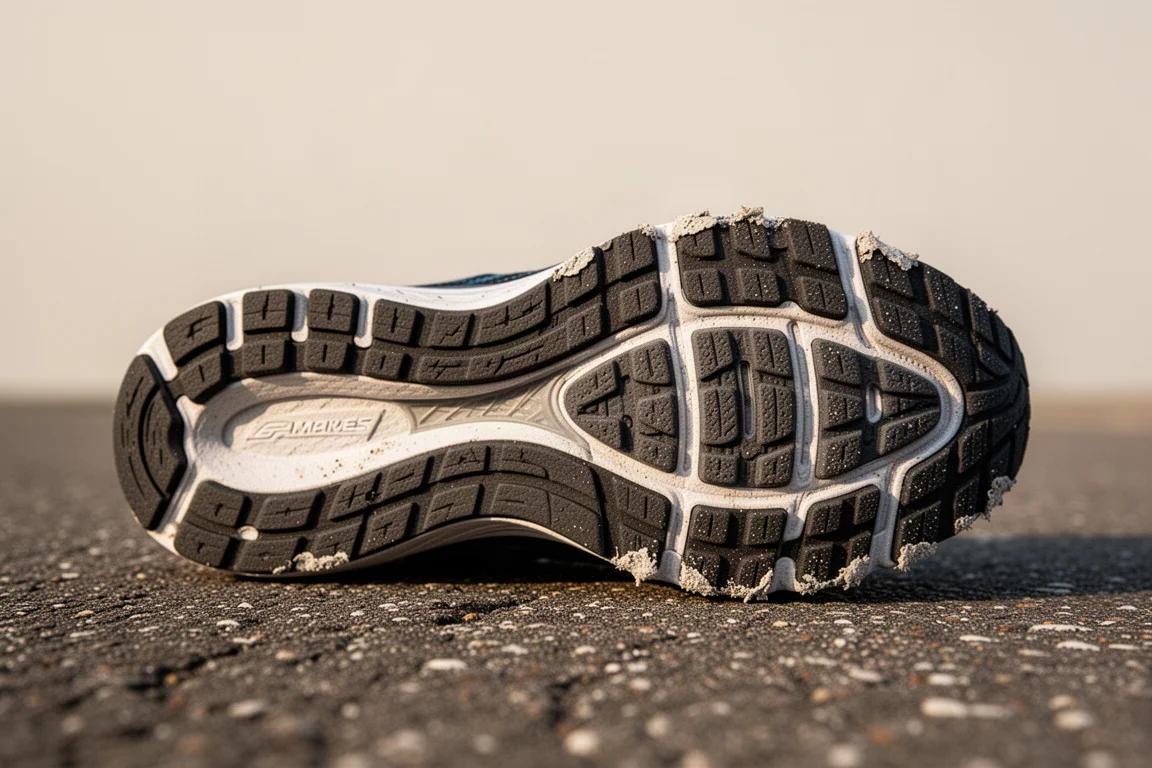
Unlike many super racing shoes, this one clearly handles heavy mileage. The extensive outsole coverage means you can put a lot of miles on it regardless of how you land, which is a genuine advantage for a plated trainer.
Stability and Guidance
Stability is greatly improved over the previous version, which was fast but unstable on longer efforts. Version 3 brings much better sidewalls, a wider overall shape, and the plate’s stiffness keeps the platform rigid side to side. The result is close to stable neutral: you stay centered without feeling pushed around, and the guidance never feels aggressive or overbearing.
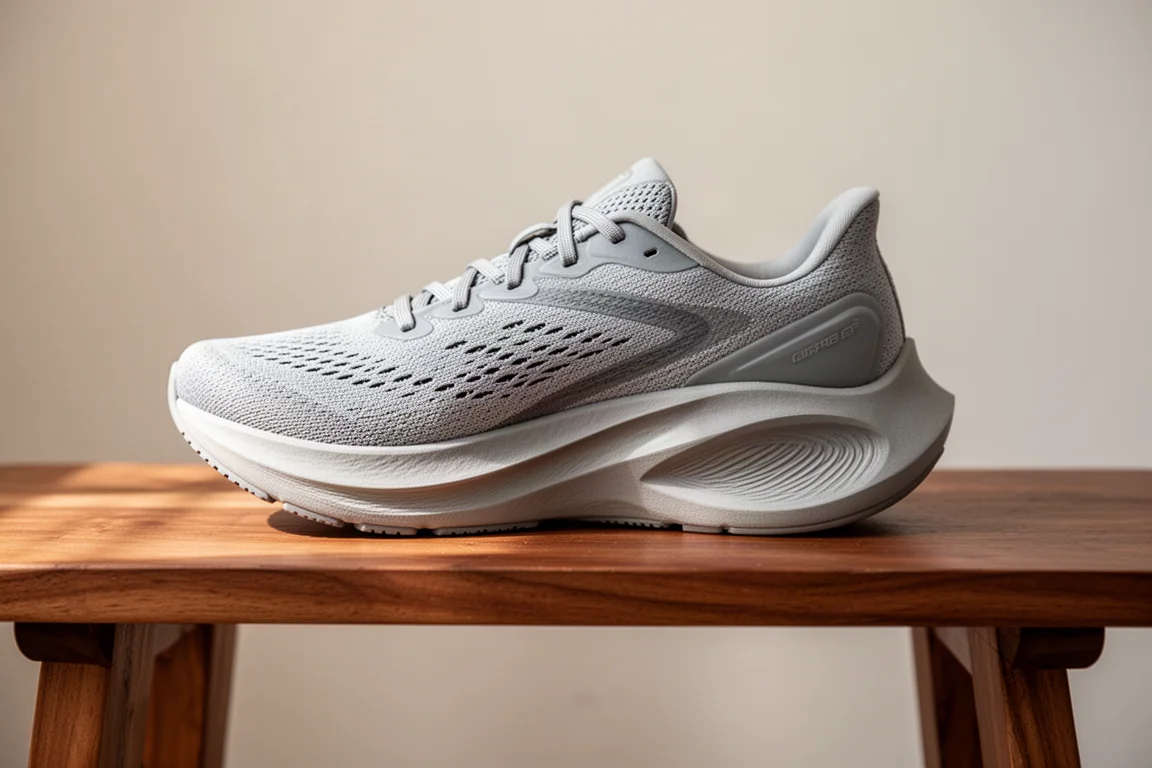
Plenty of long runs went into this shoe without issues. If you want a super trainer with more stability but only mild sidewall help, this one balances those elements well, aside from the inherent stiffness and firmness.
Fit and Sizing
Fit is the trickiest part of this shoe. The toebox tapers quickly and makes the shoe feel short, especially at the start of runs, though things loosen a bit once the shoe warms up. The midfoot has extra volume and width, classic for New Balance, so laces needed tightening for security, and the heel counter is fairly stiff but nicely rounded.
If you do not want a snug forefoot, trying a half size up is strongly recommended. A size 10.5 would likely have been the better choice here. Runners with wider forefeet or anyone sensitive to taper should double-check sizing in person if possible, because the shoe breaks in only a little. Narrower forefeet may not notice an issue at all.
Who This Shoe Works Best For
This is a shoe for uptempo long runs, tempo runs, and road intervals, especially when you are not ready to race in a full super shoe but want more guidance than a neutral trainer offers. It was a staple for pushing a stroller at slightly faster paces during base training, and it handles longer efforts at marathon pace or a bit quicker.
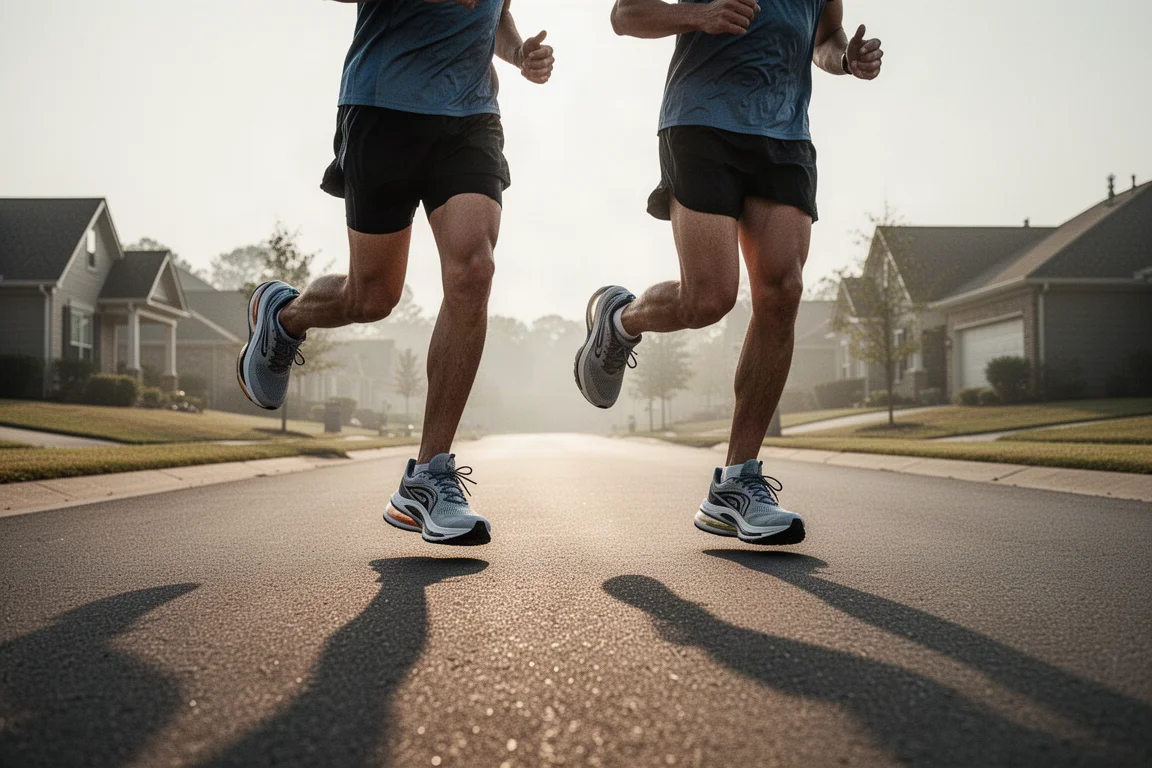
For the average runner choosing a marathon racing shoe that will actually get them to the finish, a super trainer like this is often more forgiving than an aggressive racer while still having enough snap for faster workouts. Compared with the SC Elite v4, it is less aggressive, more stable, and more forgiving, and that makes it a better all-around option for many runners.
Buying Advice
At 180 dollars, it is a better deal than most super racing shoes, especially given the durability and versatility on offer. The previous version was a fast, aggressive racer; this one trades some bounce and speed for rigidity, stability, and long-distance suitability. If uptempo capability plus training mileage is the goal, it is a strong pick. If easy-run comfort or maximum bounce matters most, look elsewhere. Check sizing carefully before committing.
Conclusion
After 100 miles, the SuperComp Trainer v3 proves itself as a firm, stable, durable super trainer built for faster work rather than easy miles. The break-in bounce, improved stability, and outsole durability are real strengths, while the tapered toebox and initial firmness are the main things to weigh. Match those traits to your training and this shoe is easy to recommend.
Product link
View more details for New Balance FuelCell SuperComp Trainer V3
This product is mentioned in the review. Check the specifications, options, and compatibility before buying.
View more details for New Balance FuelCell SuperComp Trainer V3Further reading
Related Reviews

Running Shoes
Best Road-to-Trail Running Shoes: Three Versatile Options for Mixed Terrain
A practical guide to three road-to-trail running shoes that handle both pavement and mild trails, with clear strengths and trade-offs for different runner types.

Running Shoes
Best Running Shoes for Achilles Tendonitis: Three Options Explained
Three running shoes with different heel drops and support features designed to help reduce Achilles tendon pain during walking and running.

Running Shoes
Best Running Shoes for Women: Five Top Choices Ranked
A ranked guide to five women's running shoes, from versatile daily trainers to high-performance racing options, with real strengths and trade-offs for each.