Running Shoes
New Balance FuelCell SuperComp Trainer V2: First Run Impressions
A lower stack, a softer feel, and one noticeable stability trade-off: what New Balance's updated super trainer delivered on an eight-mile first run.
Introduction
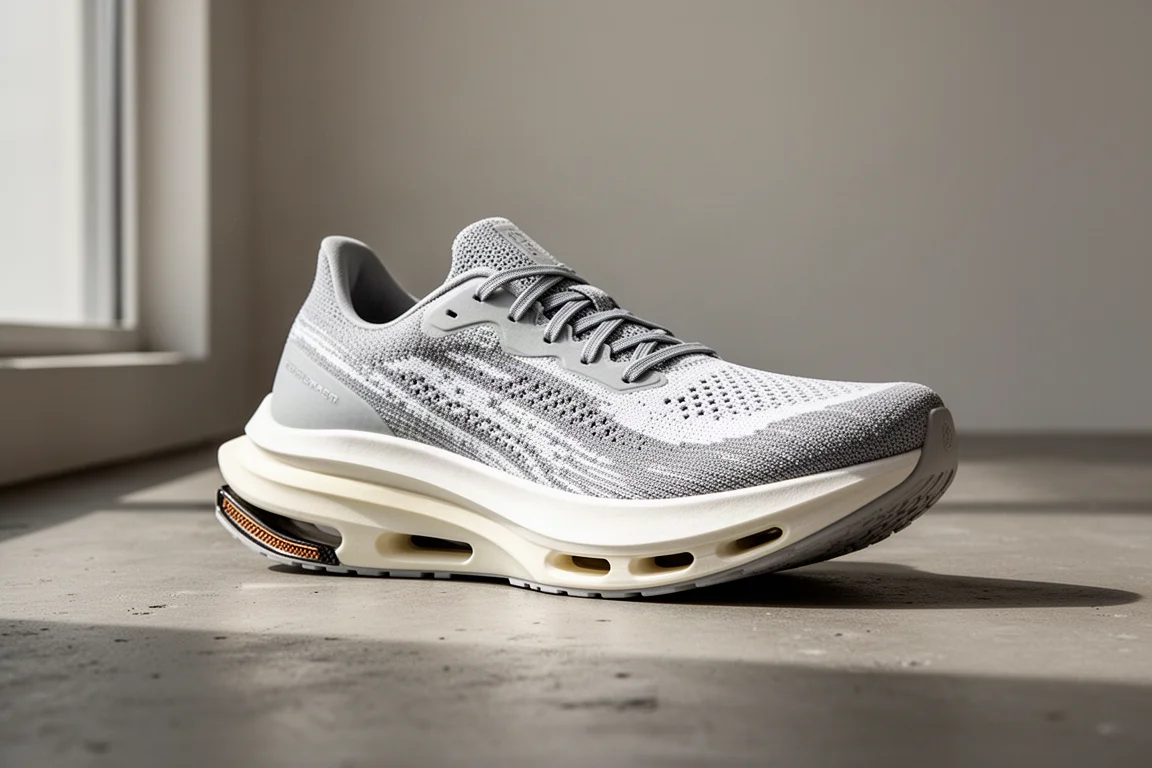
New Balance has given the FuelCell SuperComp Trainer a substantial update, and the headline change is easy to spot: the stack height. The first version of this super trainer arrived with a 47mm heel stack, which was arguably a little too much even for the “more is more” era of daily trainers. The V2 trims that down to 40mm at the heel, paired with 34mm of foam under the forefoot for a 6mm heel offset.
The result is a lighter, more grounded shoe than its predecessor. This is very much in the same category as the Kinvara Pro from Saucony: a cushioned, carbon-plated trainer designed to sit somewhere between everyday mileage and race-day speed. I took the V2 out for an eight-mile first run around town and country roads, and here is how it held up.
Who This Product Is For
This shoe makes the most sense for runners who want a soft, bouncy, plated trainer for quicker sessions and tempo days rather than a traditional daily workhorse. If you enjoy the sensation of a responsive midsole that visibly pushes you forward, the SuperComp Trainer V2 delivers that in spades.
If you rely on plenty of structure and support in your road shoes, however, this may not be the most stable option. The combination of soft foam, a high ride height, and a rigid plate produces a platform that can feel a little unsettled underfoot, at least in the early miles.
Midsole Construction: The Big Story
Dropping the heel stack from 47mm to 40mm also saved 38 grams compared to the original version. My pair in a UK size 10 tips the scales at 290 grams, which feels reasonable given the sheer volume of soft, springy FuelCell foam packed into the midsole.
The midsole uses two layers of FuelCell foam with a carbon fiber plate sandwiched between them. New Balance’s Energy Arc technology creates a large void through the middle of the midsole, with the carbon plate visibly poking out of the underside. The claimed benefit is increased stored energy and higher energy return, and the aggressive rocker geometry is there to keep you moving forward.
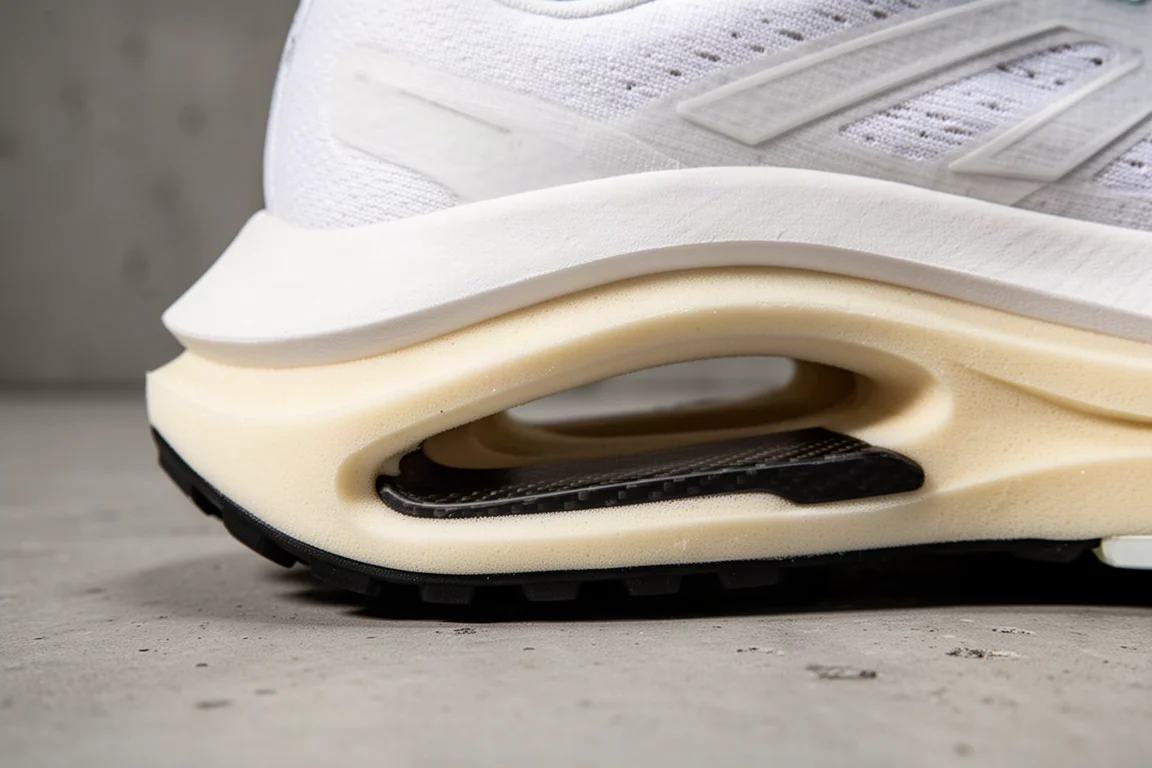
Underfoot, the FuelCell compound feels very soft and very bouncy. It is one of the first carbon-plated shoes where I could genuinely feel the plate working, providing a noticeable level of propulsion. The midfoot is appropriately stiff thanks to the plate, and out on the road the shoe felt responsive and comfortable in equal measure.
Upper, Fit and Comfort
New Balance has a strong track record with road shoe uppers, and the V2 continues that trend. The engineered flat-knit upper is lightweight and should breathe well, and out on the run it fit my foot like a glove. Comfortable straight out of the box, with no rubbing or irritation, it delivers that no-shoe feel that makes a trainer easy to forget about.
The thin, gusseted tongue provides a snug lockdown across the midfoot despite minimal padding, and the moderate padding around the ankle collar felt just right. A slightly flared heel design and a traditional lacing system with reinforced eyelets round out the package. For anyone who has liked the fit of New Balance road shoes before, this upper will very likely work for you too.
How It Performed on the Run
Over 8.26 miles, including a few quicker tempo miles with a local running group, the shoe put in a genuinely strong first outing. The FuelCell midsole felt like it was returning good energy throughout, and the ride stayed comfortable even as the pace picked up.

The main caveat is stability. With two soft, squishy layers of foam around a stiff plate, the platform can feel a touch wobbly, particularly in the first miles. I found myself working harder through my lower legs and ankles to stabilize the ride, and while this improved as the run went on, it is worth taking seriously if you are a runner who values a planted, predictable feel.
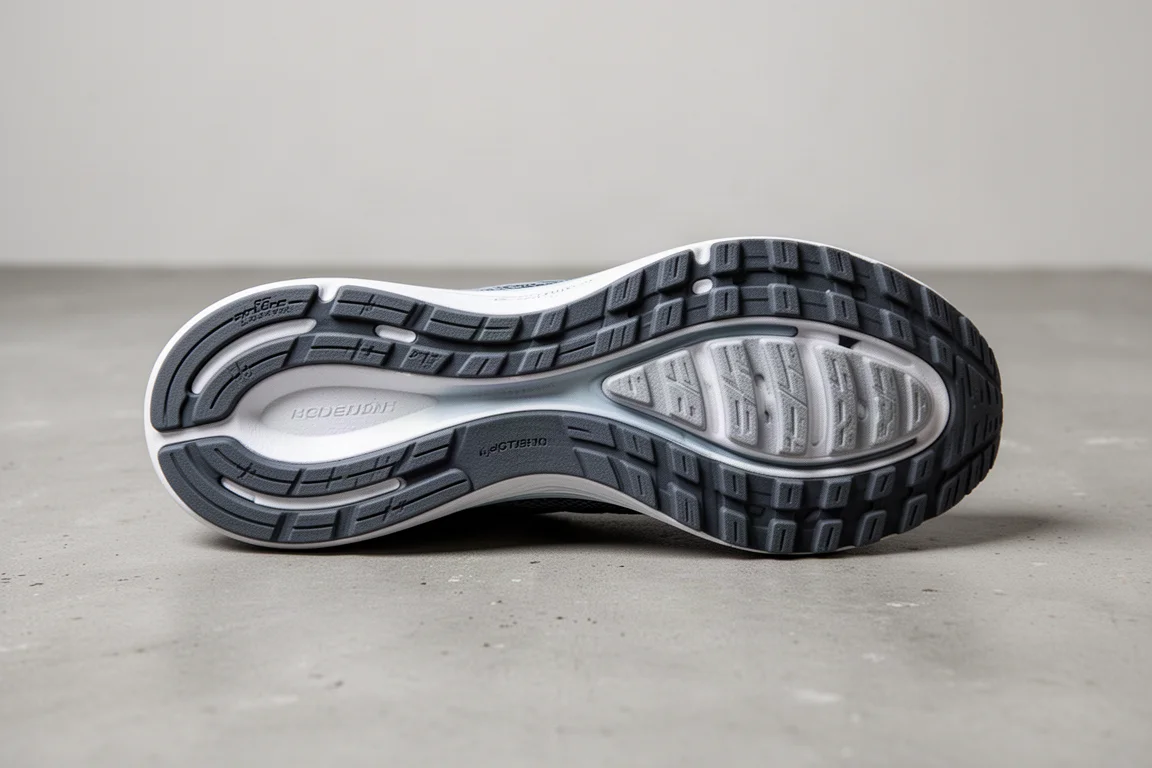
The outsole itself uses a good helping of lightweight blown rubber, which is welcome for durability in a premium trainer.
Things to Consider Before Buying
The stone trap. The Energy Arc void runs as a deep groove down the centre of the outsole, and it did exactly what I worry such designs will do: around two miles into the run, a sizable stone wedged itself in the void and made itself heard with every step. It only happened once, so I could simply have been unlucky, but it is a real design concern for a shoe at this level and worth knowing about before you commit.
There is also the broader question of whether a stiff carbon plate belongs in a training shoe at all. The plate here is the most noticeable one I have worn, and some runners may find it more shoe than they need for easy miles.
Buying Advice
The SuperComp Trainer V2 is positioned against the Kinvara Pro from Saucony, and based on my first couple of runs in each, the Saucony currently feels a step ahead in overall performance and ride feel. That said, these are first impressions after one short outing, and the wobbly feel may settle as more miles go into the shoe.
If you want maximum softness and a lively, propulsive ride for tempo work, and you can live with a slightly nervous platform and the occasional trapped pebble, the V2 is a very enjoyable shoe. If stability is non-negotiable, look elsewhere. The shoe retails at a premium price point in the UK market, so it is worth trying on before buying if you can.

Conclusion
The New Balance FuelCell SuperComp Trainer V2 improves on its predecessor in the ways that matter most: a saner 40mm stack, 38 grams saved, a supremely comfortable upper, and one of the most noticeably propulsive carbon plates I have run in. The trade-offs are a platform that can feel unstable at first and an outsole groove that collects debris. For runners chasing a soft, fast, plated trainer, it is a promising update that rewards a few extra miles of settling in.
Product link
View more details for New Balance FuelCell SuperComp Trainer v2
This product is mentioned in the review. Check the specifications, options, and compatibility before buying.
View more details for New Balance FuelCell SuperComp Trainer v2Further reading
Related Reviews

Running Shoes
Best Road-to-Trail Running Shoes: Three Versatile Options for Mixed Terrain
A practical guide to three road-to-trail running shoes that handle both pavement and mild trails, with clear strengths and trade-offs for different runner types.

Running Shoes
Best Running Shoes for Achilles Tendonitis: Three Options Explained
Three running shoes with different heel drops and support features designed to help reduce Achilles tendon pain during walking and running.

Running Shoes
Best Running Shoes for Women: Five Top Choices Ranked
A ranked guide to five women's running shoes, from versatile daily trainers to high-performance racing options, with real strengths and trade-offs for each.