Trail Running Shoes
New Balance FuelCell SuperComp Trail Review: A Fast, Snappy Trail Racer With a Fit Caveat
New Balance's first carbon-plated trail racing shoe brings road shoe speed to the dirt, but the snug fit and firm forefoot deserve a close look before you buy.
Introduction
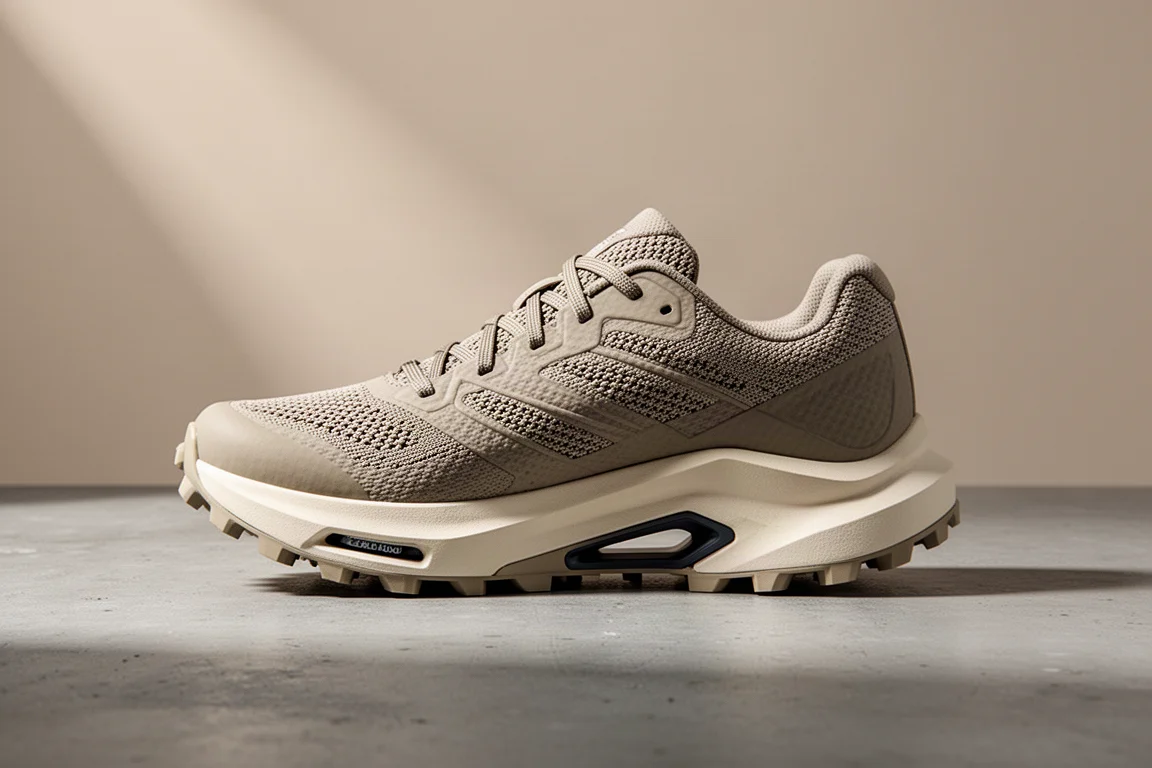
The New Balance FuelCell SuperComp Trail is the brand’s carbon-plated trail racing shoe, and it takes many of the ingredients that make New Balance’s road super shoes popular and adapts them for off-road use. It is priced at £200 in the UK and $200 in the US, which puts it firmly in premium territory. After covering close to 50 miles in mixed road and trail conditions, including a marathon-distance race test, this review looks at where it excels and where it falls short.
What the SuperComp Trail Is
In my UK size 9, the shoe weighs 266g (9.4 oz) with a 10mm heel-to-toe drop. The stack has been listed elsewhere as 36.5mm at the heel and 26.5mm at the forefoot, but New Balance has not confirmed those figures officially, so treat them as unverified.

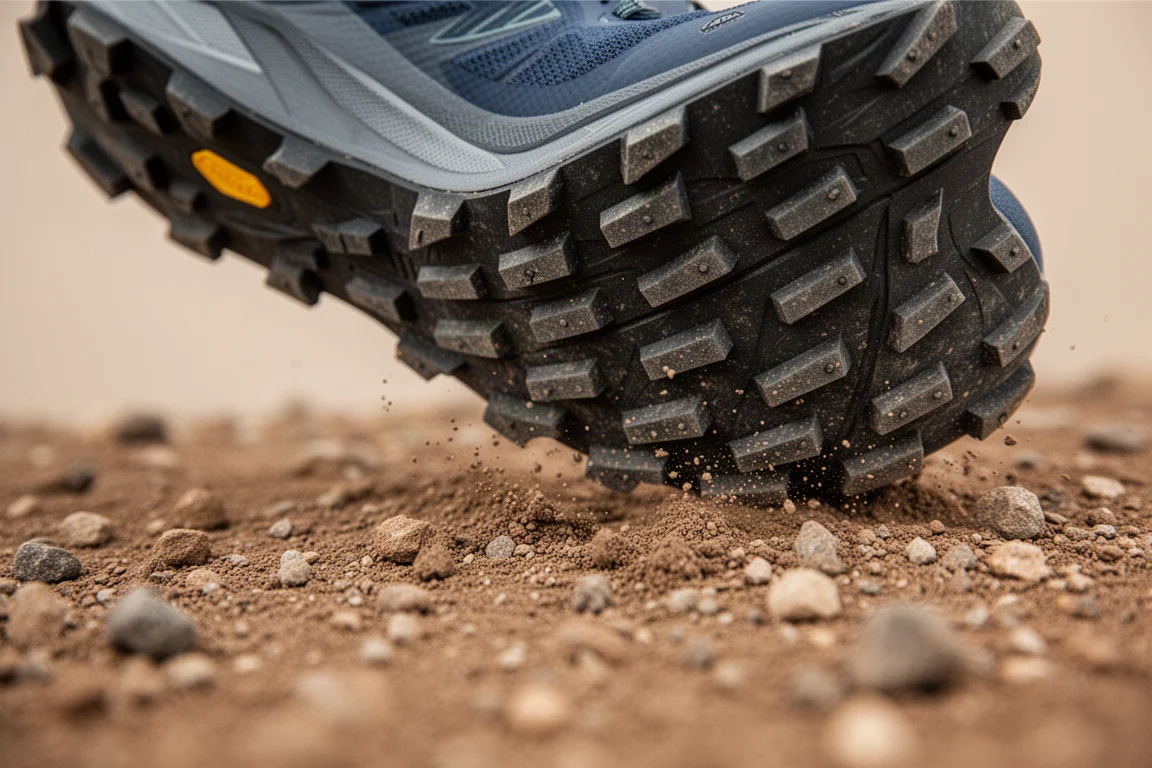
The midsole uses two layers of FuelCell foam, with the lower layer firmer to add stability. The full-length carbon plate is forked under the forefoot for a little more flexibility on uneven ground, and the rocker is less pronounced than on New Balance’s road shoes. Instead of a rolling motion, this is very much a snap-through shoe. The woven upper has denser overlays around the forefoot and sides with a more breathable section on top, and a Vibram outsole with 4mm broad, flat lugs handles the ground contact. There is also a cutout in the outsole that reduces weight and shows off the carbon plate, though it is likely to collect small rocks on gravel tracks.
Fit and Sizing: The Big Caveat
This is the most important section of the review. The SuperComp Trail comes up noticeably tight in my regular running shoe size. You could generously call it a race fit, but for anything beyond short 10K trail efforts, most runners will want to go at least half a size up.
In my normal size, the toe box felt short and cramped, and running fast or descending hills meant bashing toes into the front of the shoe. It is also a narrow shoe, so sizing up may not fix everything. If you want a wide, spacious toe box for ultramarathons, this is not that shoe. New Balance racing shoes have run short before, and the SuperComp Trail continues that pattern.
Ride and Performance on the Trail
Once you work around the fit, there is a lot to like. For a trail shoe, it feels light, compact and agile, great for picking your way with precision along twisting singletrack. The balanced midsole delivers a hint of that SuperComp Elite punch underfoot, with the top layer of foam offering just enough protection up to about marathon distance, while the firmer lower layer and carbon plate keep things responsive and connected to the ground.

On a mixed-terrain trail marathon combining compacted forest paths, grass, wet mud and a good chunk of road, the shoe ran remarkably well, and picking up the pace when needed felt easy. The outsole was surprisingly good too: the broad, smooth lugs shine on hard, runnable trails and are comfortable on road, and they coped better than expected on short muddy and soft sections, even on a twisting forest descent. Durability also looks solid, with no concerning wear after 50 miles.
There are trade-offs. The high drop with little foam under the forefoot means a firm, direct feel that can cause discomfort on long runs or rocky ground, particularly when landing with less precision on tired legs. The flex grooves in the outsole can also trap small stones, which is annoying during a race. On really soft ground you lose much of the benefit of the plate and midsole, so this is best positioned as a hard-ground shoe with reasonable versatility.
How It Compares to Other Plated Trail Shoes
Against the Nike Ultrafly, the SuperComp Trail feels more nimble and aggressive, though the Ultrafly is more comfortable with a better fit for very long events. The Adidas Terrex Agravic Speed Ultra, with its big rocker and bouncy soft foam, offers a completely different ride and was preferred overall, but the New Balance is the more natural-feeling, agile shoe. The Hoka Tecton X2 is more stable and comfortable over long distances, though the FuelCell foam and carbon plate combination gives New Balance more punch.

The Asics Fuji Speed 2 is arguably the strongest competitor: cheaper, with a full-length carbon plate, a clearer rocker that aids both comfort and speed, a better-fitting upper, and equivalent grip. For general fast trail use, it is the easier recommendation. For ultra distances, the Ultrafly, Tecton X2 or the incoming Adidas option all make more sense than the New Balance.
Buying Advice
If you love the traditional snappy, high-drop feel of road racing shoes and want that on runnable trails, the SuperComp Trail delivers. It is a genuinely good shorter-distance, faster-effort trail shoe, and it handled a mixed-terrain marathon well. The tight fit is the main obstacle: half a size up is almost certainly necessary, and even then the narrow design may not suit everyone.
If comfort and long-distance versatility matter more than all-out speed, or you want one trail shoe to do everything, alternatives like the Tecton X2 or Fuji Speed 2 offer more forgiving rides for similar performance. At £200/$200, the price is punchy for a shoe that works best on hard ground over shorter, faster efforts.
Conclusion
The New Balance FuelCell SuperComp Trail is a successful first attempt at a trail super shoe: agile, snappy and quick on runnable mixed terrain, with a well-balanced midsole and dependable grip. It is held back by a very snug, narrow fit and a firm forefoot that limits its appeal for long distances. For fast 10K to marathon trail racing on hard ground, it is a strong contender. For ultras, look elsewhere.
Product link
View more details for New Balance FuelCell SuperComp Trail
This product is mentioned in the review. Check the specifications, options, and compatibility before buying.
View more details for New Balance FuelCell SuperComp TrailFurther reading
Related Reviews
Trail Running Shoes
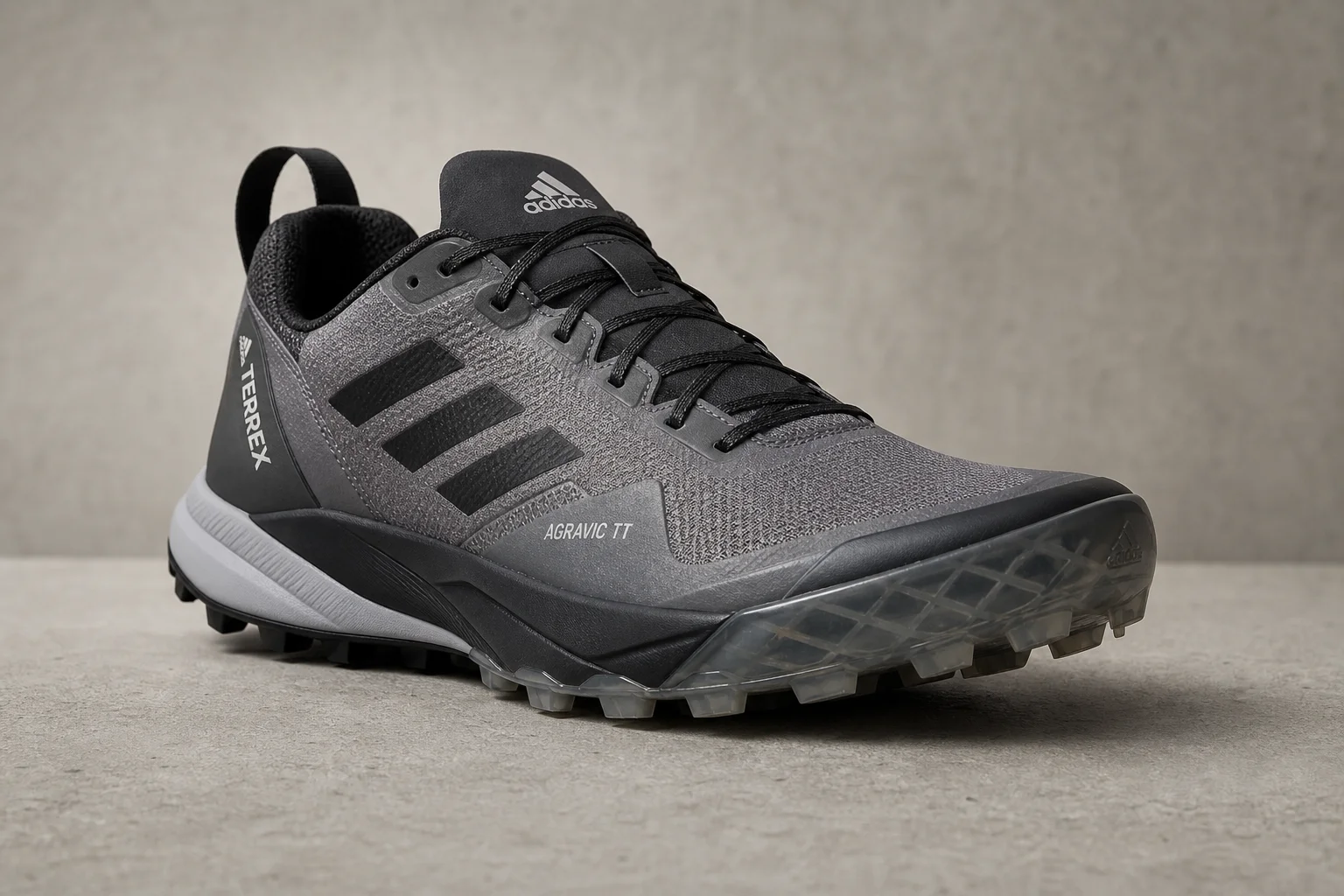
Adidas Terrex Agravic TT Review: A Technical Trail Shoe Built for Rocky Terrain
The Adidas Terrex Agravic TT combines a full-coverage rock plate with a firmer midsole to deliver protection and stability on technical, rocky trails. A capable choice for runners who prioritize underfoot defense over lightweight cushioning.
Trail Running Shoes
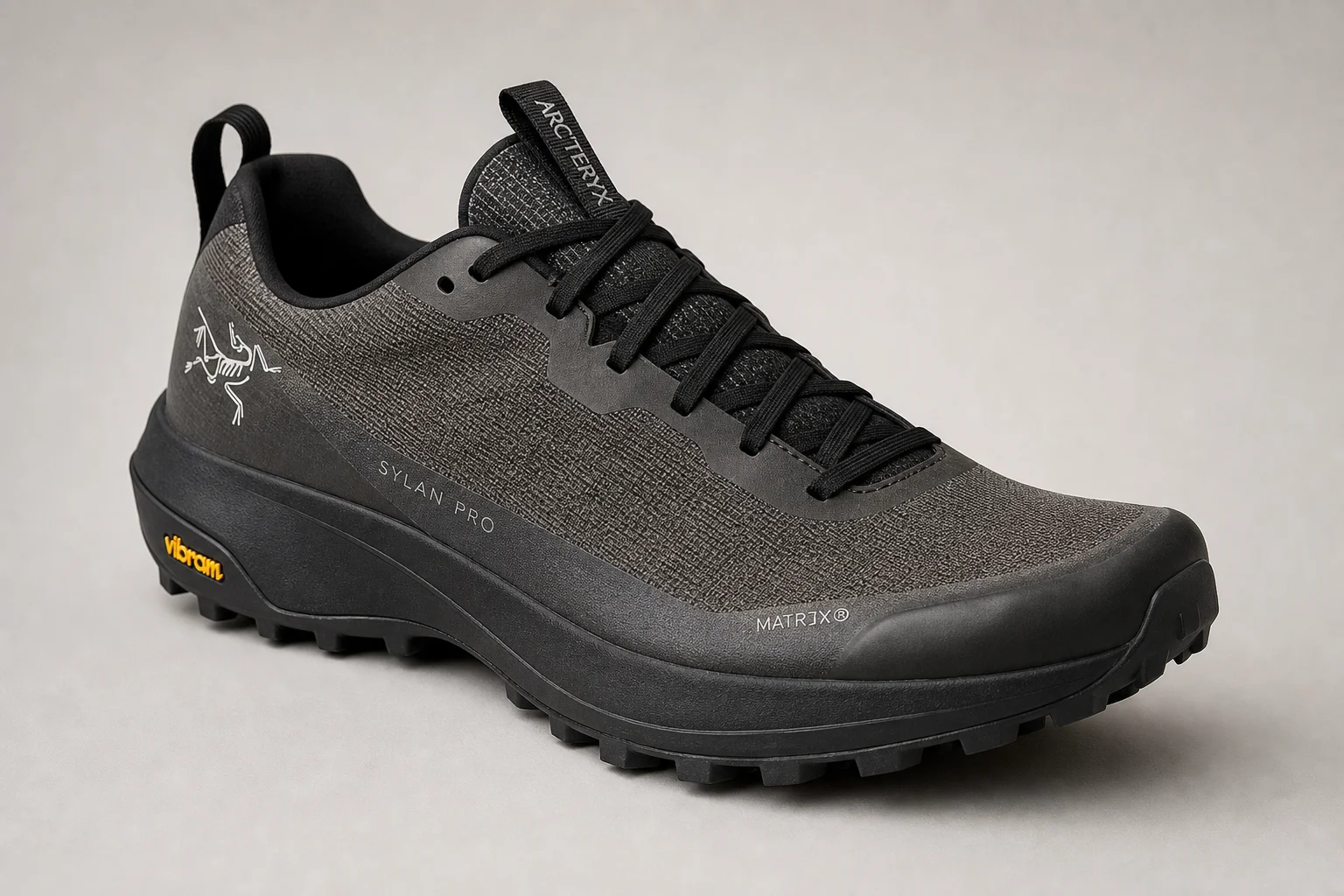
Arc'teryx Sylan Pro Review: A Rocker-Focused Mountain Running Shoe Tested on 20 Miles
The Arc'teryx Sylan Pro brings a pronounced rocker geometry and secure fit to mountain terrain. We tested it on a 20-mile Sawtooth loop to evaluate its climbing efficiency, protection, and handling of technical descents.
Trail Running Shoes
Best All-Mountain Trail Running Shoes: Three Versatile Options for Any Trail
A focused roundup of three all-mountain trail running shoes that handle technical terrain, long distances, and variable conditions with real strengths and practical trade-offs.