Trail Running Shoes
New Balance FuelCell SuperComp Trail Long Run Review: Fast Ideas, Mixed Results
After a promising first outing, a 14-mile coastal test reveals what this carbon-plated trail shoe gets right and where it falls short.
Introduction
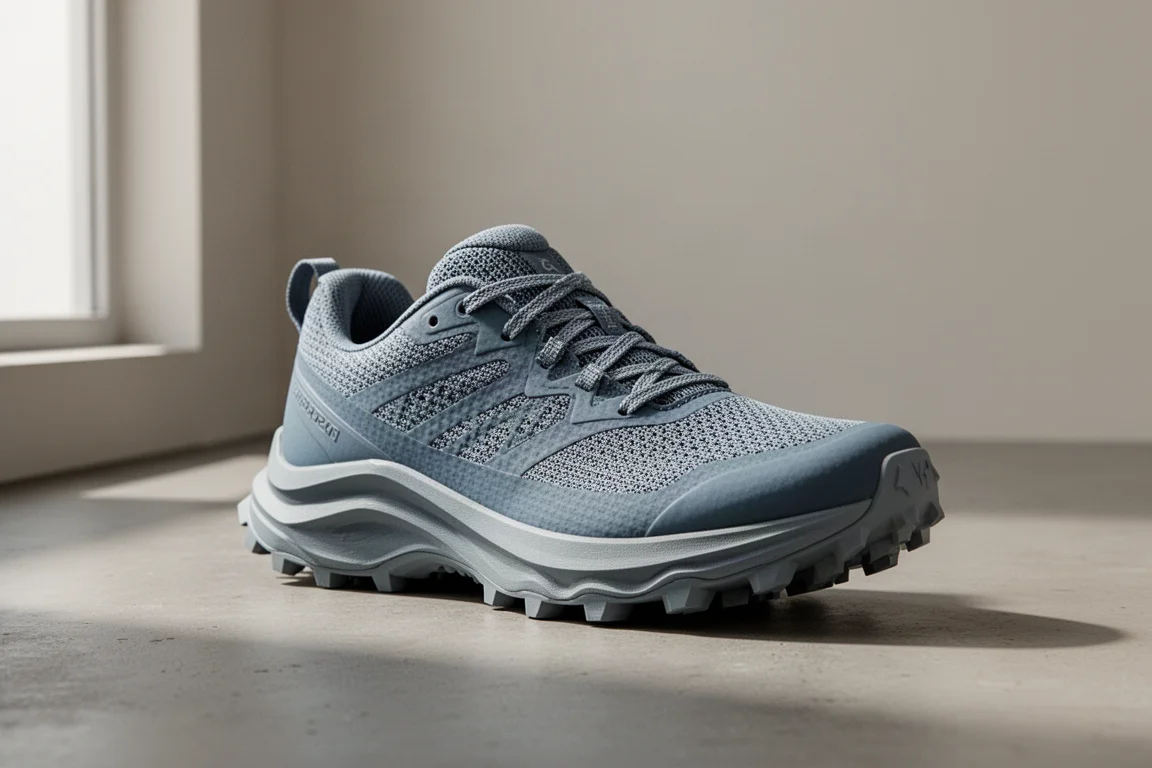
The New Balance FuelCell SuperComp Trail arrived with a lot to prove. Carbon-plated trail shoes remain a divisive category, and after a genuinely encouraging first outing, the obvious question was whether the shoe could hold up over a longer, more demanding effort. A 14-mile coastal run through damp, muggy conditions gave it exactly that chance, and the results were more mixed than the first impressions suggested.
The Long Run Test
The route covered roughly 14 miles, close to half marathon distance, across coastal paths and clifftops in overcast, humid weather. The run started later in the day than planned, so a head torch came along just in case, and it turned out to be a wise call with near-darkness on the return leg.

The legs felt strong even towards the end of the run, which speaks well of the overall fitness behind the test rather than the shoe itself. The key findings came from how the shoe behaved as fatigue set in.
The Comfortable Upper
The upper remains one of the shoe’s best qualities. It hugged the foot from the first wear, needed no break-in period, and stayed comfortable for the full duration of the long run. There was no hot spots or pressure points developing over the miles, which is not always a given in a performance-focused trail shoe.
Stability and Ground Feel
Even after a longer effort, this is still one of the most connected and stable carbon-plated trail shoes around. The stiff plate never feels like it is throwing the foot off on uneven ground, and because the midsole is not oversized with cushioning, ground feel and connection remain excellent.
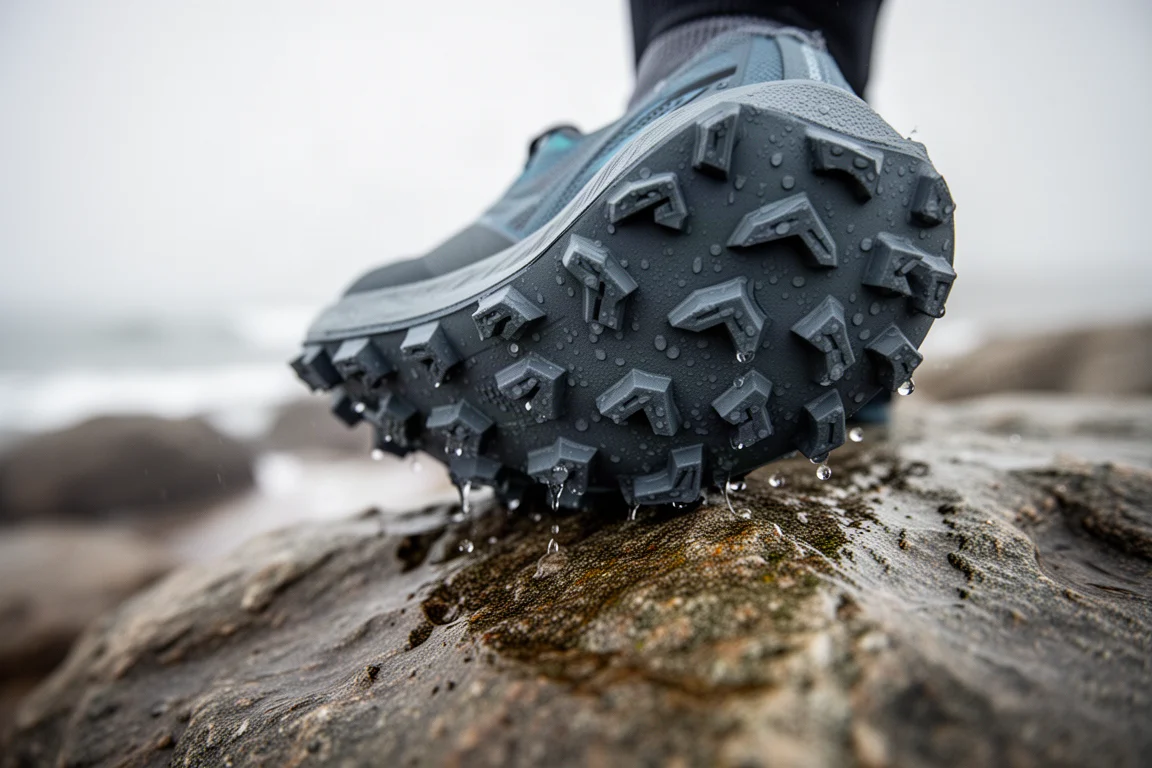
That restraint on cushioning is deliberate and it works. The shoe keeps you grounded and comfortable at the same time, something deeper-stacked rivals struggle to balance.
The Midsole Question
Here is where things get complicated. The midsole is cushioned, but it is not as deeply cushioned as some other performance trail shoes on the market. That is a positive for ground feel, but it raises a fair question about whether the plate is delivering a genuine performance benefit at all.
Compared directly with the midsole of the New Balance Summit Unknown V4, the SuperComp Trail does not feel dramatically different. The carbon plate simply does not announce itself the way it does in road super shoes, which makes you wonder whether this kind of midsole setup truly works in a trail environment.

The Long Run Problem
Fatigue exposed an issue the shorter first run hid. As the miles added up, there was a noticeable feeling of medial rotation when weight went through the shoe, to the point where the gait looked over-pronated despite being naturally fairly neutral. On inspection at home, there is a lot of space and loose material around the instep, suggesting the midsole needs more shape or support at the arch, or the upper and heel need more structure.
For anyone with actual over-pronation, this would likely feel pretty unstable over long distances. The shoes and feet also felt a little worse for wear at the end of the run, something several other trail shoes in regular rotation do not cause.
Things to Consider Before Buying
The realistic sweet spot appears to be shorter efforts. Distances in the 7 to 10 mile range seem entirely manageable, but taking these to 20 miles or beyond risks compounding the lack of arch support and the medial collapse under load.

If you want a deeply cushioned, super-stacked performance trail shoe along the lines of offerings from The North Face, Adidas, or Saucony’s Endorphin Edge, this is probably not the shoe for you. If you prioritize connection, stability and a comfortable upper for shorter faster trail runs, it still has real appeal.
Conclusion
After the first run, it looked like a carbon-plated trail shoe had finally been found that genuinely worked. The long run softened that verdict. The upper, ground feel and stability are excellent, but the underwhelming plate response and the structural support issue under fatigue are hard to ignore. The search for the ideal carbon fiber-plated trail shoe continues, and the shoe raises a bigger question about whether trail running really needs plates at all.
Product link
View more details for New Balance FuelCell SuperComp Trail
This product is mentioned in the review. Check the specifications, options, and compatibility before buying.
View more details for New Balance FuelCell SuperComp TrailFurther reading
Related Reviews
Trail Running Shoes
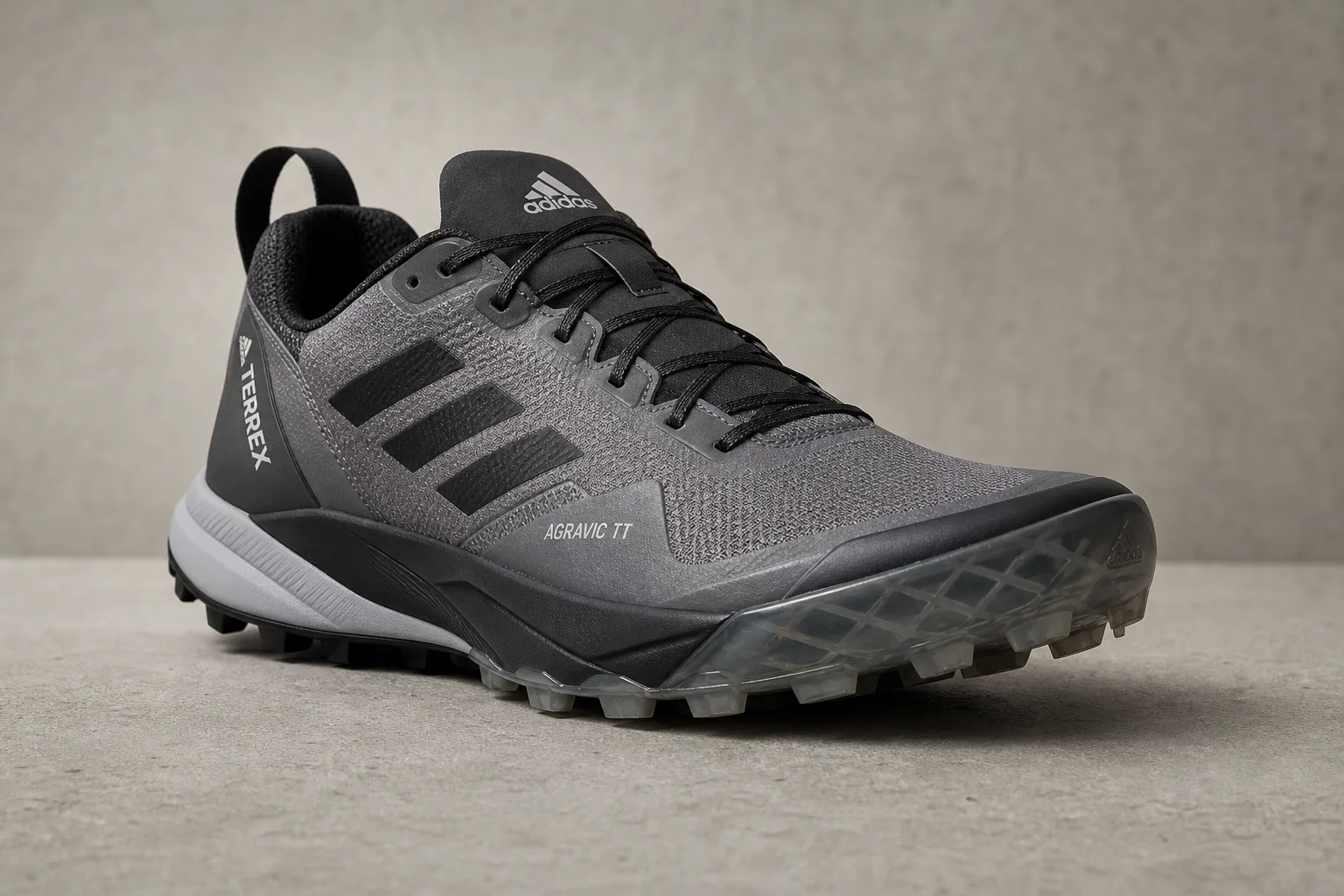
Adidas Terrex Agravic TT Review: A Technical Trail Shoe Built for Rocky Terrain
The Adidas Terrex Agravic TT combines a full-coverage rock plate with a firmer midsole to deliver protection and stability on technical, rocky trails. A capable choice for runners who prioritize underfoot defense over lightweight cushioning.
Trail Running Shoes
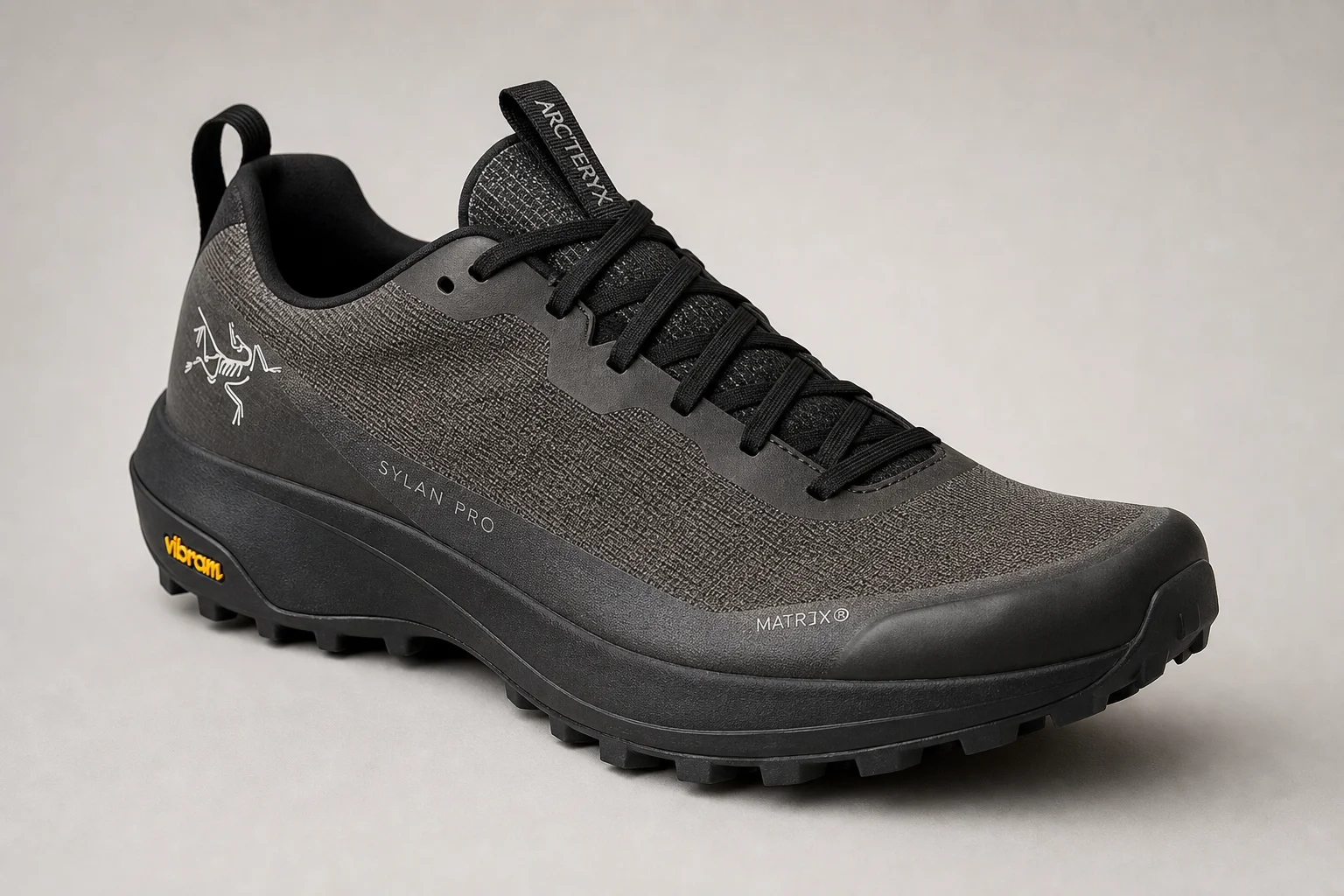
Arc'teryx Sylan Pro Review: A Rocker-Focused Mountain Running Shoe Tested on 20 Miles
The Arc'teryx Sylan Pro brings a pronounced rocker geometry and secure fit to mountain terrain. We tested it on a 20-mile Sawtooth loop to evaluate its climbing efficiency, protection, and handling of technical descents.
Trail Running Shoes
Best All-Mountain Trail Running Shoes: Three Versatile Options for Any Trail
A focused roundup of three all-mountain trail running shoes that handle technical terrain, long distances, and variable conditions with real strengths and practical trade-offs.