Running Shoes
New Balance FuelCell SuperComp Elite V3 Review: A Sharper Carbon Racer
New Balance's new top-tier carbon racing shoe trades some of the old comfort for a firmer, faster ride. Here's what early running shows.
Introduction
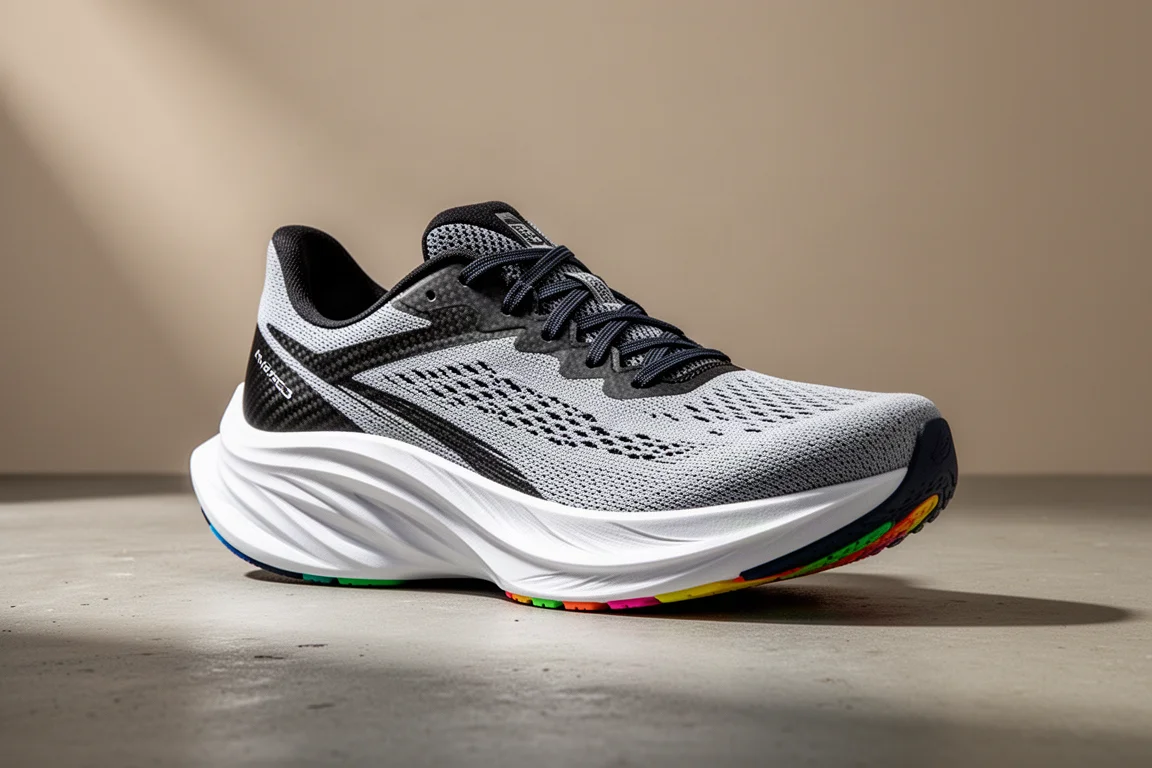
The New Balance FuelCell SuperComp Elite V3 is the brand’s new top-of-the-line carbon racing shoe. It replaces the RC Elite V2 at the head of the SuperComp range, sitting above the SuperComp Pacer, a shorter-distance carbon shoe, and the SuperComp Trainer, a high-stack carbon-plated training shoe. The version tested here is the New York Marathon edition, the only release of the shoe this year, with a full launch expected early next year.
Pricing sits at £220 in the UK and $250 in the US, a small increase over the RC Elite V2’s £210/$225. Weight is nearly identical: 228g (8oz) in a UK size 9, against roughly 223g (7.9oz) for its predecessor. The big change is the geometry. Stack heights are meant to be similar, but the drop has shifted from 10mm to 4mm, and the whole character of the shoe has moved from soft and friendly to firmer and far more race-focused.

Who This Shoe Is For
This is a shoe built for speed. If you race anywhere from 5K up to the marathon and want something that pushes you onto your forefoot and keeps you there, it makes a strong case. Runners who loved the RC Elite V2 as a squishy, comfortable carbon option should know that New Balance has deliberately shed some of that personality here. The V3 is more aggressive, more propulsive, and less forgiving when you ease off the pace.
Main Strengths
The Energy Arc midsole setup
The SuperComp Elite V3 carries the same Energy Arc architecture as the rest of the SuperComp range: a scooped carbon plate with a large midsole cutout underneath and a pronounced rocker profile. The idea is to absorb foot-strike energy, stabilize the foot, and return as much of it as possible. On top of the plate sits a slightly firmer FuelCell compound, with a softer version beneath it, a firmer upper layer that reduces the squish on landing and helps transfer energy from heel to forefoot. The plate also sits a bit higher in the heel, adding firmness and stability for heel strikers.
Ride and Performance
Across a parkrun and a 10K tempo run, the shoe consistently encouraged speed. It feels light and quiet underfoot, skipping over the ground rather than clunking through it, and it delivers plenty of pop when you want to turn the pace up. Heel strikers get transitioned onto the forefoot remarkably quickly, and the aggressive toe spring means the 4mm drop simply does not feel like a low-drop shoe. It retains some of the comfort of the big FuelCell stack while feeling much nimbler and faster, especially at shorter race distances.
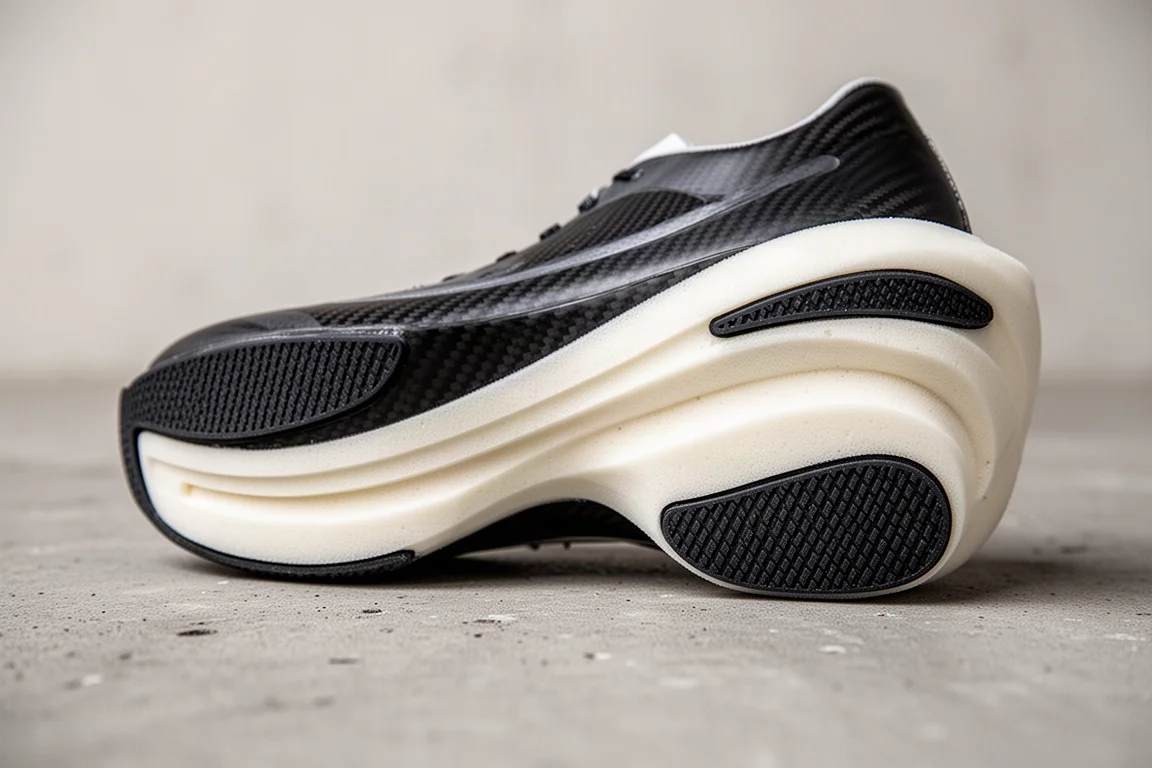
The upper is a familiar mesh similar to the RC Elite V2, with a stretchy one-piece tongue section. The outsole covers the key impact areas with a decent layer of rubber, plus a little rubber over the plate itself to protect against heavy forefoot landings, but rubber coverage is otherwise minimal to keep weight down. Grip held up well on wet tarmac and damp leaves during testing, though the exposed foam leaves long-term durability an open question.
Fit and sizing
The fit is true to size for most runners, with a comfortable, race-appropriate snugness and ample toe-box room. Two caveats: it is definitely a narrow-fitting shoe, and the sock-like tongue plus the lacing setup may need some experimenting to avoid pressure on the sides of the foot. Runners with wider feet or who prefer a roomier forefoot should try before buying.
Things to Consider Before Buying
Compared with top-tier rivals, the picture is encouraging but nuanced. Against the Asics MetaSpeed Sky Plus, the upper here feels a touch lighter and nicer, the outsole likely a bit more durable, and the shoe seems more stable, though the MetaSpeed Sky Plus feels slightly more aggressive at outright speed. Compared with the Saucony Endorphin Pro 3, the SuperComp Elite V3 offers more cushioning and a steadier feeling when you need to slow down. It earns its place among shoes like the Vaporfly and Endorphin Pro 3 rather than sitting below them.
Buying Advice
If you currently race in the RC Elite V2 and love its mushy, friendly heel, test the V3 carefully first; this is a different shoe in character. If you found the RC Elite V2 too soft for racing, as one tester did after using it at the London Landmarks races, the V3 is a genuine upgrade. It handles fast 5K work with propulsive energy, ticks over nicely at marathon effort, and looks like the most promising carbon racing shoe New Balance has released so far. At £220/$250 it sits at the top of the price range for carbon racers, so it makes sense if you have specific race goals rather than as an everyday trainer.

Conclusion
The FuelCell SuperComp Elite V3 is a great early sign of where New Balance’s racing line is heading. It keeps enough of the comfort from the big FuelCell stack, adds a firmer heel and a fast, aggressive rocker, and feels versatile enough to cover everything from 5K to the marathon. Early testing suggests it can genuinely compete with the best carbon plate shoes available right now, and it is well worth a look for your next race-day shoe.
Product link
View more details for New Balance FuelCell SuperComp Elite V3
This product is mentioned in the review. Check the specifications, options, and compatibility before buying.
View more details for New Balance FuelCell SuperComp Elite V3Further reading
Related Reviews

Running Shoes
Best Road-to-Trail Running Shoes: Three Versatile Options for Mixed Terrain
A practical guide to three road-to-trail running shoes that handle both pavement and mild trails, with clear strengths and trade-offs for different runner types.

Running Shoes
Best Running Shoes for Achilles Tendonitis: Three Options Explained
Three running shoes with different heel drops and support features designed to help reduce Achilles tendon pain during walking and running.

Running Shoes
Best Running Shoes for Women: Five Top Choices Ranked
A ranked guide to five women's running shoes, from versatile daily trainers to high-performance racing options, with real strengths and trade-offs for each.