Running Shoes
New Balance FuelCell SC Trainer v3 Review: A Soft, Stable Plated Trainer
A carbon-plated trainer with a huge 40mm stack, very soft FuelCell foam, and a fit that finally gets New Balance back on track, though the price raises questions.
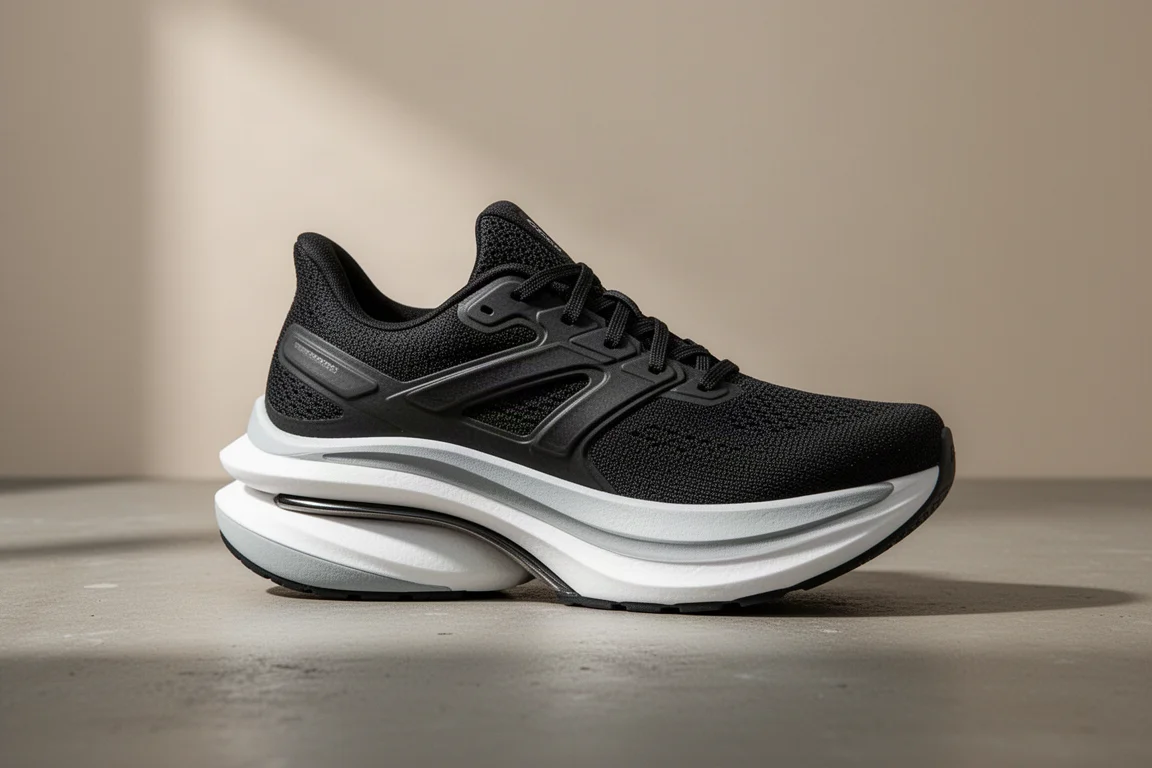
Introduction
The New Balance FuelCell SC Trainer v3 sits in an interesting spot: a carbon-plated trainer with race-shoe levels of stack and softness, but a price tag that edges into premium race territory. Retail is listed at £229, though discounted units around £195 are out there, which already makes it one of the most expensive plated trainers around. After extended testing, the shoe holds up well in training, but the value conversation is hard to ignore.
Stack, Weight and Ride
The specs are imposing. Heel stack is 40mm in a sample size, coming in around 43mm in a UK size 11 (US 11.5), with roughly 37mm in the forefoot for a 6mm drop. Weight is about 311g (11oz), which is impressively light for a shoe with this much foam. Surface area is generous too: about 12.5cm at the widest point of the forefoot and 9.4cm at the heel, giving a broad, stable landing platform.
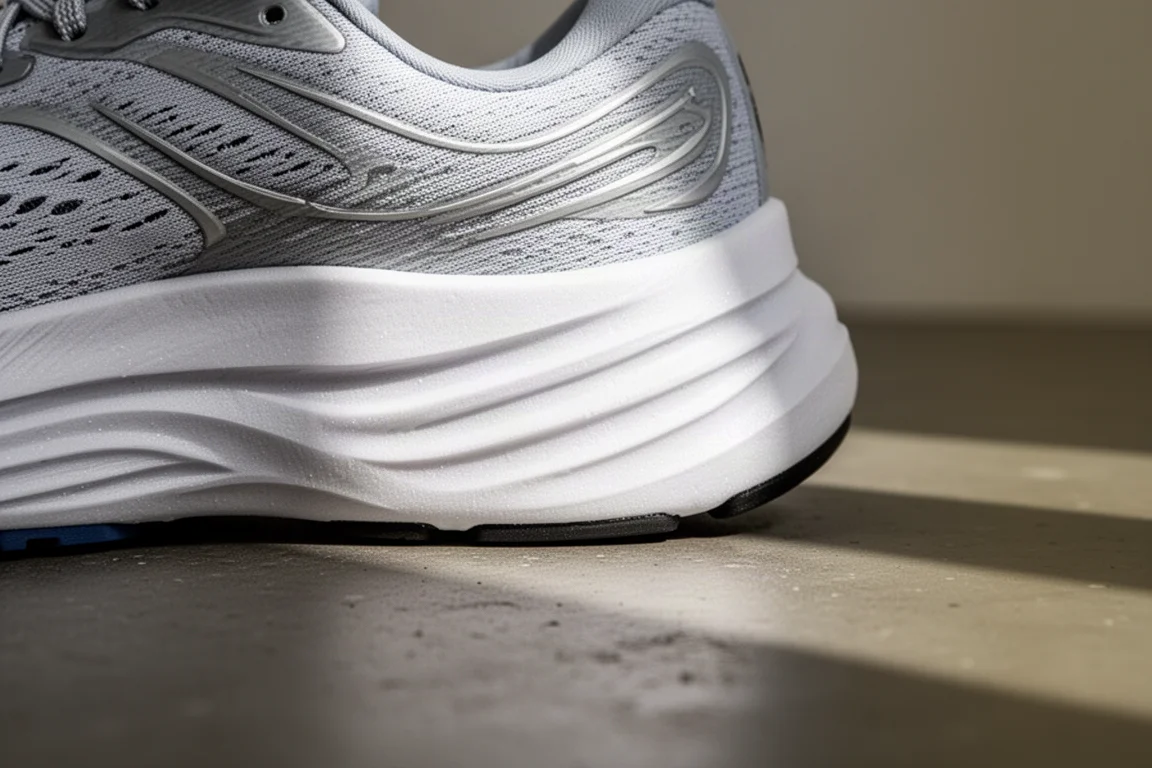
The FuelCell foam is nitrogen-infused TPU and measures around 22 on the Shore A scale, making it one of the softest midsoles tested. In practice it doesn’t feel quite as soft as the durometer number suggests, because the carbon plate adds a specific level of rigidity. The result is a smooth, cushioned, slightly propulsive ride rather than an aggressive snappy one. The forefoot rocker is gentler than in comparable race shoes, and the 6mm drop works well for longer efforts.
Upper and Fit
The v3 upper is a clear improvement over the overly baggy Rebel v4 and the problematic v1. It is more tuned in for narrow to normal-width feet, with slightly thicker materials and a more traditional trainer-like approach: structured overlays, notable New Balance logo panels on both sides, extra heel padding, and a traditional heel counter.
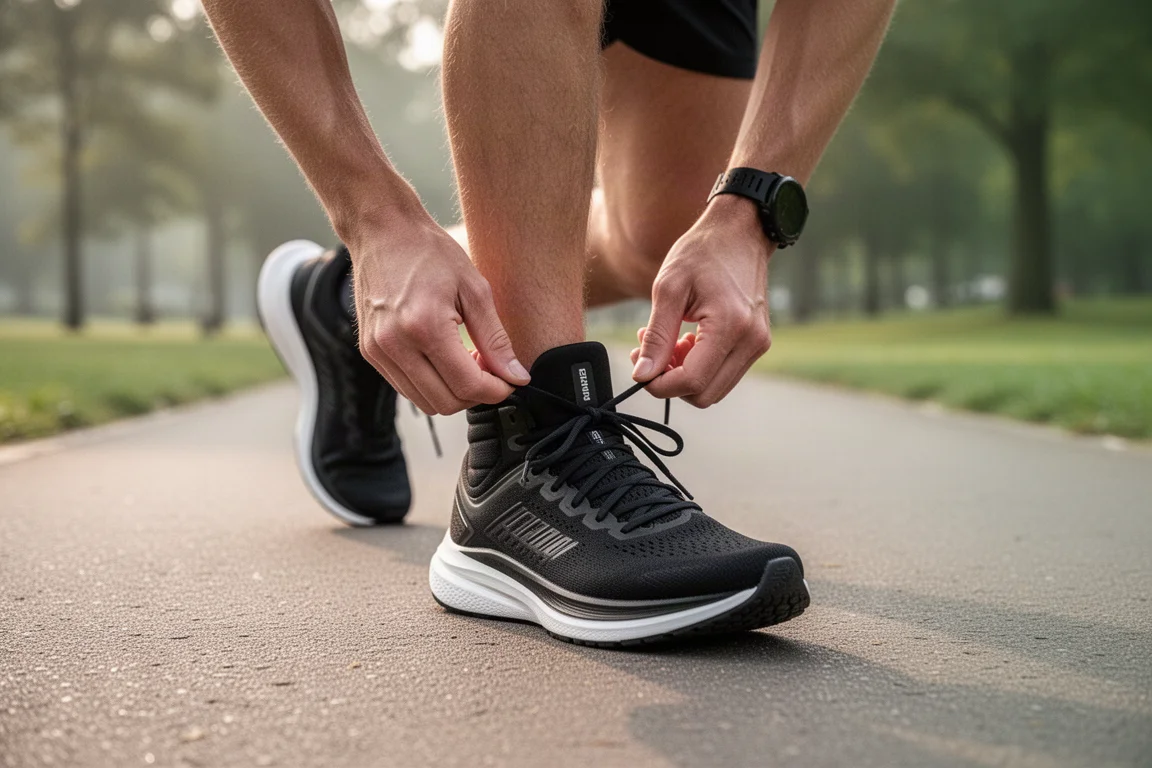
The stretchy laces lock down well without a runner’s knot, the partially padded and gusseted tongue stays centered, and there is no heel slip. Sizing sits somewhere between true to size and slightly roomy: the tester needed to size down to a UK 11 in New Balance shoes, so trying before buying is wise. Breathability is decent without being class-leading, fine even in warm summer weather.
One caveat: a bit of rubbing developed on the lateral side near the ball of the ankle, likely from sinking into the very soft foam. The stock insoles are thin, almost sock-liner-like, and not glued in. Swapping them for a slightly thicker aftermarket insole raised the foot away from the problem area, though needing to do that out of the box at this price is disappointing.
Outsole and Durability
New Balance appears to have learned from past outsole missteps. The rubber sits proud of the exposed foam rather than being sunk in, the pattern differs from previous efforts, and the rubber extends back to the end of the heel. Grip is good in both wet and dry conditions on road and pavement, and enough flex remains in the forefoot.
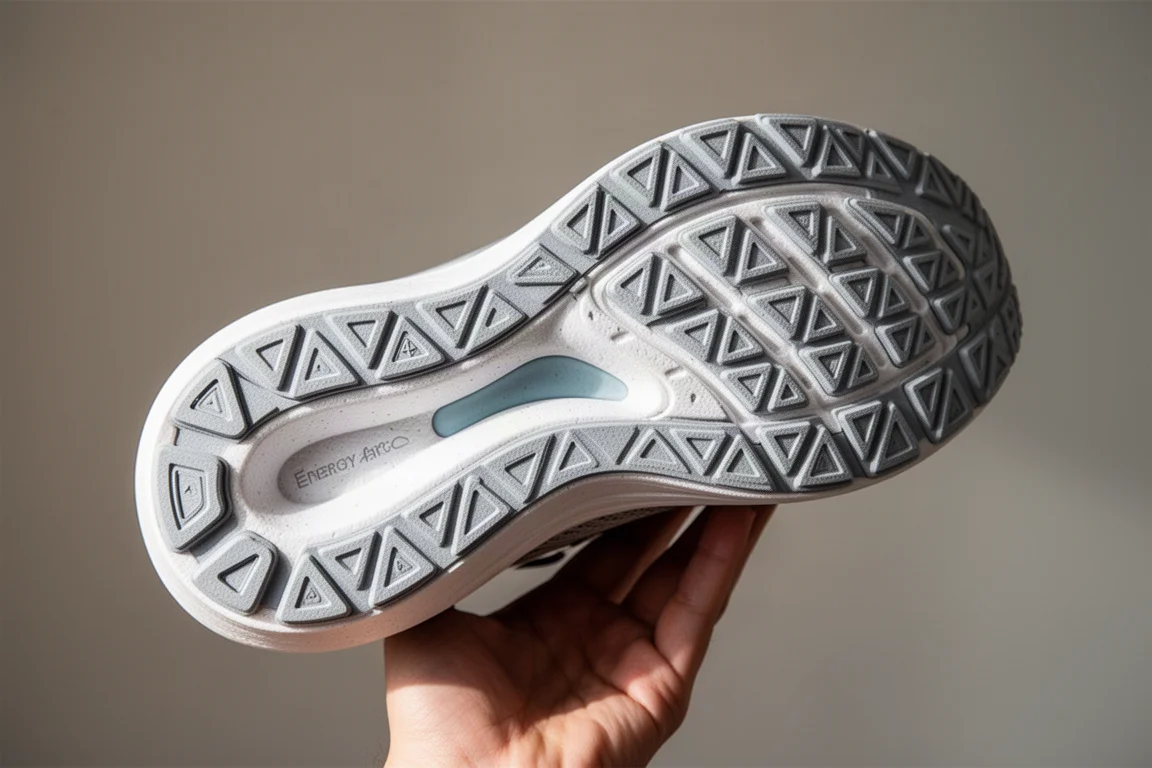
The energy arc cutout area has been enlarged, so it picks up small debris and the occasional larger rock more easily, though not to a problematic degree. The rubber is soft to the touch, especially in the heel, which raises some long-term durability questions for a shoe intended as a trainer.
Value and Overall Impressions
Value is the sticking point. £229 at retail (around $290 converted) is a huge amount for a training shoe, especially when the same shoe retails for $180 in the US, roughly £142 equivalent, a large discrepancy between markets. Even at the discounted £195 it is a lot of money. Build quality is solid overall, with only minor spacing visible where the two foam parts join, but the thin stock insole does not help the premium argument. Alternatives such as the Puma Deviate Nitro 3 retail considerably less, with similar weight and likely more confirmed outsole durability.
Scores after initial testing break down as roughly 2.6 for the upper, 2.7 for the midsole, 2.6 for the outsole, and 2.4 for value, totaling 10.3 out of 12.
Who Should Buy It
This is a long-run and marathon-effort trainer, not a fast day or half marathon racing shoe. It works across easy paces from around 8:30 per mile up to half marathon effort around 6:50 per mile, and it could even see some daily use. It suits runners who want a wide, stable platform and don’t get along with narrower-plated shoes, or who simply want a very smooth, very cushioned plated ride. It also draws natural comparisons to the Hoka Cielo X1 given the similar price, weight, and stack.

Conclusion
The FuelCell SC Trainer v3 is a good shoe with a genuinely excellent midsole, a much-improved upper, and a capable outsole. Whether it justifies £229 is another question entirely, and that’s the main reservation. For runners prioritizing comfort, stability, and stack over speed, it earns its place, ideally bought at a discount.
Product link
View more details for New Balance FuelCell SC Trainer v3
This product is mentioned in the review. Check the specifications, options, and compatibility before buying.
View more details for New Balance FuelCell SC Trainer v3Further reading
Related Reviews

Running Shoes
Best Road-to-Trail Running Shoes: Three Versatile Options for Mixed Terrain
A practical guide to three road-to-trail running shoes that handle both pavement and mild trails, with clear strengths and trade-offs for different runner types.

Running Shoes
Best Running Shoes for Achilles Tendonitis: Three Options Explained
Three running shoes with different heel drops and support features designed to help reduce Achilles tendon pain during walking and running.

Running Shoes
Best Running Shoes for Women: Five Top Choices Ranked
A ranked guide to five women's running shoes, from versatile daily trainers to high-performance racing options, with real strengths and trade-offs for each.