Running Shoes
New Balance FuelCell SC Trainer v2 vs v3: Two Very Different Takes on a Plated Trainer
The FuelCell SC Trainer v2 is the bouncier, faster option while the v3 leans firm, stable, and trainer-first. Here is which one fits your running.
Introduction
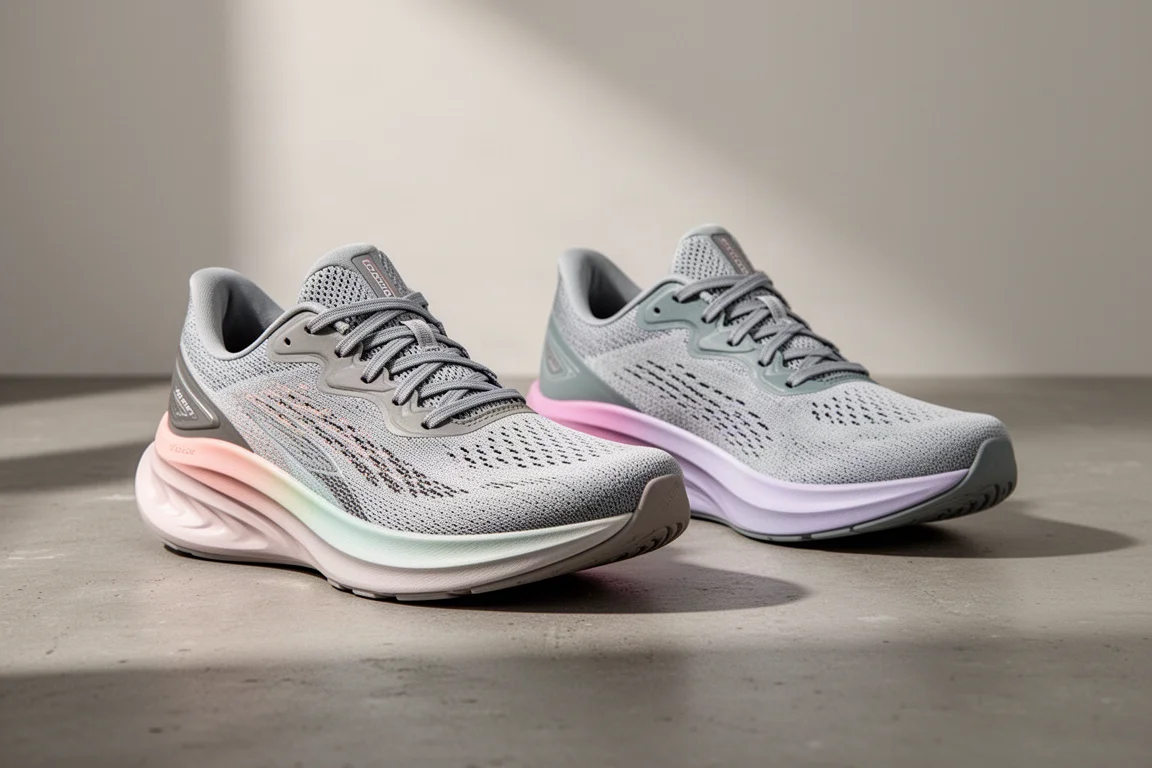
New Balance’s FuelCell SC Trainer line has quietly become one of the more interesting plated trainer families, and the jump from the v2 to the v3 is unusual: instead of a straightforward update, the v3 shifts the whole personality of the shoe. The v2 is the faster, bouncier option that can even double as a race day shoe, while the v3 goes back toward being a more training-focused super trainer. If you loved the v2, the question is not whether the v3 is better, but which character you actually want on your feet.
Specs: Nearly Identical on Paper
On the spec sheet the two shoes are remarkably close. The v2 weighs 9.7 oz for a men’s size 9 and 7.8 oz for a women’s size 8, while the v3 trims things down slightly to 9.2 oz and 7.3 oz in the same sizes. Stack heights are identical: 40 mm in the heel, 34 mm in the forefoot, for a 6 mm drop. Both use full-length FuelCell foam and a full-length carbon fiber plate, though the foam compounds differ slightly.

That is roughly where the similarities end. Everything that actually matters about how these shoes feel underfoot diverges sharply, starting with the ride.
Ride Feel: Bouncy Versus Firm
The FuelCell SC Trainer v2 has an incredibly bouncy ride with smooth heel-to-toe transitions no matter where you land. The carbon plate is there, but the shoe rolls forward naturally and picks up the pace easily. It works best for workouts, tempo runs, and longer intervals, and it is a genuinely good racing option for runners who find some super racers too aggressive.
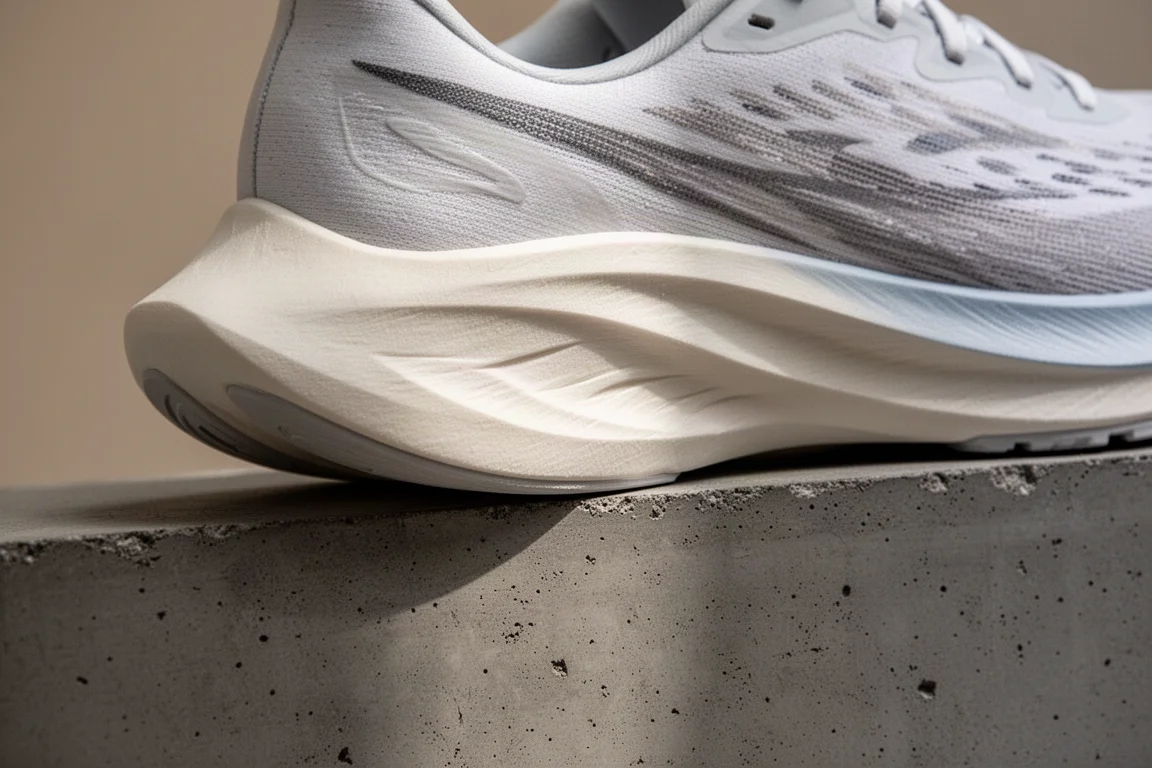
The v3 is a very different story. Out of the box it feels noticeably firm, and the plate makes its presence felt early. It took around 20 miles before any real bounce appeared, and even then it remained on the firmer end for a shoe with this much stack height. It is still very protective and well cushioned compared with more traditional foams, with a bit more bounce under the heel, but firmness is the defining trait. If you break it in patiently, it rewards you; if you want immediate bounce, the v2 is the safer pick.
Stability: Neutral Versus Guided
Stability is another clear dividing line. The v2 is decidedly not a stable shoe: it is very neutral, and runners with stability concerns or less confident knees will likely find it demanding.
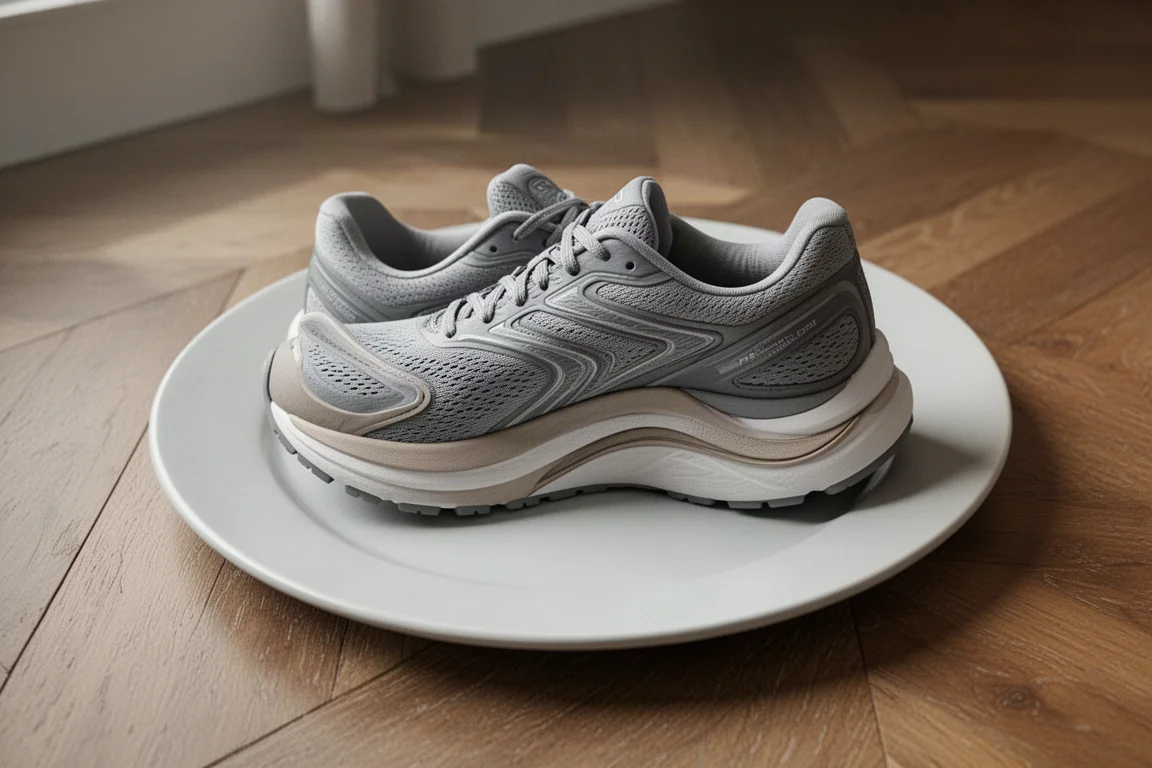
The v3 handles this much better. Its sidewalls are significant on both sides of the shoe and fill in the midfoot, creating a guided ride from heel to toe. It is still not a stability shoe, but the added plate stiffness plus those sidewalls make it noticeably more secure. If you need something a little more stable, the v3 wins; if you want pure neutral freedom, the v2 is the better choice.
Uppers: Volume and Toebox Trade-offs
The uppers share some DNA but differ in fit. The v2 runs slightly lower volume with a fairly normal width and a little taper at the forefoot. The v3 offers a bit more volume and width through the rest of the shoe, but its forefoot taper is noticeable and can take some getting used to. Runners who need a little extra width overall and do not mind the taper may prefer the v3, while those wanting more consistent roominess will likely favor the v2. Both have fairly stiff heel counters and about the same amount of rearfoot padding.
Which One Should You Buy?
Both are solid shoes for very different reasons. The v2 is the faster option: it can handle uptempo miles, work as a workout shoe, and even serve on race day, and with the v3 now out it can often be found on sale, which makes it an even stronger value pick.
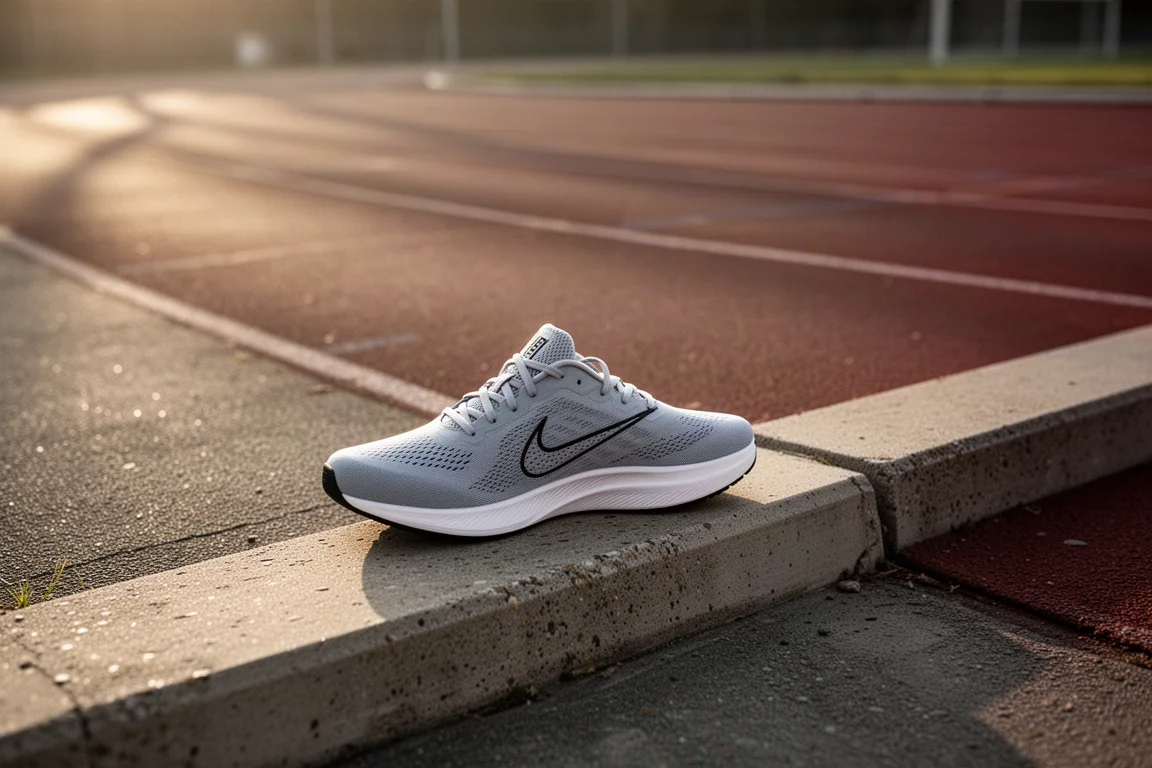
The v3 is the better true super trainer: stiffer, with a nice rocker and a more guided, stable ride. Runners with stiffer toe joints may also appreciate the v3, since the v2 carries a touch more toe spring and a slight bit of flexibility as it breaks in. If you want one plated shoe that does everything at training pace, choose the v3; if you want the faster shoe that can race, choose the v2.
Conclusion
The FuelCell SC Trainer v2 and v3 are less of a generational update and more of a fork in the road. The v2 stays the bouncy, faster trainer-racer hybrid, while the v3 becomes a firmer, more stable, more training-focused plated shoe. Matching the shoe to how you actually run matters far more here than picking the newer version.
Product link
View more details for New Balance FuelCell SC Trainer v2
This product is mentioned in the review. Check the specifications, options, and compatibility before buying.
View more details for New Balance FuelCell SC Trainer v2Further reading
Related Reviews

Running Shoes
Best Road-to-Trail Running Shoes: Three Versatile Options for Mixed Terrain
A practical guide to three road-to-trail running shoes that handle both pavement and mild trails, with clear strengths and trade-offs for different runner types.

Running Shoes
Best Running Shoes for Achilles Tendonitis: Three Options Explained
Three running shoes with different heel drops and support features designed to help reduce Achilles tendon pain during walking and running.

Running Shoes
Best Running Shoes for Women: Five Top Choices Ranked
A ranked guide to five women's running shoes, from versatile daily trainers to high-performance racing options, with real strengths and trade-offs for each.