Running Shoes
New Balance FuelCell SC Pacer Long Run Review: Fast but Fragile
A lower-stack carbon-plated racer pushed through 10 mixed-condition miles to see whether a harsh first impression still holds up.
Introduction
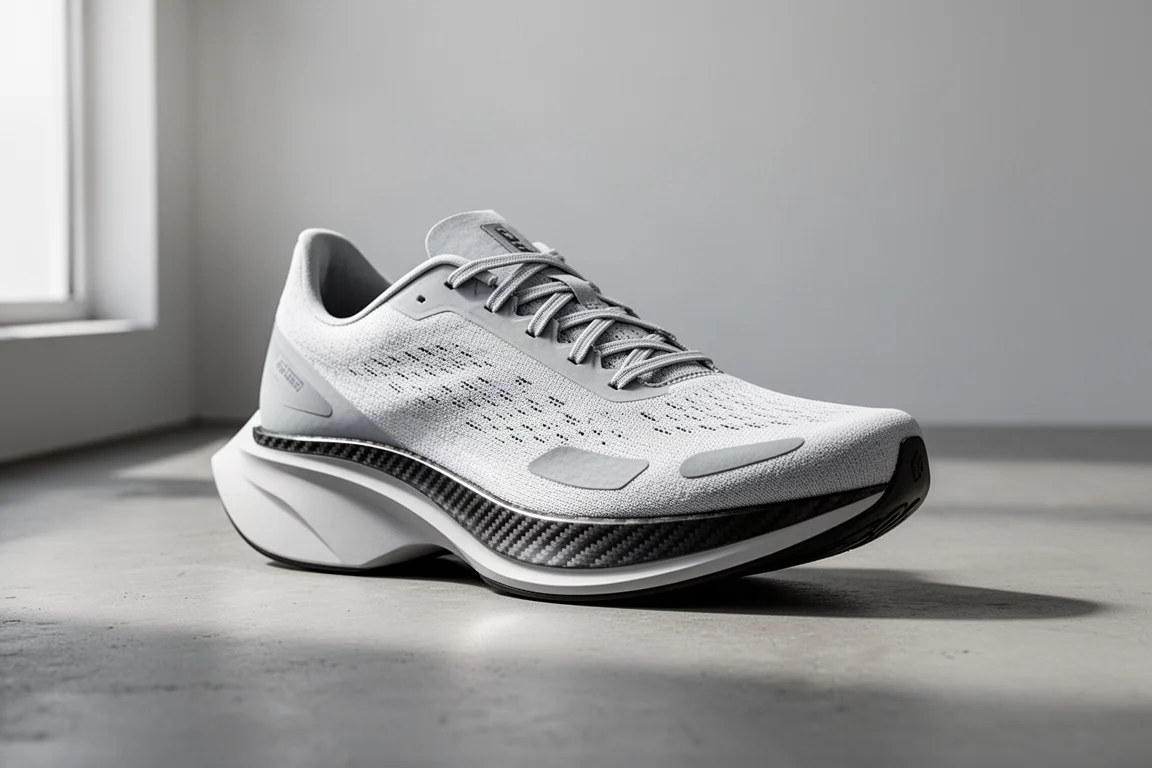
The New Balance FuelCell SC Pacer is a strange proposition: a lower-stack shoe with a carbon plate, minimal rubber on the outsole, and an upper that feels barely there. Built more like a race flat than a cushioned cruiser, it picked up a fairly harsh initial verdict after first runs, scoring around 64 percent, one of the lowest results for any shoe that year. A 10-mile (16.1 km) torture test through dry roads, wet sludgy paths, rain, and shine seemed like the right way to answer the question: was that first impression unfair?
The verdict, after a mixed-conditions route averaging 7:53 per mile over 1 hour 20: the initial call was largely correct. This is a shoe with real appeal in narrow situations, but serious compromises everywhere else.
Upper: Barely There and Hard to Lock Down
The toe box offers almost no protection. In covered tree sections on the test route, avoiding branches and other obstacles took real care, because the material is practically wafer thin.

The bigger problem is fit. Where most race shoes feel containing, the SC Pacer feels roomy, and no amount of lace cinching produces a secure lockdown. Thinner socks, thicker socks, retying a mile in: nothing solved it. Going down a half size makes the shoe too short in length, so the issue appears to come down to the last and the meager number of lace loops, which start further up the tongue than normal. That matters more here than in most shoes, because the rigid carbon plate demands solid foot contact with the midsole.
There is also a durability note: the light upper discolors quickly, and dish soap, elbow grease, and a brush would not shift the murky gray staining. Sizing feels odd too, with the foot gravitating toward the front of the shoe because lockdown is so limited. The result has been described as feeling like spatulas strapped to your feet.
Midsole: Serviceable on Longer Days
The lower stack was never the objection in the initial review, and on a longer run it felt serviceable, if not fantastic. Some runners have used this shoe for very fast times, even in the marathon, so longer distances are not off the table as long as the ride stays comfortable.
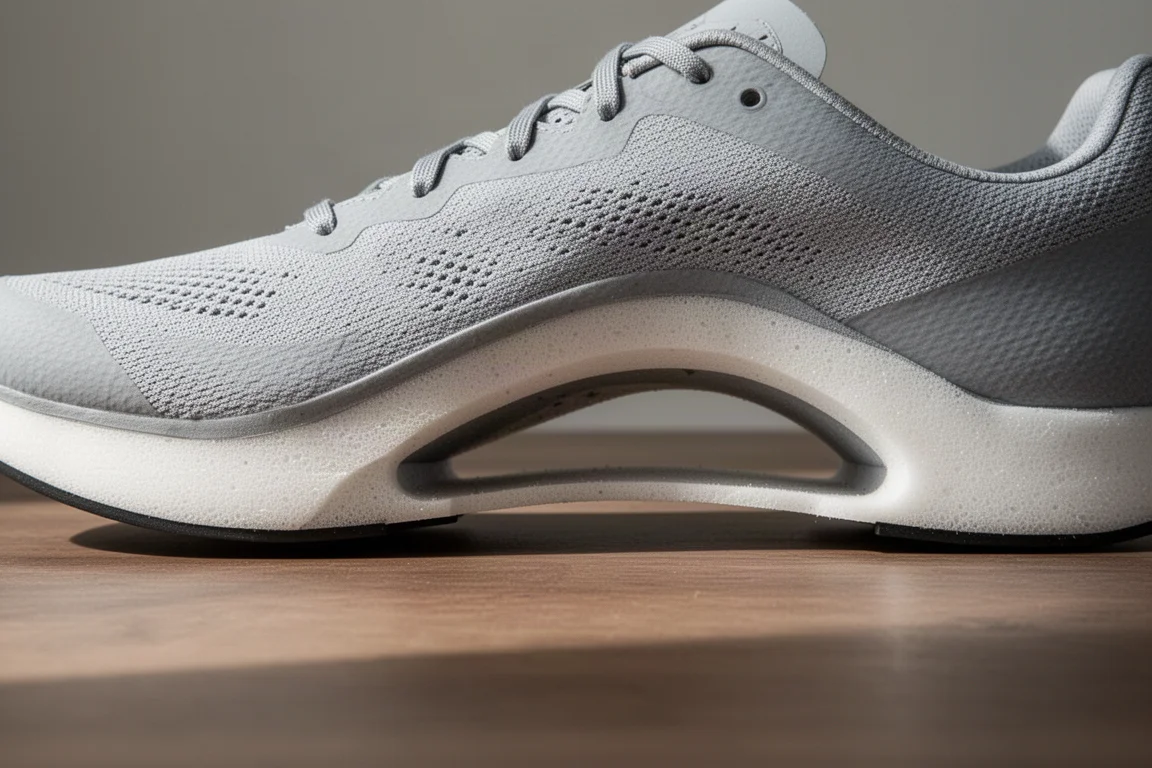
At moderate pace, the shoe pushes you toward a mid-to-forefoot landing and a quicker cadence. With a carbon plate sitting directly below the heel, you will not want to spend much time there. Used regularly in weekly training, it could genuinely train a more forefoot-oriented stride. It works best as a shoe for longer sessions with faster bursts or reps mixed in, and when the pace came up late in the test run, it felt noticeably nimbler than remembered. Lightness is a genuine benefit: roughly 224 grams in a UK 11.5.
For lighter runners, that could make it a good middle-distance option. Heavier-built runners should probably look elsewhere, because the midsole foam is likely to bottom out quickly. The arc cut out from the midfoot to the heel leaves very little foam in the rear of the shoe. Reported stack figures sit around 28 mm in the heel, though measurement suggested closer to 31 mm; either way, it rides very low to the floor. The cushioning is firmer and flatter than something like a Streakfly, closer to the firm feel of the original FuelCell Rebel, and it makes shoes like the Adios 6 or 7 or the Takumi Sen 8 feel like comfortable mattresses by comparison. Those who remember the Takumi Sen 6 or 7 may find a familiar friend here, though the Adizero uppers were far more crafted and glove-like.
Outsole: The Biggest Weakness
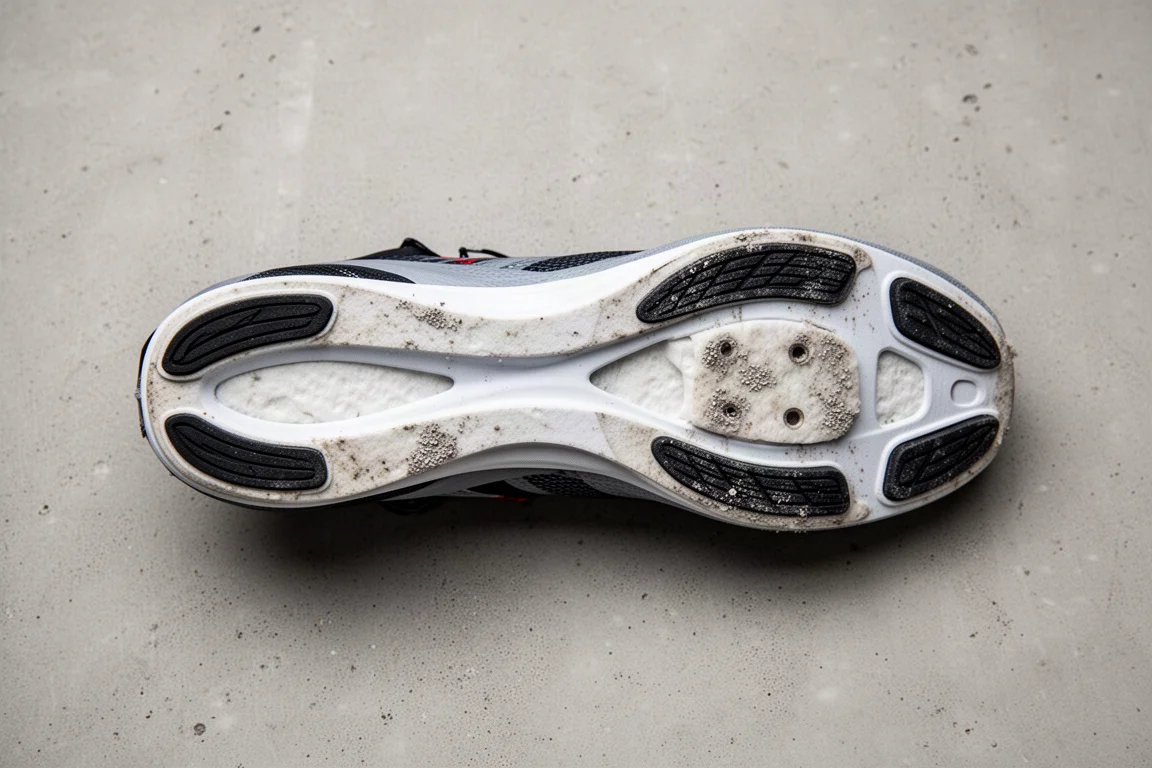
The outsole is where enthusiasm drains away. The shoe leans heavily on forefoot rubber, and landing midfoot or further back feels noticeably unstable. Considerable wear appeared after only 20 miles: heel strikes have ripped the exposed foam, and abrasion is already visible in the midfoot. The exposed foam simply disintegrates, especially when wet.

Grip is another letdown. The rubber elements in the forefoot and heel sit slightly lower than the exposed midsole, so the foam takes more of the brunt, leaving the surface contact feeling tentative. On anything other than a nice flat surface, this shoe is hard to recommend, and that tentativeness is particularly annoying when trying to turn up the pace.
Who This Shoe Is For
Very few people, honestly. As a potential race shoe, it might work over a 5K on a very dry road route. Beyond that, it does not fit a clear category: it does not feel like a true race shoe, and it does not feel like a trainer either. It could serve as a track shoe for speed sessions, though other options offer better durability and grip. Lighter, mid-to-forefoot runners who want a nimble shoe for mixed pace sessions may get value from it, but heavier runners and anyone running on rough or wet terrain should pass.
Buying Advice
At the $160 retail price, the SC Pacer is simply hard to justify next to rivals like the Takumi Sen 8 or the cheaper Streakfly, both of which offer more versatile use cases, better durability, and improved outsole performance. The good news is that the shoe has already fallen into the sale bin: it has been spotted discounted to around $104, with a wide range of sizes available. Even discounted, a reduced-price Streakfly or Takumi Sen 8 is likely the smarter buy for most runners.
If you do pick one up, go in with realistic expectations: treat it as a fair-weather, flat-surface speed tool, keep an eye on outsole wear, and expect to fight with the lacing to get a usable fit.
Conclusion
Was the initial impression wrong? No. The FuelCell SC Pacer has genuine strengths, including its lightness and nimble feel when the pace rises, but a roomy upper with weak lockdown, thin cushioning in the heel, and an outsole that wears and slips far too quickly hold it back at every turn. As a niche track or dry-road 5K option at a steep discount, it can make sense. At full price, it is one to skip.
Product link
View more details for New Balance FuelCell SC Pacer
This product is mentioned in the review. Check the specifications, options, and compatibility before buying.
View more details for New Balance FuelCell SC PacerFurther reading
Related Reviews

Running Shoes
Best Road-to-Trail Running Shoes: Three Versatile Options for Mixed Terrain
A practical guide to three road-to-trail running shoes that handle both pavement and mild trails, with clear strengths and trade-offs for different runner types.

Running Shoes
Best Running Shoes for Achilles Tendonitis: Three Options Explained
Three running shoes with different heel drops and support features designed to help reduce Achilles tendon pain during walking and running.

Running Shoes
Best Running Shoes for Women: Five Top Choices Ranked
A ranked guide to five women's running shoes, from versatile daily trainers to high-performance racing options, with real strengths and trade-offs for each.