Running Shoes
New Balance FuelCell SC Elite v5: A 100-Mile Durability Review
After 100 miles of hard running, this super shoe has proven surprisingly comfortable, consistent, and durable. Here's what held up and what didn't.
Introduction
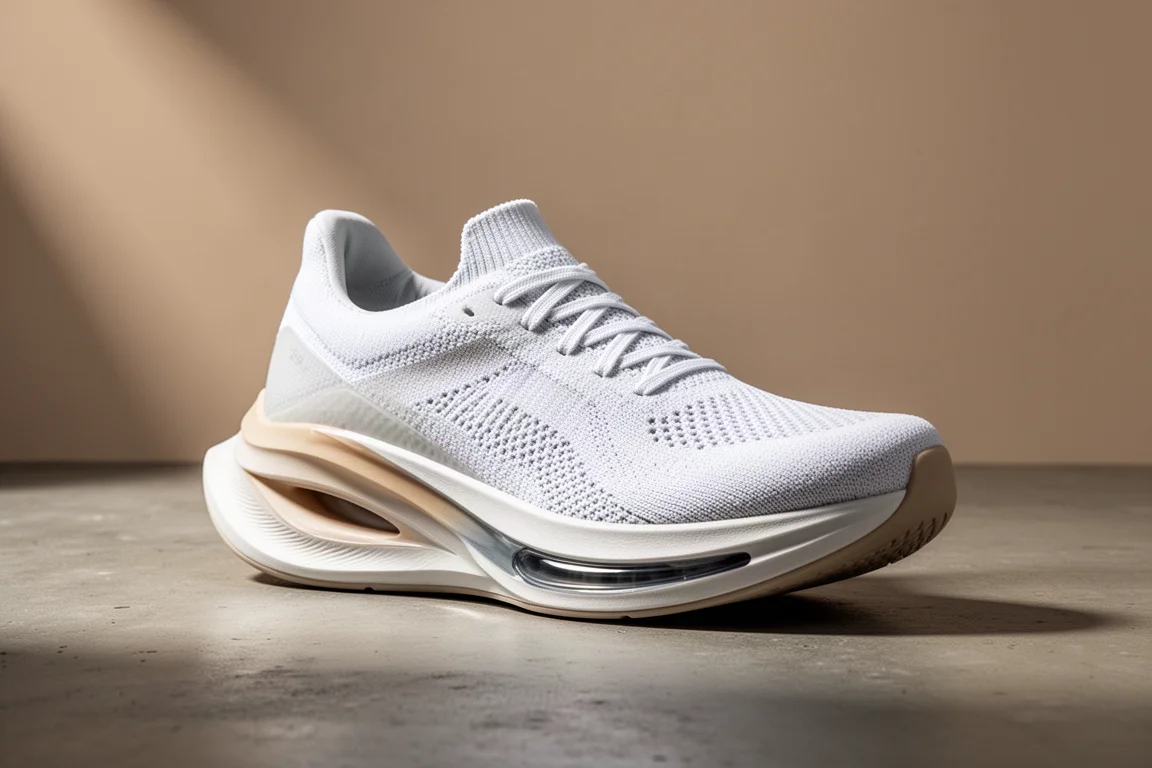
The New Balance FuelCell SC Elite v5 is the brand’s super racing shoe, and this review comes after 100 miles of genuinely hard use rather than the 30 to 50 miles most first impressions are based on. Long-term wear reveals things early-mile impressions never can: how the fit settles, how the midsole breaks in, and whether the outsole actually survives.
The short version: this is not the fastest shoe on the market, but it has become one of the most comfortable super shoes of the year. It is lighter than before, uses full-length PEBA-based FuelCell foam, and has a more aggressive geometry with a stiffer plate than earlier versions. Over the miles, though, it relaxed into a shoe that handles long runs and workouts alike, which is rare in this category.
Who This Shoe Is For
This shoe makes the most sense for runners focused on 10K distances and up. It struggles at 5K pace and below because the midsole simply does not respond quickly enough for very short, fast efforts. But once you settle into a rhythm, it maintains a remarkably consistent underfoot feel: the first mile can feel exactly the same as mile 14 or 15.
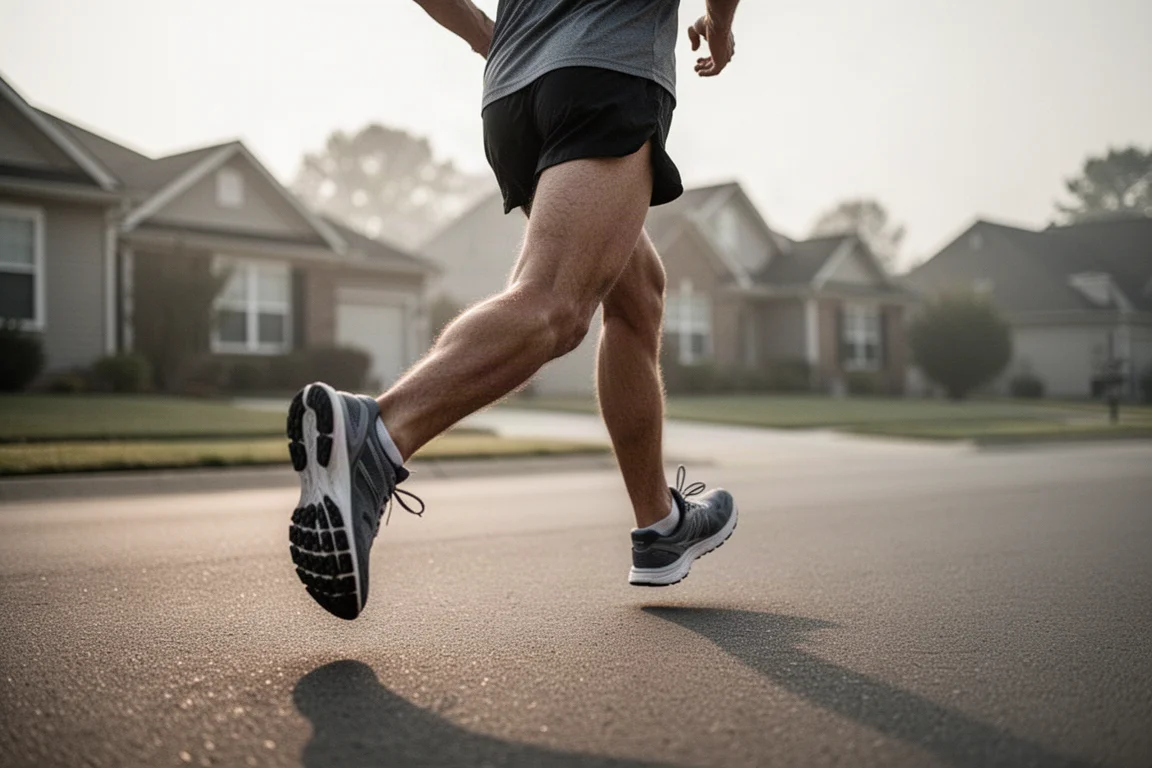
It also works surprisingly well for recreational runners. The series has a history of comfort, and despite the more aggressive geometry, this may actually be a good candidate for a first super shoe. If a marathon were happening tomorrow, this would be one of the first shoes grabbed off the shelf.
Fit and Upper
In men’s size 10, the shoe weighs 7.8 ounces, about 220 grams. That puts it in the mid-to-slightly-heavier range for a super shoe, not the lightest and not the heaviest, but it feels genuinely comfortable on foot.
The upper is a standout. It offers a fairly wide toe box for a racing shoe, with a stretchy material that has some volume, letting toes wiggle and accommodating swelling on long runs. There is extra room on the medial side if you need big toe space. The overall fit is more normal width than some super shoes, though not the widest option: runners with very wide feet may still struggle. The laces need to be locked down a bit for a secure feel, and the upper stays breathable even on hard efforts.
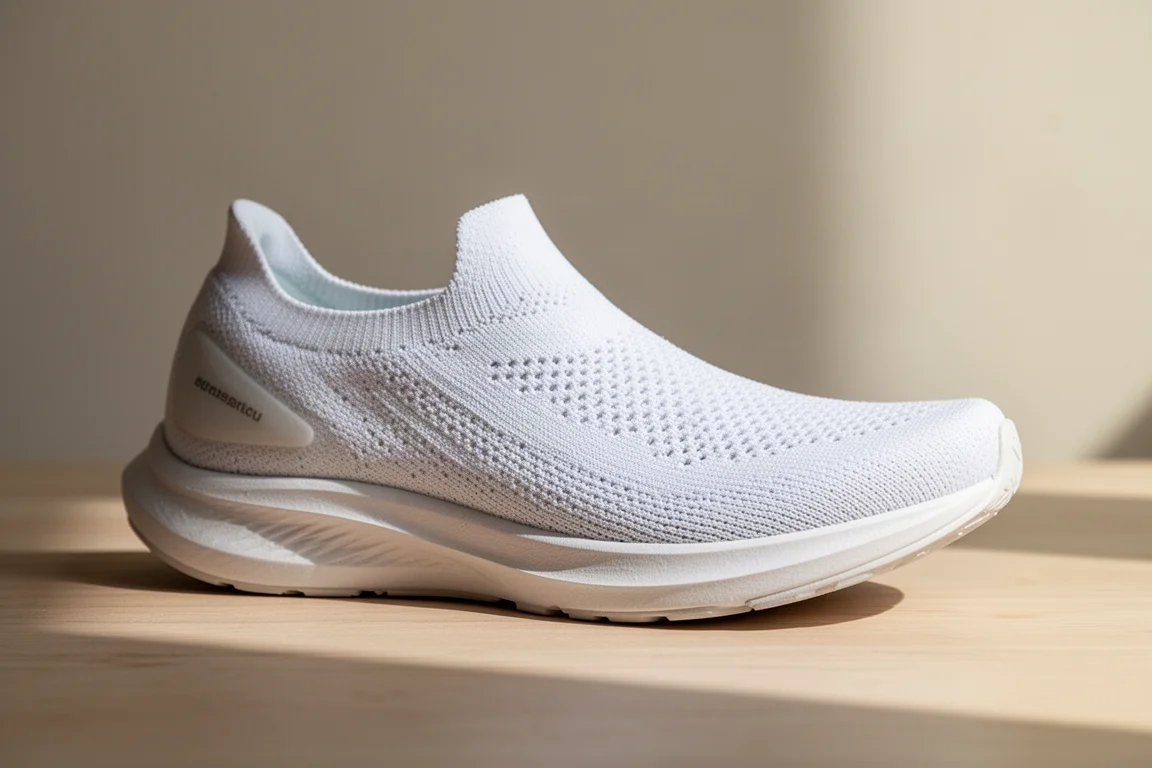
Two caveats: the heel counter is stiff with a little flexibility, which can bother sensitive heels, and the shoe is not meant for trails given the light upper. Durability has been excellent, with no visible wear on the upper after 100 miles. It is one of the rare racing shoes you can keep wearing after the run without it feeling constrictive.
Midsole and Ride
The midsole uses full-length PEBA-based FuelCell foam with a full-length carbon fiber plate, 40mm of heel stack, 32mm in the forefoot, and an 8mm drop. That drop sits right in the middle and transitions smoothly, which suits runners with mild Achilles irritation particularly well.
Here is the honest part: for the first 30 to 40 miles, the plate felt extremely stiff. Pushing the pace felt awkward, like the plate would not bend. After 40 to 50 miles, it relaxed noticeably. It is still stiff and rockered, but the ride became more flexible and far more comfortable toeing off. That break-in made it feel a touch better at 10K pace too.
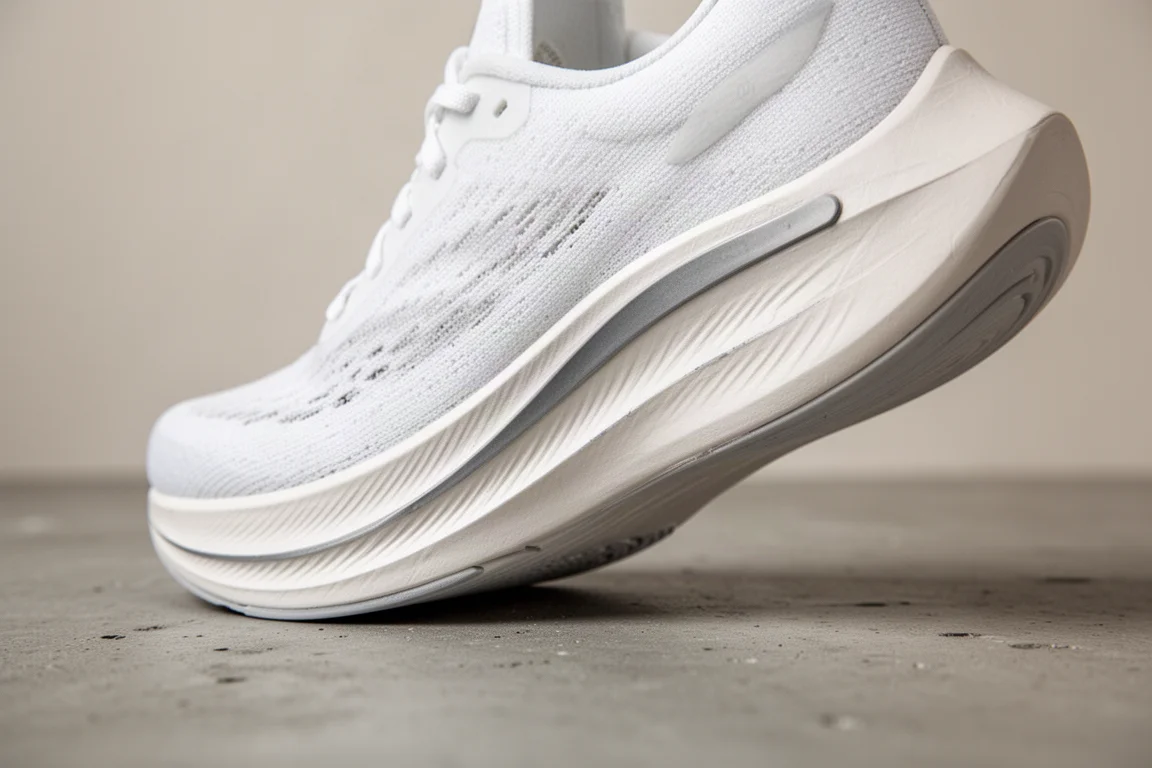
It is not the bounciest or most responsive midsole available, and it will not throw fast runners forward the way some competitors do. But it holds its feel exceptionally well over long miles, and the midsole durability has been excellent with no noticeable change in character. Heel strikers get a different feel from forefoot landings, and this shoe transitions best heel to toe.
One genuine surprise: stability. The midfoot and heel are narrow, so expectations were low. Yet the shoe has handled long runs remarkably well, likely due to limited lateral flare, decent medial flare especially in the forefoot, slight medial flare in the heel, and a heel that appears wedged slightly laterally. It is not a stability shoe, but runners with mild stability needs may find it works better than the narrow midfoot suggests. Heavier lateral strikers may not enjoy it.
Outsole Durability
The outsole was the biggest question mark going into this test, and the answer is genuinely impressive. At 100 miles, the outsole pieces are still attached and there is very little wear, just a small amount at the lateral forefoot. Given how badly some shoes in this category fall apart, this one hanging on is a real point in its favor.
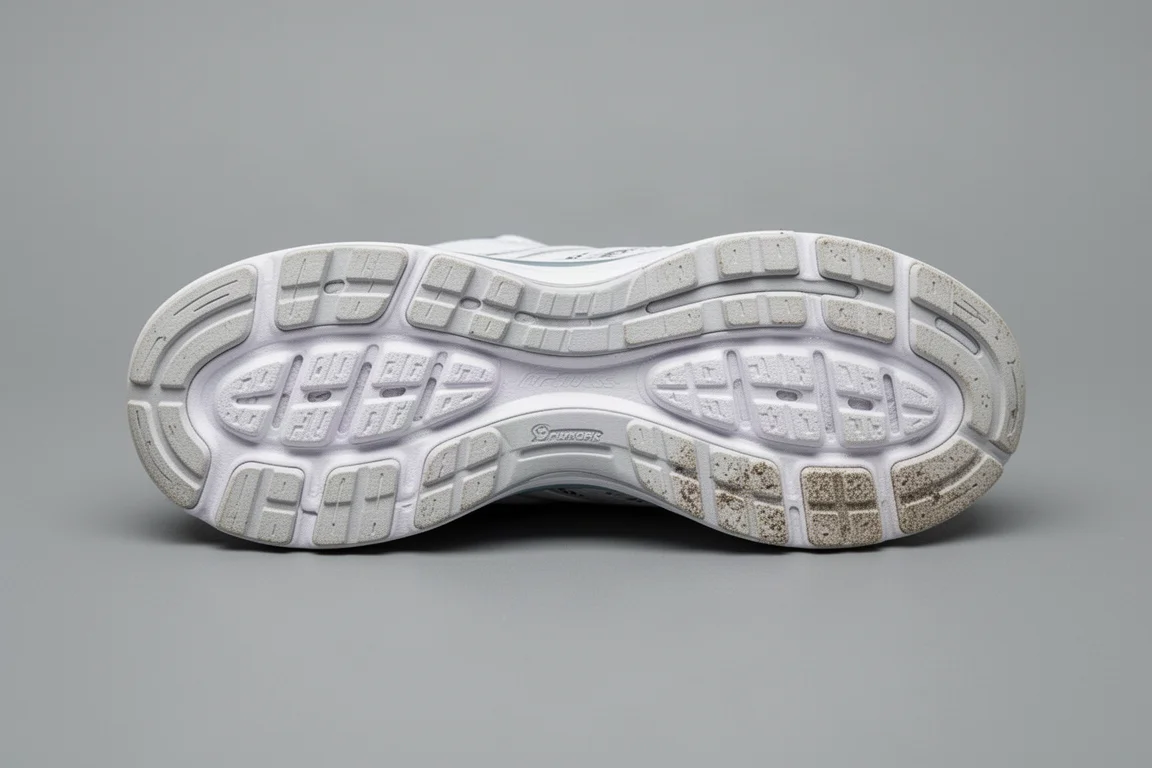
At around $250, that durability matters. A super shoe that survives 100 miles while staying comfortable and versatile is increasingly rare, and it puts this shoe firmly in the conversation for super shoe of the year, not because it is the fastest, but because it is the most comfortable.
Buying Advice
If you want a super shoe for half marathon and marathon racing, long runs, and longer intervals, and you value consistency over raw speed, this is an easy recommendation. It suits recreational runners and experienced racers alike, and may even work as a first super shoe thanks to its comfort.
Skip it if you want the fastest short-distance racer on the market, need a very wide fit, have a sensitive heel, or plan to run trails in it. Heavier lateral strikers should also be cautious given the narrow heel.
Conclusion
After 100 miles, the FuelCell SC Elite v5 stands out for comfort, consistency, and surprising durability. The plate needs a break-in period, and very short fast efforts are not its strength, but as a long-distance racing shoe that recreational runners can genuinely enjoy, it is one of the most impressive super shoes currently available.
Product link
View more details for New Balance FuelCell SC Elite v5
This product is mentioned in the review. Check the specifications, options, and compatibility before buying.
View more details for New Balance FuelCell SC Elite v5Further reading
Related Reviews

Running Shoes
Best Road-to-Trail Running Shoes: Three Versatile Options for Mixed Terrain
A practical guide to three road-to-trail running shoes that handle both pavement and mild trails, with clear strengths and trade-offs for different runner types.

Running Shoes
Best Running Shoes for Achilles Tendonitis: Three Options Explained
Three running shoes with different heel drops and support features designed to help reduce Achilles tendon pain during walking and running.

Running Shoes
Best Running Shoes for Women: Five Top Choices Ranked
A ranked guide to five women's running shoes, from versatile daily trainers to high-performance racing options, with real strengths and trade-offs for each.