Running Shoes
New Balance FuelCell SC Elite v4 vs v5: Which Super Shoe Fits Your Running?
Two very different takes on New Balance's top super racing shoe. We compare weight, stack, ride feel, stability, and fit to help you pick the right one.
Introduction
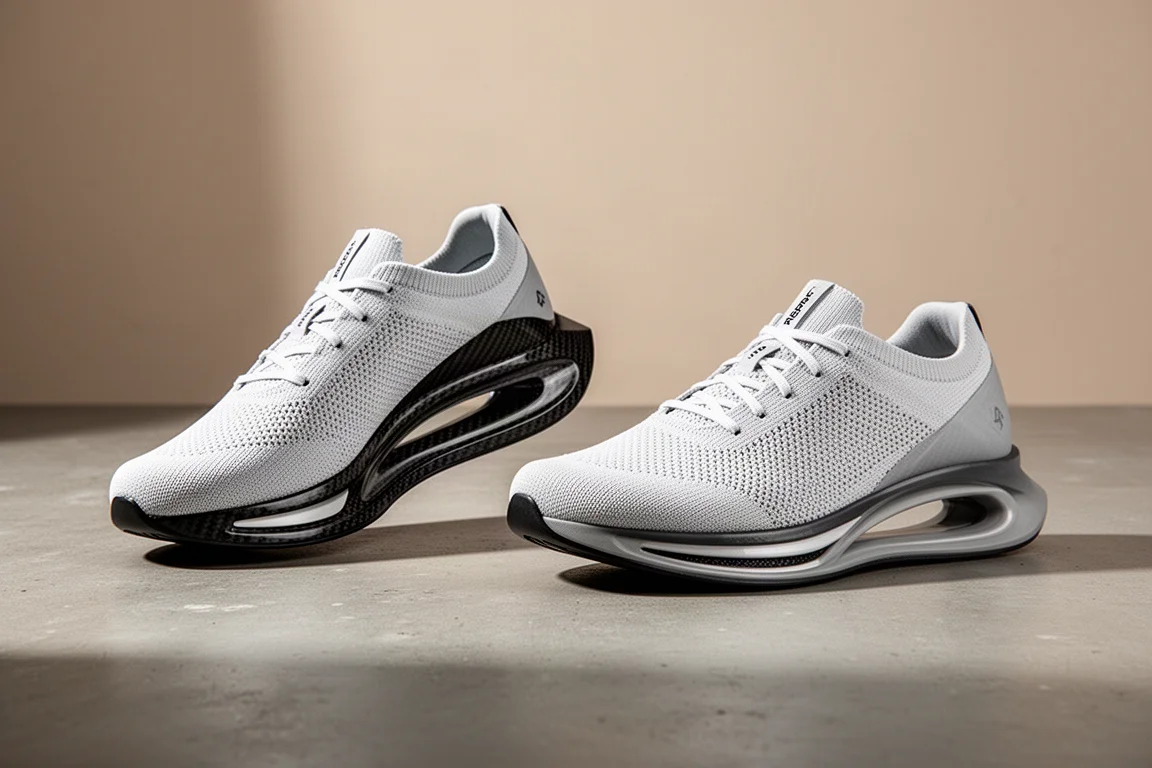
New Balance’s FuelCell SuperComp Elite line is the brand’s top-tier super racing shoe, but the v4 and v5 are almost two different ideas of what a super shoe should be. The v4 earned a reputation as one of the more comfortable and less aggressive super shoes on the market, a frequent recommendation for runners trying a super shoe for the first time or anyone needing a roomier fit. The v5 is a clear reset: lighter, firmer, and much more aggressive.
If you are deciding whether to move from the v4 to the v5, or choosing between the two within the New Balance lineup, this comparison breaks down exactly where they differ and who each one suits.
Specs and On-Feet Feel
In a men’s size 10, the SC Elite v4 weighs about 8.9 oz (254 g), while the v5 drops to roughly 7.8 oz (222 g). That is more than an ounce of weight removed between generations, and it is noticeable on foot. Both share a 40 mm heel, but the forefoot differs: the v4 sits at 36 mm for a 4 mm drop, while the v5 is 32 mm for an 8 mm drop.
That 4 mm drop in the v4 felt genuinely low, and it worked some calves harder than expected. The v5’s extra 4 mm in the drop is a welcome correction for runners who found the v4 too low. The geometry changes carry through the whole shoe, with the v5 losing both forefoot stack and rocker shape.
Ride Character: Soft and Rolling vs Firm and Snappy
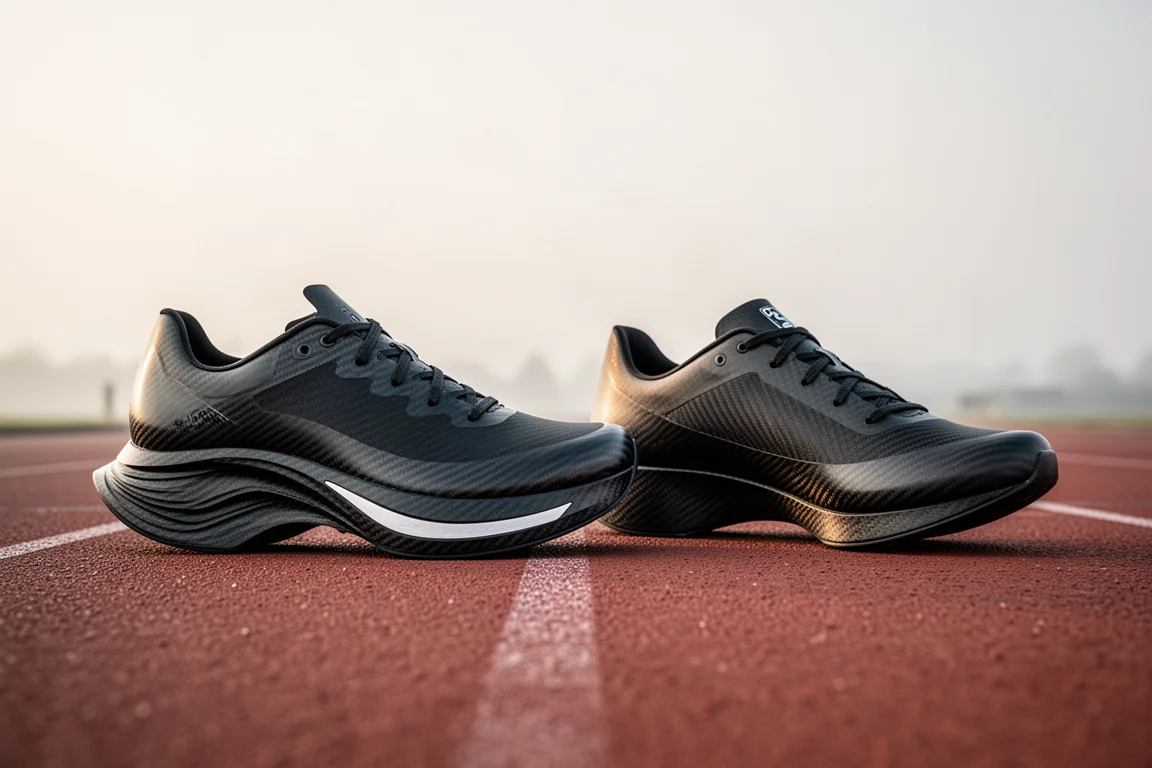
The v4 is the softer, bouncier shoe. It has a strong rocker, a plate that is present but not the stiffest around, and a ride that rolls nicely at easy paces, slower paces, and when picking things up. It is the more versatile option for everyday pace variety, and comfortable enough that you could walk around in it without complaints.
The v5 firms up the FuelCell compound. The heel still retains some cushioning, but the forefoot feels firmer and snappier, and the plate is far more prominent. The reduced rocker means it does not roll you along; you have to push the shoe, and when you do, it rewards you. The writer of this comparison has used the v5 for long runs successfully, despite its narrow platform, because the stiffer ride suits runners who push hard and run faster.
If you like toeing off from a firmer forefoot, the v5 is the pick. If you want an easygoing rocker that works at any pace, the v4 still does that better.

Stability: Two Very Different Answers
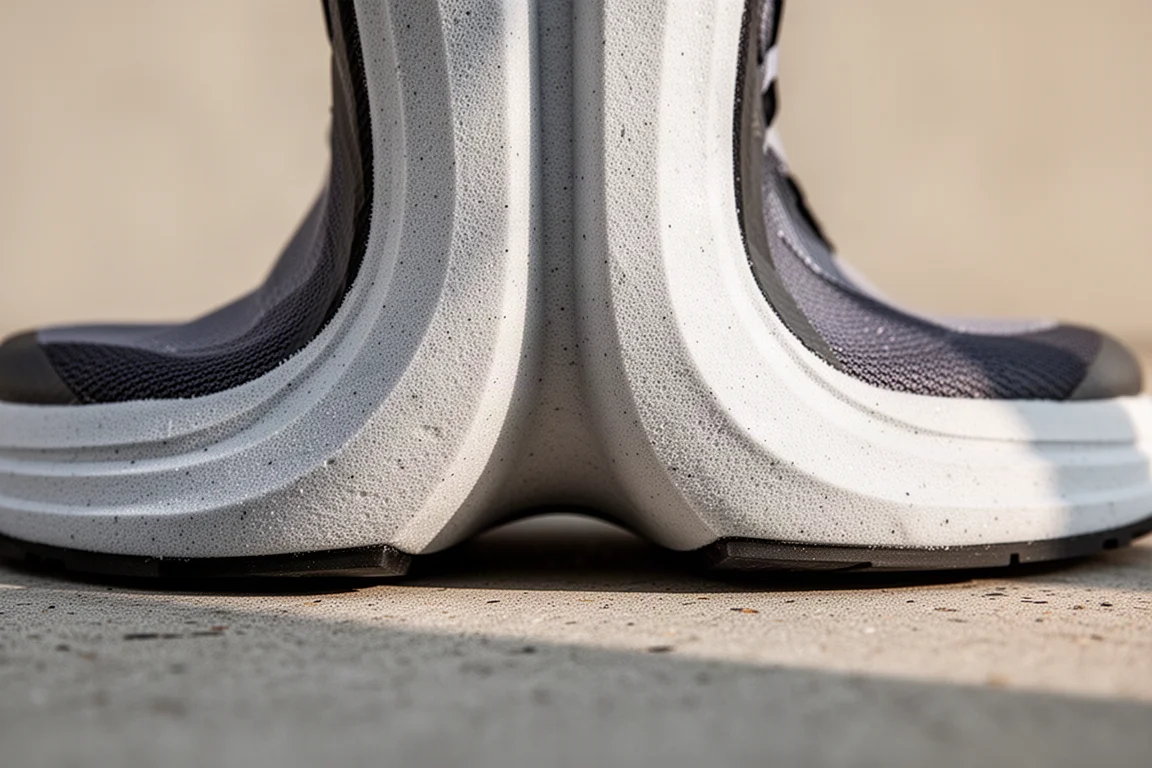
Neither shoe is a stability shoe, but they guide the foot in very different ways. The v4 has a noticeably wider sole with a central groove through the midfoot that saves weight and keeps things reasonably centered. It is fairly guided and not unstable, though the soft ride asks a bit more of the runner over long distances. For runners with mild guidance needs, its mild sidewalls and centered feel are welcome.
The v5 narrows the midfoot considerably, which is where most of the weight savings come from, and it is laterally biased. The bevel is set so the medial side sits slightly higher than the lateral side. Interestingly, the v5 has a significant forefoot medial flare, where the sole pops out on the medial side and helps prevent inward motion at toe-off. For the reviewer, that flare offset the heel cutout and explained why a narrow-midfoot super shoe survived long runs.
The practical takeaway: if you roll to the lateral side of your foot, the v5 will likely not work. If you need mild medial guidance, especially in the forefoot, the v5 may surprise you. The v4 remains the less biased, more centered option.
Upper and Fit
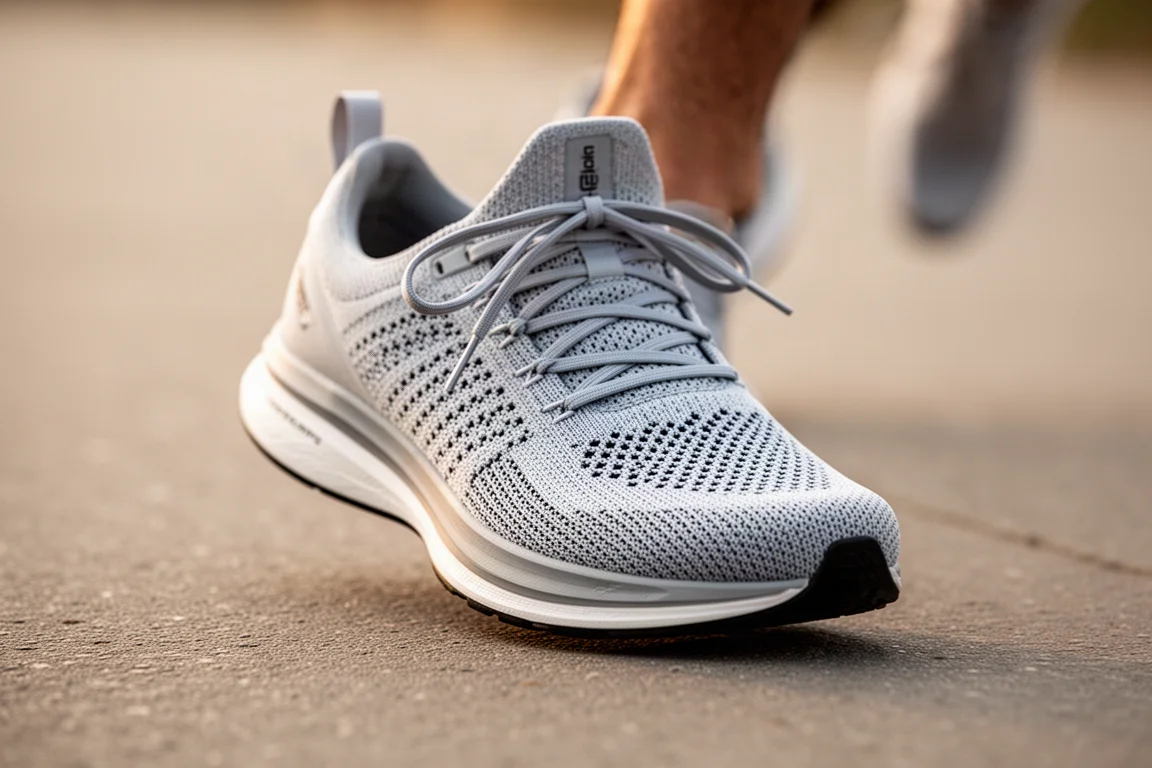
The uppers are completely different. The v4 has a higher-volume, wider fit with a stretchy Phantom Fit upper, great for wider or higher-volume feet, though lower-volume feet will need to lock the laces down hard. The v5 shifts to a racing-style fit: the forefoot is actually a touch wider so toes can spread a little without sloppiness, while the midfoot and heel snug up securely without overtightening, with no real heel slippage reported.
Both shoes have a mildly stiff heel counter. It is not severe, but runners with sensitive heels or those who want a very stiff counter should take note. In short: narrow or snug-fit preference means v5, more room throughout means v4.
Which One Should You Buy?
The v5 is the aggressive racer. It is lighter, firmer, and much better at handling fast paces and all-out efforts, and it is the clear choice for faster workouts. It is not quite where its closest competitors are yet, but it is a big step forward in aggressiveness for the line.
The v4 remains widely popular for good reason: an accommodating fit, a relaxed rocker ride, and enough pace range to cover easy days and faster efforts. Expect to find it on sale, which makes it an even stronger value for recreational runners. Runners with mild medial forefoot guidance needs who push hard should look closely at the v5, while anyone who wants comfort, room, and versatility should stay with the v4.
Conclusion
These are not two versions of the same shoe; they are two different tools. The v4 is the softer, rockered, more forgiving super shoe that suits recreational runners and wider or higher-volume feet. The v5 is the lighter, stiffer, laterally biased racer built for runners who push the pace hard and want a firm forefoot to toe off from. Choose based on how you run, not just which model is newer.
Product link
View more details for New Balance FuelCell SC Elite v4
This product is mentioned in the review. Check the specifications, options, and compatibility before buying.
View more details for New Balance FuelCell SC Elite v4Further reading
Related Reviews

Running Shoes
Best Road-to-Trail Running Shoes: Three Versatile Options for Mixed Terrain
A practical guide to three road-to-trail running shoes that handle both pavement and mild trails, with clear strengths and trade-offs for different runner types.

Running Shoes
Best Running Shoes for Achilles Tendonitis: Three Options Explained
Three running shoes with different heel drops and support features designed to help reduce Achilles tendon pain during walking and running.

Running Shoes
Best Running Shoes for Women: Five Top Choices Ranked
A ranked guide to five women's running shoes, from versatile daily trainers to high-performance racing options, with real strengths and trade-offs for each.