Running Shoes
New Balance FuelCell SC Elite v3 vs Saucony Endorphin Pro 3: Two Carbon Racers Compared
Two of the most talked-about carbon plate racing shoes go head to head: stack height, ride feel, fit and which one deserves your race day money.
Introduction
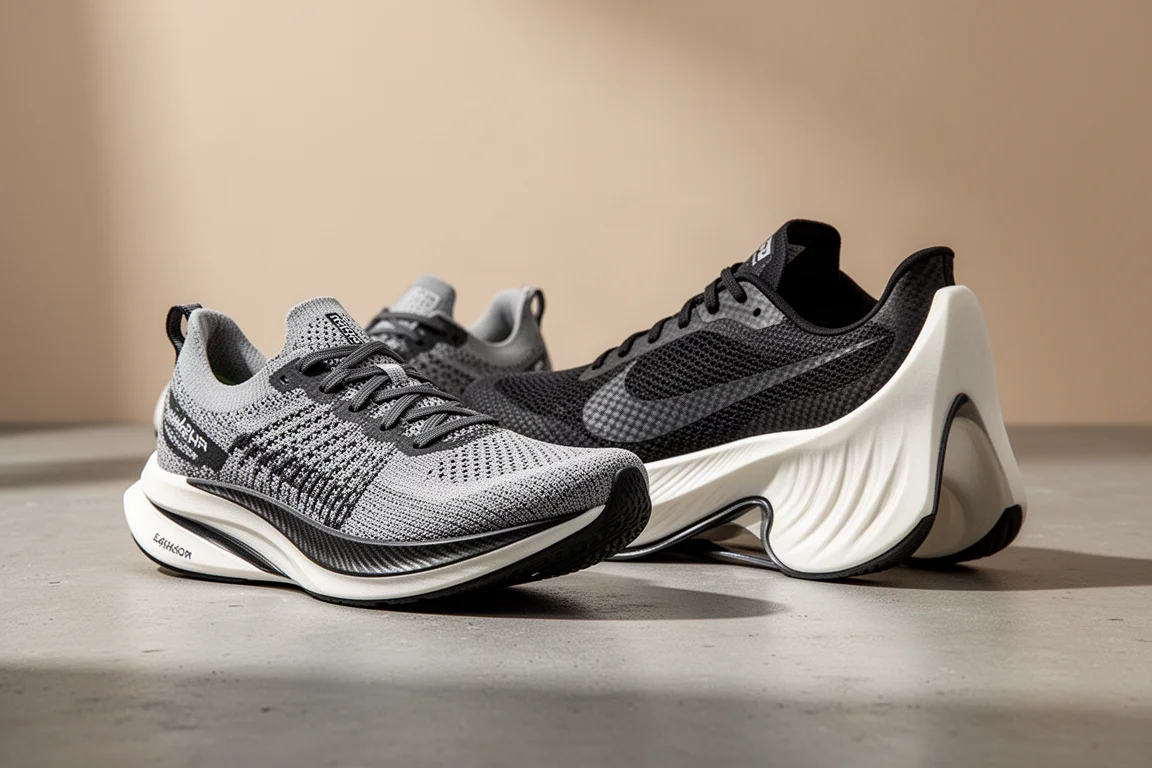
Carbon plate racing shoes have moved fast in the last few seasons, and two of the most interesting options right now are the New Balance FuelCell SC Elite v3 and the Saucony Endorphin Pro 3. Both are genuine race day candidates, both have been used for marathon training and racing, and both bring clear updates over their predecessors.
The SC Elite v3 costs 220 pounds or 249.99 and weighs 217 grams (7.7 ounces) for men in a size 8, with a 4mm drop. The Endorphin Pro 3 comes in at 210 pounds or 225 dollars, weighs 209 grams (7.4 ounces) in the same size, and has an 8mm drop.
New Balance FuelCell SC Elite v3
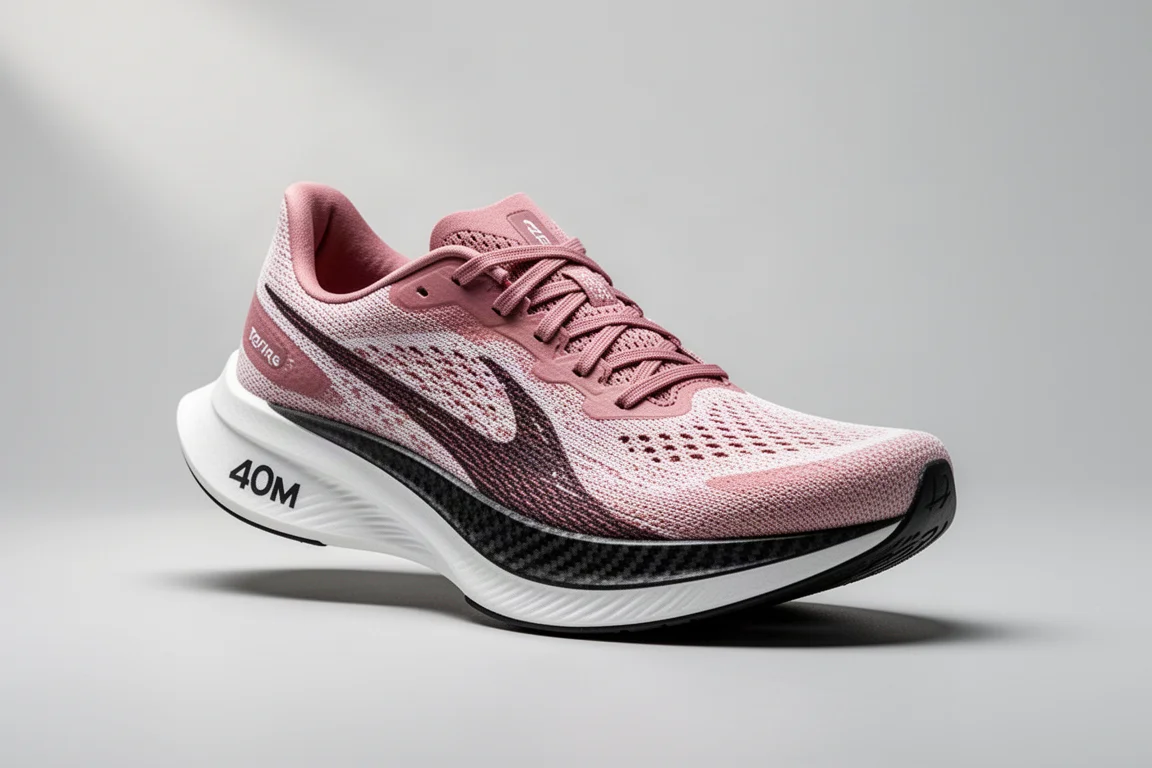
The SC Elite v3 follows the popular RC Elite v2 as a shoe built for speed on race day, but the updates change both the look and the feel. A two-layer FuelCell midsole combines with a carbon fiber plate to improve energy return, delivering a slightly firmer ride than the v2. The top layer of foam is firmer and the plate sits a little higher at the heel, so heel strikers get a more aggressive landing.
The upper is a lightweight booty-style knit with a snug, sock-like stretchy fit that is also breathable, paired with a one-piece integrated tongue for comfort. A new lacing design aims for secure lockdown, and the outsole has a modest level of rubber in key areas for durability and grip, including a distinctive rubber section over the midfoot cut-out that protects the plate.
On the run, the aggressive Energy Arc rocker and the lower 4mm drop create a fluid, fast ride that feels nimble over tempo reps and parkruns, yet the shoe stays comfortable enough for easy runs and longer cruise sessions. Testers found it a more complete racing shoe than the previous version and placed it firmly in the top tier of current carbon racers. The main caveat is fit: the tongue section and top of the ankle collar sit quite high with laces in an unusual position, and some testers found it rubbed slightly on the top of the foot. The toe box is also less roomy than some rivals, though most narrow-footed testers were happy going true to size.
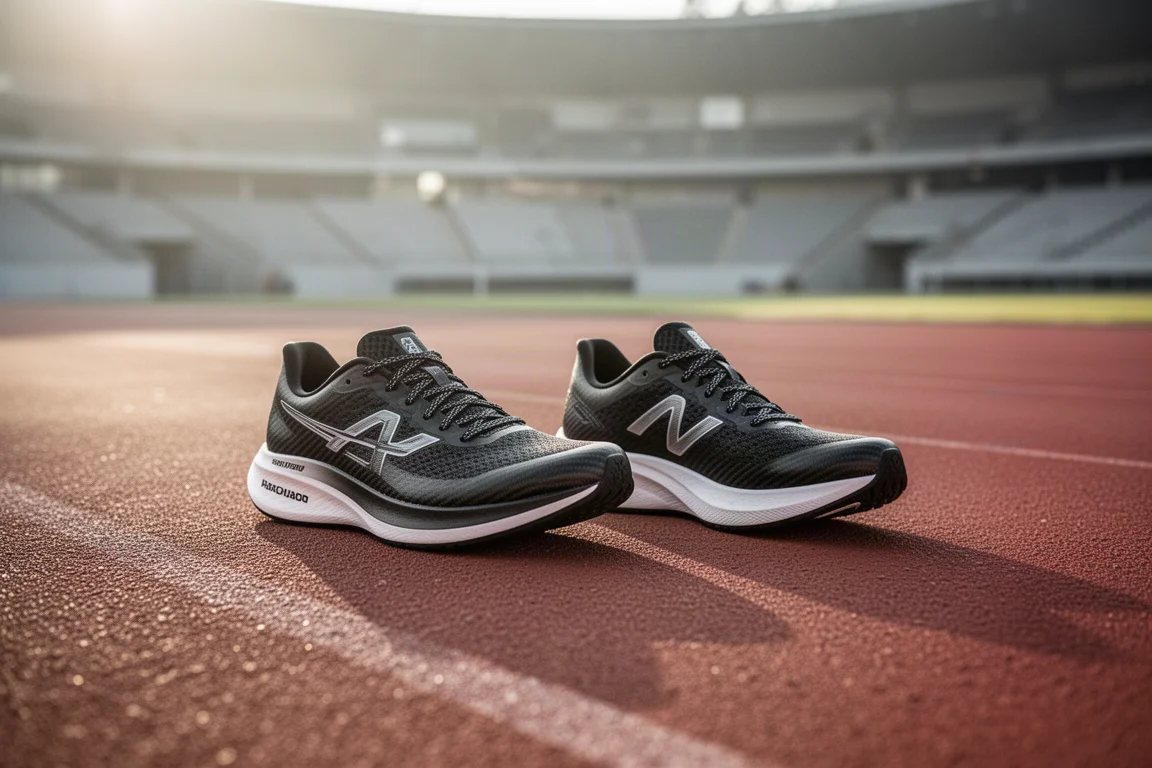
If you have loved FuelCell foam in the past and want a racing shoe with more edge than the RC Elite v2 while keeping a similar feel, this is a very strong pick.
Saucony Endorphin Pro 3
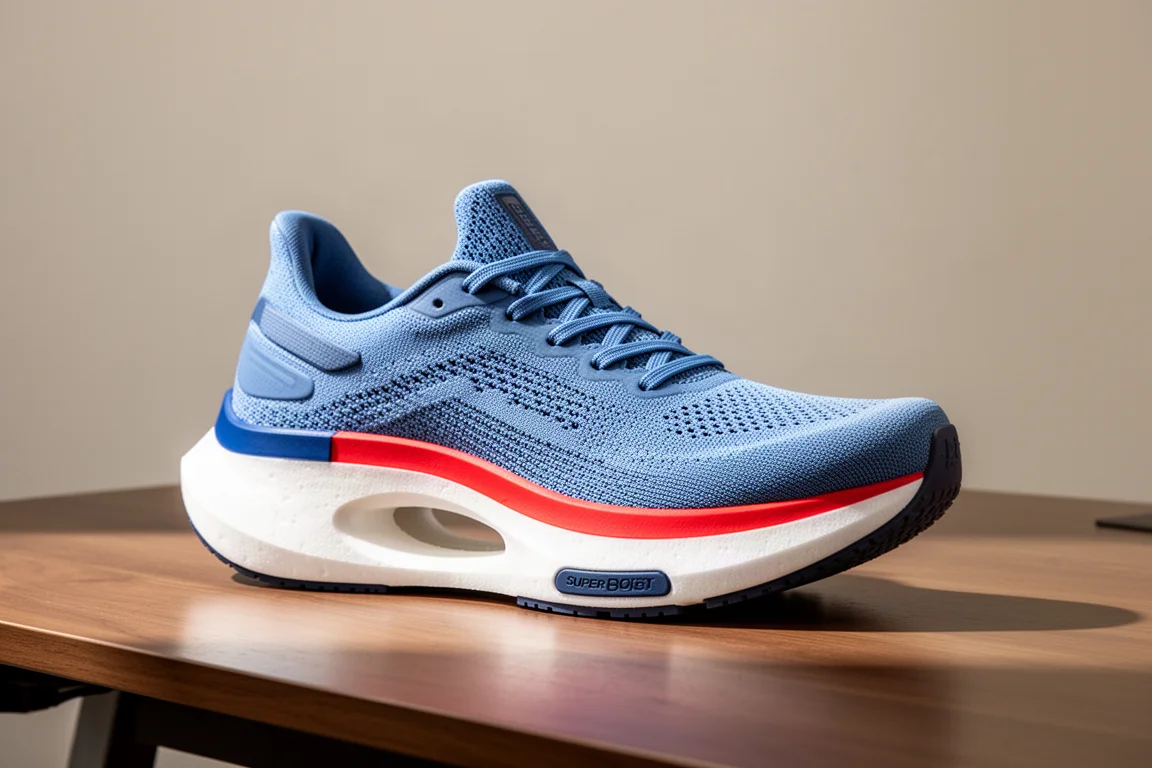
The Endorphin Pro 3 received significant updates, the biggest being a noticeably increased midsole stack of 39.5mm in the heel and 31.5mm in the forefoot. That taller platform produces an experience similar to the top super shoe options from brands like Nike and Asics. PWBA PB midsole foam works alongside an s-curve carbon fiber plate to create a soft, bouncy sensation, while the Speedroll design propels the foot forward with a fluid rolling motion.
The upper is lightweight mesh designed for comfort and breathability, with a form-fit structure for lockdown, and the XT-900 outsole protects the midsole foam and grips well on the road, with a surprising amount of rubber for a full racing shoe.
For many testers this is one of the standout shoes of the year. Earlier Endorphin Pro versions were a bit firm for long distance, but the taller stack makes this version far more comfortable while keeping that lovely fluid rolling ride. It has handled relaxed 20-plus mile marathon training runs and all-out 5K efforts equally well, making it an incredibly versatile racing and training shoe. It also feels more natural than some rivals, an enjoyable cruising speed shoe that can still go fast. Fit is easy: most testers went true to size with no issues, plenty of toe box room and a secure heel, though the tongue design is a little unusual. One thing to note is that the foam softens noticeably over the first 150 to 200km, and some testers preferred the slightly firmer feel of the shoe fresh.
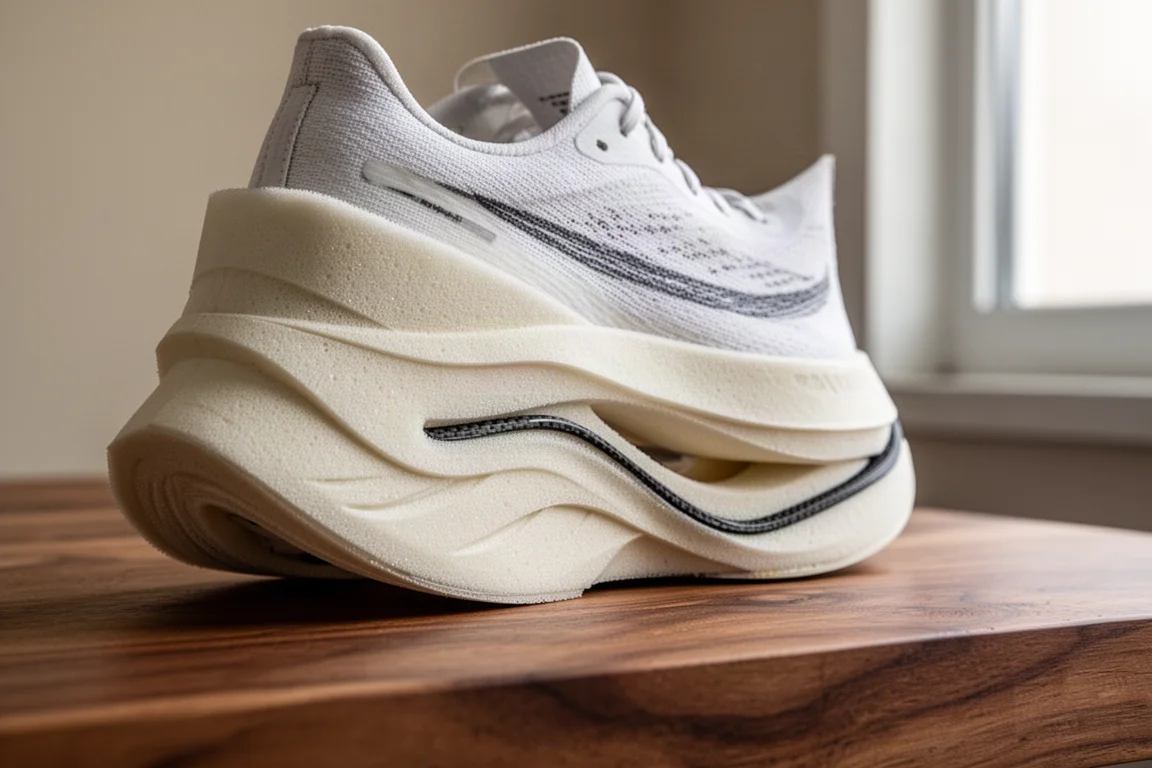
It ticks nearly every box and has earned a reputation as an accessible super shoe that almost anyone can use well.
How They Compare on the Run
Despite the different drops (8mm versus 4mm), the two shoes feel surprisingly similar thanks to their big rockers. The rocker on the New Balance is more noticeable and makes the shoe feel slightly more intrusive on the foot, but not in a bad way, while the Endorphin Pro 3 almost disappears despite all its technology.
The foams feel different too. The SC Elite v3 midsole feels denser, with a bit more shoe underneath you, while the Endorphin Pro 3 foam is lighter and bouncier. Both shoes are comfortable enough for easy runs, which is rare for full carbon racers, and both testers would happily race in either.

Which One Should You Buy
For most people, the Endorphin Pro 3 is the safer bet. It is slightly cheaper, fits a wider range of feet with a normal true-to-size fit, and is versatile enough to use for everything from easy training to racing every road distance. It has also been praised for outsole durability that outclasses some more training-focused siblings.
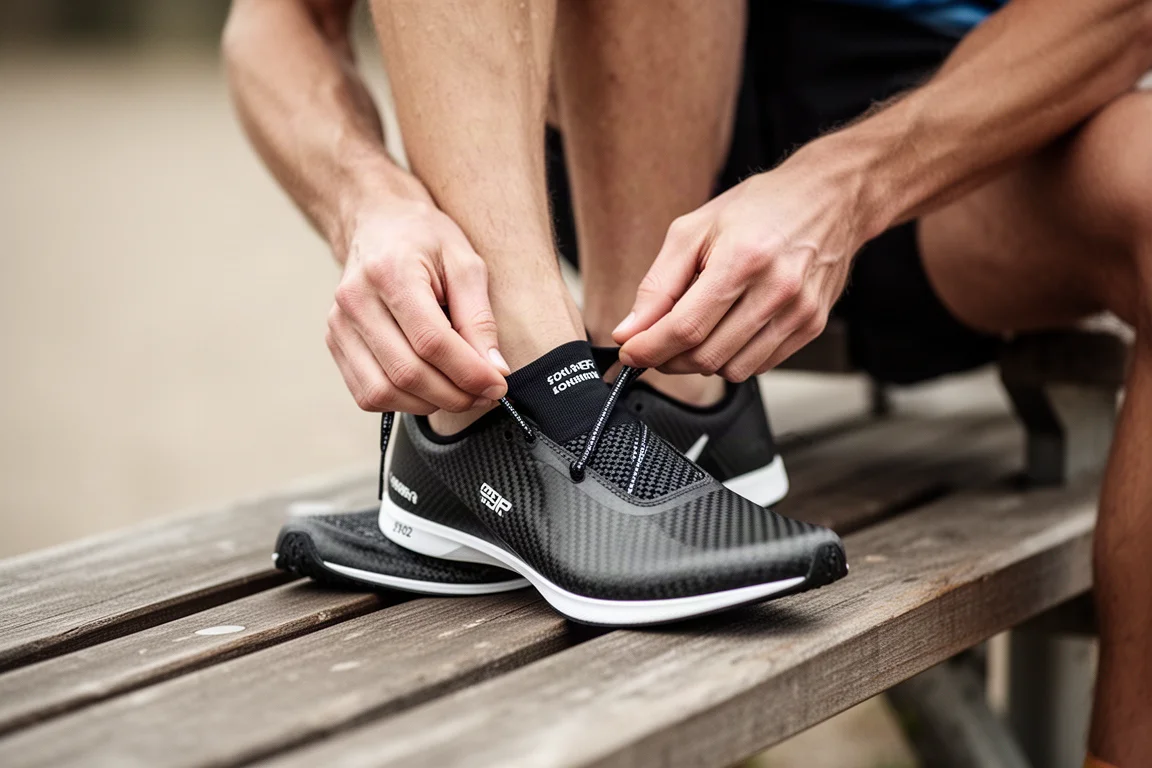
The SC Elite v3 is the pick if you enjoy a firmer, more aggressive ride, especially at the heel, or if FuelCell foam has worked for you in the past. It is a shoe that many testers expect to keep growing on them the more they use it. Just try it on first, because the high tongue and snug ankle collar are less conventional.
Conclusion
Both of these are excellent updates on their predecessors and both sit in the upper echelon of current carbon racing shoes. The Saucony Endorphin Pro 3 wins on accessibility, versatility and price, while the New Balance FuelCell SC Elite v3 offers a firmer, more aggressive edge that race-focused runners may prefer. Either way, you would be choosing between two of the strongest carbon racers available right now.
Further reading
Related Reviews

Running Shoes
Best Road-to-Trail Running Shoes: Three Versatile Options for Mixed Terrain
A practical guide to three road-to-trail running shoes that handle both pavement and mild trails, with clear strengths and trade-offs for different runner types.

Running Shoes
Best Running Shoes for Achilles Tendonitis: Three Options Explained
Three running shoes with different heel drops and support features designed to help reduce Achilles tendon pain during walking and running.

Running Shoes
Best Running Shoes for Women: Five Top Choices Ranked
A ranked guide to five women's running shoes, from versatile daily trainers to high-performance racing options, with real strengths and trade-offs for each.