Running Shoes
New Balance FuelCell Rebel v5 vs Adidas Adizero Evo SL: Two Lightweight Daily Trainers Compared
Two lightweight daily trainers at similar prices with very different ride feels. Here is how the Rebel v5 and Evo SL compare and which runner each suits best.
Introduction
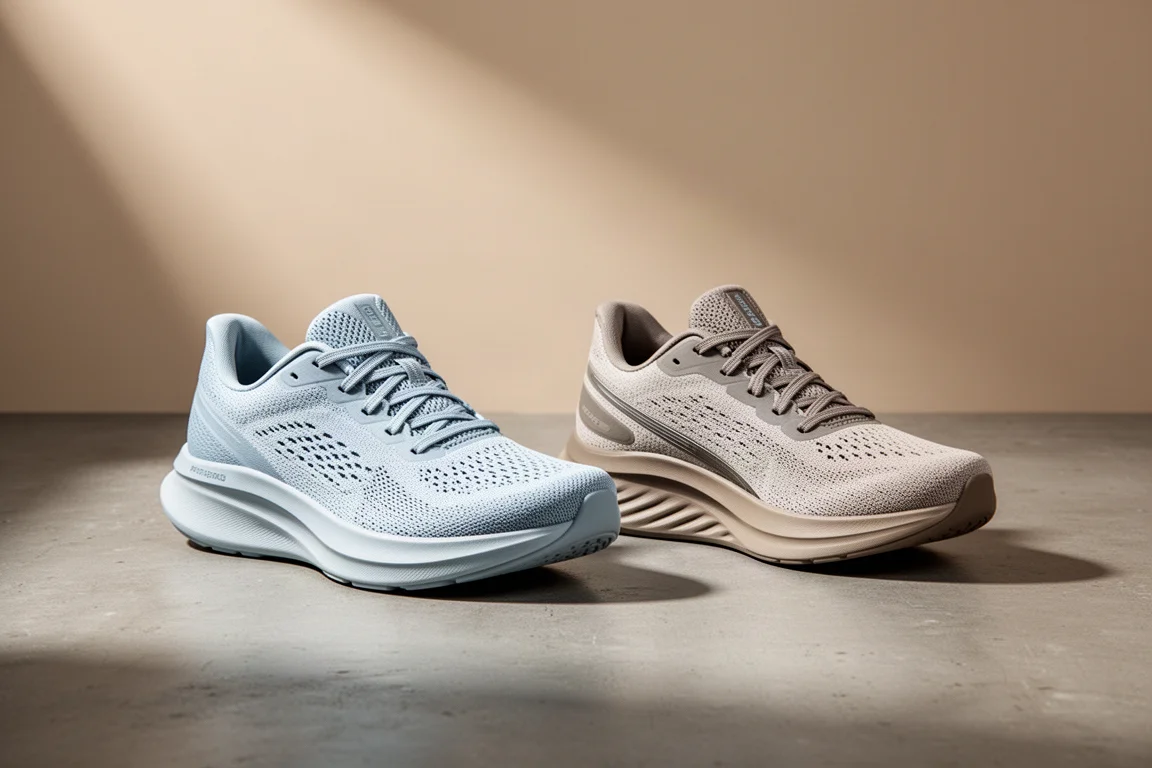
The New Balance FuelCell Rebel v5 and the Adidas Adizero Evo SL are two lightweight daily trainers that sit in the same price bracket and weigh almost exactly the same, yet feel surprisingly different on the run. On paper they look like near twins. In practice, they suit different kinds of runs and probably different kinds of runners.
This comparison breaks down the design, fit, ride feel and best use cases for each shoe so you can pick the one that matches your training.
Quick Take: Similar on Paper, Different on the Run
Both shoes are lightweight, come with a 6 mm drop, and are priced close to each other: the New Balance is $140 (or £140), while the Adidas is cheaper in the UK at £130 but a bit more expensive in the US at $150. Weight is essentially identical, with the Adidas at 224 g (7.9 oz) in a UK 9 and the New Balance at 225 g, also about 7.9 oz.
Stack height is where the numbers diverge. The Adidas is listed as the taller shoe with 39 mm at the heel and 33 mm at the forefoot, while the New Balance sits at 35 mm heel and 29 mm forefoot. In actual wear, though, they feel very similar in stack height.
New Balance FuelCell Rebel v5: Stable, Comfortable, Wide
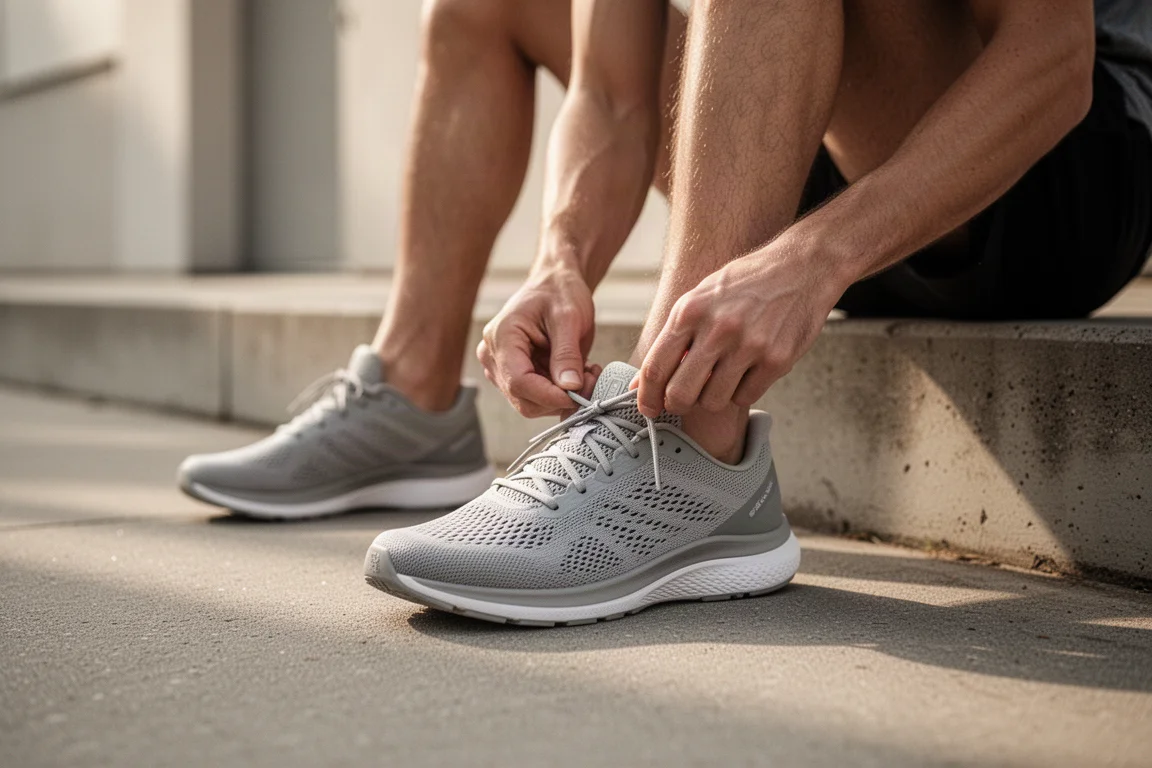
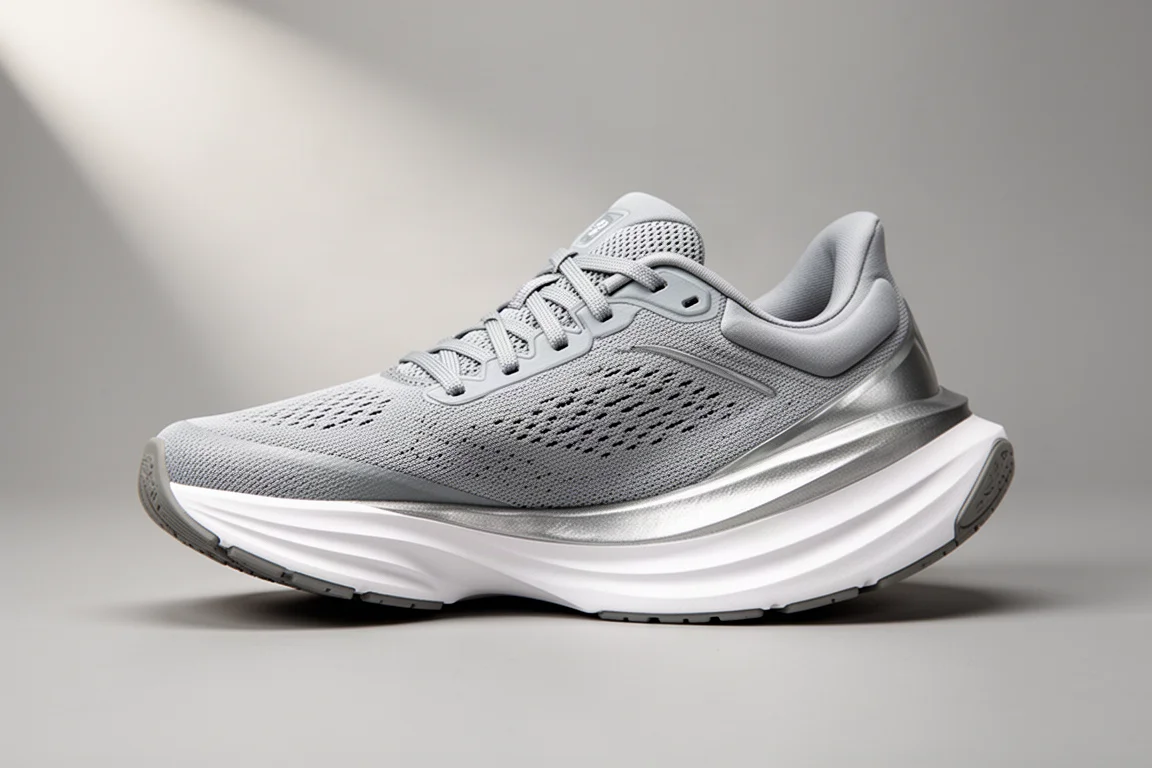
The Rebel v5 uses a very lightweight mesh upper with a touch of padding on the tongue and collar for daily-training comfort, plus an internal heel counter for structure at the back. The midsole is New Balance’s FuelCell foam, though not the 100% PEBA version used in the Elite racing shoe. This is a PEBA-EVA blend, so it is a little less responsive and lightweight than the best version of FuelCell.
The outsole uses rubber over the forefoot and heel, and the platform is very wide with no cutouts around the midfoot. That width is the defining trait of this shoe. It feels remarkably light given how much base it has, and you can feel the foam supporting on both sides of the foot.
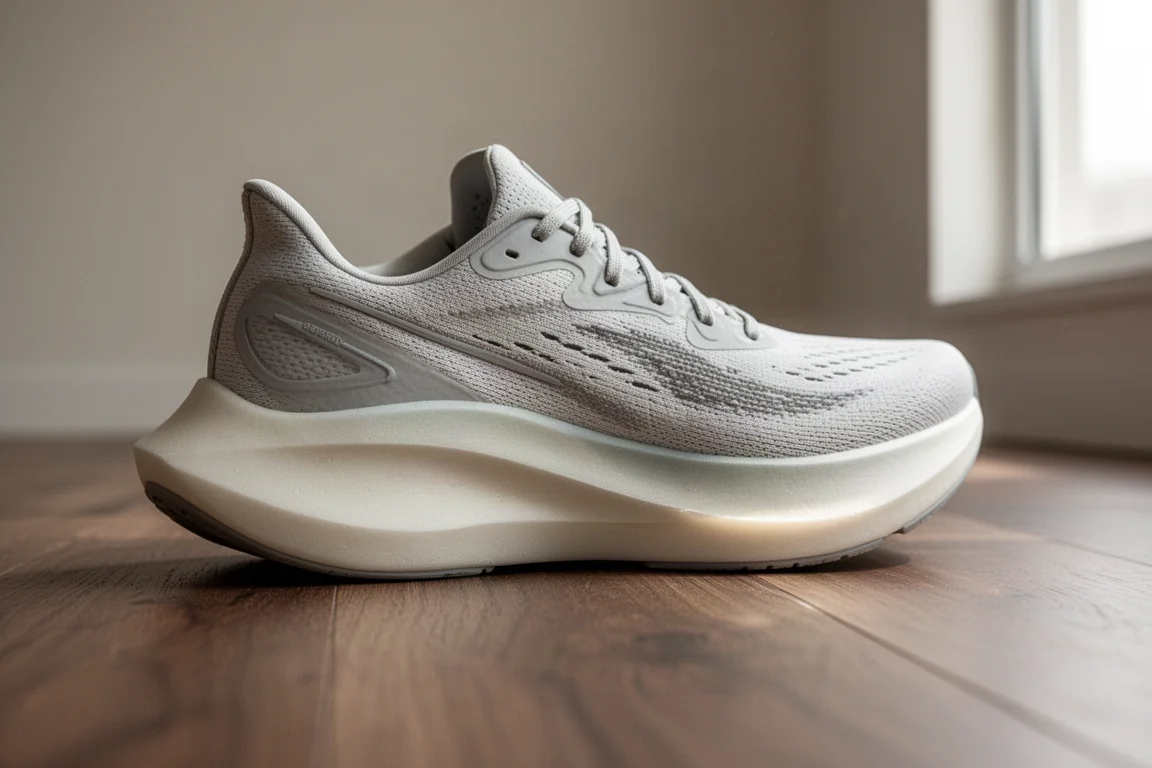
On the run, the Rebel v5 is the more stable and more comfortable of the two. It feels more cushioned than the Adidas despite the Adidas having more stack on paper, and it excels at easy runs of any distance and long runs. It turns over well, is not too soft, and works as an excellent shoe for mooching around daily training. The lightweight design still helps at faster paces, so you can bash out short intervals, but it struggles more when trying to sustain a fast pace for long periods. It simply feels like a bigger shoe on the foot, without the sharp forefoot rocker of the Adidas, and the wide ground contact does not help fast turnover.
Fit is true to size. In a UK 9 (US 9.5), the fit was very good with no heel or midfoot movement. If you have a wide foot for your size or like a roomier toe box, this wider platform is a genuine plus.
Adidas Adizero Evo SL: Springy, Nimble, Speed-Focused
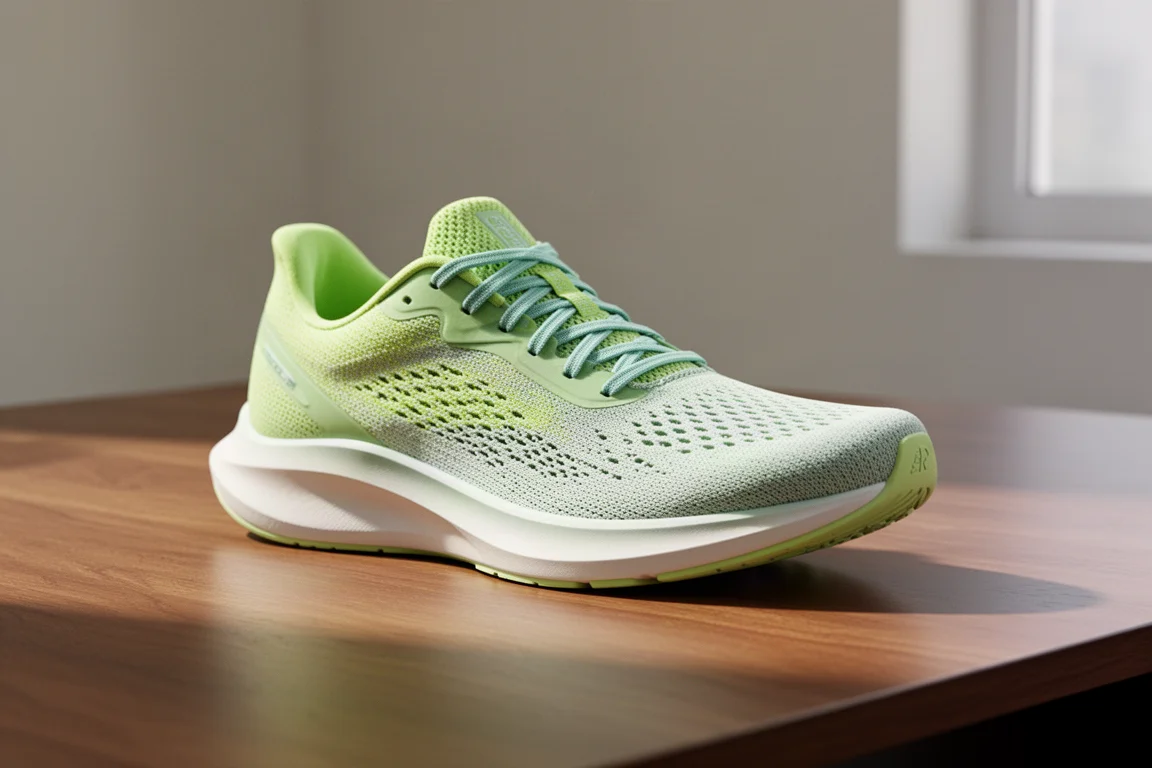
The Evo SL also has a minimal mesh upper with almost no padding on the tongue, a little padding around the collar, and an internal heel counter. Its midsole uses Light Strike Pro foam, believed to be the same compound as in the Adios Pro 3 racing shoe rather than the newer Pro 4. That makes it slightly less soft and springy than the latest racing foam, but it is still a top-class, bouncy foam and arguably more premium than the blend in the Rebel v5.
A small nylon shank adds some rigidity in the midfoot, though it is nothing like a full plate. The outsole uses Continental rubber on the forefoot and clear rubber strips at the back. Two design details stand out: a much narrower midfoot with a medial cutout, and a sharp forefoot rocker inspired by the Pro Evo racing shoe. Both mark it out as more of a speed shoe.
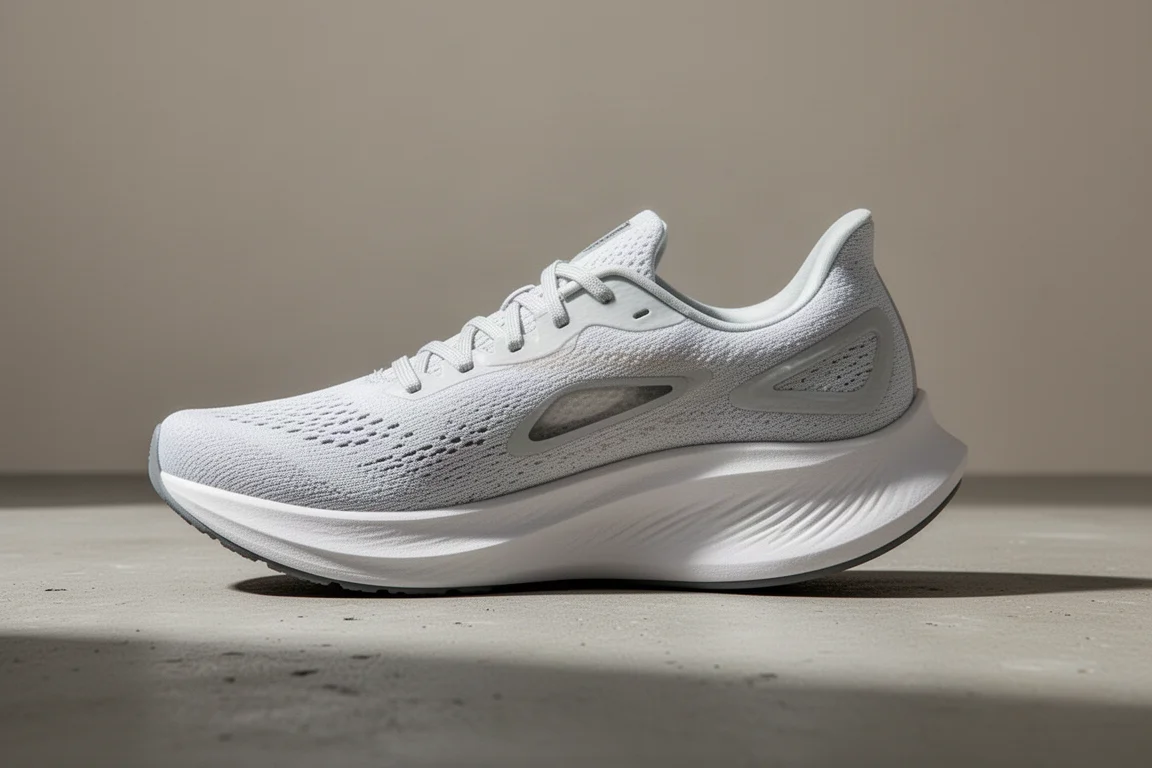
And it delivers. The Evo SL is fantastically springy, nimble and quick-turning. It has handled 400 metre reps on the track almost flat out, sustained tempo runs, and works very well as an easy-to-steady running shoe too. If you enjoy narrow, nimble shoes, this one can genuinely do everything, and it is easy to imagine it standing in for a plated trainer or even a race day shoe.
The trade-off is stability. Because of the narrower midfoot and the cutout, you roll inward a little more, and it is noticeably less stable than the New Balance. For runners without particular stability needs that is not a major concern, but it is a real difference. Grip held up well in winter conditions, including wet and slightly icy pavements. Fit was also true to size in a UK 9, though runners who like extra toe room could consider going half a size up.
Verdict: Which One Should You Buy?
If you want a speed shoe to add to your rotation, the Adidas Evo SL is the easy choice. It is springy, forward-leaning at any pace, and one of the most impressive all-round trainers available. If your focus is easy and long runs, the Rebel v5 is the better pick, with extra stability, extra comfort, and enough cushioning to replace heavier daily trainers in a rotation.

If you are a heavier runner, a newer runner, or someone whose training leans more toward easy mileage, the Rebel v5 probably fits the bill better. If you want one shoe to do everything and you do not have stability concerns, the Evo SL is the more versatile pick. And because both are reasonably priced, there is a real case for running both in a two-shoe rotation: the Adidas for faster days, the New Balance for the easy miles.
Conclusion
The New Balance FuelCell Rebel v5 and Adidas Adizero Evo SL overlap a lot as lightweight daily trainers, but their strengths point in different directions. The Evo SL skews toward speed with its bouncy foam and effective forefoot rocker, while the Rebel v5 leans into stability and comfort with its wide platform and balanced FuelCell blend. Pick based on where your training spends most of its time, and you will not go far wrong with either.
Further reading
Related Reviews

Running Shoes
Best Road-to-Trail Running Shoes: Three Versatile Options for Mixed Terrain
A practical guide to three road-to-trail running shoes that handle both pavement and mild trails, with clear strengths and trade-offs for different runner types.

Running Shoes
Best Running Shoes for Achilles Tendonitis: Three Options Explained
Three running shoes with different heel drops and support features designed to help reduce Achilles tendon pain during walking and running.

Running Shoes
Best Running Shoes for Women: Five Top Choices Ranked
A ranked guide to five women's running shoes, from versatile daily trainers to high-performance racing options, with real strengths and trade-offs for each.