Running Shoes
New Balance FuelCell Rebel v4 vs v3: First-Run Comparison
The Rebel v4 brings more stack, a new FuelCell blend, and a much lighter build, but it feels like a different shoe than the v3. Here is how the two compare.
Introduction
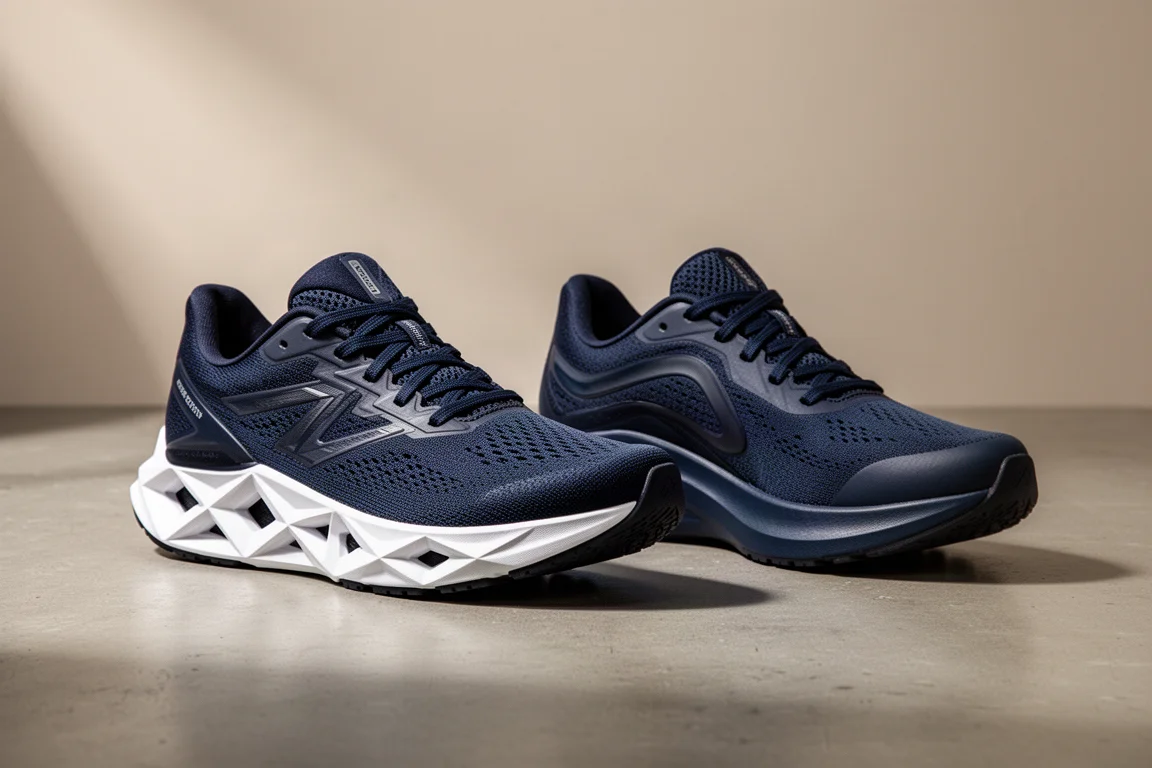
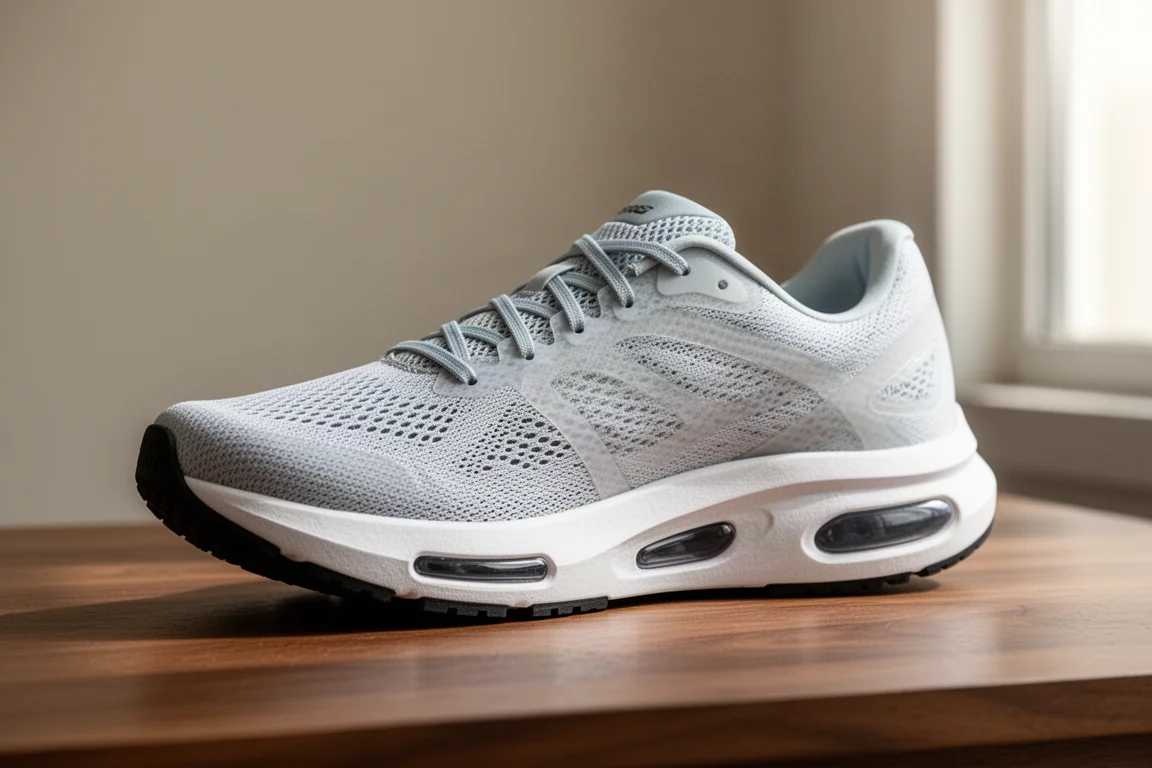
The FuelCell Rebel line has quietly become one of the most appealing lightweight trainer options for runners who want speed without a plate. The Rebel v3 earned a reputation as a flexible, bouncy, natural-feeling tempo shoe, and the new v4 pushes the series in a noticeably different direction: more stack, a revised FuelCell blend, better outsole grip, and a surprising drop in weight.
After an unboxing, hands-on comparisons, and a first eight-mile run, the short version is this: the v4 is a very different shoe, and whether that is an upgrade depends on what you want the Rebel to be.
The New FuelCell Foam
The Rebel v3 used a supercritical TPU and EVA blend in its FuelCell midsole, and that combination was a big part of its charm: soft, squishy, but still bouncy and quick. The v4 replaces the TPU with PEBA, creating a PEBA-EVA blend that should, on paper, deliver more energy return.
Hands-on, the foam in the v4 feels much softer than the firm FuelCell in the SC Elite v4, which is a true PEBA racing foam. The Rebel’s blend sits closer to the v3’s character. One caution: PEBA foams have had mixed durability results in the past, so long-term mileage is worth watching.
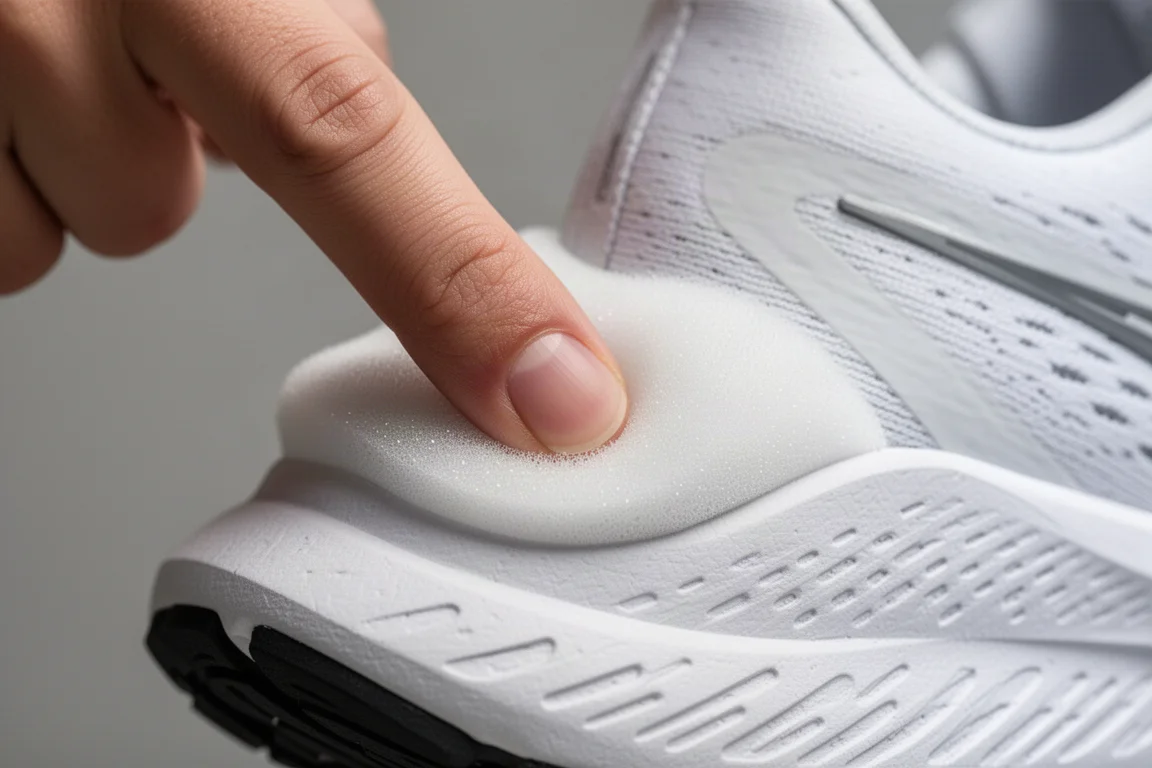
Out of the box, the v4 actually rides firmer than expected, and creases were already forming in the midsole after the first run, which suggests a break-in period of at least 30 miles before judging it fully.
Weight, Stack, and Grip
This is where the v4 genuinely impresses. At a US men’s 10.5, it weighed in at around 223 to 224 grams, lighter than the SC Elite v4 and roughly 10 grams lighter than the v3 in the same size, despite gaining stack. The stack measures 30mm in the heel and 24mm in the forefoot for a 6mm drop, a versatile middle ground that works for most runners without overloading the calves or making the heel feel awkward at slower paces.
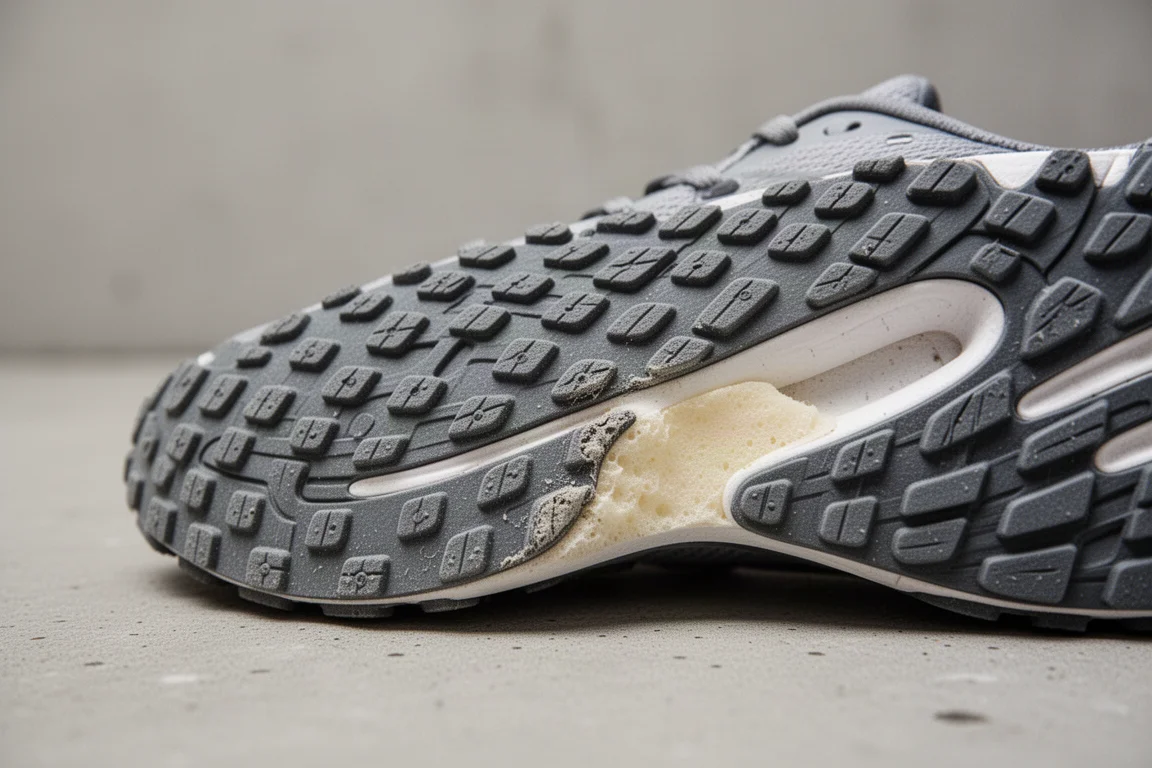
Grip is another clear improvement. The v4 has more textured rubber coverage in the forefoot than the v3, and the rubber feels noticeably stickier, which should help on light trails and damp pavement. The heel, however, actually has less rubber than the v3, so heel scuffers may see wear there sooner.

Fit and Feel Out of the Box
The upper material feels nearly identical to the v3’s breathable knit, and the familiar elf-style heel protrusion is gone, replaced by a clean cutout. But the fit is where things get odd. The v4 requires laces to be cranked down far tighter than the v3 to get a secure lockdown, suggesting a roomier forefoot despite being a half size smaller in the tester’s case.
On foot, lockdown itself was secure with no slipping, and the toe box offers plenty of room. The heel and midfoot stayed planted through an eight-mile run averaging around 7:40 per mile, though some warm spots appeared that may have been sock-related.
The ride is the biggest departure. The v3 folded easily in a flex test and rewarded faster running with a natural, foot-strengthening feel. The v4 is stiffer, less flexible, and feels more like a built-up daily trainer. It responds well when the pace drops toward 10K and half marathon effort, but it no longer delivers that immediate bounciness and ground feel that defined the v3.
Rebel v3 vs v4: Which One Makes Sense
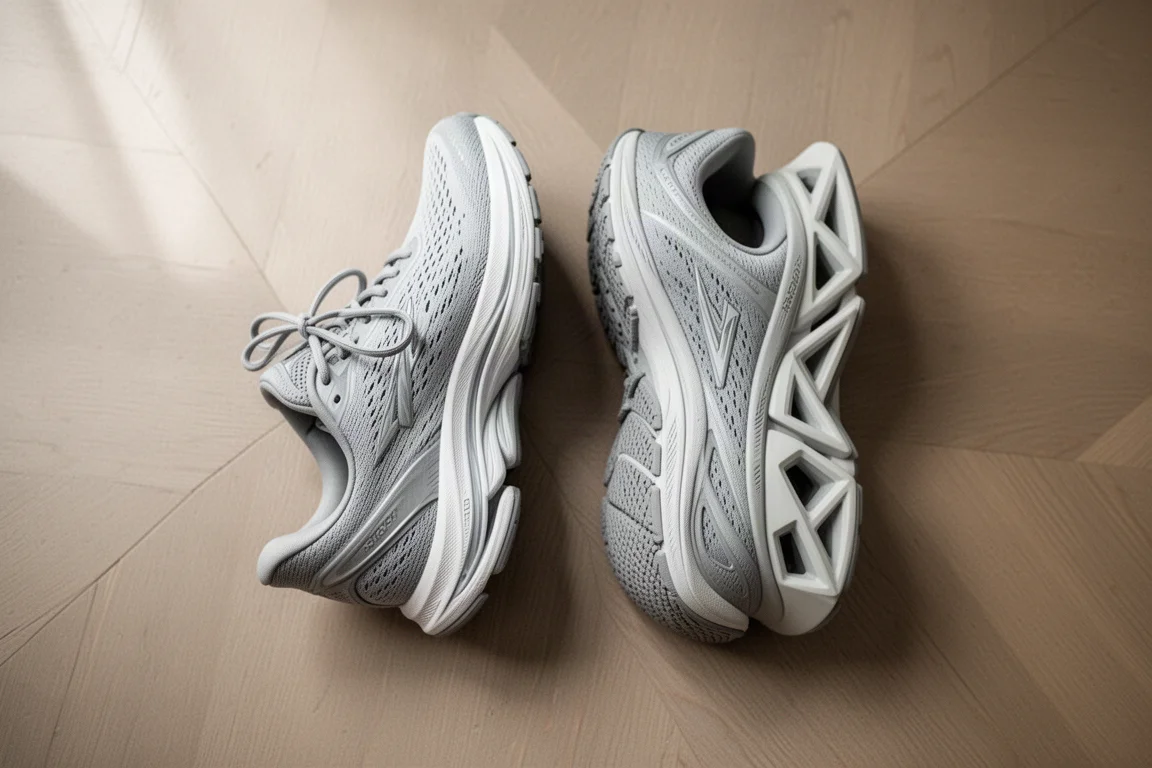
If you loved the v3 as a lightweight, flexible tempo shoe that built foot strength, the v4 may feel like a step away from that identity. It is more cushioned, more protective, and better suited to daily training and even walking, but it gives up some flexibility and ground feel in the process.
If you want a single lightweight, non-plated trainer that can handle easy miles, pickups, and everything between, the v4 slots into that role more naturally. Runners who rotate multiple shoes and value the v3’s specific natural-ride character may prefer to keep hunting for v3 stock instead.
Durability and Early Wear
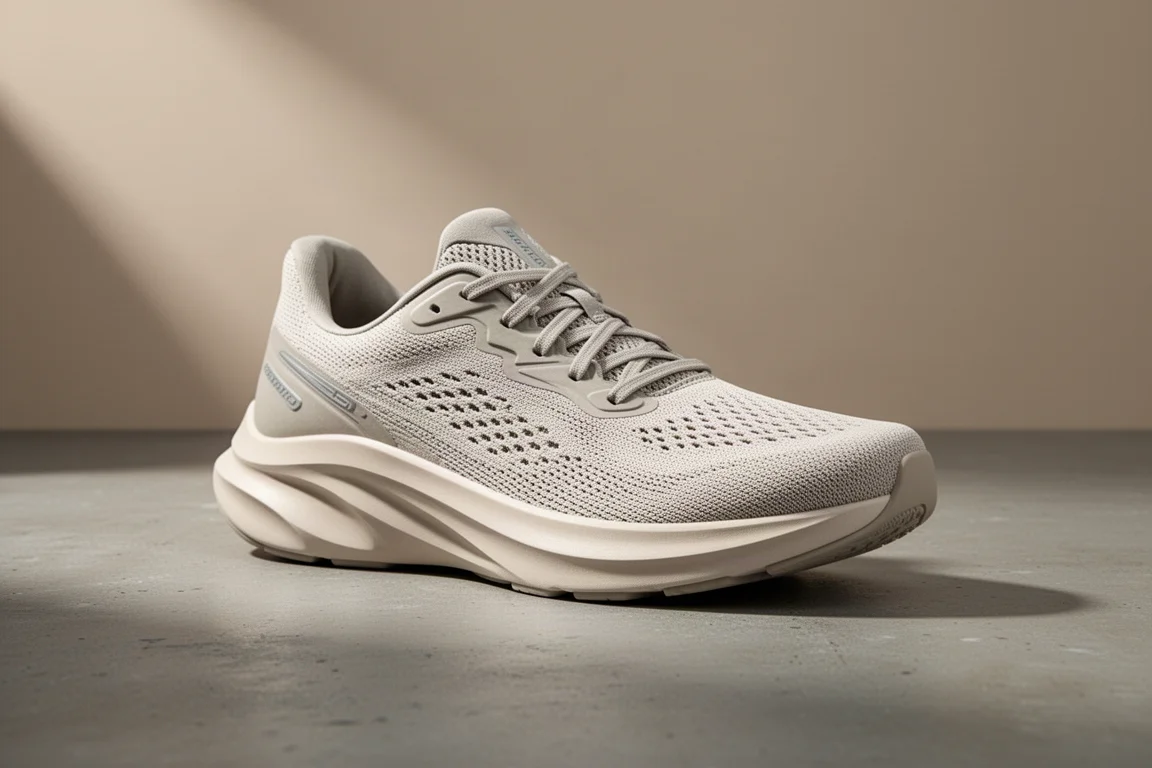
One run was enough to show early wear on both the rubber and a patch of exposed foam at the lateral edge, which is a concern given how much rubber the v4 gained overall. The trade-off is clear: more forefoot grip, less rearfoot rubber. Runners with a heel-strike wear pattern should keep an eye on that area over the first hundred miles.
On the positive side, the PEBA swap is what makes the dramatic weight reduction possible, so the lighter build and the durability question are two sides of the same design choice.
Buying Advice
Give the v4 at least 30 miles of break-in before deciding. The firm, stiff out-of-box ride should soften as the EVA component settles, and the shoe retains the Rebel line’s fast character when the pace picks up. Anyone choosing between the two should decide what matters more: the v3’s flexible natural ride or the v4’s extra cushion, grip, and lower weight.
Conclusion
The Rebel v4 is not simply a better version of the Rebel v3; it is a repositioned shoe that leans toward daily training while keeping a lightweight, fast-responding core. With its 223-gram weight, 6mm drop, and improved forefoot grip, it has a strong case as a high-mileage trainer. Fans of the v3’s flexible, minimal-adjacent feel should look at both before buying, because the character of the Rebel has genuinely changed.
Further reading
Related Reviews

Running Shoes
Best Road-to-Trail Running Shoes: Three Versatile Options for Mixed Terrain
A practical guide to three road-to-trail running shoes that handle both pavement and mild trails, with clear strengths and trade-offs for different runner types.

Running Shoes
Best Running Shoes for Achilles Tendonitis: Three Options Explained
Three running shoes with different heel drops and support features designed to help reduce Achilles tendon pain during walking and running.

Running Shoes
Best Running Shoes for Women: Five Top Choices Ranked
A ranked guide to five women's running shoes, from versatile daily trainers to high-performance racing options, with real strengths and trade-offs for each.