Running Shoes
New Balance FuelCell Rebel v4 Review: A Lighter, Wider Daily Trainer That Got More Versatile
The Rebel v4 adds a touch of PEBA to the midsole and a wider platform, turning a fun short-run shoe into a genuinely versatile plate-free daily trainer.
Introduction
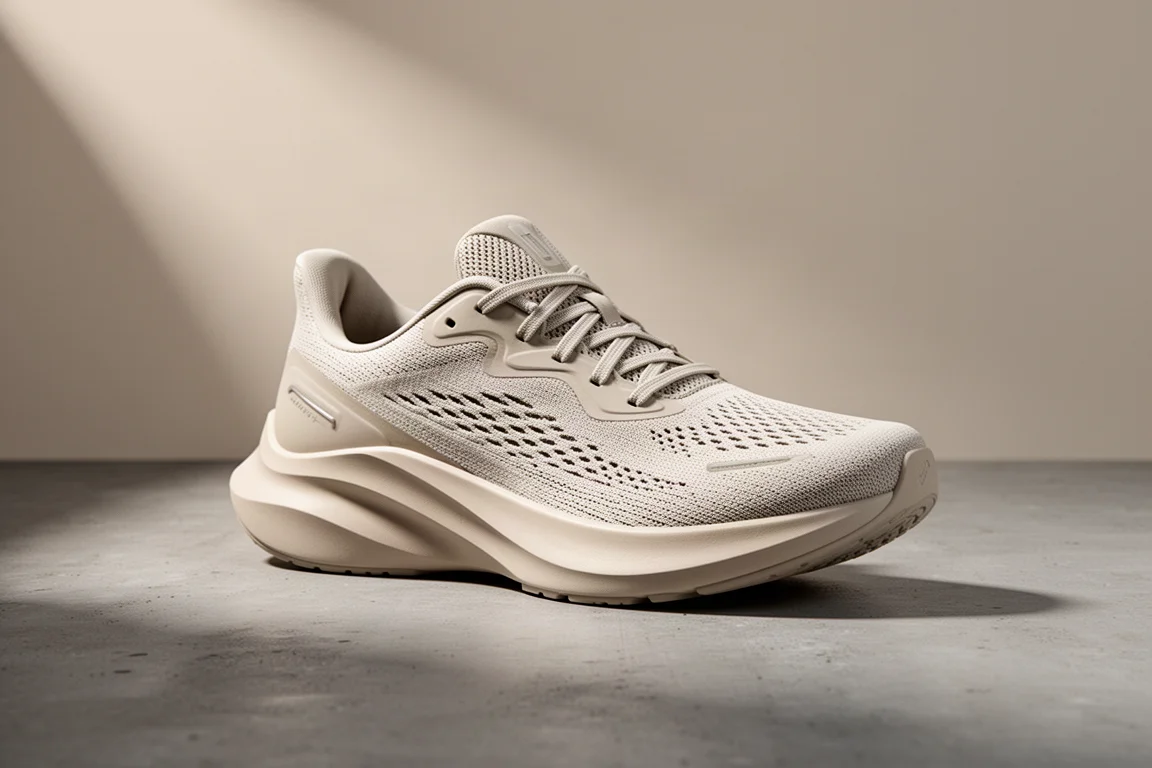
The New Balance FuelCell Rebel v4 is the fourth take on a shoe that has always stood for something simple: a very lightweight, plateless daily trainer that leans towards the speedy end of your rotation. That identity is still intact, but this version has been broadened and softened just enough to make it far more versatile.
At $140, with a 30 mm heel and 24 mm forefoot, a 6 mm drop, and a claimed weight of 219 g (7.7 oz) in a UK 9.5, the Rebel v4 blends PEBA and EVA in its FuelCell midsole rather than going full PEBA like the SC Elite v4. After roughly 60 km of testing that included a track session, easy recovery runs, and a 15-mile long run, the verdict is straightforward: this is the best version of the shoe yet.
Who This Shoe Is For
The Rebel line has historically been a fun, nimble pick for short runs and fast sessions, but past versions were limited over longer distances. Not enough cushioning for regular long easy cruises, and not quite stable enough to inspire confidence when fatigue set in.
The v4 changes that. The wider design and slightly higher midsole make it noticeably more comfortable and supportive, so it now works as a genuine daily trainer for marathon-build runners logging decent mileage. If you want a plate-free shoe that handles relaxed easy runs but still has a bit of speed in it, this should be near the top of your list.

Main Strengths
The midsole is the heart of the update. The FuelCell blend skews more towards EVA but gains a little PEBA, giving it a lighter, bouncier character than previous Rebel foams. It is not a squishy, pingy super-foam feel; instead, you sink in slightly and get a resilient platform that bounces back without becoming wobbly. The 6 mm drop feels honest and well judged, and the shoe is smooth at every pace, easy to tick along in or step up for faster running.
The upper is a very lightweight Phantom Fit mesh with minimal padding, a thin tongue, and just a touch of Achilles padding in an otherwise open heel design. Outsole rubber covers the key impact zones with two strips at the rear and generous coverage up front, and after 60 km there were no signs of wear, with grip performing well throughout.
The big win is stability and comfort. The width is noticeable in a good way; you can feel the support on either side of your foot, with no stability concerns at all. Despite the modest 30 mm stack, it feels bigger on the foot than the numbers suggest while staying very light.
Things to Consider Before Buying
The trade-off for the extra width and comfort is a small loss of nimbleness. The Rebel v4 does not feel quite as agile and narrow as the v2 or v3, though it still retains most of that fun, spritely character.
The fit also deserves attention. The shoe is considerably wider than previous versions, especially around the front of the toe box, so runners with narrow feet may find they have a little too much room. The test pair went half a size up on the usual UK size, largely because of New Balance’s sizing conversion, and length-wise it ran true to US sizing with no shortness in the toe box and no heel rubbing, even on long runs.
Finally, this is not a plated trainer. You will not get the extra bounce and propulsion that a plate provides for sustaining long hard efforts. If you are happy training in plates, the plated alternatives below offer more punch, and the Rebel is also only an okay racing option compared with a plated shoe.
Buying Advice
At $140, the Rebel v4 feels like good value for what it delivers: a versatile, protective, supportive, comfortable daily trainer with genuine speed credentials and respectable durability. Strip away the complexity that has crept into modern running shoes and this is what remains: a simple shoe that does nearly everything well.
If you want more plushness for long runs, the Asics Superblast offers a much higher stack and more comfort but at a significantly higher price and with a heavier, less nimble feel. The Asics Novablast 4 sits around a similar price to the Rebel and offers more stack height if the v4 feels too low, though it trades away some of the stripped-back lightness. The Hoka Mach 5 is another strong plate-free option with great geometry, though the Rebel adds outsole rubber and slightly more bounce.
For plated trainers, the Saucony Endorphin Speed 3 remains a brilliant choice with more punch for long hard efforts, and the Adidas Boston 12 is similarly excellent, though both are a bit less relaxed on easy runs and the Rebel beats the Brooks Hyperion Max on foam comfort and overall daily-training feel. The New Balance SC Trainer v2, meanwhile, felt heavy and ponderous by comparison.

Conclusion
The FuelCell Rebel v4 is the most complete version of the shoe so far. It keeps the low weight and fun, speedy ride that made the line appealing, then adds the comfort, width, and stability needed to handle easy runs and long runs as well. As a plate-free daily trainer, it currently sits at the top of its category, and it may well be the most enjoyable non-racing shoe release of the year so far.
Product link
View more details for New Balance FuelCell Rebel v4
This product is mentioned in the review. Check the specifications, options, and compatibility before buying.
View more details for New Balance FuelCell Rebel v4Further reading
Related Reviews
Running Shoes
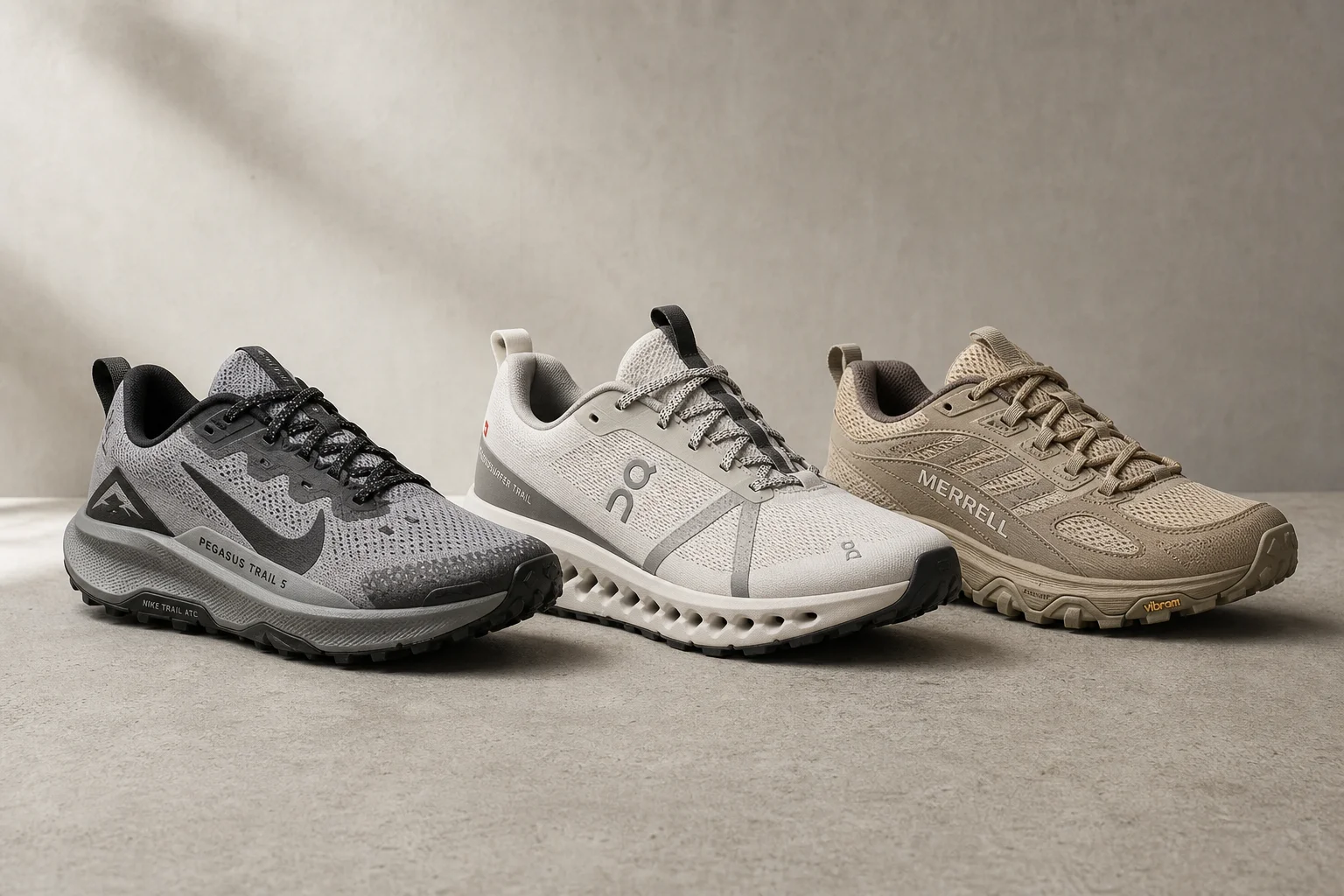
Best Road-to-Trail Running Shoes: Three Versatile Options for Mixed Terrain
A practical guide to three road-to-trail running shoes that handle both pavement and mild trails, with clear strengths and trade-offs for different runner types.
Running Shoes
Best Running Shoes for Achilles Tendonitis: Three Options Explained
Three running shoes with different heel drops and support features designed to help reduce Achilles tendon pain during walking and running.
Running Shoes
Best Running Shoes for Women: Five Top Choices Ranked
A ranked guide to five women's running shoes, from versatile daily trainers to high-performance racing options, with real strengths and trade-offs for each.