Running Shoes
New Balance FuelCell Rebel v3: First Run Impressions of the Lightweight Daily Trainer
A close look at the updated Rebel v3, from its knit upper and FuelCell midsole to how it handled a very wet first run.
Introduction
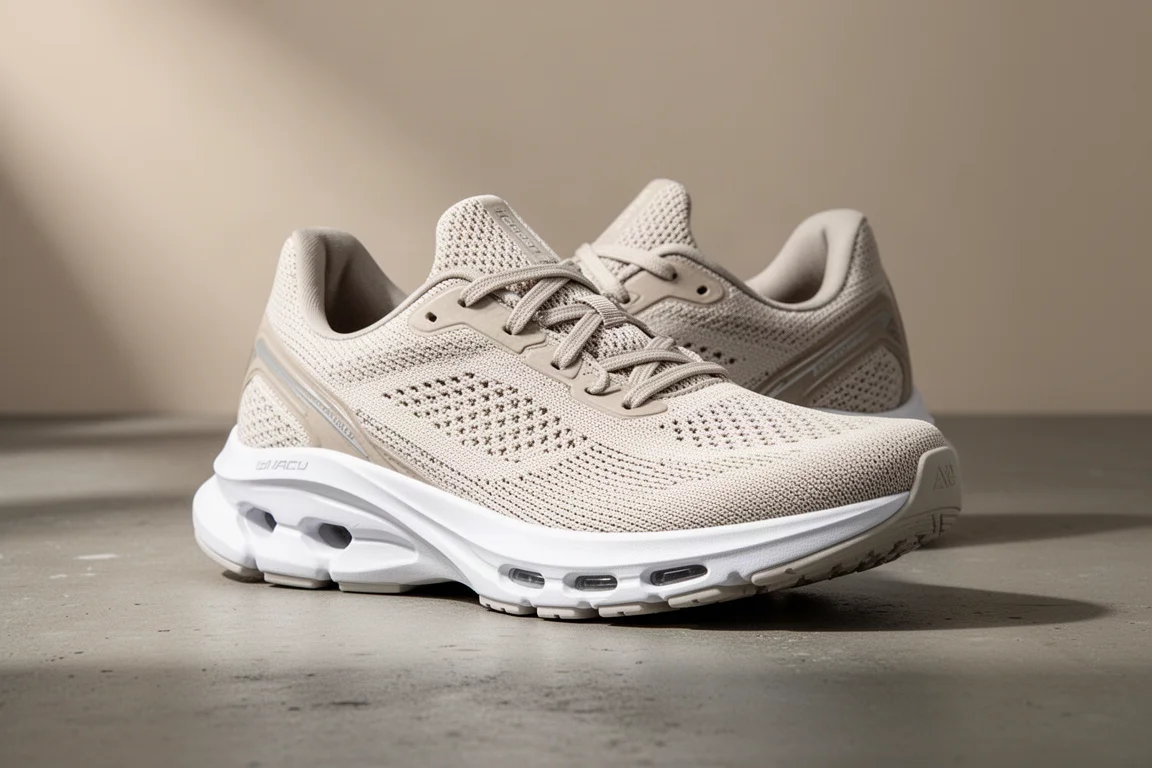
The New Balance FuelCell Rebel v2 was one of the standout running shoes of its year, earning a place on several end-of-year top lists for its near-perfect fit, featherweight feel, and versatility. That made the Rebel v3 one of the most anticipated updates for runners who loved the original.
The big question before this first run was simple: did New Balance change too much and spoil a genuinely great neutral daily trainer? After a wet, soaked-through test run, here is what the early miles revealed.
Construction Breakdown
Like so many product updates these days, there has been a price increase. The Rebel v3 now retails in the UK for £130, up £10 from the previous version. There is also a small weight increase: 227 grams in a UK 10, compared with 218 grams for the v2. It is a marginal bump, and 227 grams remains very light for a daily trainer.
The shoe keeps a 6mm drop, a heel height that suits a daily trainer well, neither too high nor too low, and something that carried over happily from the v2.
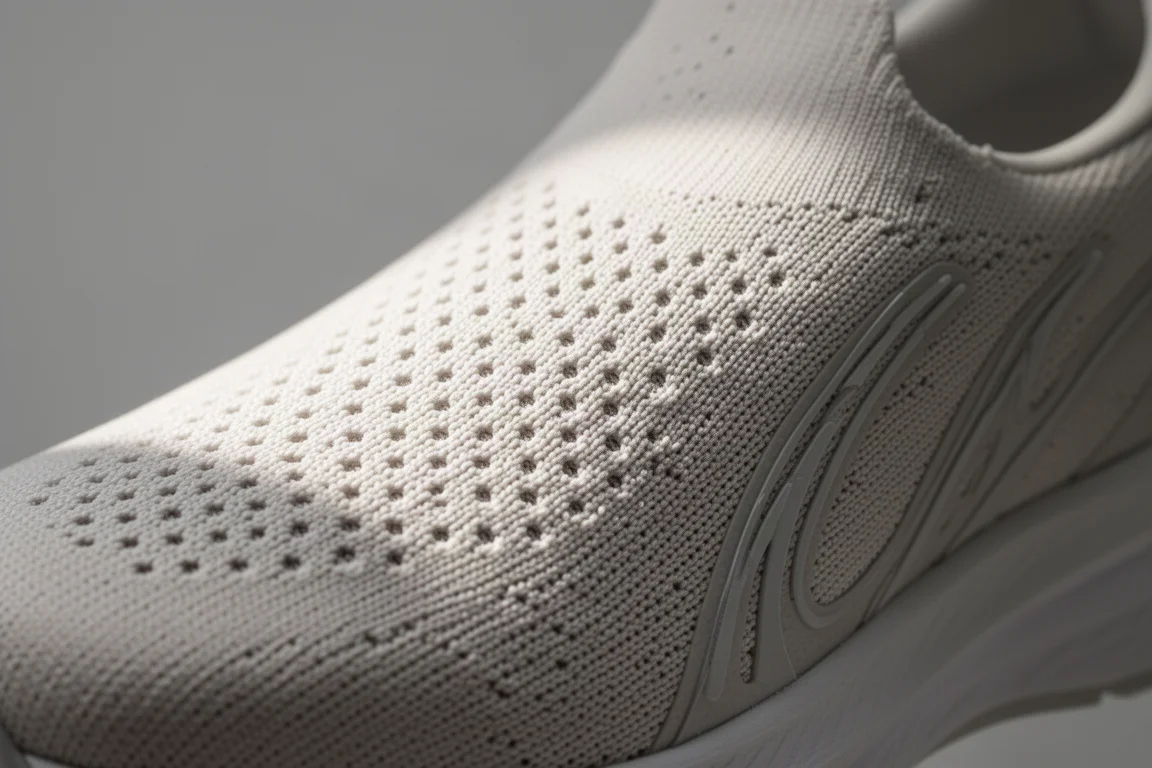
The upper is an extremely lightweight engineered knit with no stitched overlays, keeping weight to a minimum. Perforations across the toe box, midfoot, and tongue increase airflow, and the tongue is gusseted into the upper for a sleek fit and secure midfoot lock-down. Printed overlays around the heel, midfoot, and lace eyelets, wrapping around the toe box, add a bit more substance and help durability. New Balance has also introduced a slightly flared heel design at the back end of the shoe, with moderate padding around the ankle collar and heel cup.
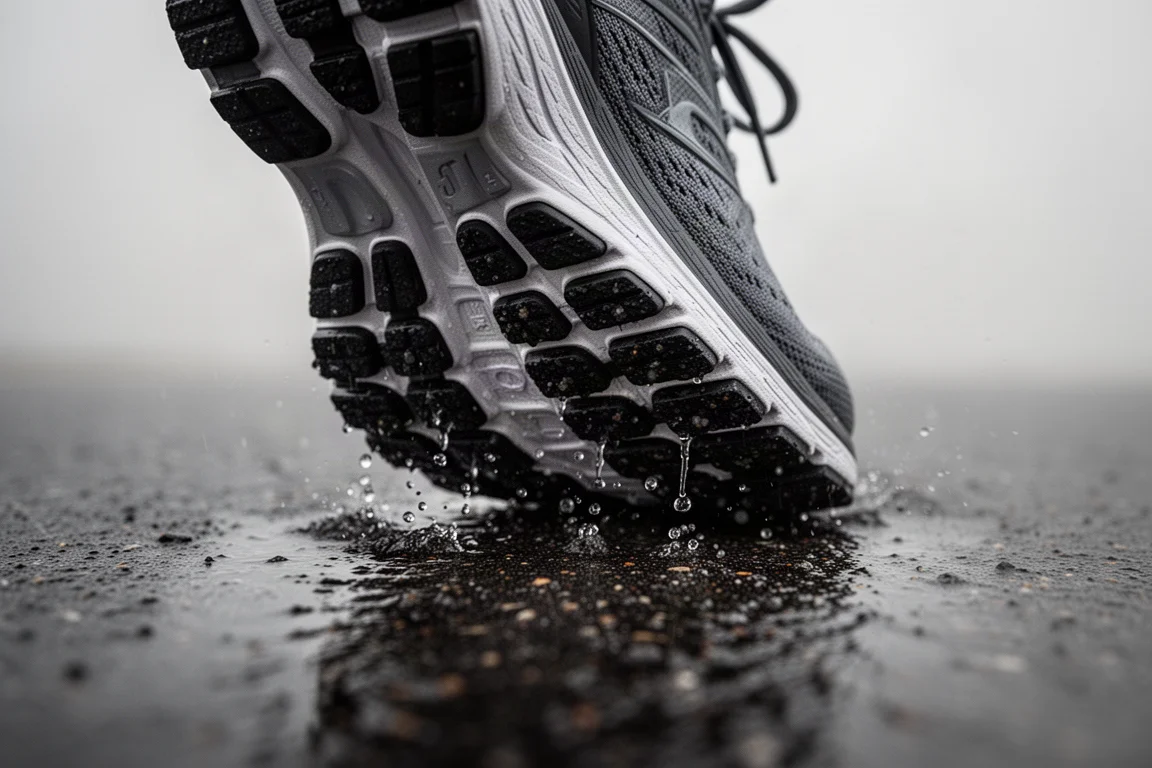
The FuelCell midsole compound remains the standout feature: super lightweight, highly cushioned, and responsive with strong energy return. The biggest change here is the shape of the platform. The v2 had a slightly wider midfoot with a rolled outer edge, while the v3 has a more traditional midsole shape. The outsole carries a similar design to the previous version, with good blown rubber in the high-wear forefoot and heel areas and some exposed midsole compound at the midfoot, still a generous amount of rubber for a shoe this light.
Fit and Feel of the Upper
On foot, the upper design and fit feel practically identical to the v2, which is good news. Super light and airy, with a good hold around the midfoot and solid lock-down in the heel.

Sizing runs a little short, just like the v2. Going up half a size to a UK 10 gave a length that sits just right, so sizing up is still recommended. What makes this upper clever is that, despite being stripped back on padding and overlays to keep weight low, it still feels plush and comfortable over distance. Slip these on and they feel almost like a pair of slippers, a genuine no-shoe feel.
Outsole Grip and Wet-Road Traction
The first run delivered a proper test of the new outsole: heavy rain, wet pavement, wet roads, and patches of slick, wet leaves.
There were no traction issues whatsoever. The shoe felt well connected and confident underfoot in conditions that could easily have produced slips. For a shoe this lightweight, the level of grip and traction looks genuinely good, and durability should follow suit given the rubber coverage.
FuelCell Midsole: Responsiveness and Ride
The overall weight and balance still feel very natural, so light that you can almost forget you have running shoes on. Lace up and the shoe instantly encourages good form and a quicker pace because it feels so light and responsive.
There is one honest caveat, though. Compared with a first run straight out of the box in the v2, the v3 midsole felt a touch less snappy, perhaps not returning quite as much energy or feeling quite as bouncy. It is not a dealbreaker, and midsoles often soften and come alive after a few runs as they bed in, but the v2’s FuelCell compound felt more immediately impressive on day one.

Things to Consider Before Buying
The Rebel v3 is a daily trainer aimed at runners with a stable, neutral gait. The FuelCell midsole is not the most stable platform out there, so it suits runners who want their weekly mileage done in a lightweight, responsive shoe rather than a max-cushion workhorse.
If you prefer a bit more substance underfoot for everyday training, this probably is not the right shoe for you. Runners who loved the v2’s lightweight, glove-like feel, however, should feel right at home.
Conclusion
Early impressions suggest New Balance has largely avoided spoiling a good thing. The fit, upper, light weight, and grip all carry over well, with a modest price and weight increase and a slightly less snappy first-run feel as the main trade-offs. More mileage will confirm whether that midsole springs back to life, but the Rebel v3 looks set to remain a favourite lightweight neutral trainer.
Product link
View more details for New Balance FuelCell Rebel v3
This product is mentioned in the review. Check the specifications, options, and compatibility before buying.
View more details for New Balance FuelCell Rebel v3Further reading
Related Reviews

Running Shoes
Best Road-to-Trail Running Shoes: Three Versatile Options for Mixed Terrain
A practical guide to three road-to-trail running shoes that handle both pavement and mild trails, with clear strengths and trade-offs for different runner types.

Running Shoes
Best Running Shoes for Achilles Tendonitis: Three Options Explained
Three running shoes with different heel drops and support features designed to help reduce Achilles tendon pain during walking and running.

Running Shoes
Best Running Shoes for Women: Five Top Choices Ranked
A ranked guide to five women's running shoes, from versatile daily trainers to high-performance racing options, with real strengths and trade-offs for each.