Running Shoes
New Balance FuelCell RC Elite 2 After 100 Miles: A Durable Supershoe With One Big Catch
A 100 mile verdict on the FuelCell RC Elite 2 covering the upper, resilient FuelCell midsole, and the wet-weather outsole limitation that shapes who should buy it.
Introduction
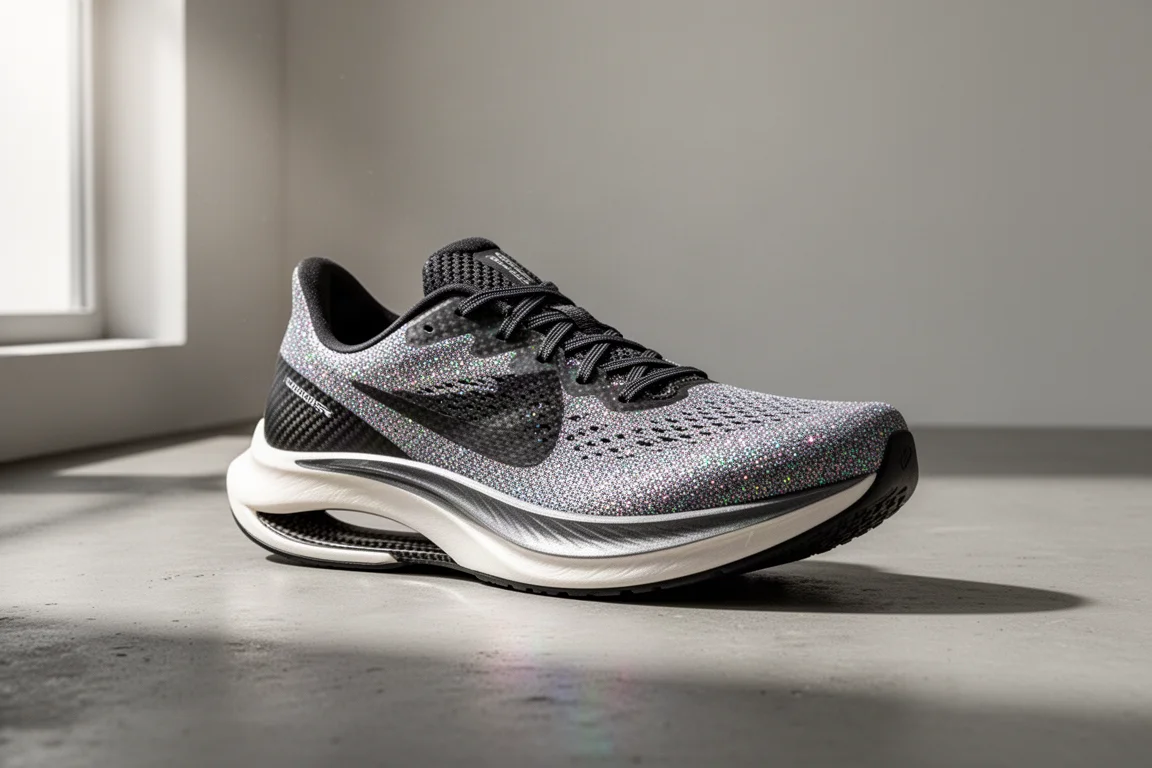
After 100 miles or 160 kilometers, the New Balance FuelCell RC Elite 2 has held up remarkably well. At 260 grams or 9.3 ounces in a UK size 11 (US size 12), it sits closer in weight class to the Alphafly than to the Vaporfly Next%. New Balance fans will recognize the sizing logic: the reviewer’s usual New Balance fit runs half a size up from standard running shoes, and that same approach applies here. Go with your standard New Balance size.
The shoe was tested across a wide range of paces, from easy recovery efforts at around 8:15 per mile (5:08 per kilometer) up to half marathon pace near 4:10 per mile (2:35 per kilometer). That range gives a fair picture of what this shoe can and cannot do, and the answer changes depending on both pace and weather.
Upper: Comfortable and Consistent
At 100 miles, the breathable knit upper has stayed consistent, stable and comfortable. The simple lacing system begins further up the foot, away from the toes, which makes for an irritation-free ride. That is especially welcome on longer runs, and the tongue stays put regardless of mileage with no slipping. The heel is nicely fitted with just enough padding to make longer efforts more comfortable, and there has been no blistering or rubbing at any point.
The large overlays on the shoe do not affect the flexibility of the upper material, and there is plenty of room for the toes to splay. It is one of the wider supershoes tested in recent years. If you found the Alphafly or Vaporfly too snug around the arch, this could be the solution: more width and height in the toe box, making it a good option for runners with larger feet.
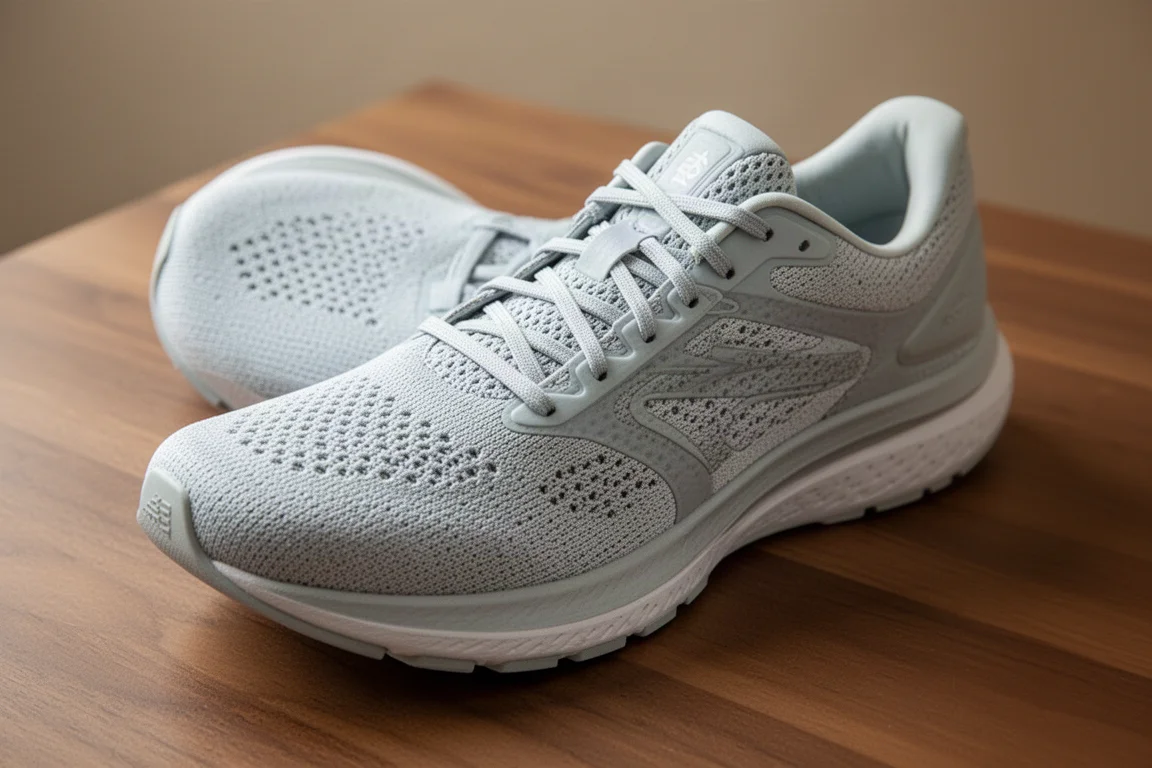
One caveat: the felt section on the medial side feels like a step backwards from the RC Elite v1, whose upper was more refined simply because there was less of it. The upper earns a 2.5 out of 3 after 100 miles.
Midsole: FuelCell Foam That Keeps Improving
The FuelCell midsole has stood up incredibly well at 160 kilometers, showing less visible wear and less performance degradation than any other shoe tested to date. It is incredibly cushioned underfoot, and the additional width makes it suitable for a wider variety of foot strikes. Heel strikers in particular should benefit: there is loads of cushion at the back, a large midfoot cut-out that New Balance calls the energy arc, and a trampoline-like propulsive effect when you load the foam.
A transparent layer over the top of the FuelCell foam has begun to fray in a couple of places, but there is no degradation to the foam underneath, and aesthetically the shoe still looks nothing like one with 100 miles on it. Impressively, the midsole has felt better the more miles it has absorbed, placing it in the same bracket as Adidas Lightstrike Pro models. The initial midsole score of 2.2 out of 3 was raised to 2.7 after 100 miles.

The ride character matters more than raw quality here. This is a midsole that feels best at marathon pace rather than at 5K or 10K effort, where there is simply too much squash for fast, short efforts. It is closer in cushioning to the Adios Pro 2 in softness terms but with far more give, a much less aggressive ride than the Alphafly or Next%, and more underfoot stack from heel to toe. That extra squash makes it a genuine marathon racing candidate and a comfortable option for long training runs.
Outsole: Durable but Limited in the Wet
This is where the RC Elite 2 hits its limit. In the first few runs the rubber grip felt lacking, and while traction has matured slightly as the rubber has worn down, performance in wet conditions remains poor, especially at toe-off where you can feel yourself slipping and losing propulsion. The grip on the heel rubber segments barely improved at all over 100 miles. This materially limited how the shoe could be used, with pace having to be dialed back on several wet runs.
There are positives. On dry paths and roads the traction is superb, and aesthetically this is one of the best-wearing outsoles around, far cleaner at 100 miles than the Adios Pro 2 or Metaspeed Sky. The forefoot rubber thickness does tend to attract dirt and debris into the holes where the midsole is exposed, which is a minor annoyance.
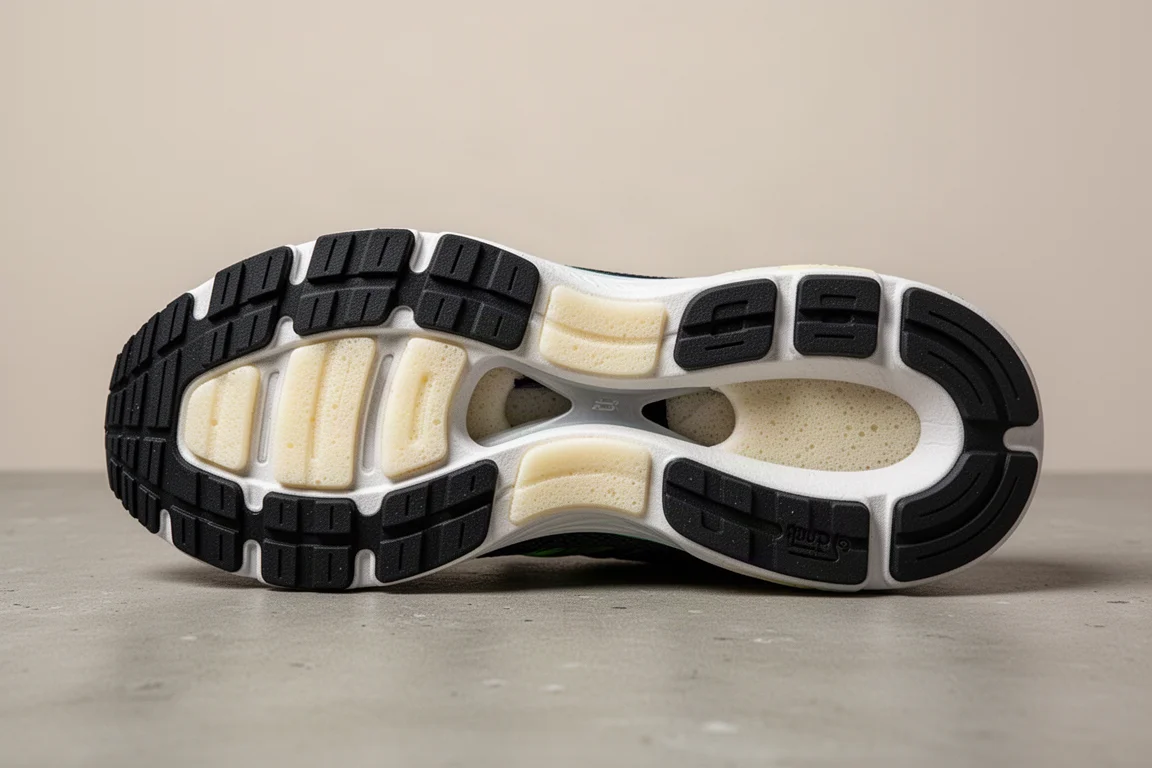
The outsole scores 2 out of 3 after 100 miles: durable materials, but a limited use case. If you run in a drier climate on roads and smooth surfaces, this is much less of a concern. On wet roads, be very careful.
Value: Who Should Really Buy This
As a cruiser, the RC Elite 2 delivers a very cushioned, soft, forgiving ride that is a lot of fun in dry weather. The carbon plate provides real pop thanks to the squash of the FuelCell foam, and the shoe never felt unstable, unlike the FuelCell TC. Still, if you want the most for your money and faster times, the Adios Pro 2 or Vaporfly Next% are the stronger picks at this price point. The v1 was harder to find and closer in character to the Vaporfly Next% or even the Vaporfly 4%, and it remains scarce with limited sizes.

It is arguably a better training shoe than a racing shoe, but few runners will want to spend this much on a shoe just for training, which is what makes it reminiscent of the Prime X. It is a shoe to bring out when you genuinely need extra squash underfoot, and the main regret is that it did not get the RC Elite v1’s outsole traction. Value comes in at 2.3 out of 3, alongside a perfect 3 out of 3 in the looks department, which counts for something but not everything.
Conclusion
The FuelCell RC Elite 2 is a durable, beautifully cushioned supershoe with a midsole that genuinely improves with mileage and one of the most generous toe boxes in the category. Its wet-weather traction is the defining weakness, so it makes the most sense for runners in drier climates or those after a forgiving marathon-day shoe. Match the shoe to your conditions and it is easy to recommend; match it to wet roads and it will frustrate.
Product link
View more details for New Balance FuelCell RC Elite 2
This product is mentioned in the review. Check the specifications, options, and compatibility before buying.
View more details for New Balance FuelCell RC Elite 2Further reading
Related Reviews

Running Shoes
Best Road-to-Trail Running Shoes: Three Versatile Options for Mixed Terrain
A practical guide to three road-to-trail running shoes that handle both pavement and mild trails, with clear strengths and trade-offs for different runner types.

Running Shoes
Best Running Shoes for Achilles Tendonitis: Three Options Explained
Three running shoes with different heel drops and support features designed to help reduce Achilles tendon pain during walking and running.

Running Shoes
Best Running Shoes for Women: Five Top Choices Ranked
A ranked guide to five women's running shoes, from versatile daily trainers to high-performance racing options, with real strengths and trade-offs for each.